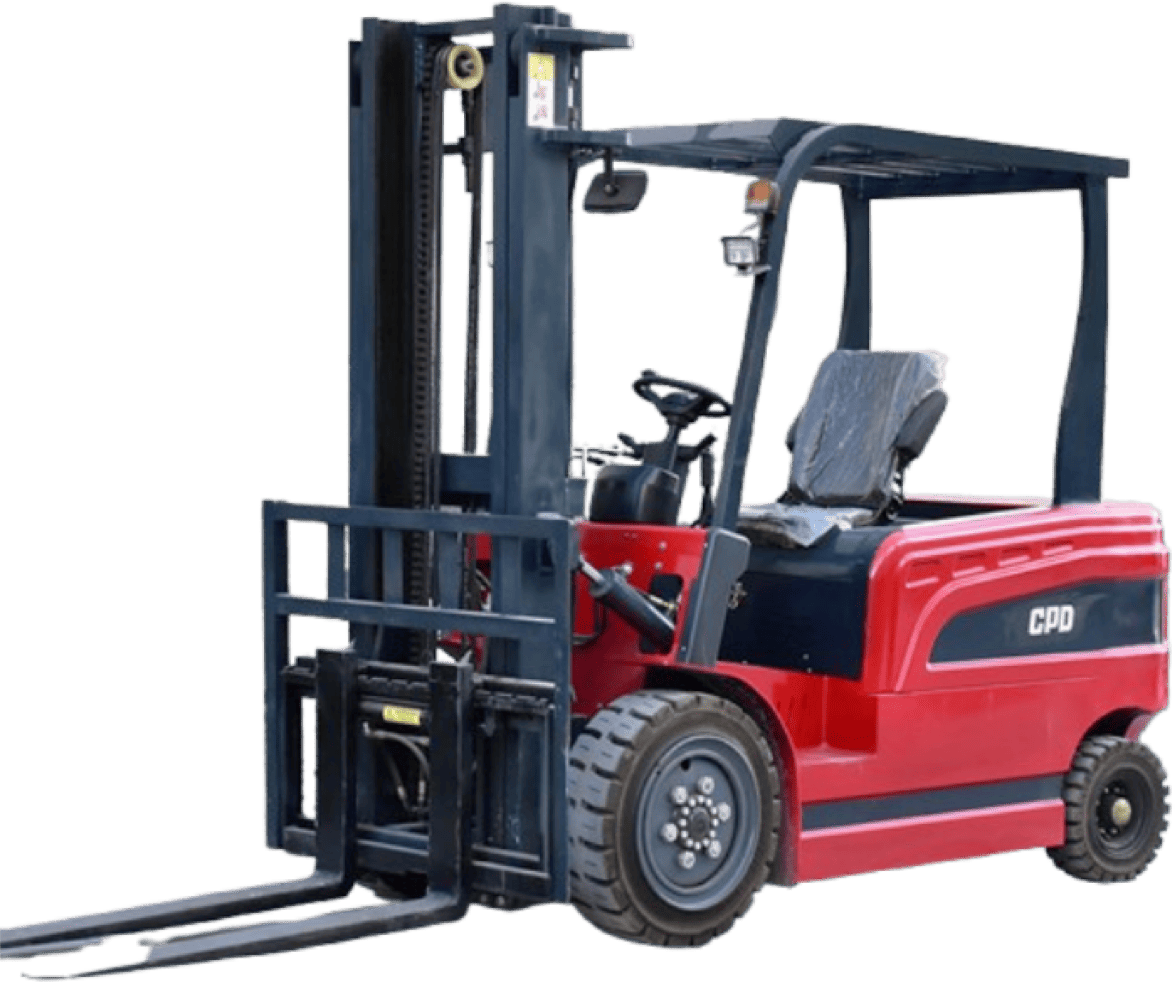
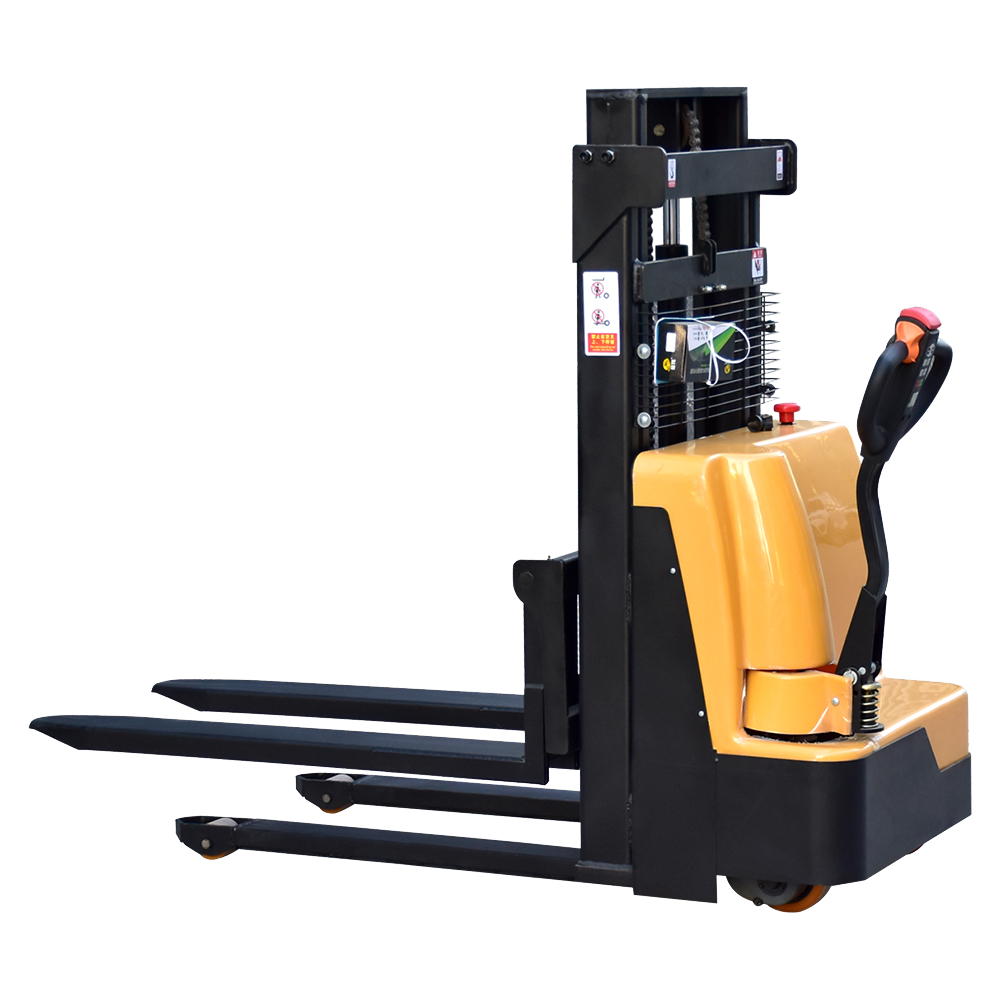
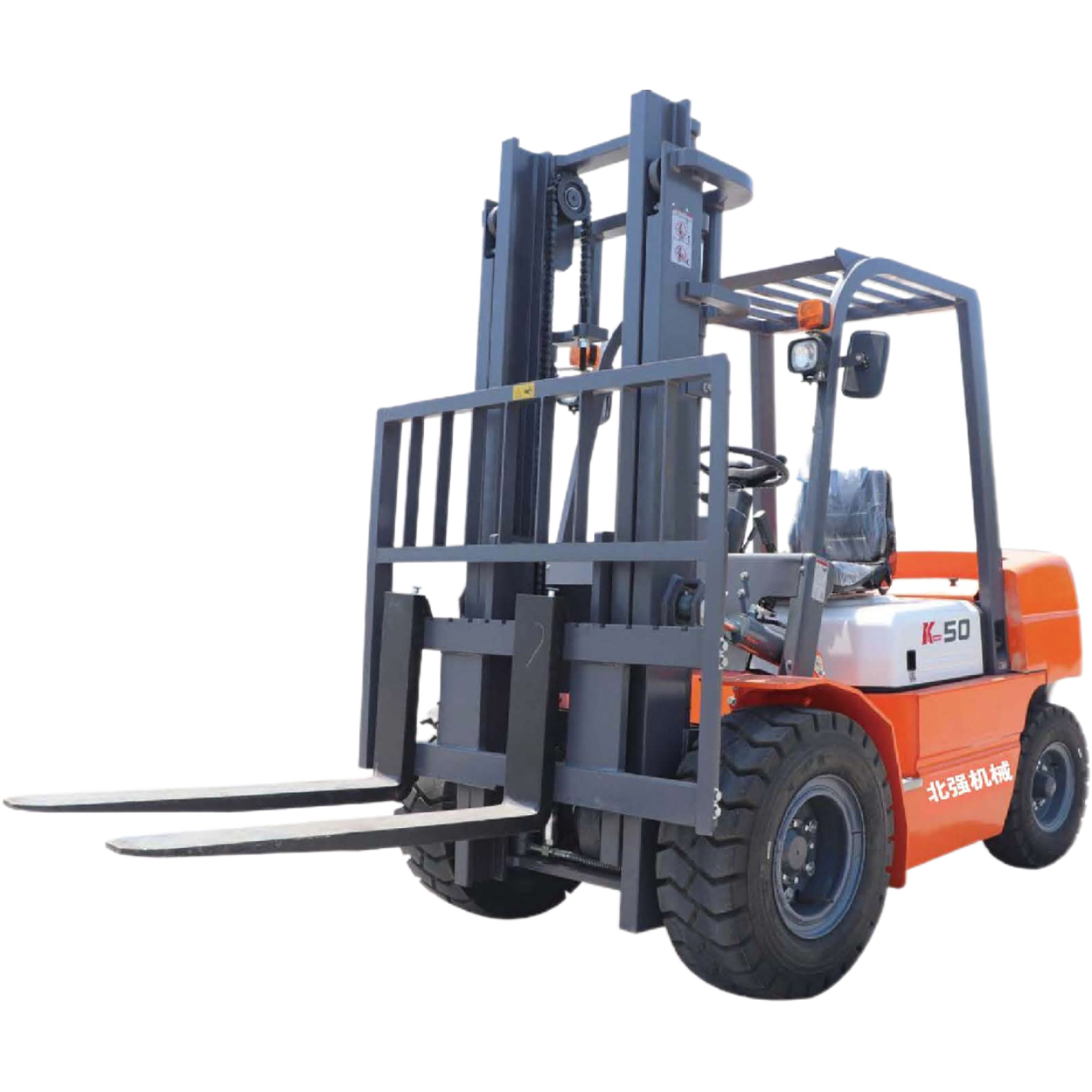
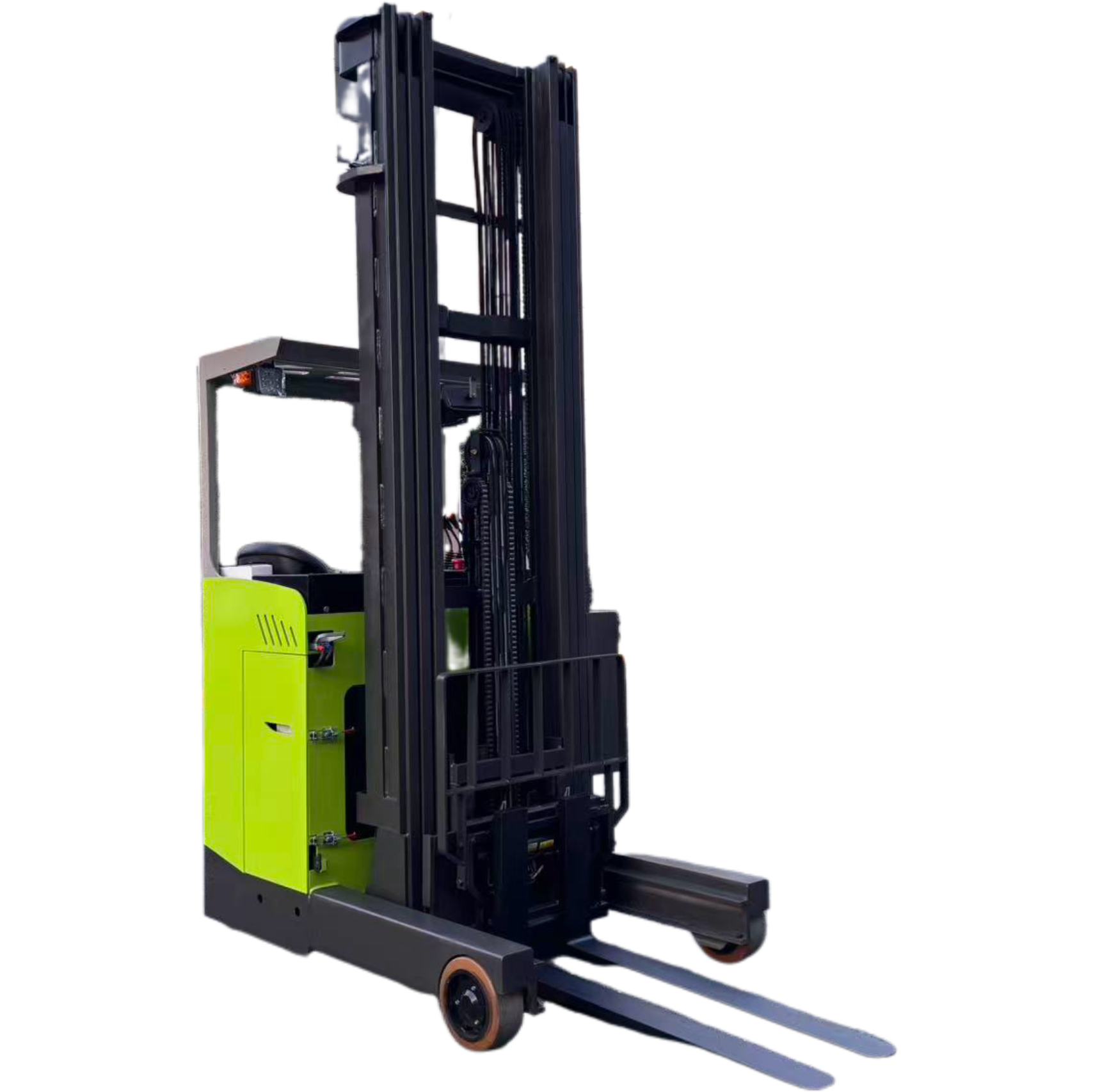
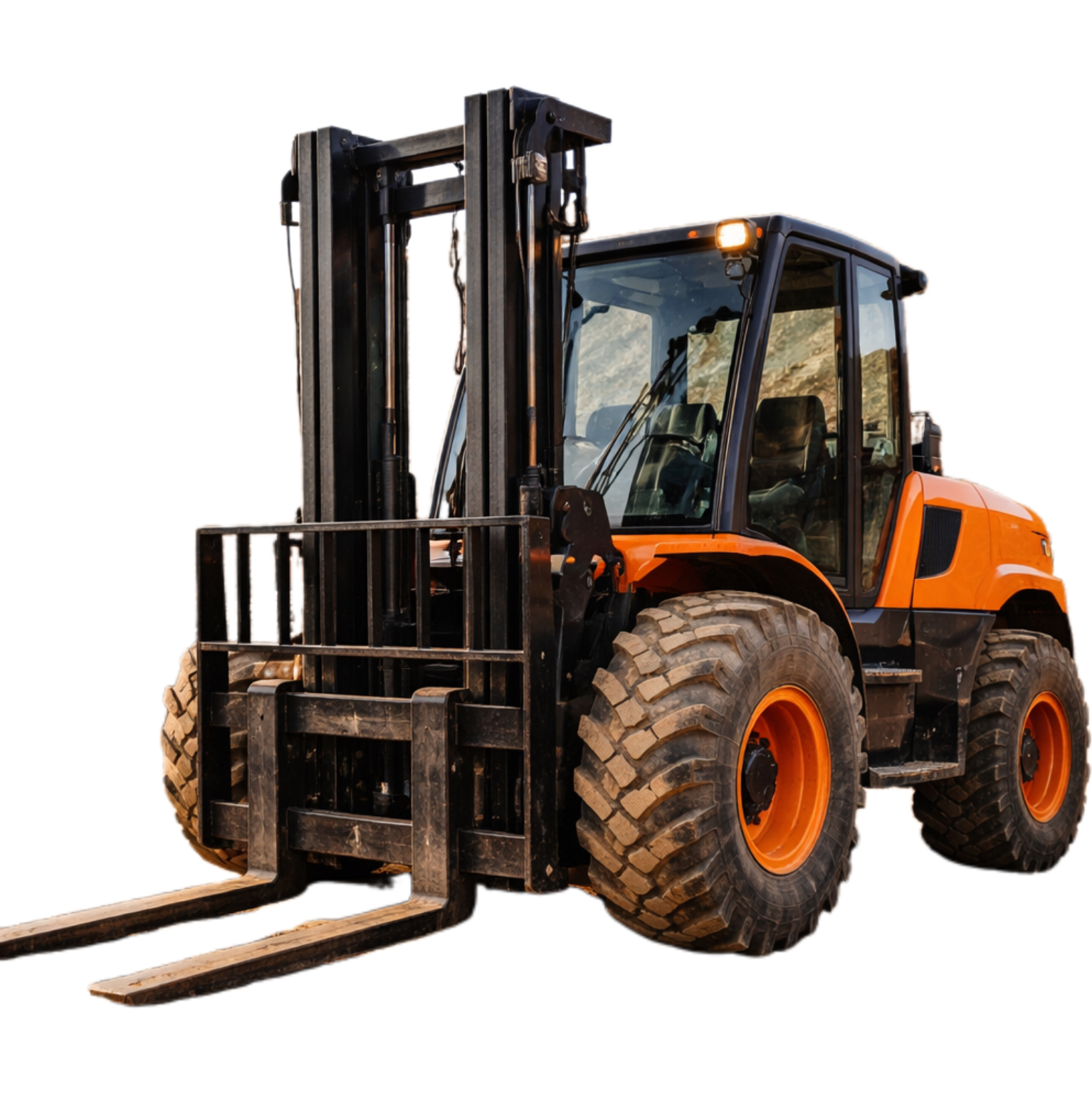


A decade ago, electric forklifts were merely "electric handling tools," requiring operators to manually control steering, lifting, and driving throughout the process. Today, empowered by AI (Artificial Intelligence), 5G, and the Industrial Internet, they have evolved into "logistics robots" capable of autonomous obstacle avoidance and collaborative operations—even forming intelligent clusters of hundreds of units to support the efficient operation of 24/7 unmanned warehouses. The intelligent evolution of electric forklifts is essentially a microcosm of the transformation of logistics systems from "single-point efficiency" to "overall optimization."
Phase 1: Single-Unit Automation – The "Preliminary Revolution" to Free Hands
The period 2015-2020 marked the embryonic stage of electric forklift intelligence, with the core goal of replacing operators' repetitive labor through basic sensing and control technologies. Breakthroughs in this phase focused on building "single-unit autonomous execution" capabilities.
• Core Technologies: Laser navigation (SLAM, Simultaneous Localization and Mapping), infrared obstacle avoidance sensors, and simple PLC (Programmable Logic Controller) systems became standard configurations. Some high-end models introduced preliminary visual recognition modules, enabling automation of "preset paths + basic perception."
• Typical Application: In the "goods-to-person" scenario of e-commerce warehouses, forklifts can automatically travel to the shelf according to preset coordinates, accurately park within ±10mm via infrared positioning, and complete fork lifting and goods picking automatically. Operators only need to confirm simple instructions at the start and end points, and the daily operation volume of a single forklift increased from 80 times to 150 times.
• Industry Value: It solved the pain points of traditional forklifts such as "low manual operation efficiency and high error rate." After application in a home appliance warehouse, the cargo handling error rate dropped from 3% to 0.5%, and the labor intensity of operators decreased by 60%.
Phase 2: Interconnected Collaboration – The "Efficiency Multiplier" to Break Isolation
From 2020 to 2023, the popularization of 5G and Industrial Internet technologies propelled electric forklifts from the "single-unit operation" phase to the "interconnected collaboration" phase. Through data interconnection, multiple forklifts form small collaborative units to realize dynamic optimization of task assignment and resource scheduling.
• Core Technologies: 5G low-latency communication, edge computing nodes, and in-depth connection with WMS (Warehouse Management System). Forklifts are no longer isolated devices but "mobile data terminals" connected to the logistics network, uploading real-time information such as location, battery level, and operation status.
• Typical Application: An auto parts warehouse deployed 20 intelligent electric forklifts. The system automatically assigns tasks based on order priority—when Forklift A’s battery level drops below 30%, the system immediately transfers its current task to the idle Forklift B and guides Forklift A to the fast-charging station; if Forklift C encounters a temporary obstacle, the system re-plans the optimal path for it within 100ms to avoid congestion.
• Industry Value: The efficiency improvement of a single forklift has hit a ceiling, while collaboration enables the overall operation efficiency to achieve "1+1>2." Through interconnected collaboration, the idle driving rate of forklifts in this auto parts warehouse dropped from 25% to 8%, and the overall material turnover efficiency increased by 40%.
Data Support: According to statistics from the China Federation of Logistics and Purchasing (CFLP), in 2023, the hourly operation volume of electric forklifts adopting interconnected collaboration technology was 35% higher than that of single-unit automated models and 220% higher than that of traditional manual forklifts, making them a standard solution for medium and large warehouses. |
Phase 3: Cluster Intelligence – The "Logistics Brain" for Overall Optimization
Starting from 2024, with the implementation of AI large models and digital twin technology, the intelligence of electric forklifts has entered the "cluster era." Intelligent clusters composed of hundreds of forklifts can realize self-scheduling, self-optimization, and even predict logistics demand through a "digital brain"—this is the current highest stage of intelligence.
• Core Technologies: AI cluster scheduling algorithms, digital twin warehouse systems, and multi-modal fusion perception (vision + laser + millimeter-wave radar). The algorithm can predict order peaks based on historical data and allocate forklift resources in advance.
• Typical Application: JD Asia No.1 Intelligent Warehouse deployed a cluster of 150 electric forklifts. The digital twin system maps the dynamics of each forklift and the warehouse location status in real time. When the system predicts the next day’s order peak of the "home appliance promotion" through AI, it automatically adjusts the charging and standby positions of forklifts at night, deploying 10% of the forklifts near the home appliance area in advance; during daytime operations, the cluster dynamically adjusts task priorities according to real-time order changes, realizing the overall optimal matching of "goods location - forklift - personnel," with the daily order processing volume exceeding 100,000.
• Industry Value: From "passively executing tasks" to "proactively optimizing processes," cluster intelligence endows the logistics system with "thinking ability." After application by a third-party logistics enterprise, the overall warehouse operation cost decreased by 28%, and the order fulfillment time was shortened by 35%.
Core Driving Forces Behind the Evolution: The Triangular Balance of Technology, Demand, and Cost
The intelligent evolution of electric forklifts is not accidental; it is the result of the combined effect of technological maturity, market demand, and cost controllability:
• Technology-Driven: The cost of laser navigation has decreased by 80% in the past decade, the computing power of AI chips has increased by 100 times, and 5G tariffs have dropped to a level affordable for enterprises, providing a hardware foundation for intelligence.
• Demand-Pulled: The explosive growth of industries such as e-commerce and new energy has pushed the daily order processing volume of warehouses from 10,000-level to 100,000-level, making traditional manual and single-unit models unable to meet efficiency needs.
• Cost Balance: Although the initial purchase cost of intelligent forklifts is 30%-50% higher than that of traditional models, through efficiency improvement and labor substitution, the investment payback period of leading enterprises has been shortened from 3 years to 1.5 years.
Future Outlook: More Intelligent and Integrated "Logistics Ecosystem Units"
In the next phase, the intelligence of electric forklifts will move towards "deeper integration": forming cross-scenario collaboration with AGVs (Automated Guided Vehicles) and unmanned delivery vehicles, realizing full-chain visual management through digital twins, and even connecting to urban logistics networks to become core nodes linking warehouses and delivery terminals.
From single-unit automation to cluster intelligence, the evolutionary path of electric forklifts is not only an improvement in equipment performance but also a vivid testimony to the transformation of the logistics industry from "labor-intensive" to "technology-intensive." At which stage of forklift intelligence is your enterprise? What technical or cost challenges have you encountered during the upgrading process? Welcome to leave a comment and share your thoughts.
Our manager will contact you shortly.
To contact you about our products and services.


Copyright © Xingtai Beiqiang Machinery Manufacturing Factory. 2025.
Technical support:Echola