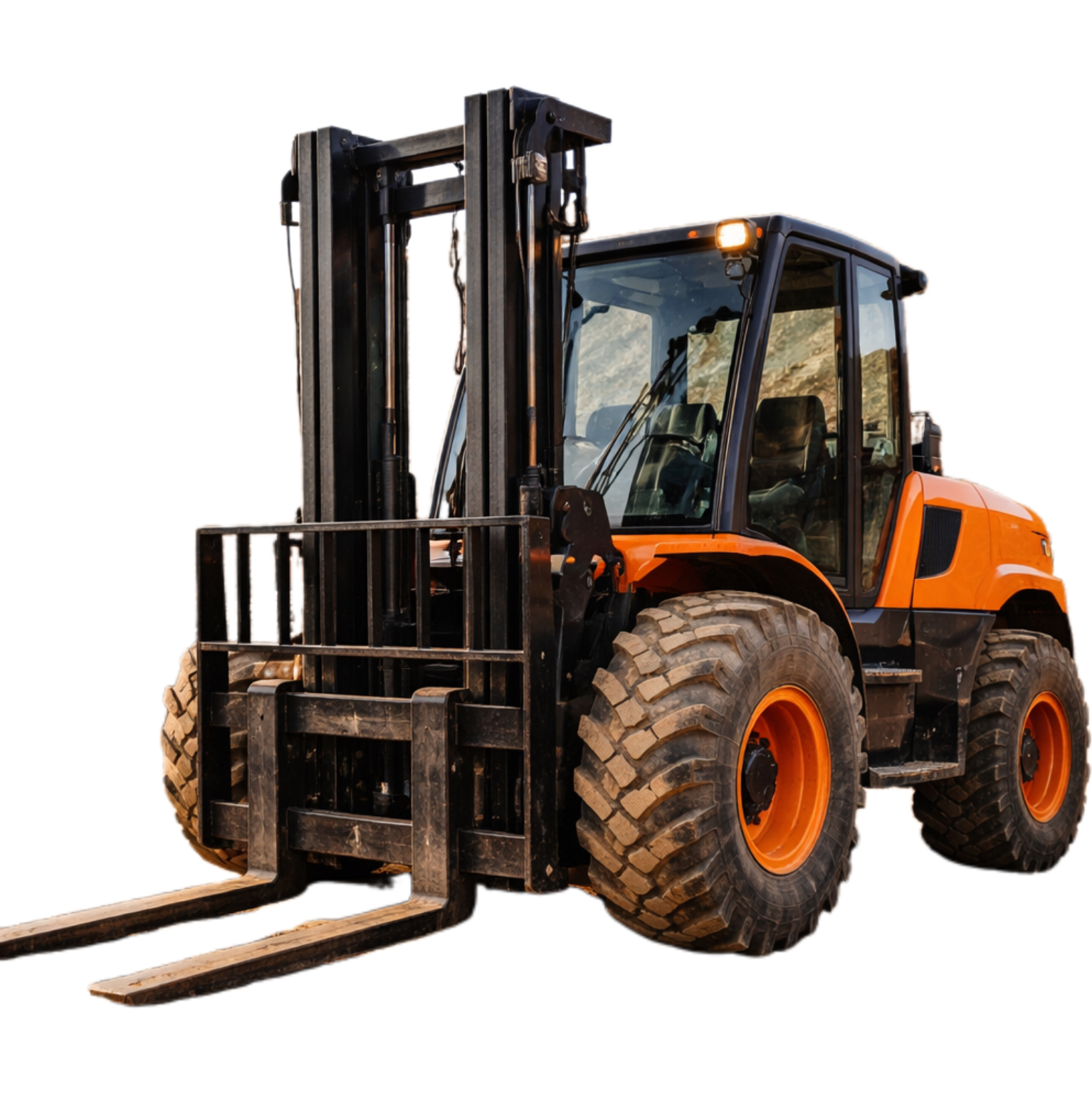


Forklifts in Manufacturing Plants
Optimizing Material Flow on the Factory Floor
In manufacturing plants, efficiency is determined not only by production equipment but also by how materials move between processes. Raw materials, components, semi-finished goods, and finished products must flow smoothly across the factory floor to avoid bottlenecks, delays, and excess handling.
Forklifts play a central role in this internal logistics system. When properly selected and managed, forklifts help manufacturers reduce downtime, improve productivity, and maintain a stable production rhythm. When misaligned with production needs, however, forklifts can become a hidden source of inefficiency and cost.
This article examines how forklifts are used in manufacturing plants and how companies can optimize material flow through better equipment selection, layout design, and operational practices.
1. The Role of Forklifts in Manufacturing Operations
Unlike warehouses, manufacturing plants involve continuous material movement between different production stages.
Typical forklift tasks include:
Transporting raw materials to production lines
Moving work-in-progress (WIP) between processes
Supplying components to assembly stations
Removing finished goods to storage or shipping areas
Handling scrap and waste materials
Forklifts act as the link between production and logistics, making them critical to factory efficiency.
2. Key Differences Between Manufacturing and Warehouse Forklift Use
Forklift operations in manufacturing environments differ from warehousing in several ways:
Shorter but more frequent travel routes
Higher interaction with workers and machines
Time-sensitive material delivery
Mixed indoor and outdoor usage
As a result, forklift selection and deployment must be closely aligned with production requirements.
3. Common Challenges in Factory Floor Material Handling
A. Bottlenecks and Waiting Time
Poorly planned forklift routes can delay material delivery, causing production lines to stop or slow down.
B. Congestion and Safety Risks
Manufacturing floors are often crowded with people, machines, and forklifts sharing limited space.
C. Inconsistent Material Supply
Without standardized material flow, operators may over-supply or under-supply production stations.
D. Excessive Manual Handling
Improper forklift use increases reliance on manual handling, raising injury risk and labor cost.
Addressing these challenges requires a systematic approach to forklift integration.
4. Selecting the Right Forklifts for Manufacturing Plants
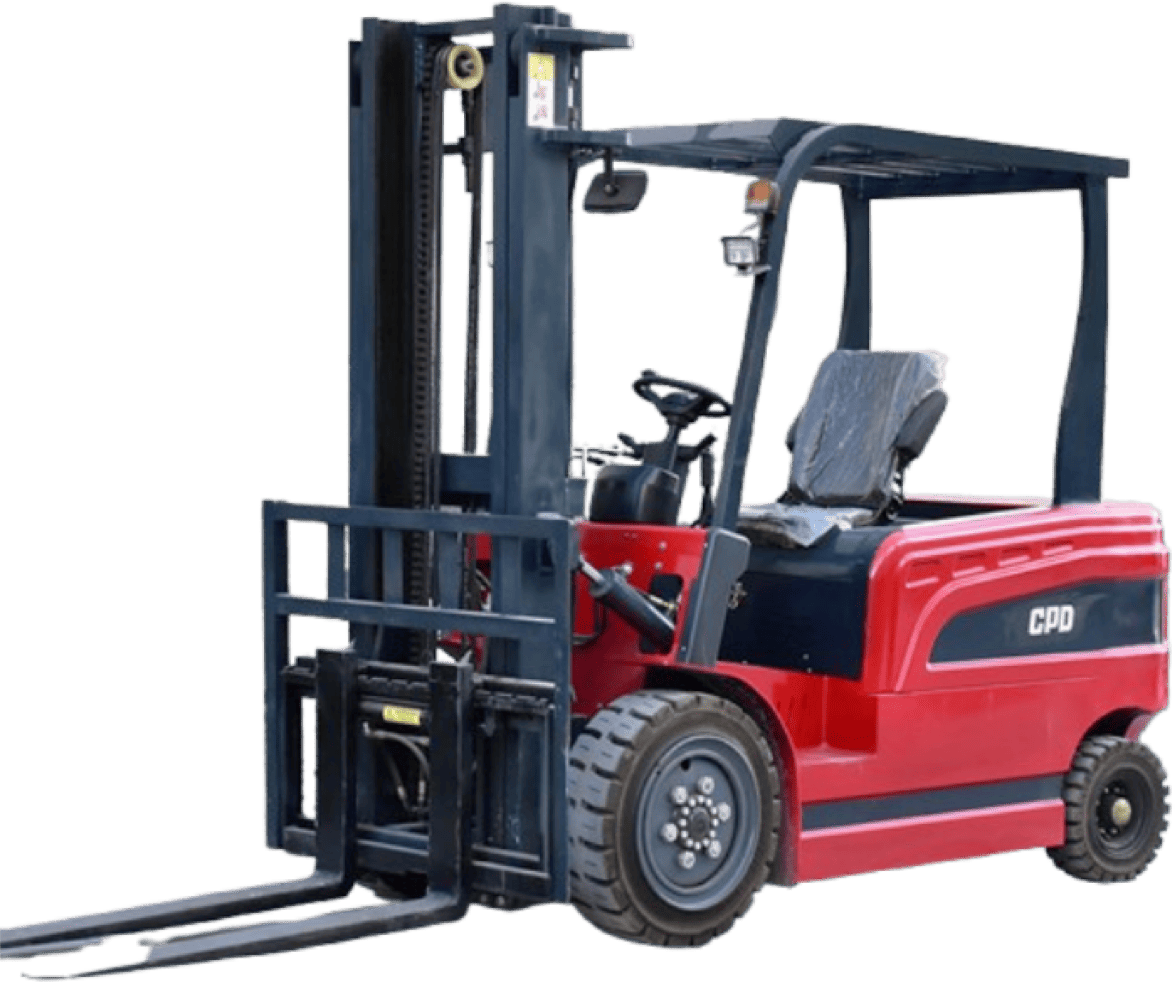
Electric Forklifts
Electric forklifts are widely used in manufacturing due to:
Zero emissions
Quiet operation
Smooth acceleration
They are ideal for indoor production areas, especially in food, electronics, and automotive manufacturing.
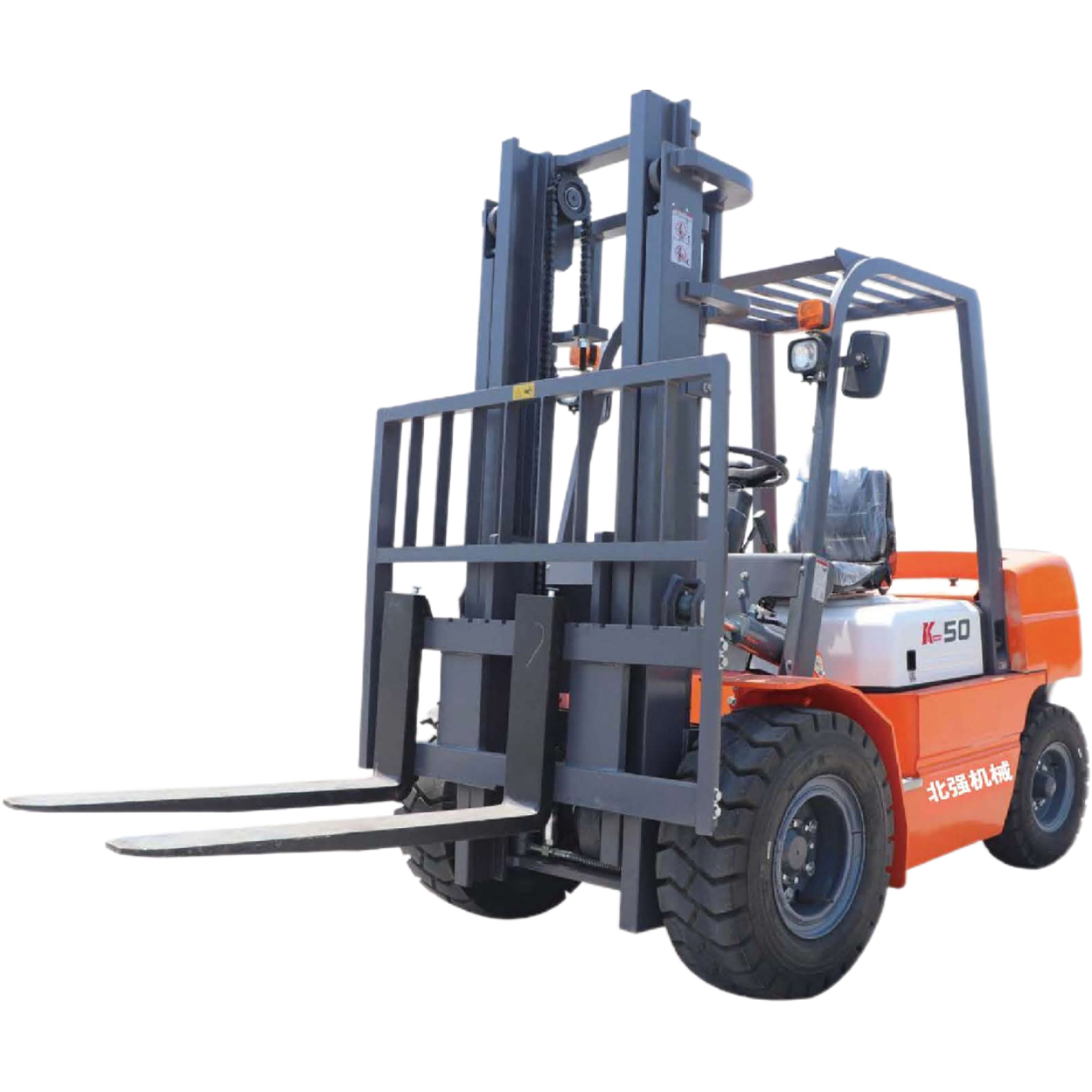
Internal Combustion Forklifts
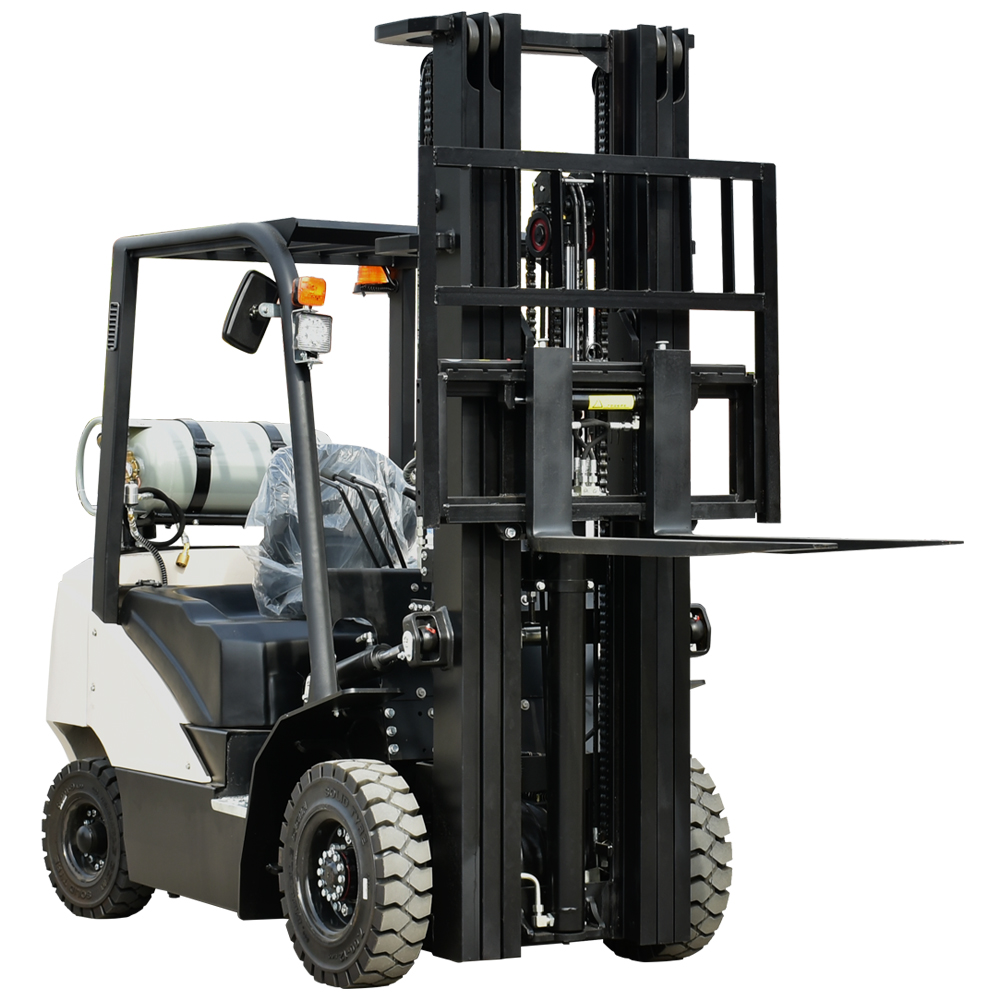
Diesel or LPG forklifts are typically used for:
Outdoor material transport
Heavy loads
Rough surfaces
In many plants, a mixed fleet supports both indoor and outdoor operations.
5. Forklift Size and Maneuverability
Manufacturing plants often require forklifts that can operate in:
Narrow production aisles
Tight turning areas
Confined workstations
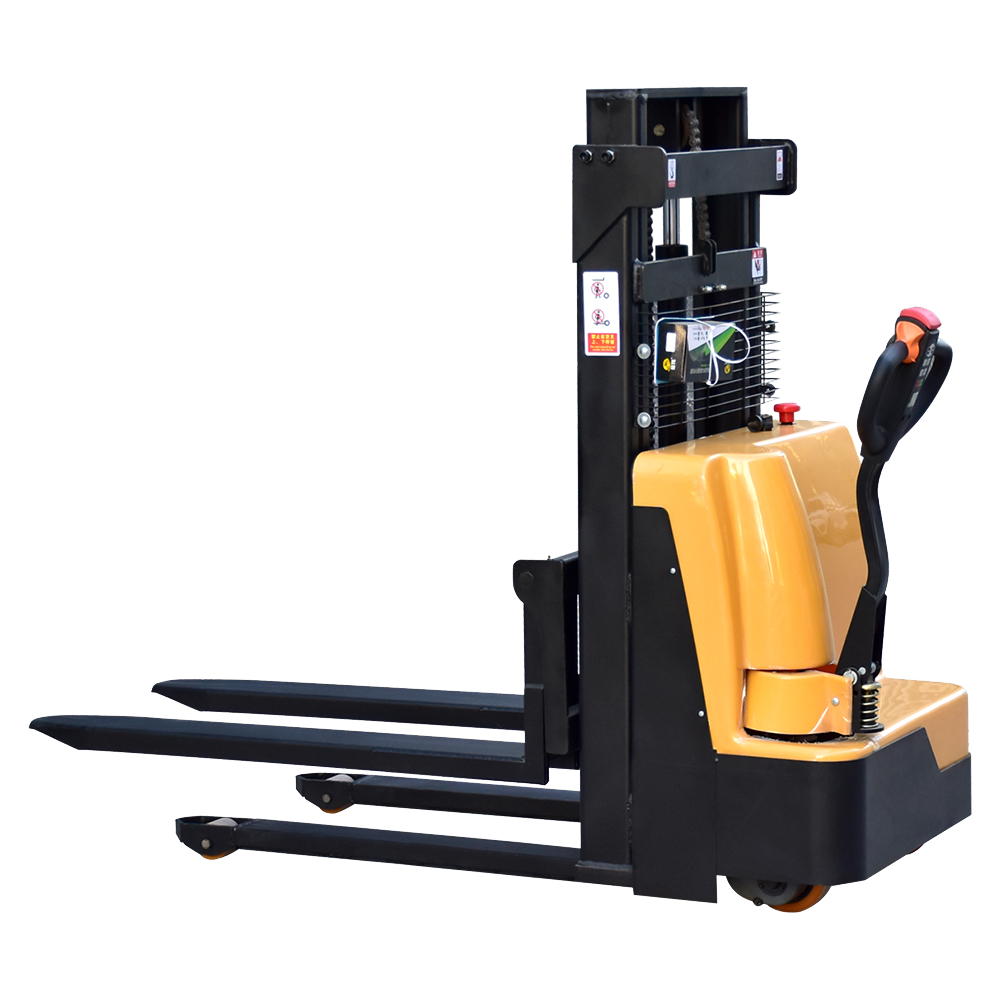
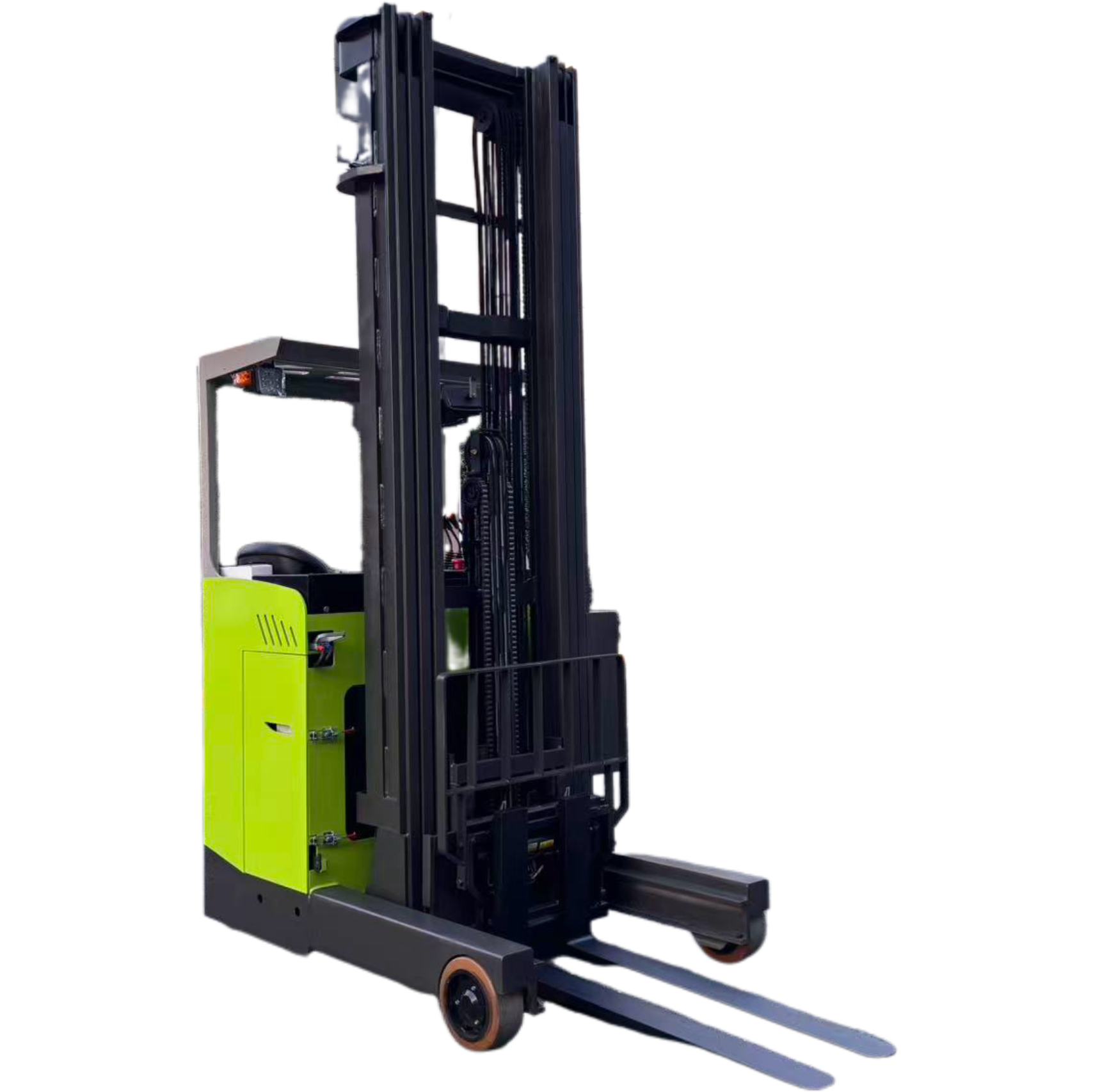
Compact forklifts, pallet stackers, and reach trucks are commonly used to support lean production layouts.
Choosing oversized forklifts can increase congestion and reduce efficiency.
6. Layout Design and Material Flow Optimization
Forklift performance is heavily influenced by factory layout.
Best Practices
Define clear forklift routes
Separate pedestrian walkways
Minimize crossing points
Place buffers near production lines
A well-designed layout reduces travel distance and improves material flow consistency.
7. Supporting Lean Manufacturing and Just-in-Time (JIT)
Many manufacturers adopt lean and JIT production systems, which require precise material delivery.
Forklifts support lean manufacturing by:
Delivering materials in smaller, frequent batches
Reducing inventory buildup
Supporting standardized workstations
Reliable forklift availability is essential to prevent line stoppages.
8. Standardization of Loads and Handling Units
Standardized pallets, containers, and racks improve forklift efficiency.
Benefits of Standardization
Faster handling
Reduced operator errors
Improved safety
Easier automation integration
Standard loads allow forklifts to operate at optimal speed and capacity.
9. Forklift Attachments in Manufacturing
Attachments enhance forklift versatility on the factory floor.
Common Manufacturing Attachments
Fork positioners for varying pallet sizes
Clamps for non-palletized components
Rotators for dumping bins or scrap
Attachments reduce manual handling and improve workflow flexibility.
10. Integrating Forklifts with Production Planning Systems
Modern manufacturing plants increasingly connect forklifts with digital systems.
Integration Benefits
Real-time task assignment
Visibility of material movement
Reduced material shortages
Improved production scheduling
Forklifts become part of a digitally controlled material flow system.
11. Safety Management on the Factory Floor
Forklift safety is especially critical in manufacturing environments with high human interaction.
Key Safety Measures
Speed limits near workstations
Visual and audible warning systems
Operator training and certification
Clear floor markings
Safety-focused forklift operations protect both people and production continuity.
12. Maintenance and Reliability in Production Environments
Unexpected forklift downtime can stop production lines.
Best Practices
Preventive maintenance scheduling
Backup forklifts for critical operations
Operator daily inspections
High reliability ensures stable material supply to production processes.
13. Measuring Forklift Performance in Manufacturing
Key performance indicators (KPIs) include:
Material delivery lead time
Forklift utilization rate
Downtime incidents
Production interruptions caused by material handling
Tracking these metrics helps identify improvement opportunities.
14. Preparing for Automation and Future Expansion
Manufacturing plants are gradually adopting:
Automated forklifts
AGVs
Hybrid manual–automated fleets
Selecting forklifts compatible with future automation ensures scalability and protects long-term investment.
Conclusion
Forklifts are a foundational element of material flow in manufacturing plants. When aligned with production needs, layout design, and lean principles, forklifts significantly enhance efficiency, safety, and reliability on the factory floor.
By carefully selecting equipment, optimizing layouts, standardizing loads, and integrating forklifts into production planning systems, manufacturers can transform material handling from a support function into a strategic advantage.
Our manager will contact you shortly.
To contact you about our products and services.


Copyright © Xingtai Beiqiang Machinery Manufacturing Factory. 2025.
Technical support:Echola