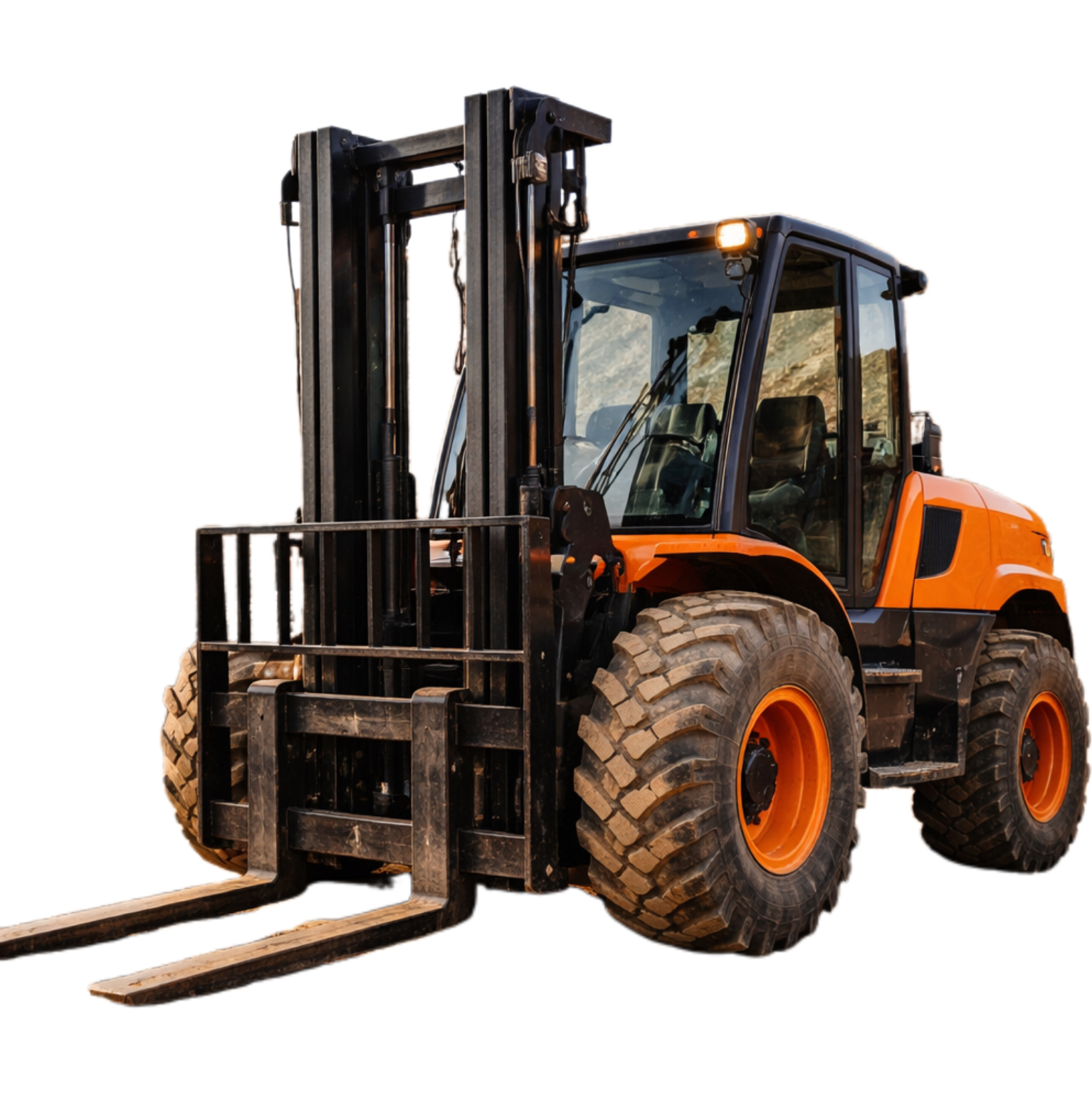


Forklifts in Cold Storage Warehouses
Overcoming Low-Temperature Challenges in Cold Chain Material Handling
Cold storage warehouses play a critical role in the global supply chain, supporting industries such as food and beverage, pharmaceuticals, agriculture, and biotechnology. Unlike conventional warehouses, cold storage facilities operate in extreme low-temperature environments, often ranging from 0°C down to -30°C or lower.
In these conditions, forklifts must perform reliably, safely, and efficiently. However, low temperatures introduce unique operational, mechanical, and safety challenges. This article explores how forklifts are used in cold storage warehouses, the challenges they face, and best practices for optimizing performance in cold chain environments.
1. Why Cold Storage Forklift Operations Are Unique
Cold storage warehouses differ from standard facilities in several key ways:
Extremely low operating temperatures
High humidity and condensation
Limited visibility due to frost or fog
Strict hygiene and safety requirements
Forklifts operating in these environments must be specially selected and maintained to avoid performance degradation and safety risks.
2. Key Challenges for Forklifts in Cold Storage
A. Battery Performance in Low Temperatures
Cold temperatures significantly reduce battery efficiency, especially for traditional lead-acid batteries.
Common issues include:
Reduced battery capacity
Slower charging
Increased charging frequency
Battery performance is often the primary limiting factor in cold storage forklift operations.
B. Lubrication and Mechanical Wear
Standard lubricants can thicken or freeze in low temperatures, leading to:
Increased friction
Slower hydraulic response
Accelerated component wear
Special low-temperature lubricants are essential to ensure smooth operation.
C. Condensation and Corrosion
Frequent movement between cold and ambient zones causes condensation, which can lead to:
Electrical component damage
Corrosion of metal parts
Reduced lifespan of connectors and sensors
Moisture control is a critical maintenance concern.
D. Operator Comfort and Safety
Cold environments place additional strain on operators:
Reduced dexterity
Fatigue
Decreased reaction time
Poor visibility and slippery floors further increase accident risk.
3. Forklift Types Suitable for Cold Storage
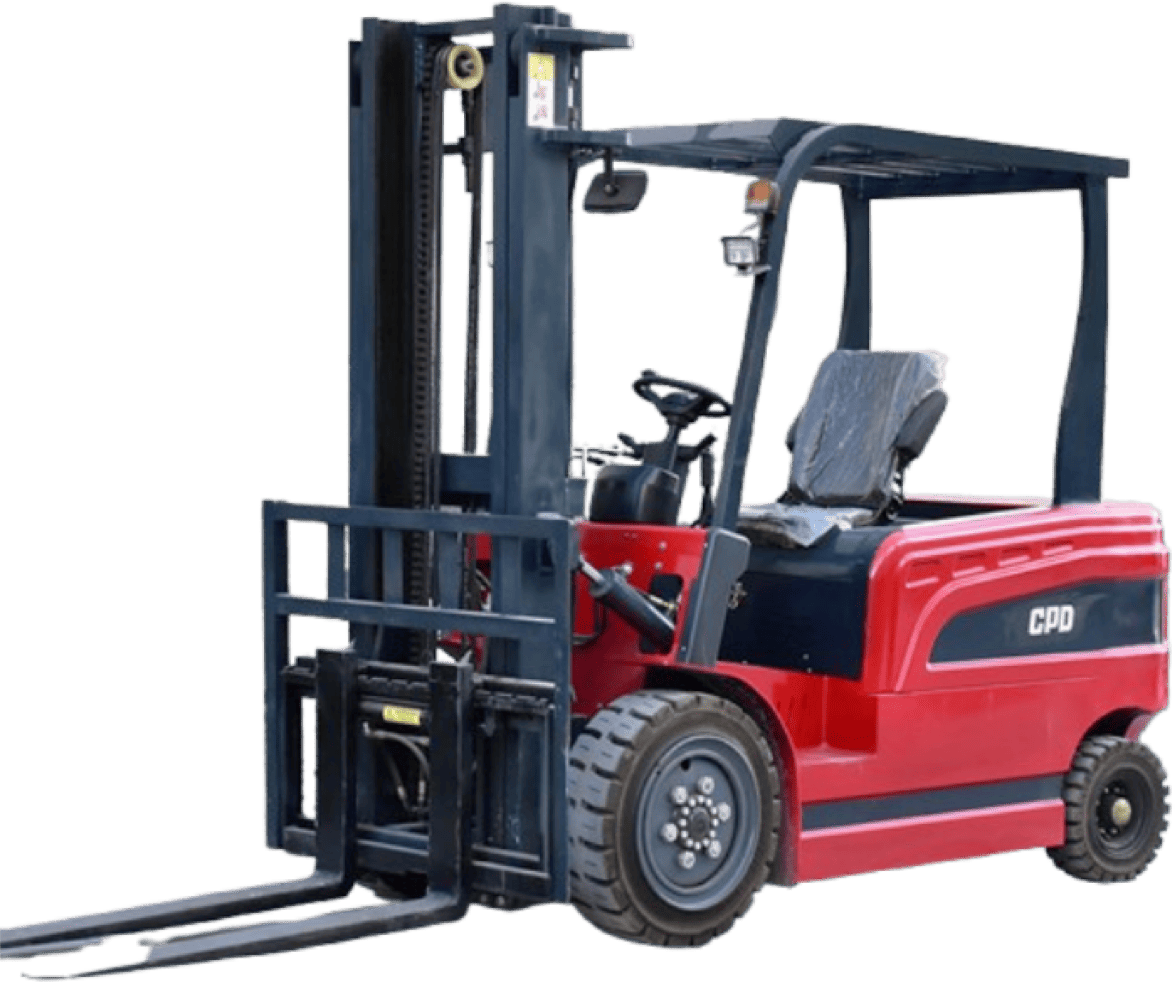
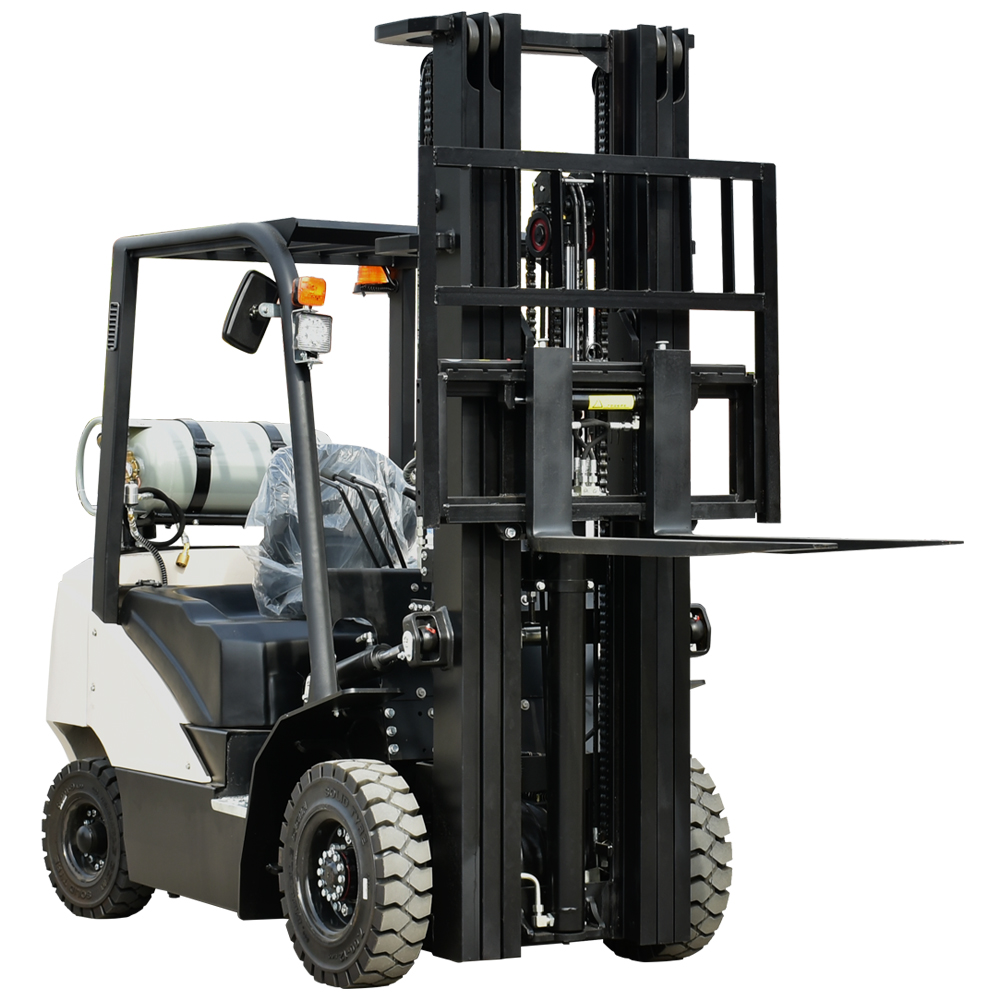
Electric Forklifts
Electric forklifts are the preferred choice for cold storage due to:
Zero emissions
Quiet operation
Compatibility with indoor environments
With proper configuration, electric forklifts can operate effectively even at extremely low temperatures.
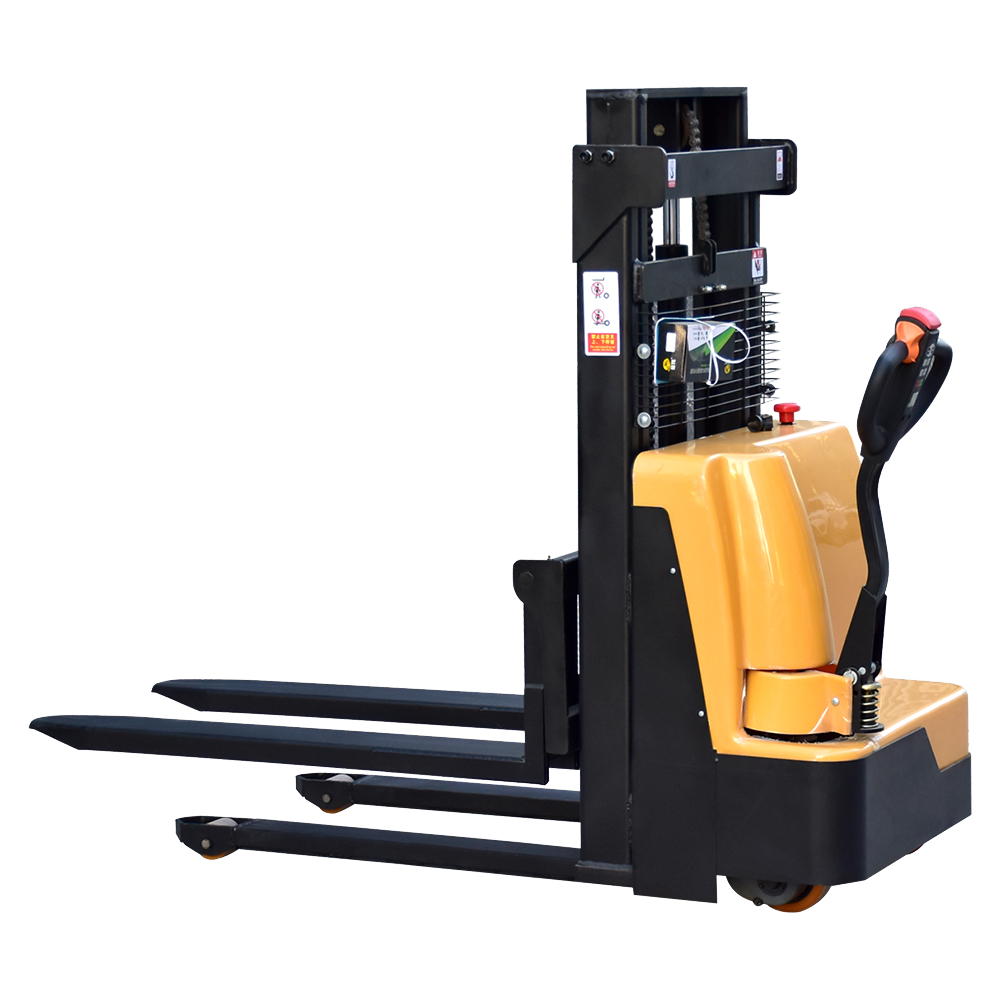
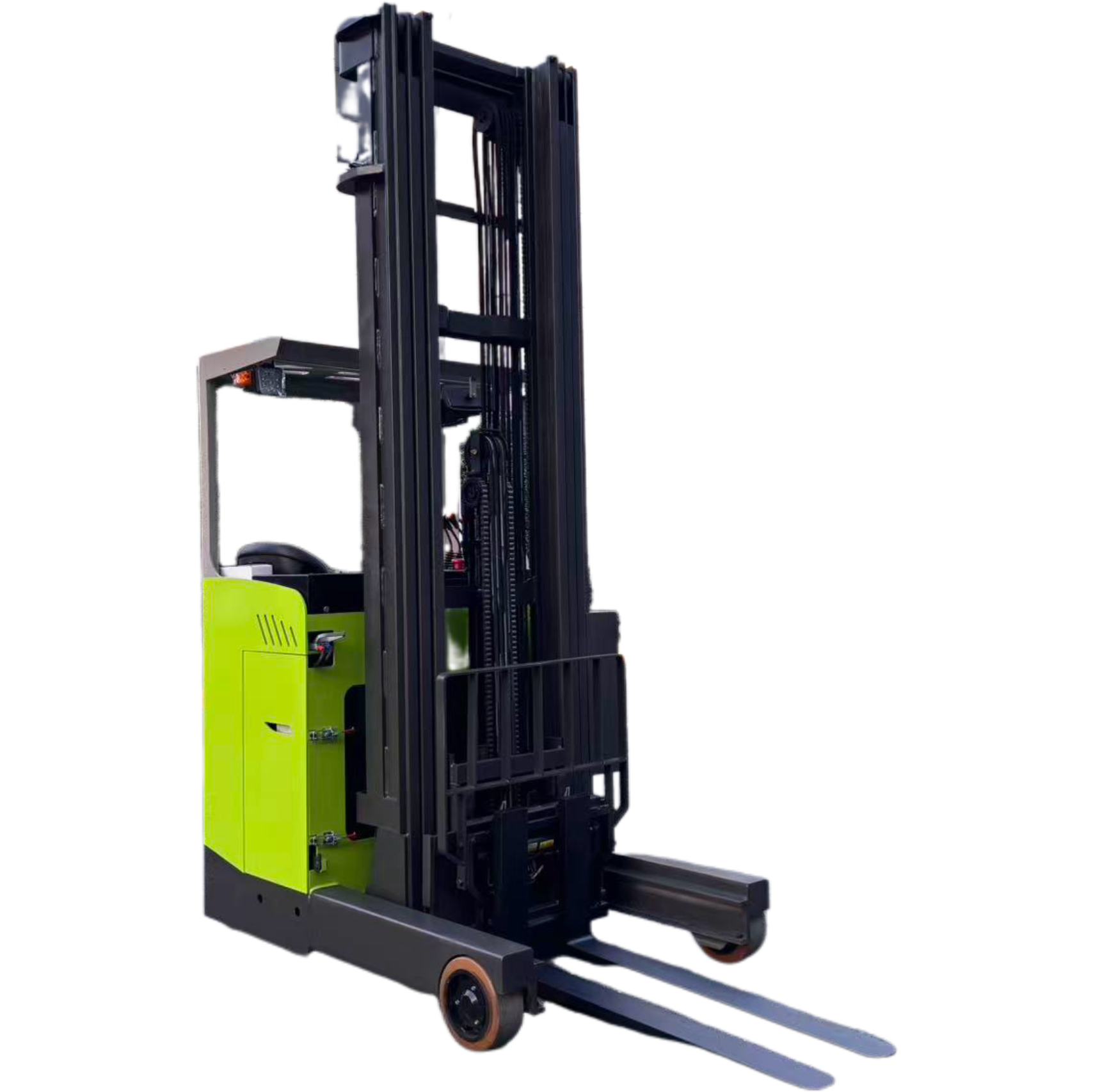
Reach Trucks and VNA Forklifts
Cold storage facilities often aim for maximum storage density.
Reach trucks and VNA forklifts enable:
Narrow aisle layouts
High racking systems
Optimized space utilization
These forklifts are commonly used in freezer warehouses and automated cold storage systems.
4. Battery Technology for Cold Storage Forklifts
Lead-Acid Batteries
While still in use, lead-acid batteries face challenges in cold environments:
Performance loss below 0°C
Need for heated charging rooms
Frequent maintenance
Lithium-Ion Batteries
Lithium-ion batteries are increasingly popular in cold storage applications.
Advantages include:
Better performance in low temperatures
Fast opportunity charging
No need for battery swapping
Lower maintenance requirements
Although initial costs are higher, lithium-ion batteries often deliver better long-term ROI in cold storage operations.
5. Cold Storage Forklift Design Features
Forklifts designed for cold environments typically include:
Sealed electrical components
Low-temperature hydraulic oils
Cold-resistant seals and hoses
Anti-corrosion coatings
These features protect critical systems from cold-induced damage.
6. Operator Cab and Ergonomic Considerations
Enclosed Heated Cabs
For extended operation in freezer zones, forklifts may be equipped with:
Fully enclosed cabins
Heating systems
Anti-fog windshields
These features improve operator comfort and reduce fatigue-related accidents.
Protective Gear and Training
Operators require:
Cold-resistant protective clothing
Specialized training for low-temperature handling
Awareness of cold-related safety risks
Human factors are just as important as equipment selection.
7. Maintenance Best Practices in Cold Storage Environments
Preventive Maintenance
Cold storage forklifts require more frequent inspections, focusing on:
Battery health
Electrical connections
Hydraulic system performance
Seal integrity
Preventive maintenance helps avoid unexpected breakdowns that can disrupt temperature-sensitive operations.
Warm-Zone Maintenance Strategy
Many facilities designate warm maintenance zones where forklifts are periodically brought out of cold areas for inspection and servicing.
This reduces moisture buildup and simplifies maintenance tasks.
8. Safety Considerations in Cold Storage Forklift Operations
Floor Conditions
Ice buildup and condensation increase slip hazards.
Best practices include:
Anti-slip floor coatings
Proper drainage
Regular floor inspections
Visibility and Lighting
Cold storage warehouses often suffer from poor visibility.
Safety improvements include:
High-intensity LED lighting
Blue or red warning lights on forklifts
Reflective floor markings
9. Energy Efficiency and Cost Control
Cold storage facilities are energy-intensive.
Optimizing forklift operations helps control costs by:
Reducing charging frequency
Minimizing idle time
Selecting energy-efficient equipment
Energy-efficient forklifts contribute to both cost savings and sustainability goals.
10. Automation and Cold Storage Forklifts
Automation is increasingly common in cold storage environments.
Why Automation Works Well
Reduced human exposure to extreme cold
Consistent performance
24/7 operation
Automated forklifts and AGVs are often used for repetitive transport tasks in large cold storage facilities.
11. Regulatory and Hygiene Considerations
Cold storage warehouses must comply with:
Food safety standards
Pharmaceutical handling regulations
Hygiene and contamination control requirements
Forklifts used in these environments must be easy to clean and maintain to meet regulatory expectations.
12. Choosing the Right Forklift for Cold Storage Applications
Key Selection Criteria
Operating temperature range
Battery technology
Lift height and aisle width
Maintenance support availability
A proper needs assessment ensures reliable performance and lower total cost of ownership.
Conclusion
Forklifts are essential to cold storage warehouse operations, but extreme low temperatures introduce unique challenges that require specialized solutions. From battery selection and equipment design to operator safety and maintenance practices, every aspect of forklift operation must be adapted for cold environments.
By choosing the right forklifts and implementing best practices, cold storage operators can achieve high efficiency, improved safety, and reliable performance—ensuring the integrity of the cold chain and long-term operational success.
Our manager will contact you shortly.
To contact you about our products and services.


Copyright © Xingtai Beiqiang Machinery Manufacturing Factory. 2025.
Technical support:Echola