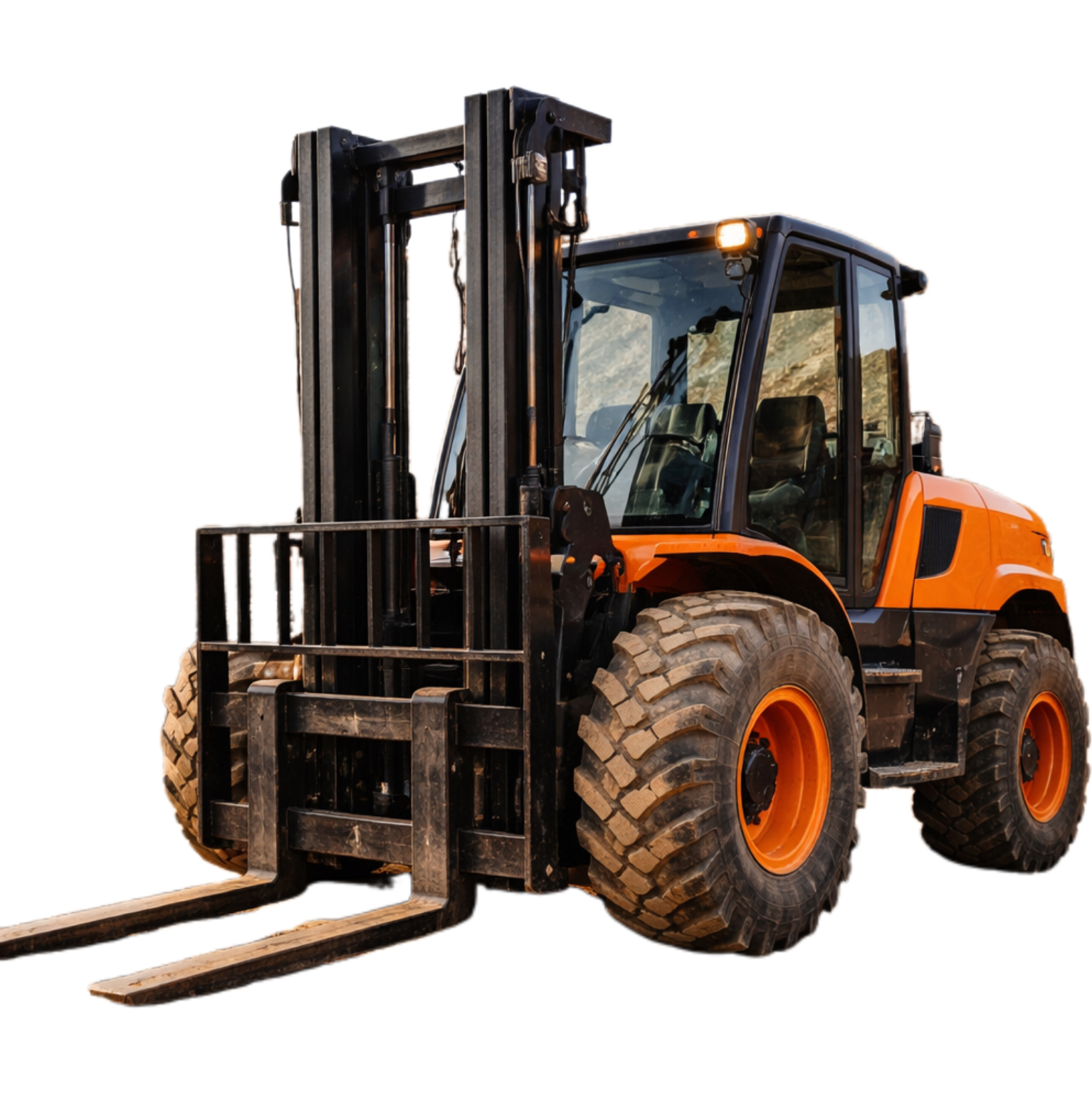


Forklift Operator Training and Certification
Building Safer, More Efficient Material Handling Operations
Forklifts are indispensable in warehouses, factories, ports, and distribution centers. However, they are also among the most dangerous pieces of industrial equipment when operated incorrectly. Many forklift-related accidents can be traced back to insufficient training, poor safety awareness, or lack of proper certification.
For industrial facilities, forklift operator training and certification are not optional—they are essential components of safety management, regulatory compliance, and operational efficiency.
This article provides a comprehensive guide to forklift operator training and certification, explaining why it matters, what effective training includes, and how companies can implement best practices.
1. Why Forklift Operator Training Is Critical
Forklift accidents often result in:
Serious injuries or fatalities
Damage to goods and infrastructure
Production downtime
Legal liability and fines
Common causes include:
Inexperienced operators
Unsafe driving behavior
Improper load handling
Lack of situational awareness
Proper training significantly reduces these risks by ensuring operators understand both how forklifts work and how to operate them safely in real-world environments.
2. Legal and Regulatory Requirements
In many countries, forklift operator training is mandated by occupational safety regulations.
Typical Regulatory Expectations
Operators must receive formal training
Operators must be evaluated for competence
Training must be documented
Refresher training is required after incidents or changes
For example, OSHA standards in the United States require employers to ensure forklift operators are trained and certified before operating powered industrial trucks.
Compliance protects both workers and employers from legal and financial consequences.
3. What Is Forklift Operator Certification?
Forklift certification is formal recognition that an operator has:
Completed required training
Demonstrated practical operating skills
Shown understanding of safety rules
Certification typically includes:
Classroom or online instruction
Hands-on practical training
Performance evaluation
Certification is equipment- and environment-specific, meaning operators may need additional training when switching forklift types or workplaces.
4. Core Components of Forklift Operator Training
Effective forklift training programs combine theory with practice.
A. Theoretical Training
Classroom or online training covers:
Forklift types and components
Load capacity and stability principles
Hazard recognition
Workplace safety rules
Accident prevention strategies
This foundation helps operators understand why certain rules exist.
B. Practical Hands-On Training
Hands-on training focuses on:
Starting and stopping procedures
Steering and maneuvering
Lifting, stacking, and lowering loads
Operating in aisles and confined spaces
Parking and shutdown procedures
Practical training allows instructors to correct unsafe habits early.
C. Performance Evaluation
Operators must demonstrate:
Safe driving behavior
Proper load handling
Awareness of surroundings
Compliance with site-specific rules
Only operators who pass evaluation should be certified.
5. Site-Specific and Task-Specific Training
Generic forklift training is not enough.
Site-Specific Training Covers
Warehouse layout
Traffic flow patterns
Pedestrian zones
Dock and ramp operations
Task-Specific Training Covers
Handling special loads
Use of forklift attachments
Operation in cold storage or hazardous areas
Customized training ensures operators can handle real working conditions safely.
6. Forklift Types and Training Differences
Different forklift types require different skill sets.
Common Forklift Types
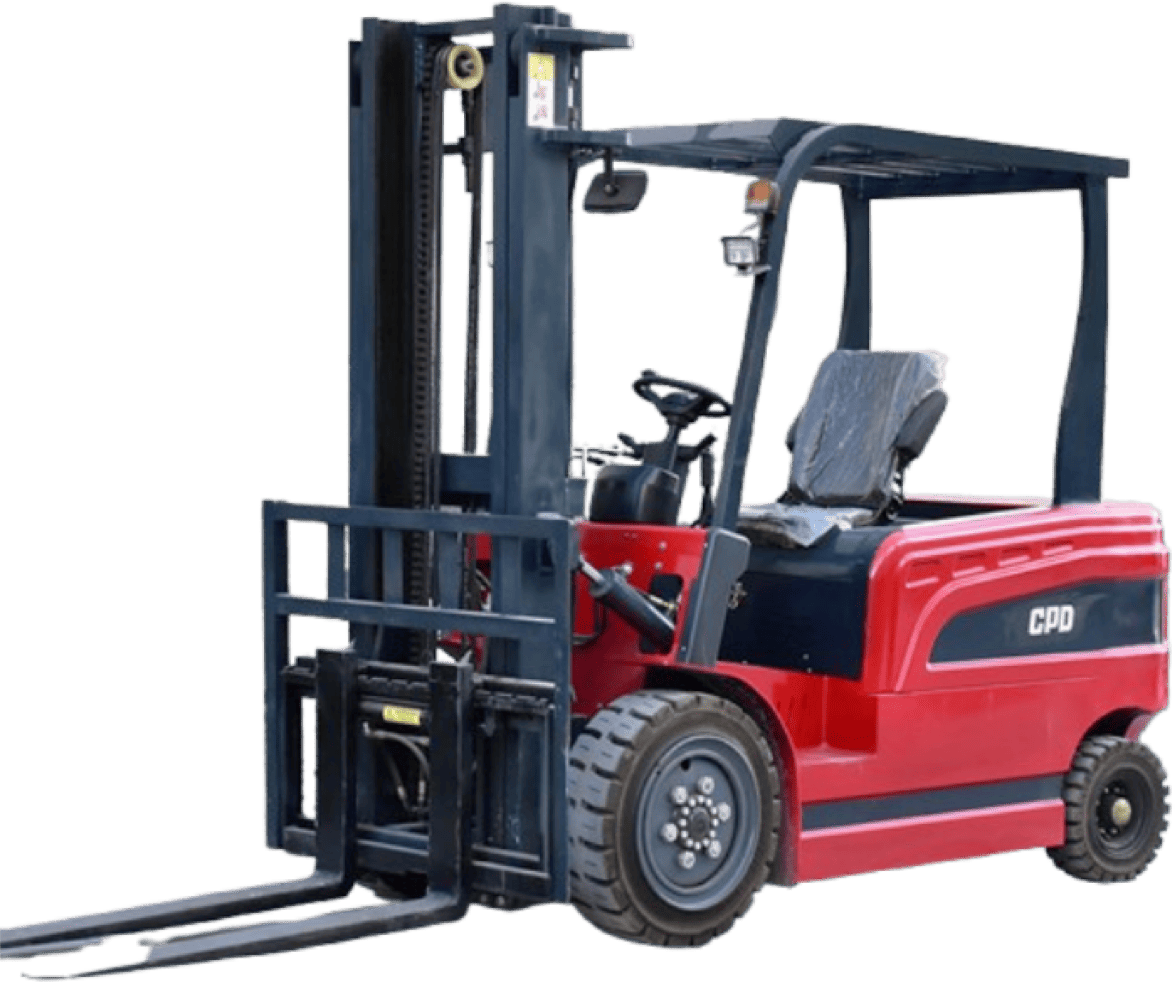
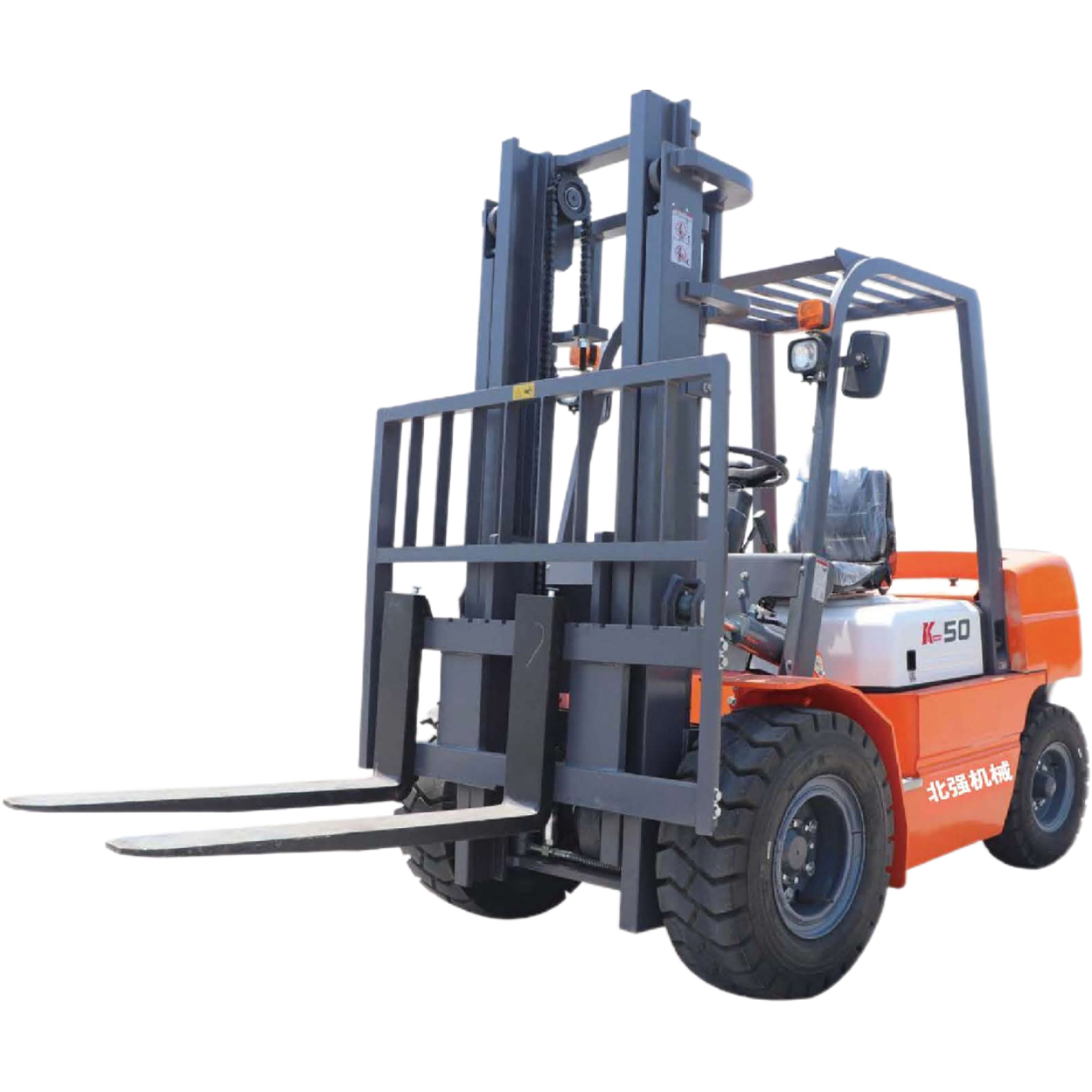
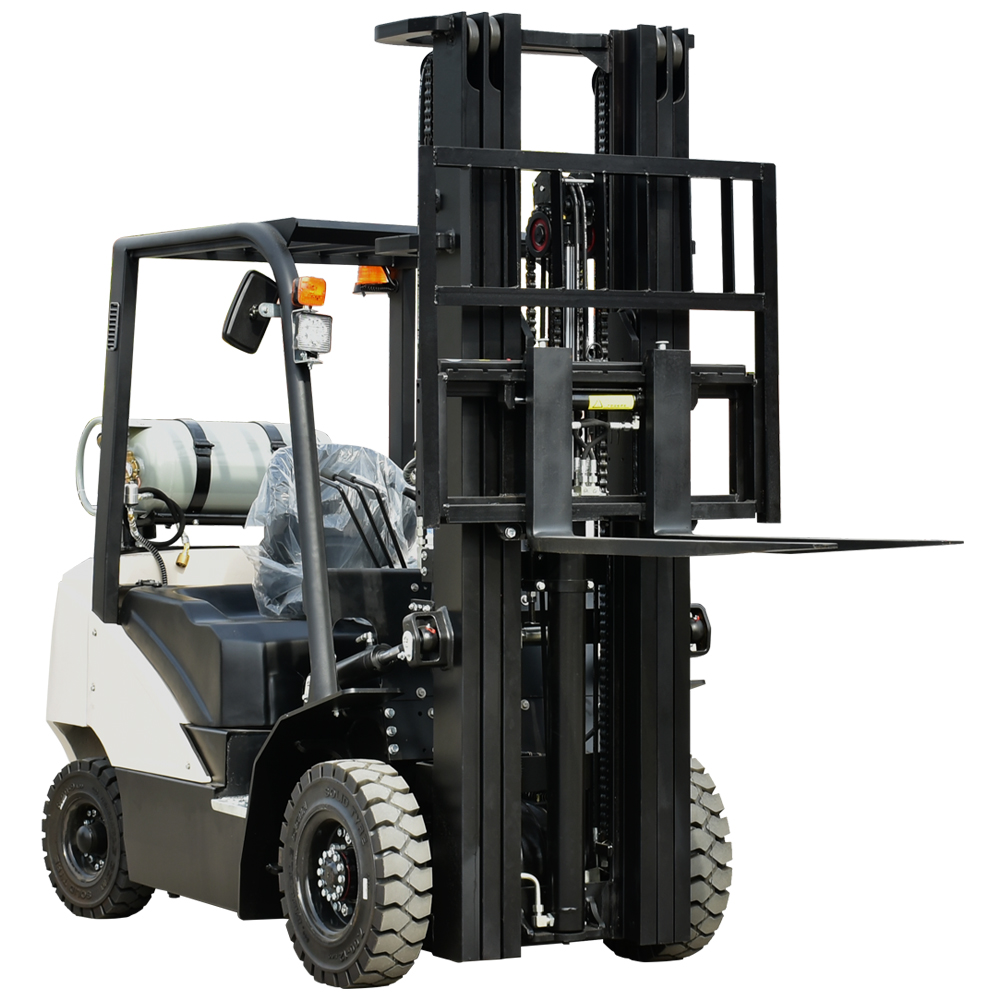
Counterbalance forklifts
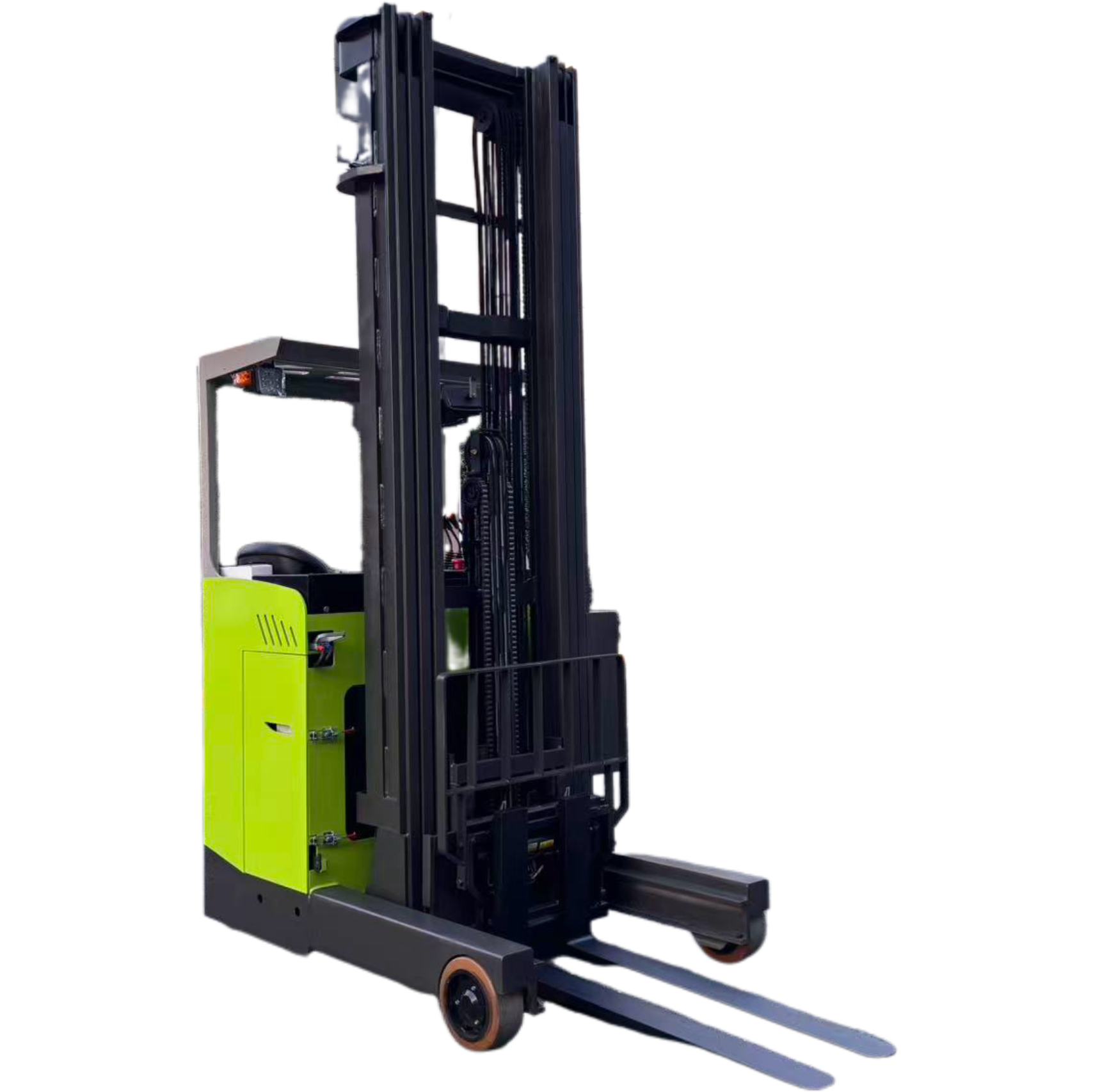
Reach trucks
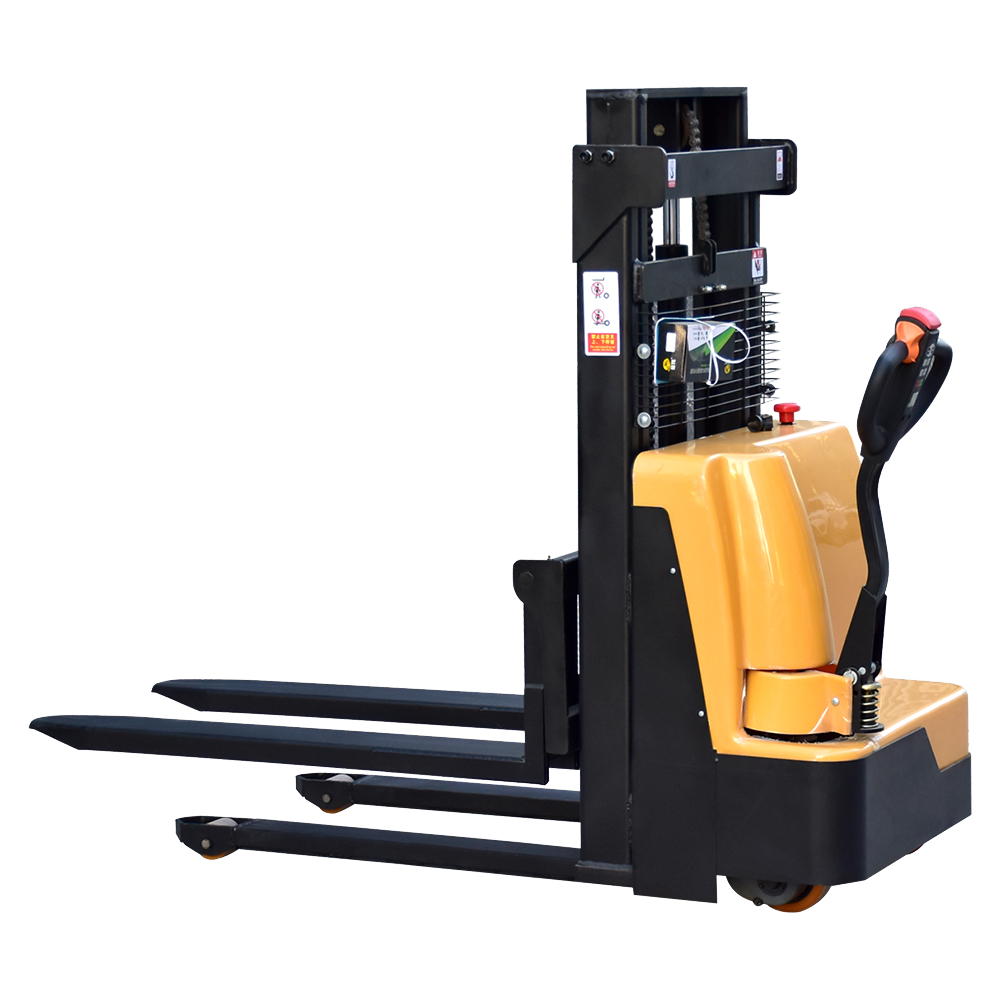
Pallet stackers
Rough terrain forklifts
Very narrow aisle (VNA) trucks
Each type has unique:
Stability characteristics
Control systems
Operating limitations
Operators must be trained specifically for the forklift types they use.
7. Refresher Training and Re-Certification
Forklift training is not a one-time event.
When Refresher Training Is Required
After an accident or near-miss
If unsafe behavior is observed
When new equipment is introduced
When workplace conditions change
Refresher training reinforces safe habits and keeps operators up to date.
8. The Role of Technology in Forklift Training
Technology is transforming how forklift training is delivered.
Modern Training Tools
E-learning platforms
Virtual reality (VR) simulators
Telematics-based behavior monitoring
Digital testing and certification records
These tools improve training consistency and allow companies to track operator performance more effectively.
9. Benefits of Effective Forklift Training Programs
Improved Safety
Fewer accidents and injuries
Reduced damage to goods and infrastructure
Higher Productivity
Smoother operations
Faster load handling
Less downtime
Lower Costs
Reduced repair and insurance costs
Fewer regulatory penalties
Stronger Safety Culture
Increased employee confidence
Higher morale and engagement
Training delivers value far beyond compliance.
10. Common Mistakes in Forklift Training
Many companies undermine training effectiveness by:
Treating training as a checkbox exercise
Relying only on classroom instruction
Skipping practical evaluations
Failing to document certification
Avoiding these mistakes ensures training delivers real safety improvements.
11. Best Practices for Forklift Operator Training
Develop a Structured Program
Define training objectives
Standardize evaluation criteria
Document all training activities
Use Qualified Instructors
Certified trainers
Experienced operators
Safety professionals
Encourage Continuous Improvement
Analyze accident data
Update training content
Involve operators in safety discussions
Training should evolve with operations.
12. Forklift Training as a Competitive Advantage
Companies that invest in training often experience:
Higher operational reliability
Better compliance records
Stronger reputation with clients and partners
In high-risk industrial environments, well-trained operators are a strategic asset, not just a safety requirement.
Conclusion
Forklift operator training and certification are essential for safe, efficient, and compliant material handling operations. By combining theoretical education, hands-on practice, site-specific instruction, and ongoing evaluation, companies can significantly reduce accidents while improving productivity and workforce confidence.
In today’s industrial environment, forklift training is not simply a legal obligation—it is a cornerstone of operational excellence and long-term success.
Our manager will contact you shortly.
To contact you about our products and services.


Copyright © Xingtai Beiqiang Machinery Manufacturing Factory. 2025.
Technical support:Echola