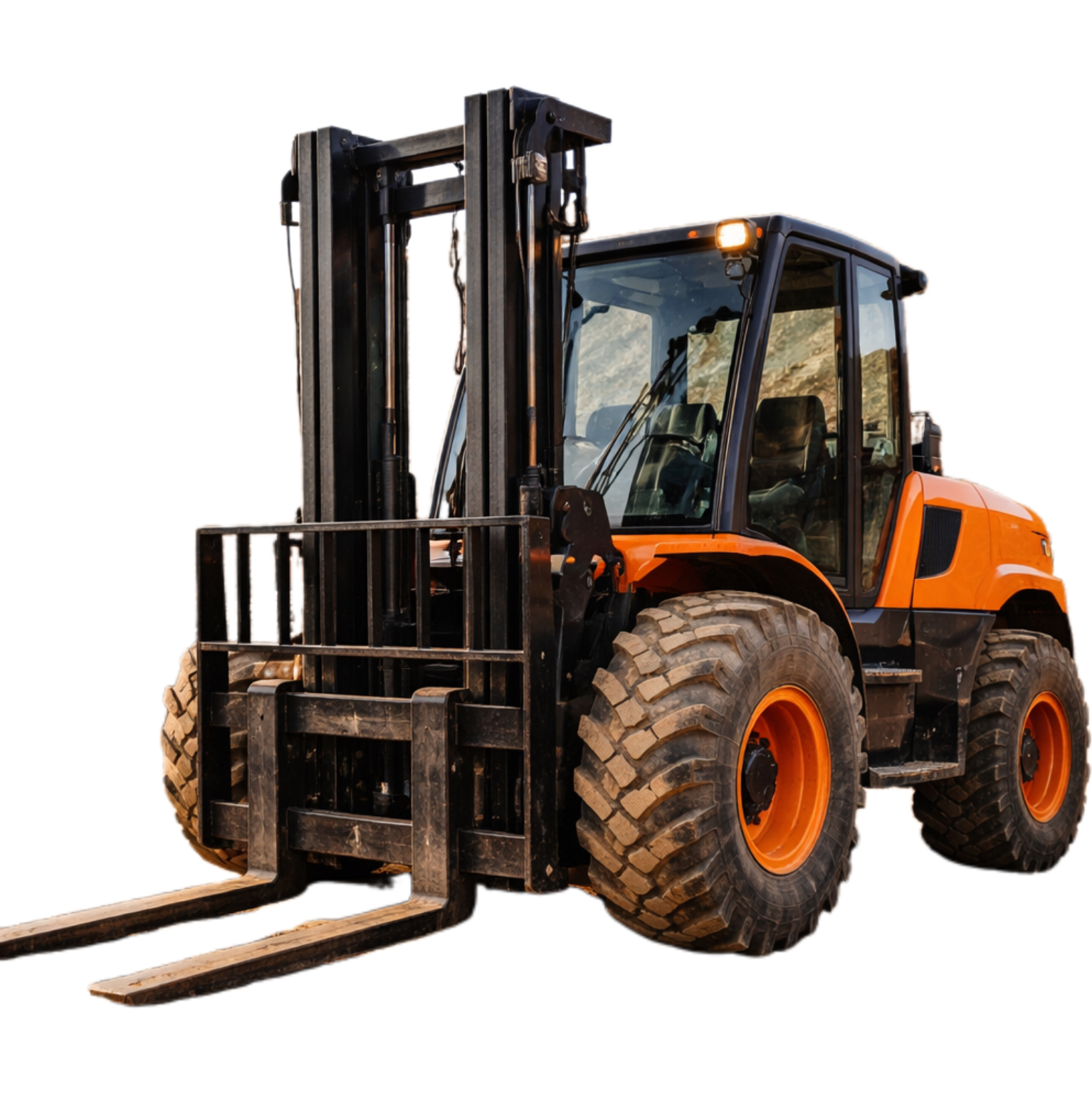


Forklift Attachments and Their Applications
How the Right Attachments Transform Forklifts into Multi-Functional Machines
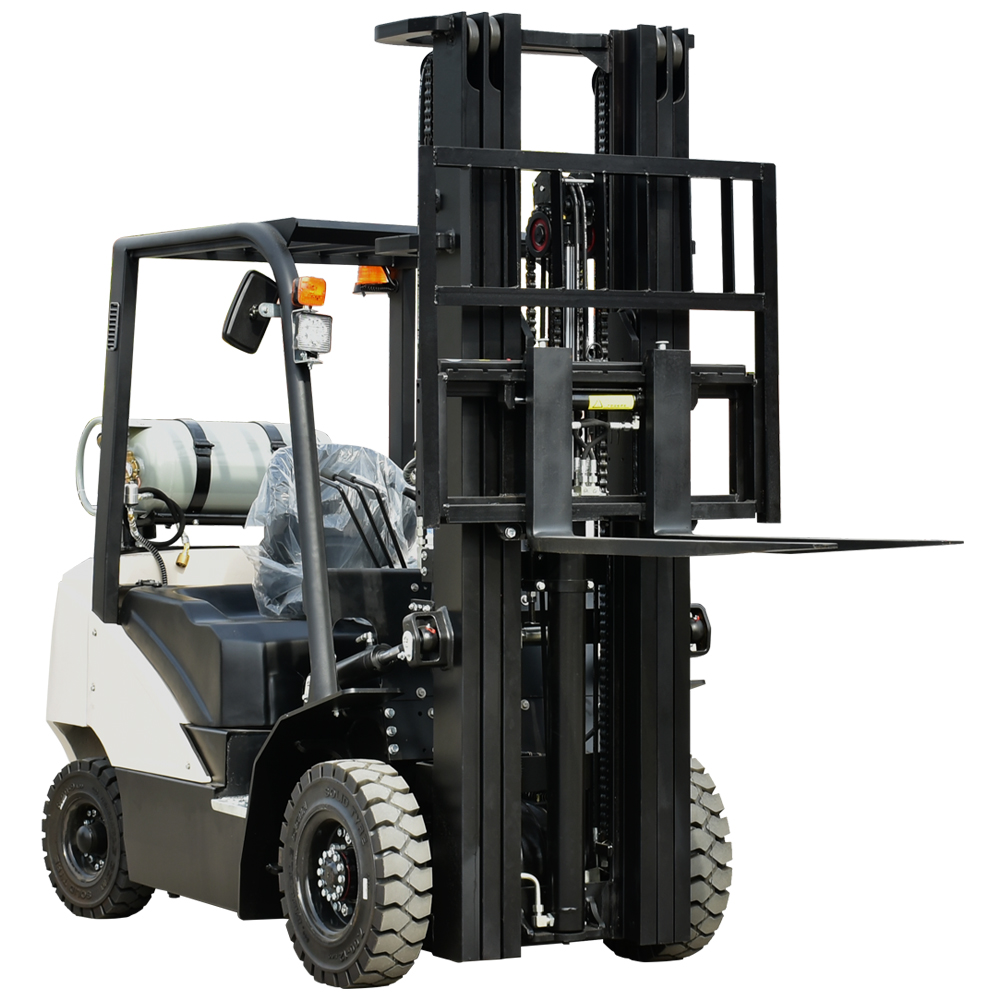
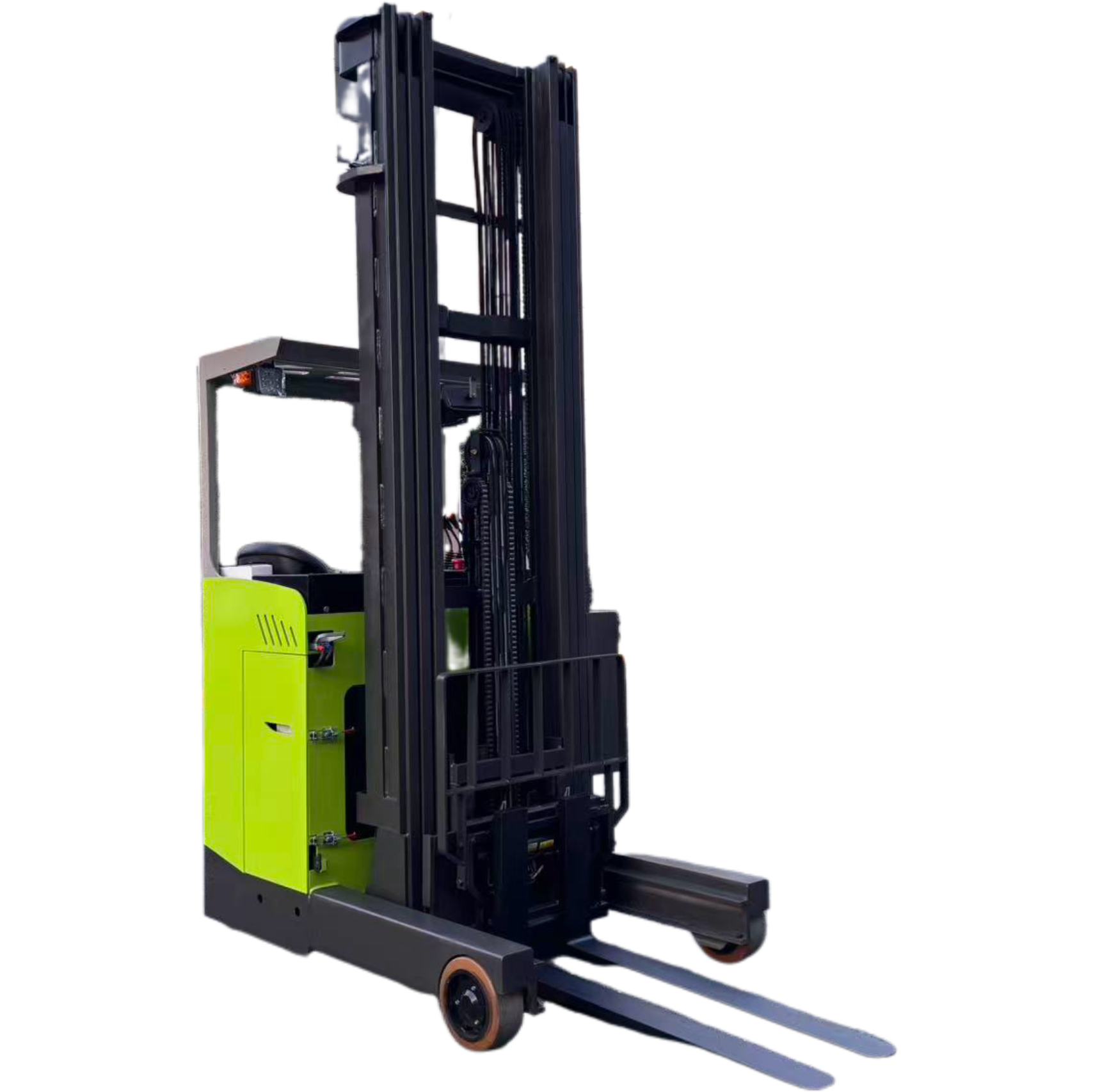
Forklifts are among the most versatile machines in industrial environments. However, their true flexibility comes not only from the base truck itself, but from the wide range of forklift attachments that can be installed to handle different materials and tasks.
By selecting the right attachments, companies can turn a standard forklift into a multi-purpose material handling solution, reducing the need for specialized equipment and improving overall operational efficiency.
This article provides a comprehensive overview of common forklift attachments, their applications, and how they add value across different industries.
1. What Are Forklift Attachments?
Forklift attachments are add-on devices mounted to the forklift’s carriage or forks to handle specific loads or perform specialized tasks.
Unlike standard forks, attachments allow forklifts to:
Handle non-palletized loads
Improve load stability
Increase safety
Expand operational capabilities
Attachments are widely used in manufacturing, warehousing, logistics, construction, ports, and recycling industries.
2. Why Forklift Attachments Matter
Operational Flexibility
Attachments enable one forklift to perform multiple tasks, reducing fleet size and capital expenditure.
Productivity Improvement
Specialized attachments speed up handling processes and reduce manual labor.
Safety Enhancement
Proper attachments reduce load shifting, falling goods, and operator strain.
Cost Efficiency
Instead of purchasing new equipment, attachments provide a cost-effective upgrade.
Choosing the right attachment is a strategic decision—not just a technical one.
3. Fork Positioners and Side Shifters
Fork Positioners
Fork positioners allow operators to adjust fork spacing hydraulically from the cab.
Applications:
Warehouses handling pallets of varying sizes
Distribution centers with mixed SKUs
Benefits:
Faster load handling
Reduced manual adjustment
Improved operator safety
Side Shifters
Side shifters enable lateral movement of the load without repositioning the forklift.
Applications:
Tight aisle operations
Truck and container loading
These attachments significantly improve precision and efficiency.
4. Clamps for Non-Palletized Loads
Clamps are among the most commonly used forklift attachments.
Paper Roll Clamps
Used extensively in:
Paper mills
Printing facilities
They allow forklifts to handle large paper rolls without pallets.
Carton and Bale Clamps
Used in:
Appliance manufacturing
Recycling facilities
Textile and cotton handling
Clamps reduce packaging damage and eliminate the need for pallets.
5. Rotators and Dumping Attachments
Fork Rotators
Rotators allow loads to be rotated up to 360 degrees.
Applications:
Food processing
Chemical handling
Waste management
Dump Hoppers
Dump hoppers are used to collect and dump loose materials.
Applications:
Manufacturing scrap handling
Recycling plants
These attachments support efficient bulk material handling.
6. Push-Pull Attachments
Push-pull attachments are designed for slip-sheet handling instead of pallets.
Key Applications
Beverage and food distribution
High-volume warehouses
Advantages
Reduced pallet costs
Improved trailer space utilization
Lower shipping weight
Push-pull systems are popular in operations focused on logistics cost optimization.
7. Drum and Barrel Handling Attachments
Drum handling attachments are used for cylindrical loads.
Types
Drum clamps
Drum rotators
Drum grabbers
Industries
Chemical manufacturing
Oil and lubricant handling
Pharmaceutical warehouses
These attachments improve safety when handling hazardous or liquid materials.
8. Extensions, Booms, and Lifting Jibs
Fork Extensions
Used to handle long or oversized loads.
Crane Booms and Jibs
Allow forklifts to lift loads vertically using hooks.
Applications:
Construction sites
Maintenance operations
Machinery installation
While versatile, these attachments require strict adherence to load capacity limits.
9. Attachments for Specialized Environments
Cold Storage Attachments
Designed to operate in low-temperature environments with specialized materials and seals.
Explosion-Proof Attachments
Used in hazardous areas such as:
Chemical plants
Oil and gas facilities
Heavy-Duty Attachments
For ports, steel mills, and concrete industries.
Specialized attachments ensure safety and durability in extreme conditions.
10. Impact of Attachments on Forklift Capacity
One critical consideration is that attachments affect forklift rated capacity.
Key Factors
Attachment weight
Load center shift
Hydraulic system capacity
Operators and managers must:
Recalculate effective load capacity
Update capacity nameplates
Provide additional training
Ignoring these factors can lead to tip-overs and equipment damage.
11. Choosing the Right Forklift Attachment
Evaluation Criteria
Load type and dimensions
Handling frequency
Operating environment
Forklift compatibility
Best Practices
Consult forklift manufacturers or attachment suppliers
Conduct on-site testing
Train operators thoroughly
The right attachment maximizes ROI and minimizes risk.
12. Cost and ROI Considerations
Although attachments add upfront cost, they often deliver strong returns by:
Reducing labor requirements
Increasing handling speed
Lowering damage rates
Eliminating the need for additional equipment
ROI is especially high in high-throughput or specialized handling operations.
Conclusion
Forklift attachments significantly expand the capabilities of standard forklifts, transforming them into highly adaptable material handling tools. From clamps and rotators to push-pull systems and drum handlers, the right attachments improve efficiency, safety, and cost control across a wide range of industries.
For modern warehouses and factories, investing in forklift attachments is a practical and strategic way to meet evolving operational demands without major equipment replacement. When selected and used correctly, attachments deliver lasting value throughout the forklift’s lifecycle.
Our manager will contact you shortly.
To contact you about our products and services.


Copyright © Xingtai Beiqiang Machinery Manufacturing Factory. 2025.
Technical support:Echola