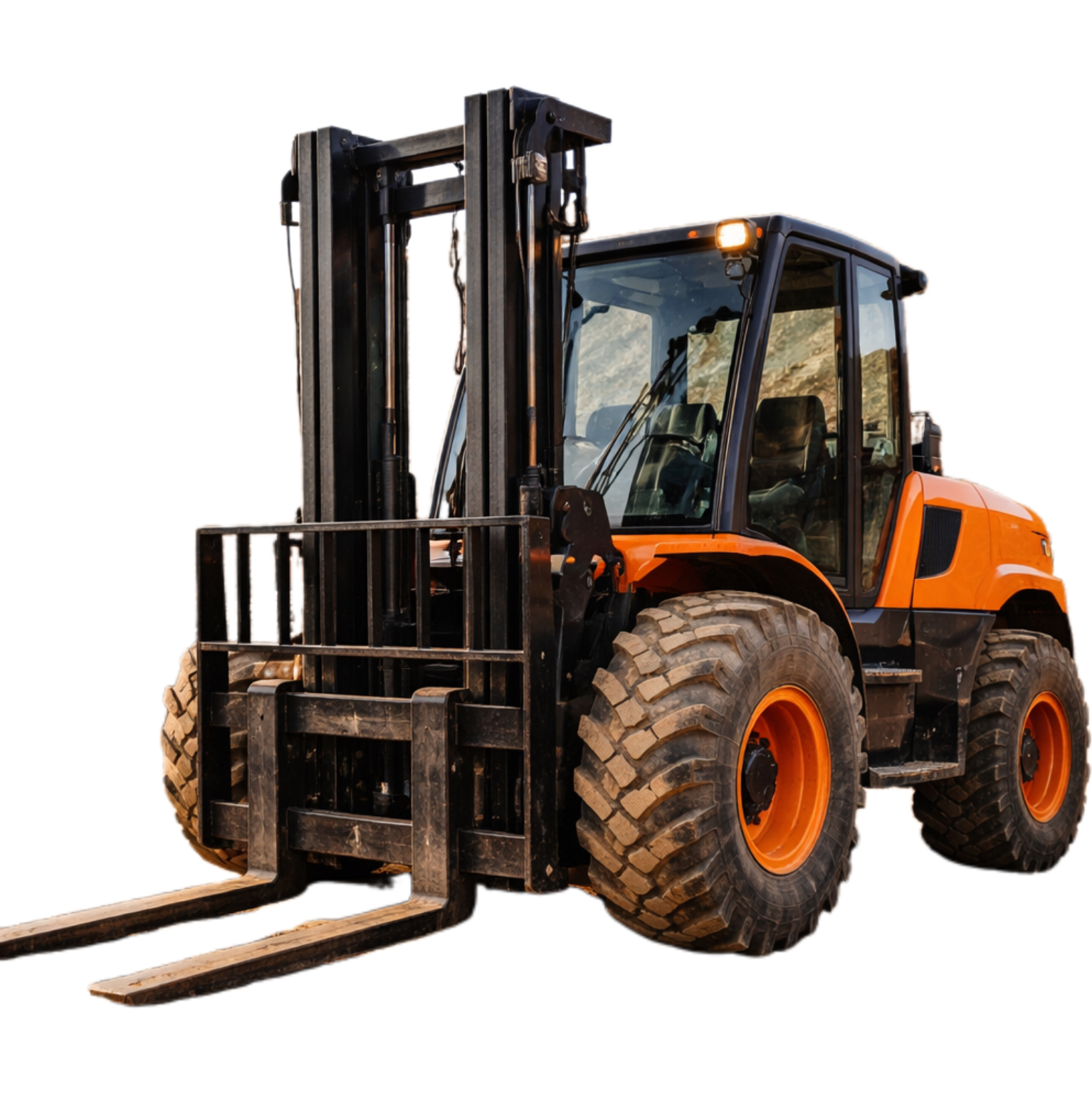


The Future of Forklifts: Trends Shaping Material Handling Equipment
How Innovation Is Transforming Industrial Material Handling
The material handling industry is undergoing a major transformation. Rising labor costs, sustainability requirements, safety regulations, and the growth of e-commerce are reshaping how goods are moved, stored, and distributed.
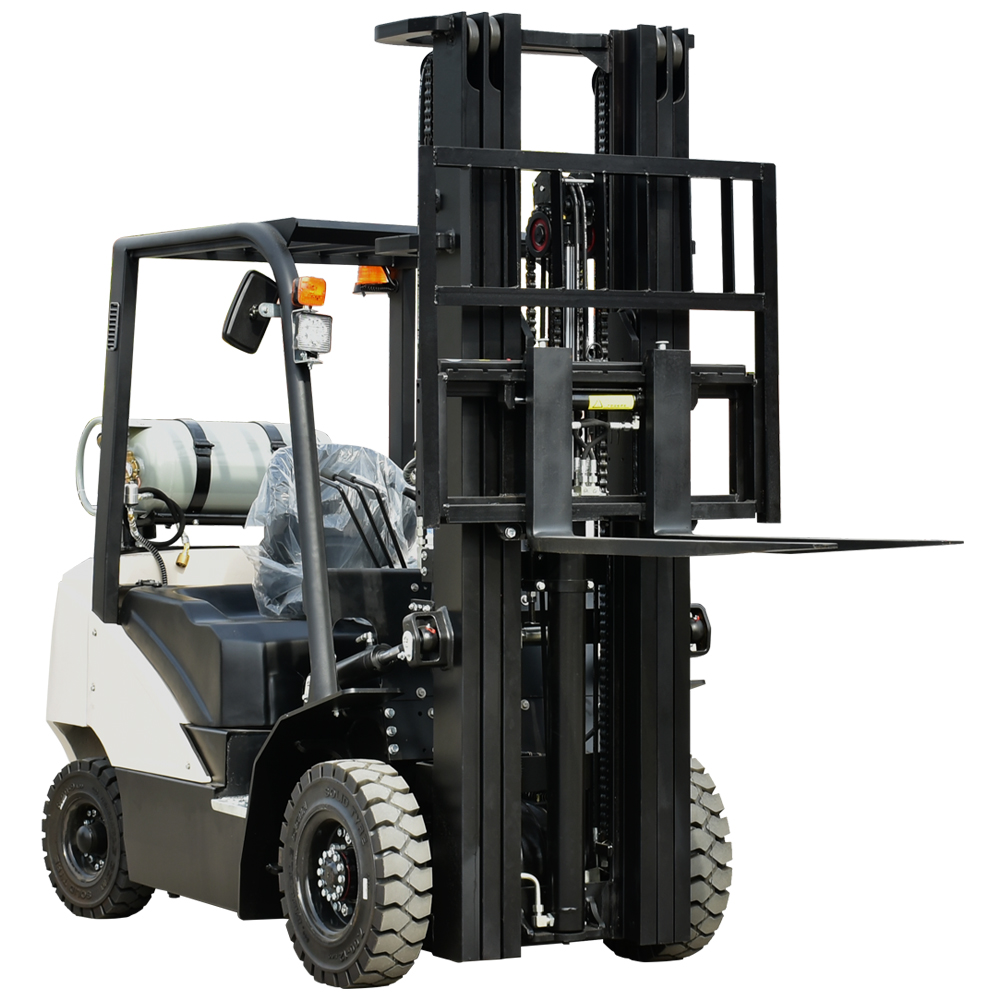
At the center of this transformation stands the forklift—a machine that has evolved far beyond its traditional mechanical role. Today, forklifts are becoming cleaner, smarter, safer, and increasingly autonomous.
This article explores the key trends shaping the future of forklifts and explains how these changes will impact warehouses, factories, and logistics operations worldwide.
1. Electrification as the Industry Standard
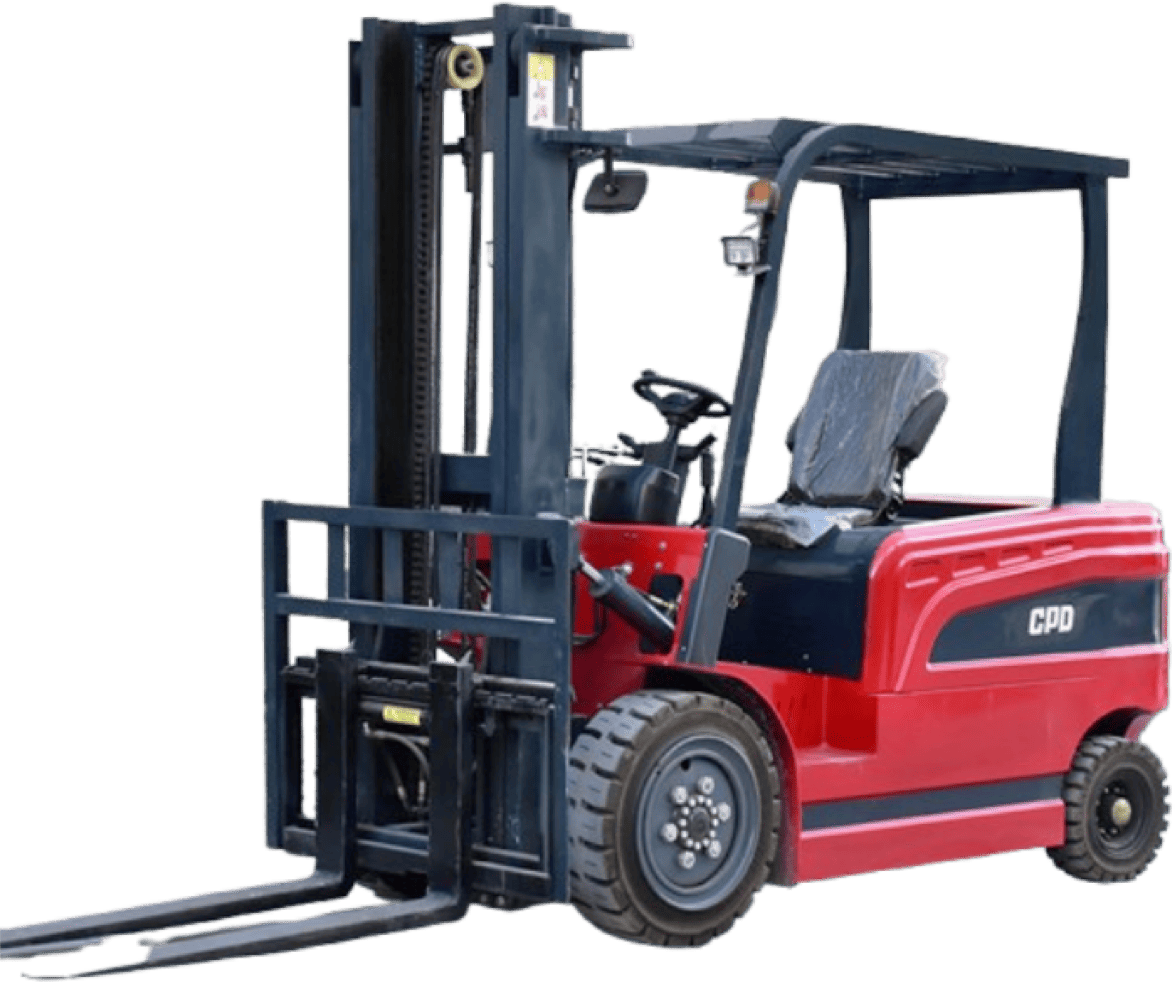
One of the most significant trends in forklift development is electrification.
Why Electric Forklifts Are Gaining Ground
Lower operating costs
Reduced emissions
Quieter operation
Fewer moving parts
Advances in battery technology, particularly lithium-ion batteries, have eliminated many limitations of traditional lead-acid systems, such as long charging times and frequent maintenance.
Impact on Operations
Electric forklifts are now viable for:
Multi-shift operations
Heavy-duty indoor applications
Environmentally regulated facilities
Electrification is rapidly becoming the default choice for modern warehouses.
2. Lithium-Ion Battery Adoption
Lithium-ion technology is transforming forklift energy management.
Key Advantages
Fast opportunity charging
Longer battery life
Consistent performance
No battery swapping
This enables more flexible warehouse layouts and reduces space dedicated to charging rooms.
Long-Term Value
Although initial costs are higher, lithium-ion batteries often deliver lower total cost of ownership (TCO) over the forklift’s lifespan.
3. Automation and Autonomous Forklifts
Automation is no longer limited to large-scale distribution centers.
Autonomous Forklift Capabilities
Self-navigation using sensors and maps
Automated pallet transport
Integration with WMS systems
Collision avoidance
Autonomous forklifts help address:
Labor shortages
Consistency and accuracy demands
24/7 operation requirements
Many facilities are adopting hybrid fleets, combining manual and autonomous forklifts.
4. Integration with Smart Warehouse Systems
Forklifts are becoming fully integrated components of digital warehouse ecosystems.
Connected Forklift Functions
Real-time task assignment
Fleet utilization tracking
Operator performance monitoring
Maintenance alerts
Integration with Warehouse Management Systems (WMS) allows forklifts to respond dynamically to operational needs, improving throughput and reducing errors.
5. Advanced Safety Technologies
Safety remains a top priority in forklift design.
Emerging Safety Features
Proximity sensors
Vision-based pedestrian detection
Automatic speed reduction
Impact detection and reporting
These technologies significantly reduce accidents, particularly in high-traffic environments.
Safety innovation is increasingly driven by data and automation rather than operator behavior alone.
6. Ergonomics and Operator-Centric Design
Forklift manufacturers are placing greater emphasis on operator comfort.
Ergonomic Improvements
Adjustable seating and controls
Improved visibility
Reduced vibration
User-friendly interfaces
Better ergonomics lead to:
Reduced fatigue
Higher productivity
Lower injury rates
Operator-focused design supports long-term workforce sustainability.
7. Sustainability and Environmental Compliance
Sustainability is no longer optional—it is a strategic requirement.
Environmental Trends
Zero-emission forklifts
Energy-efficient motors
Recyclable components
Compliance with global regulations
Many companies now evaluate forklifts based on their environmental footprint, not just performance.
8. Data-Driven Fleet Management
Data analytics is redefining how forklift fleets are managed.
Key Insights from Forklift Data
Utilization rates
Idle time
Energy consumption
Maintenance needs
Managers can optimize:
Fleet size
Shift planning
Equipment replacement cycles
Data-driven decisions lead to measurable cost savings and operational improvements.
9. Customization and Application-Specific Design
Forklifts are increasingly tailored to specific industries.
Examples
Cold storage forklifts
Explosion-proof forklifts
Heavy-load port forklifts
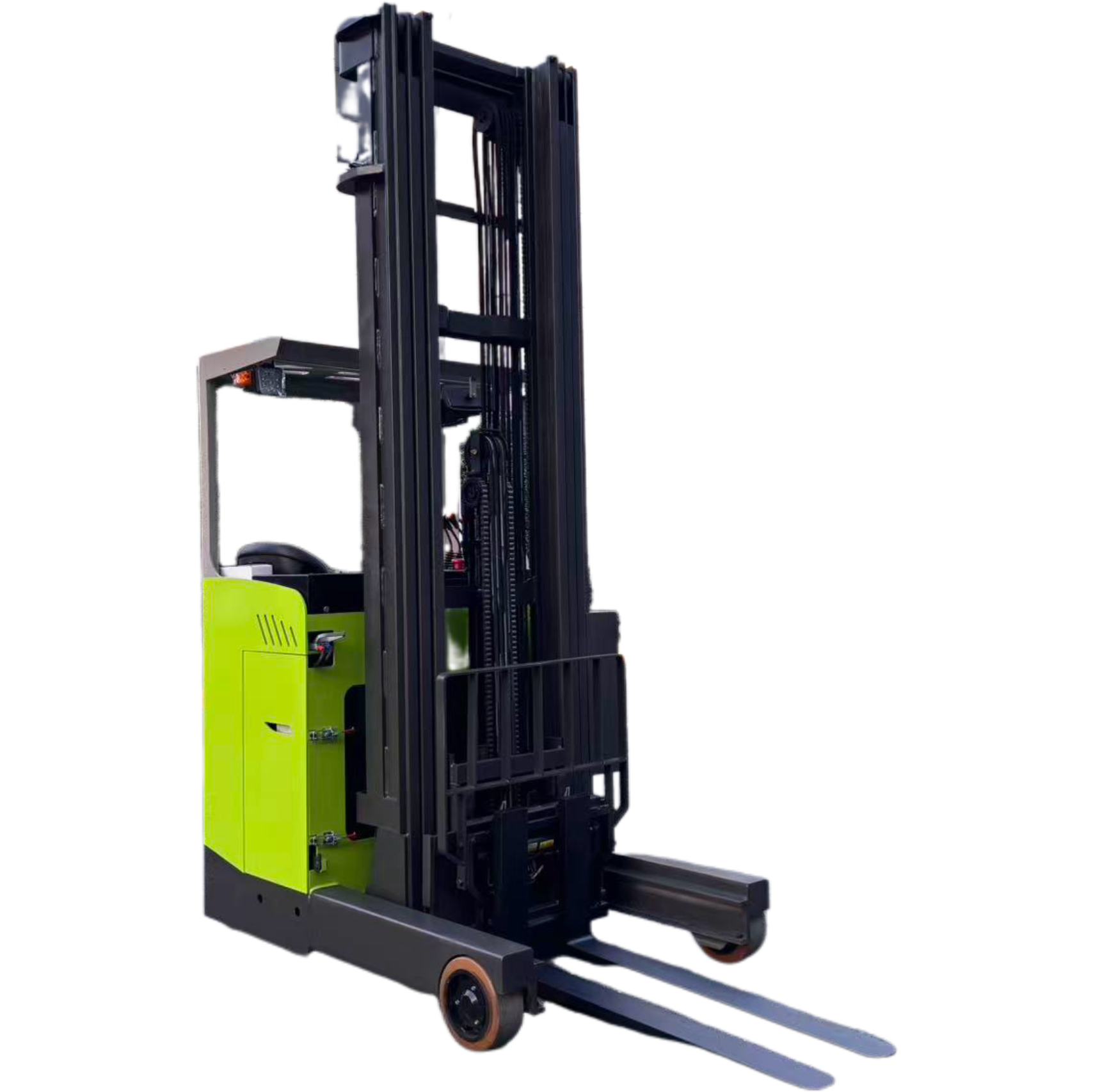
Narrow aisle warehouse forklifts
Customization ensures higher efficiency and safety in specialized environments.
10. The Role of AI and Machine Learning
Artificial intelligence is beginning to influence forklift operations.
AI Applications
Predictive maintenance
Route optimization
Operator behavior analysis
Demand forecasting
As AI capabilities mature, forklifts will become more adaptive and autonomous.
11. Challenges Facing the Forklift Industry
Despite rapid innovation, challenges remain:
High upfront costs
Integration complexity
Workforce training requirements
Cybersecurity concerns
Successful adoption requires careful planning and phased implementation.
Conclusion
The future of forklifts is defined by electrification, automation, digital integration, and sustainability. Forklifts are no longer simple lifting machines—they are intelligent, connected assets that play a strategic role in modern material handling systems.
Companies that understand and embrace these trends will gain a competitive advantage through improved efficiency, safety, and cost control. As warehouse and manufacturing environments continue to evolve, forklifts will remain at the core of industrial innovation.
Our manager will contact you shortly.
To contact you about our products and services.


Copyright © Xingtai Beiqiang Machinery Manufacturing Factory. 2025.
Technical support:Echola