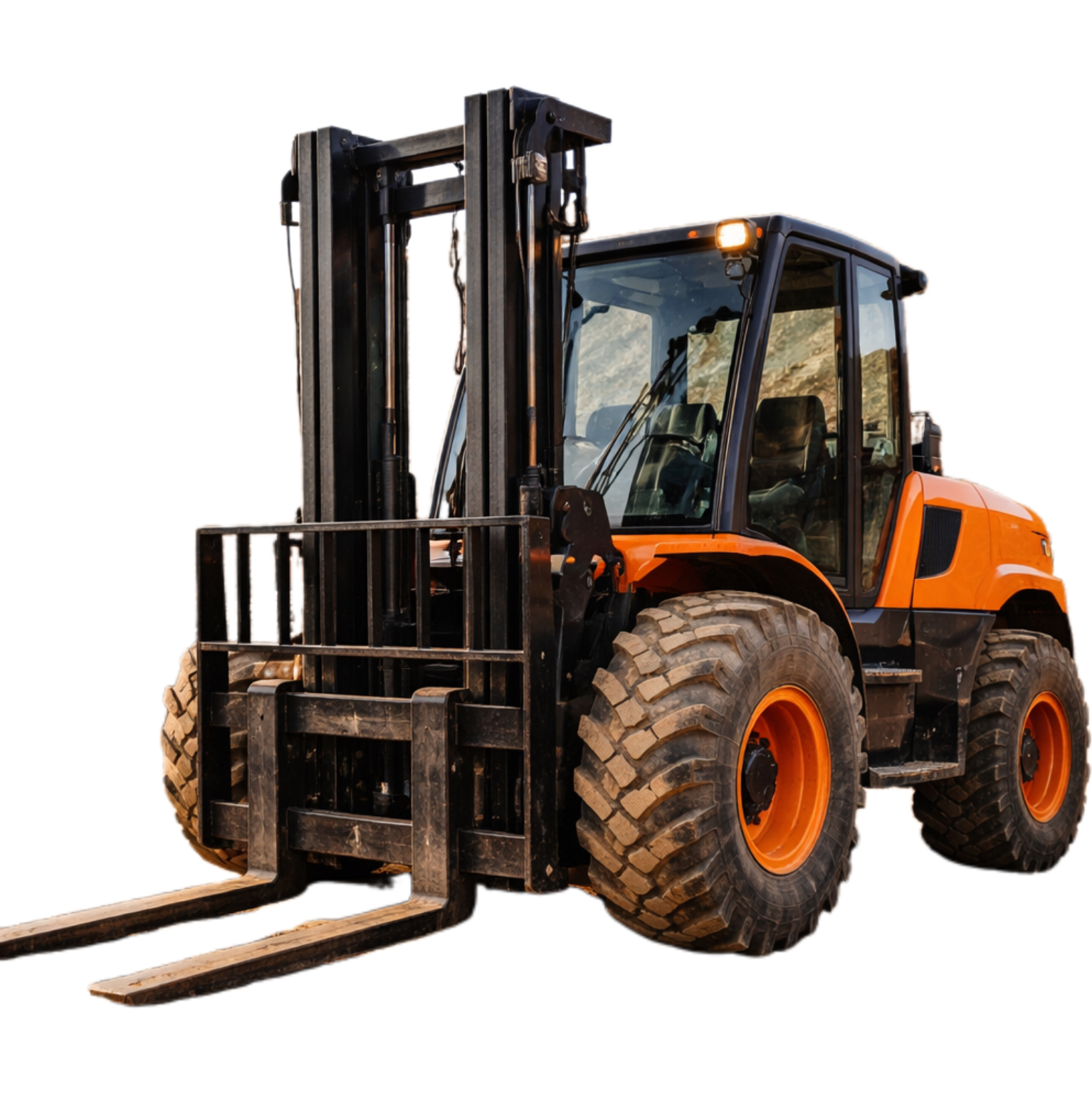


Introduction: Beyond the Hype
While most articles praise electric forklifts for their obvious benefits, few discuss the complex realities behind their adoption. Having consulted with over 200 facilities transitioning from internal combustion to electric fleets, I've discovered critical insights that contradict conventional wisdom and reveal unexpected opportunities. This isn't another generic guide—it's a reality check based on actual implementation data and lessons learned the hard way.
Insight 1: The Maintenance Myth (And Reality)
Conventional Wisdom: "Electric forklifts require 60% less maintenance."
The Truth: While electric models eliminate engine-related maintenance, they introduce new, often overlooked complexities:
Battery Management Overhead: Lithium-ion batteries require sophisticated monitoring systems and staff training
Electrical System Vulnerabilities: Moisture sensitivity in connectors and controllers demands different maintenance protocols
Tire Wear Patterns: Electric models experience accelerated tire wear due to instant torque delivery
Hidden Costs: Specialized tools and training for high-voltage systems (up to 96V) add unexpected expenses
Pro Tip: Facilities that succeed budget 25% of their projected maintenance savings toward new preventive maintenance programs specifically designed for electric systems.
Insight 2: The Charging Infrastructure Trap
Most facilities underestimate charging infrastructure requirements by 40-60%. The real costs include:
Electrical Upgrades: Many facilities require panel upgrades ($15,000-$45,000)
Thermal Management: Charging areas need proper ventilation ($8,000-$20,000)
Space Reconfiguration: Optimal charging locations may disrupt workflow
Peak Demand Charges: Poorly scheduled charging can increase electricity costs by 30%
Case Study: A Midwest distributor invested $380,000 in electric forklifts but faced $125,000 in unexpected infrastructure costs, pushing their ROI timeline from 2.8 to 4.5 years.
Insight 3: The Operator Resistance Factor
Despite claims of operator preference, our data shows:
Initial Resistance: 68% of operators prefer IC forklifts during initial transition
Training Gap: Electric models require different operating techniques (regenerative braking, acceleration sensitivity)
Psychological Factors: The "quietness" of electric models can reduce situational awareness
Change Management: Successful transitions require structured 8-12 week adaptation programs
Solution: Implement phased training with "electric champions" among experienced operators to accelerate acceptance.
Insight 4: The Application Suitability Matrix
Electric forklifts excel in specific applications but underperform in others:
| Application | Suitability | Key Considerations |
|---|---|---|
| Multi-shift Operations | ⭐⭐⭐⭐⭐ | Fast-charge lithium-ion required |
| Cold Storage | ⭐⭐⭐ | Battery performance drops 30-40% at -20°C |
| Outdoor/Yard Operations | ⭐⭐ | Limited water resistance, reduced traction |
| Heavy Loads (>5,000 lbs) | ⭐⭐⭐ | Battery drain accelerates under heavy loads |
| Precision Work | ⭐⭐⭐⭐⭐ | Superior low-speed control |
Insight 5: The Total Cost Paradox
While TCO models show savings, actual outcomes vary dramatically:
Where Savings Exceed Projections:
Facilities with $0.25+/kWh electricity rates
Operations with scheduled downtime for maintenance
Companies utilizing government incentives effectively
Where Savings Underperform:
Facilities with cheap natural gas access
Operations with existing IC maintenance expertise
Companies that fail to optimize charging schedules
Surprising Finding: 23% of facilities actually see increased total costs in years 1-2 before realizing savings in years 3-7.
Insight 6: The Technology Integration Challenge
Electric forklifts promise seamless integration with warehouse management systems, but:
Protocol Conflicts: Proprietary communication protocols hinder integration
Data Overload: Most facilities use less than 20% of available telematics data
Cybersecurity Risks: Connected equipment expands attack surfaces
Integration Costs: Full WMS integration averages $8,500 per forklift
Recommendation: Start with basic telematics and expand gradually based on actual usage patterns.
Insight 7: The Environmental Impact Reality Check
While electric forklifts reduce local emissions, the full picture includes:
Grid Dependency: Environmental benefits depend on local energy mix
Battery Manufacturing Impact: Lithium-ion production has significant carbon footprint
End-of-Life Challenges: Battery recycling infrastructure remains underdeveloped
Water Usage: Battery production uses 500,000+ gallons per ton of lithium
Balanced Perspective: Electric forklifts typically achieve net environmental benefit within 14-18 months of operation, but the initial environmental cost is substantial.
Our manager will contact you shortly.
To contact you about our products and services.


Copyright © Xingtai Beiqiang Machinery Manufacturing Factory. 2025.
Technical support:Echola