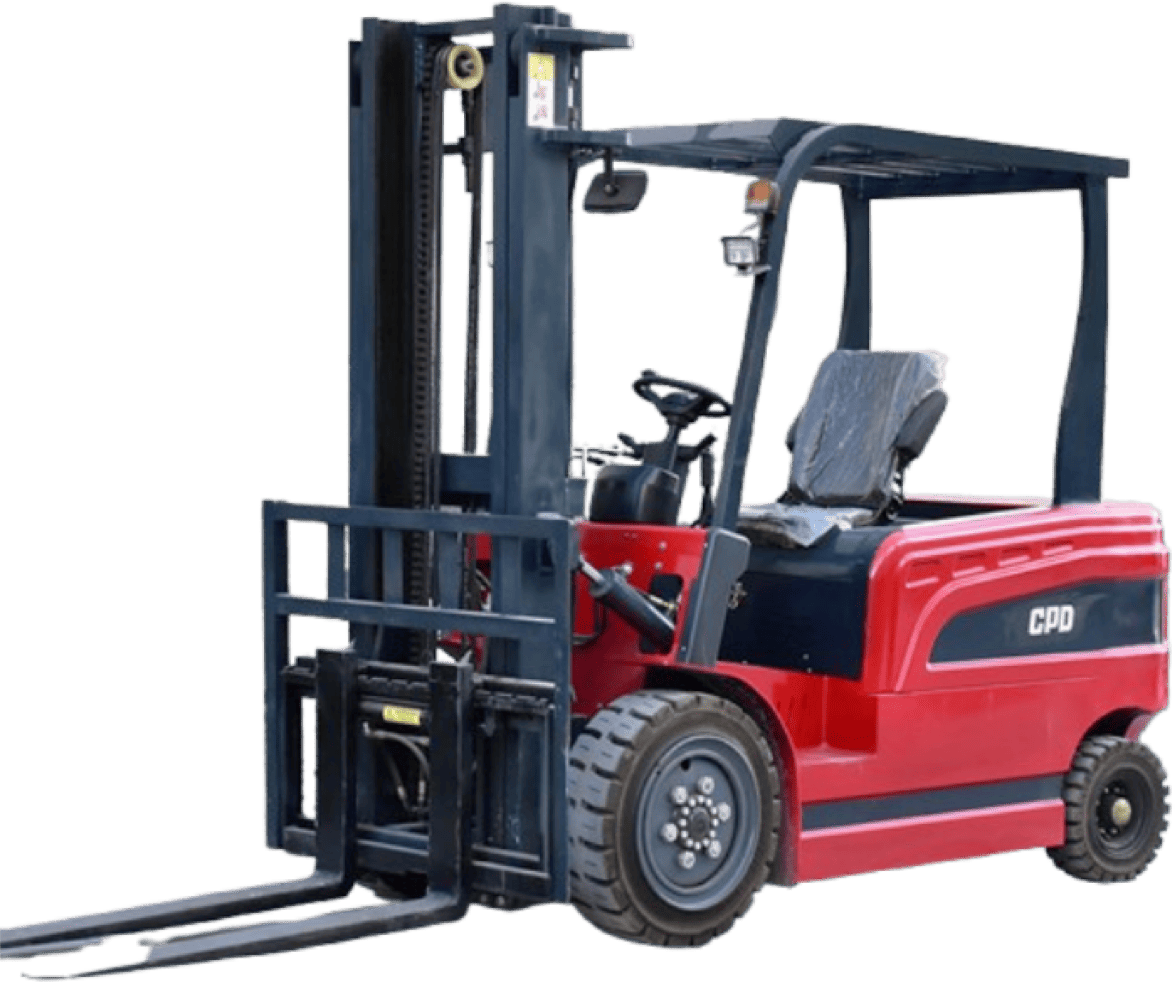
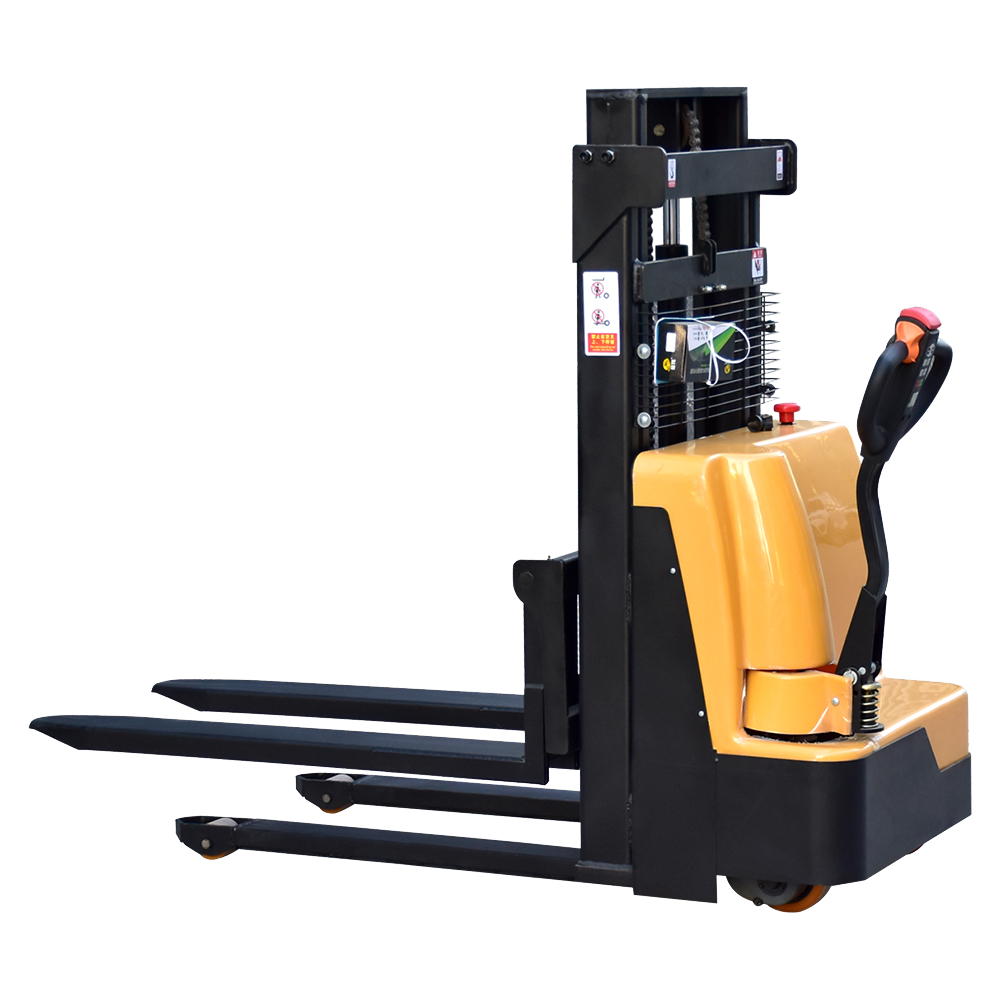
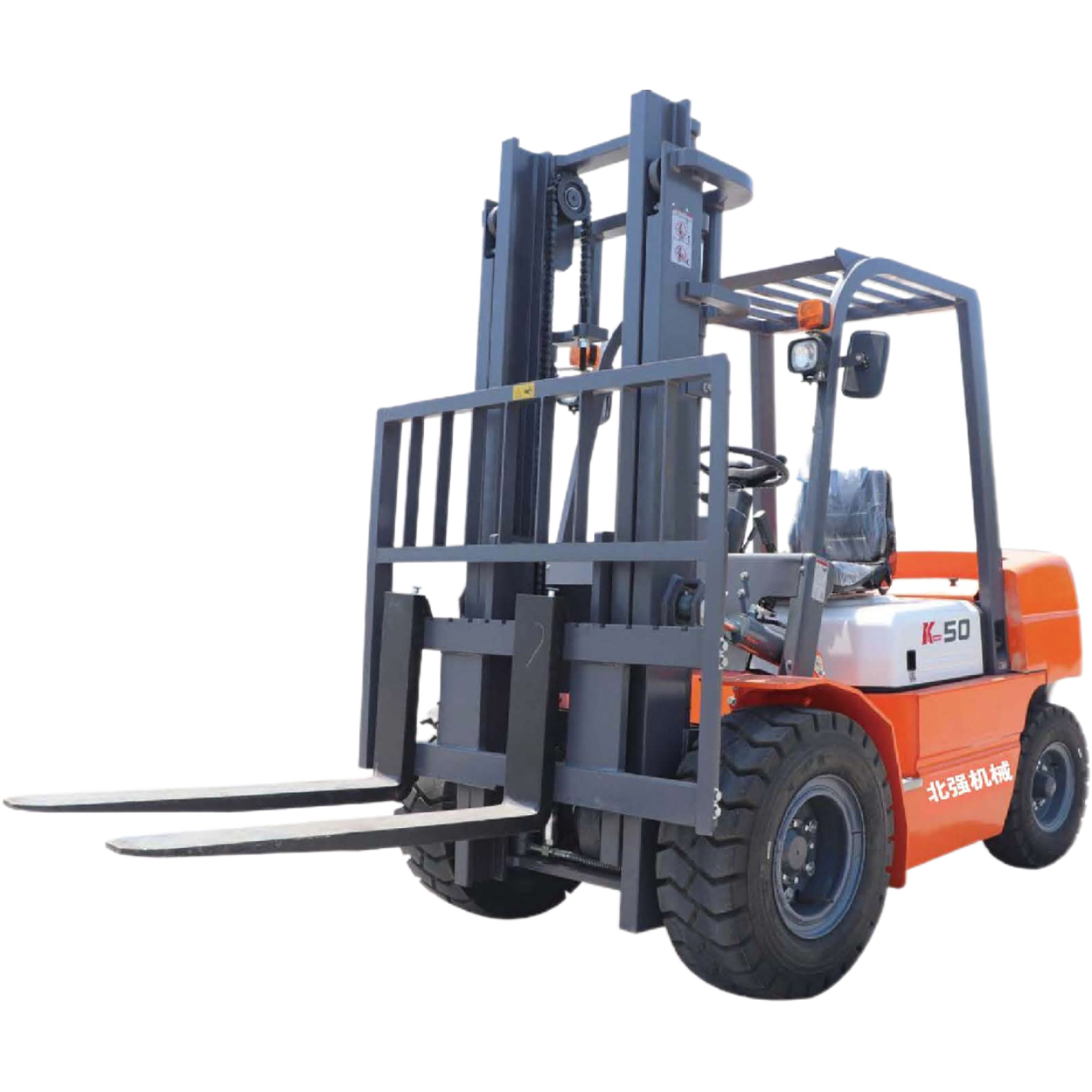
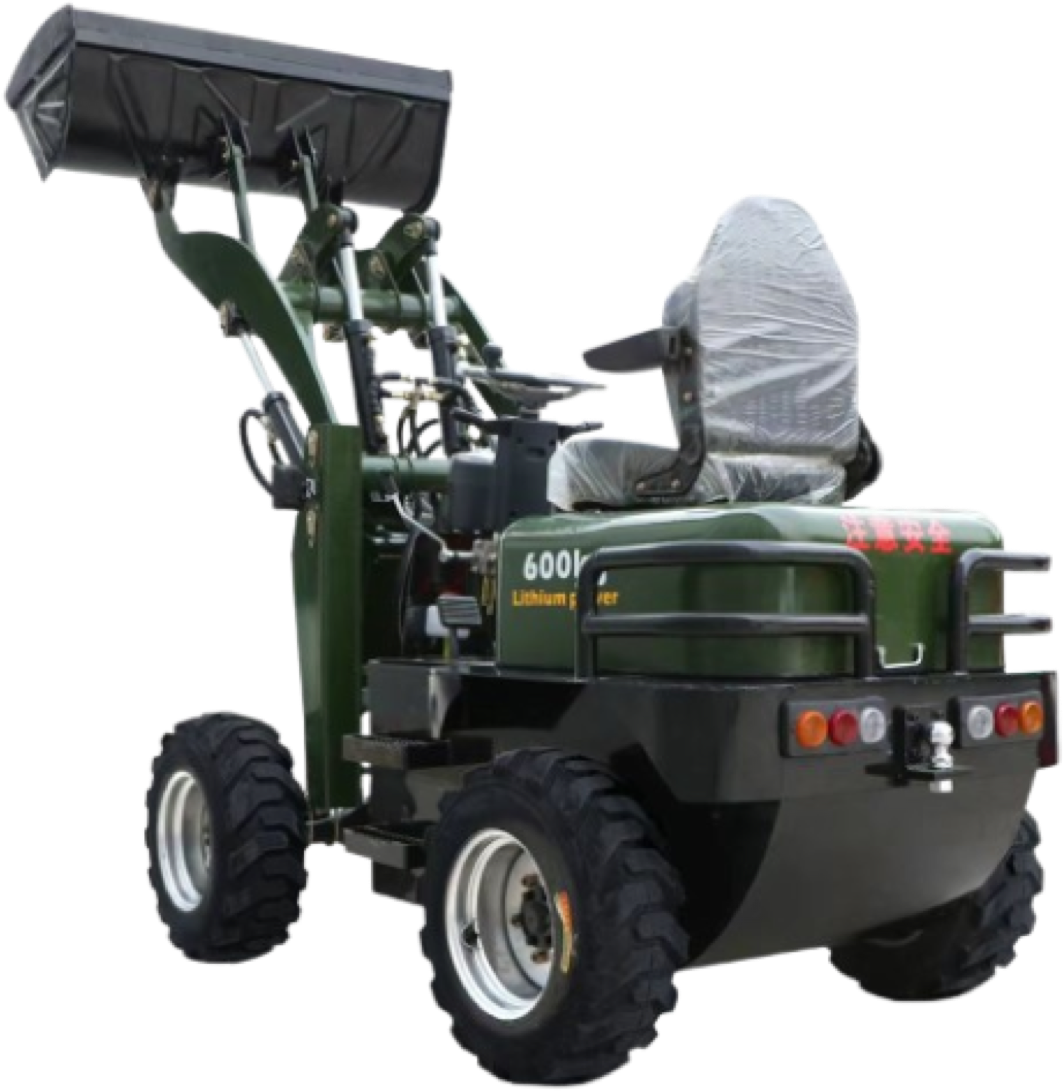
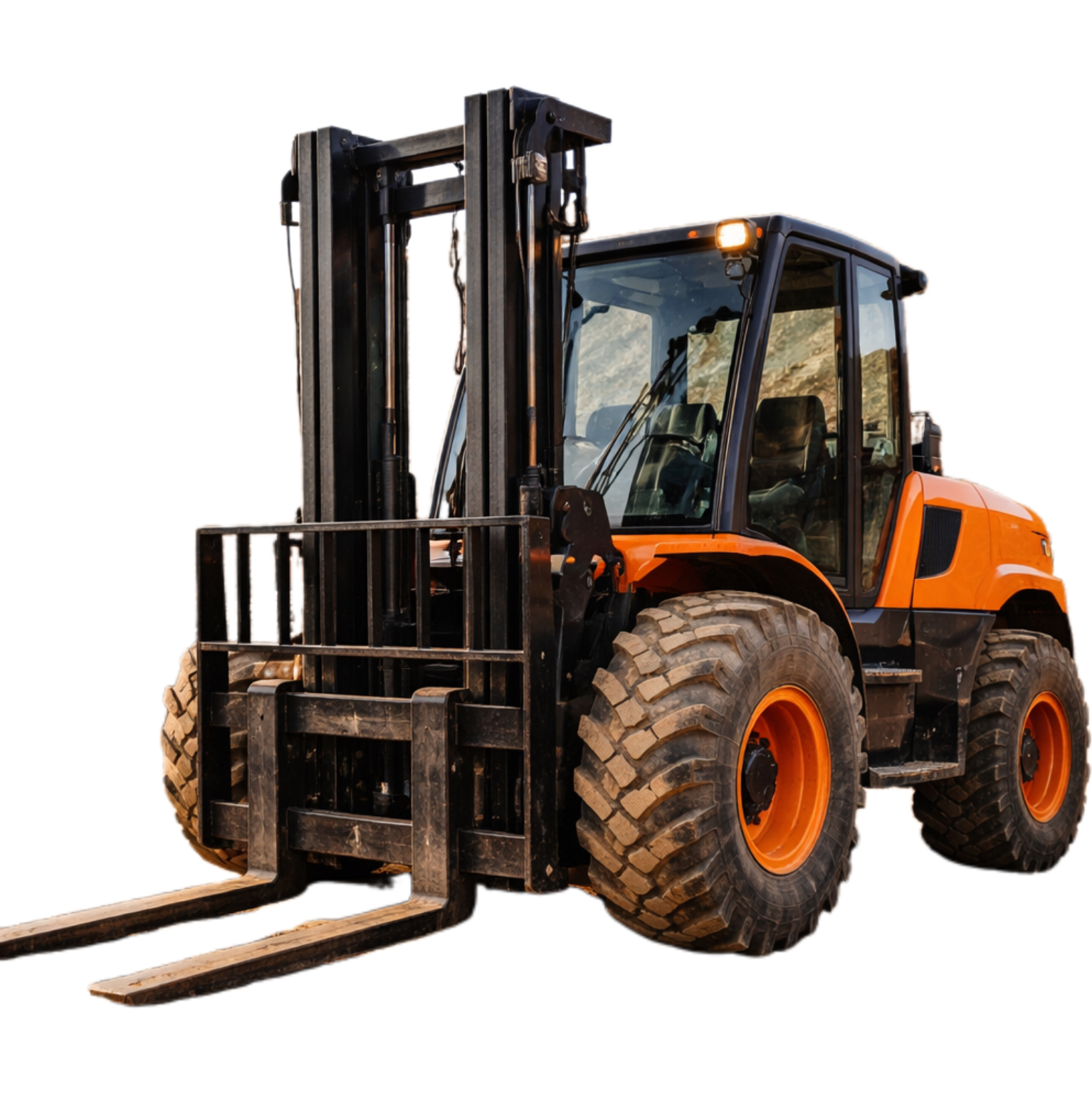


Executive Summary: The Strategic Imperative
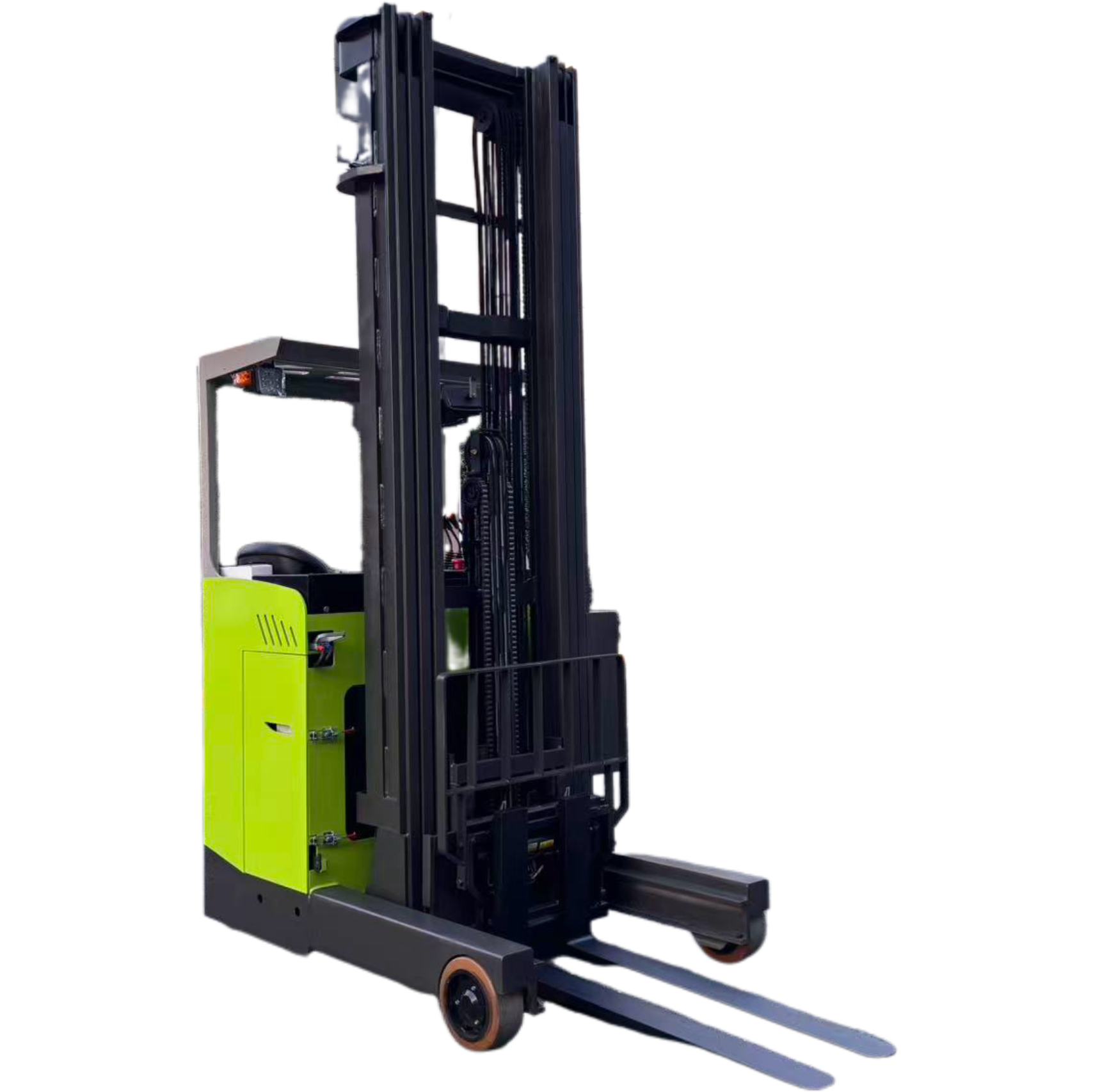
In the era of climate consciousness and digital transformation, electric forklifts have transcended their traditional role as mere material handling equipment. They now represent a critical pathway to operational excellence, serving as both economic accelerators and environmental enablers. This comprehensive analysis explores how electric forklifts deliver measurable value across financial, operational, and strategic dimensions while positioning organizations for Industry 4.0 integration.
1. The Total Value Proposition: Beyond Cost Savings
1.1 Lifecycle Economics: A New Financial Model
The economic case for electric forklifts extends far beyond simple fuel savings. A detailed Total Cost of Ownership (TCO) analysis reveals transformative financial advantages:
| Cost Category | Internal Combustion | Electric | Savings Advantage |
|---|---|---|---|
| Energy/Fuel | $4,500-$6,500/year | $1,200-$1,800/year | 65-75% lower |
| Maintenance | $2,500-$3,500/year | $800-$1,200/year | 60-70% reduction |
| Battery/Fuel Infrastructure | Moderate | Lower long-term | Simplified management |
| Regulatory Compliance | Increasing costs | Minimal | Future-proof |
| Productivity Impact | Standard | 15-25% higher | Measurable output gain |
1.2 The Hidden Value Drivers
Beyond direct costs, electric forklifts deliver substantial indirect value:
Reduced Facility Requirements: Elimination of ventilation systems for exhaust management
Lower Insurance Premiums: Enhanced safety profiles and reduced fire risk
Enhanced Workforce Attraction: Modern equipment improves employee satisfaction and retention
Brand Value Enhancement: Sustainability leadership strengthens market positioning
2. Technological Evolution: The Power Revolution
2.1 Battery Technologies Compared
Advanced Lithium-Ion Systems
Fast Charging Capability: 1-2 hour charging vs. 8+ hours for lead-acid
Opportunity Charging: Multiple partial charges without battery damage
Intelligent Management: Built-in Battery Management Systems (BMS) for optimal performance
Space Optimization: 30-40% smaller footprint than equivalent lead-acid systems
Temperature Resilience: Consistent performance from -20°C to 50°C
Next-Generation Developments
Solid-State Batteries: Enhanced safety and energy density
Ultra-Fast Charging: 15-minute full charge capabilities
Wireless Power Transfer: Automated charging during natural breaks
Second-Life Applications: Post-forklift use in stationary energy storage
2.2 Motor and Drive System Advancements
Modern electric forklifts feature:
Permanent Magnet Synchronous Motors: 95%+ efficiency with precise torque control
Regenerative Braking Systems: Energy recovery during deceleration
Intelligent Traction Control: Adaptive power distribution for varying surfaces
Silent Operation: Below 75 dB for improved work environments
3. Operational Excellence: Performance Metrics
3.1 Productivity Enhancement Factors
Acceleration Performance: 0-10 km/h in 3.5 seconds vs. 5+ seconds for IC models
Precision Control: Millimeter-level positioning accuracy
Continuous Operation: 24/7 capability with proper charging infrastructure
Reduced Downtime: 40-50% lower maintenance-related stoppages
3.2 Safety and Ergonomics
Zero Local Emissions: Elimination of CO, NOx, and particulate matter
Enhanced Visibility: Lower profiles and improved sightlines
Operator Comfort: Reduced vibration and noise levels
Intuitive Controls: Simplified interfaces with adaptive response
4. Integration with Smart Logistics Ecosystems
4.1 Data Connectivity Framework
Modern electric forklifts serve as intelligent nodes within connected operations:
| Data Stream | Application | Business Value |
|---|---|---|
| Battery Analytics | Predictive maintenance, charging optimization | 15-20% longer battery life |
| Usage Patterns | Fleet optimization, capacity planning | 20-30% improved asset utilization |
| Operator Behavior | Training enhancement, safety monitoring | 25-40% accident reduction |
| Energy Consumption | Cost allocation, efficiency benchmarking | 10-15% energy savings |
4.2 Automation Readiness
Electric platforms provide the foundation for:
Automated Guided Vehicles (AGVs): Seamless transition to autonomous operation
Fleet Management Integration: Centralized control through Warehouse Management Systems
Predictive Analytics: Machine learning algorithms for maintenance forecasting
IoT Ecosystem Integration: Compatibility with smart warehouse sensors and systems
5. Sustainability and Compliance Leadership
5.1 Environmental Impact Metrics
Carbon Footprint Reduction: Up to 90% lower emissions compared to diesel equivalents
Energy Efficiency: 80-90% conversion efficiency vs. 25-30% for internal combustion
Noise Pollution Reduction: 15-25 dB lower than comparable IC models
Heat Emission Reduction: Significantly lower thermal output in enclosed spaces
5.2 Regulatory Advantage
Indoor Air Quality Compliance: Meets stringent OSHA and EPA standards
Future Regulations: Prepared for evolving emissions requirements
Sustainability Reporting: Enhanced ESG metrics and reporting capability
Incentive Qualification: Eligibility for green energy grants and tax benefits
6. Implementation Strategy: A Phased Approach
6.1 Assessment and Planning Phase
Current State Analysis: Evaluate existing fleet composition and usage patterns
Infrastructure Audit: Assess electrical capacity and charging location requirements
Total Cost Modeling: Develop comprehensive 5-7 year financial projections
Stakeholder Alignment: Secure organizational buy-in across departments
6.2 Pilot Program Design
Select Diverse Applications: Test across different operational scenarios
Establish Metrics: Define success criteria and measurement protocols
Training Development: Create comprehensive operator and maintenance programs
Feedback Integration: Incorporate learnings into full-scale implementation
6.3 Full-Scale Deployment
Phased Transition: Gradual replacement prioritizing high-utilization units
Infrastructure Rollout: Strategic installation of charging stations
Process Integration: Update maintenance and operational procedures
Continuous Improvement: Regular performance reviews and optimization
7. Future Outlook: The Intelligent Evolution
7.1 Emerging Technologies
Autonomous Operation: Self-driving capabilities for routine material movement
Predictive Intelligence: AI-driven optimization of routes and scheduling
Energy Trading: Bidirectional charging and grid services participation
Modular Design: Rapid configuration changes for different applications
7.2 Market Transformation Drivers
Regulatory Acceleration: Global push toward zero-emission industrial equipment
Technology Cost Reduction: Continued decline in battery and component prices
Digital Integration: Growing demand for connected equipment ecosystems
Sustainability Mandates: Corporate carbon reduction commitments
8. Conclusion: The Strategic Imperative
The transition to electric forklifts represents one of the most compelling value-creation opportunities in modern industrial operations. Beyond the clear economic advantages, organizations gain:
Operational Resilience: Reduced dependency on volatile fuel markets
Strategic Positioning: Leadership in sustainable industrial practices
Future Readiness: Foundation for digital transformation and automation
Talent Attraction: Appeal to next-generation workforce expectations
Regulatory Foresight: Preparedness for evolving environmental standards
As battery technology continues to advance and charging infrastructure becomes more robust, the economic and operational case for electric forklifts grows increasingly compelling. Organizations that embrace this transition today position themselves not just for improved efficiency tomorrow, but for leadership in the sustainable, intelligent logistics ecosystems of the future.
The evolution from internal combustion to electric power represents more than equipment replacement—it signifies a fundamental transformation in how organizations approach material handling, energy management, and operational excellence. In the race toward sustainable industrial operations, electric forklifts are no longer optional equipment; they are essential tools for competitive advantage and responsible growth.
Our manager will contact you shortly.
To contact you about our products and services.


Copyright © Xingtai Beiqiang Machinery Manufacturing Factory. 2025.
Technical support:Echola