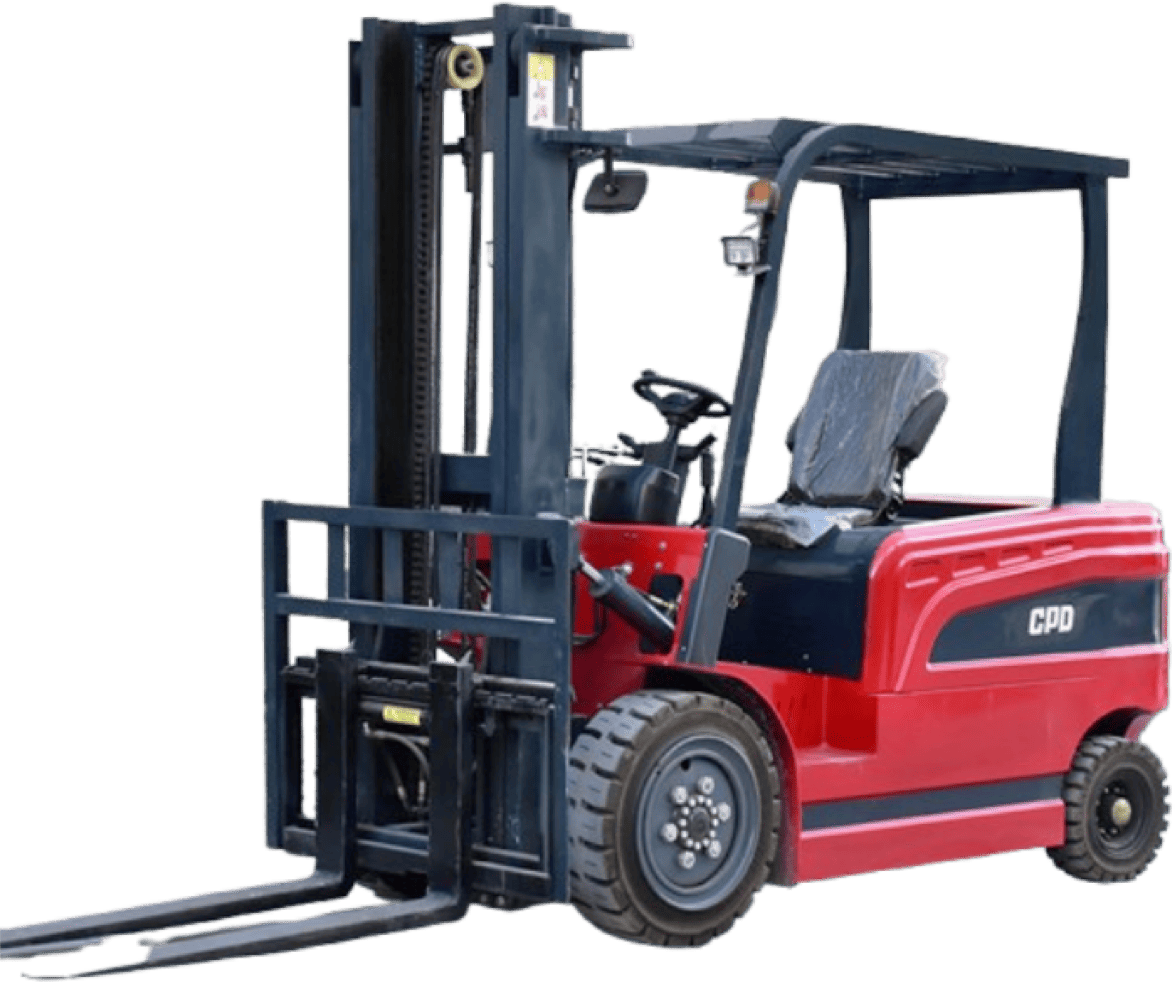
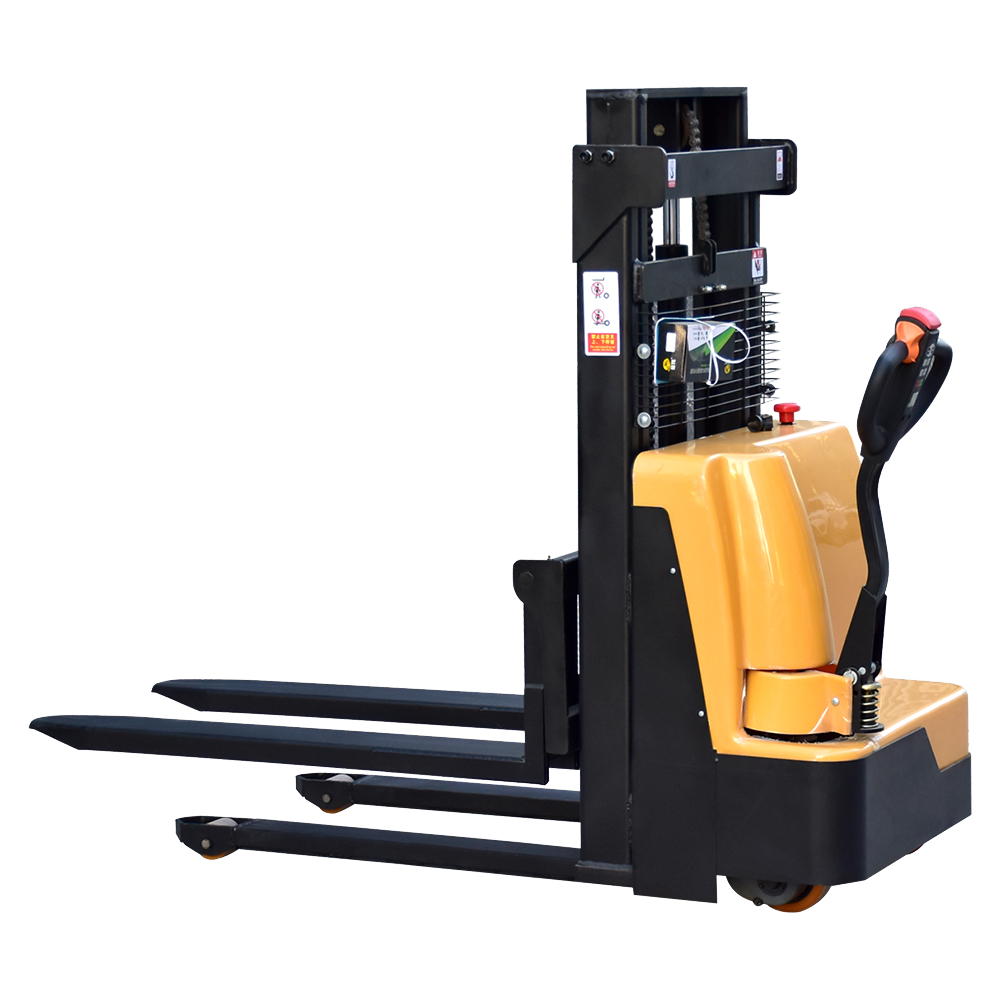
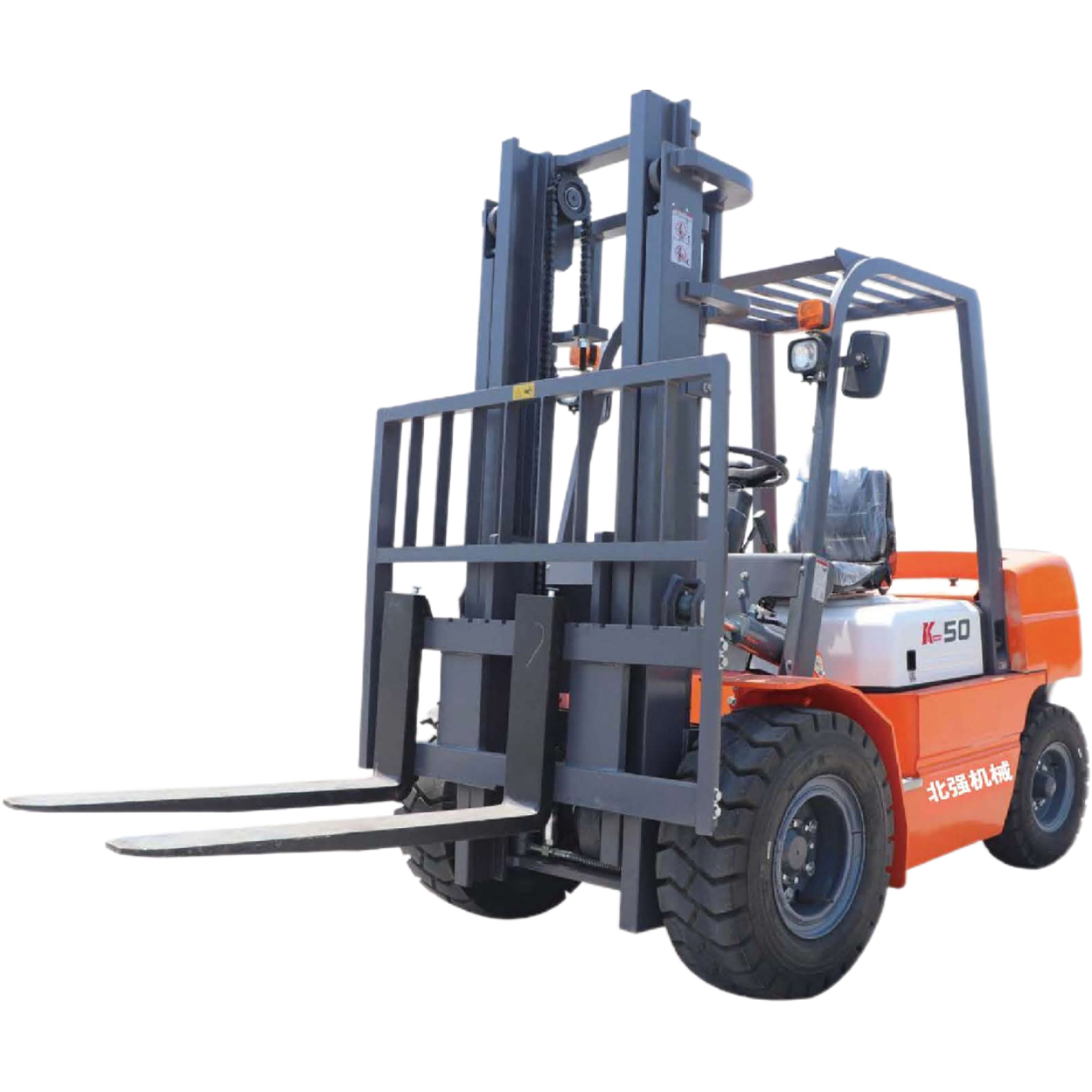
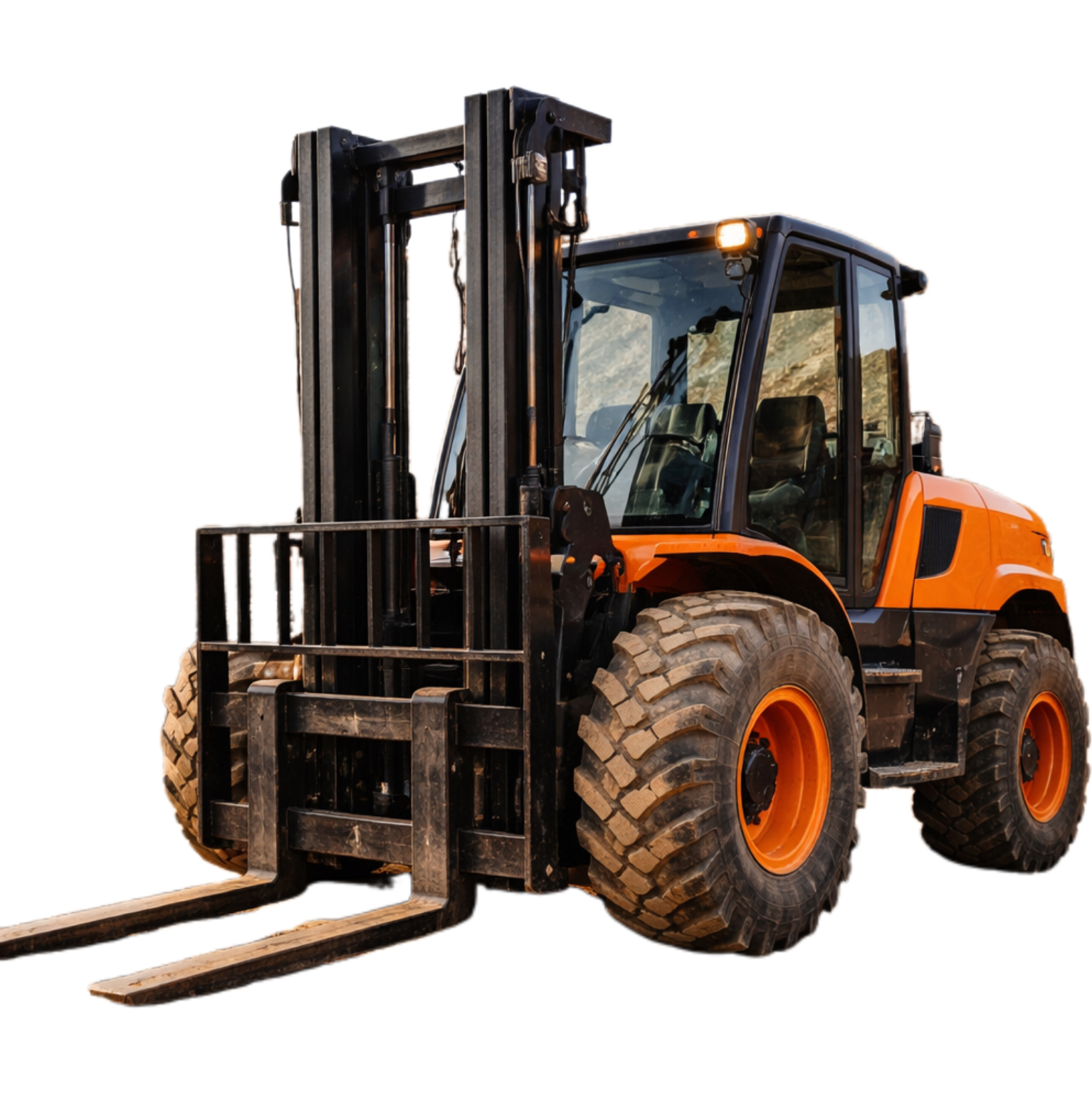


Introduction: The Quiet Revolution in Material Handling
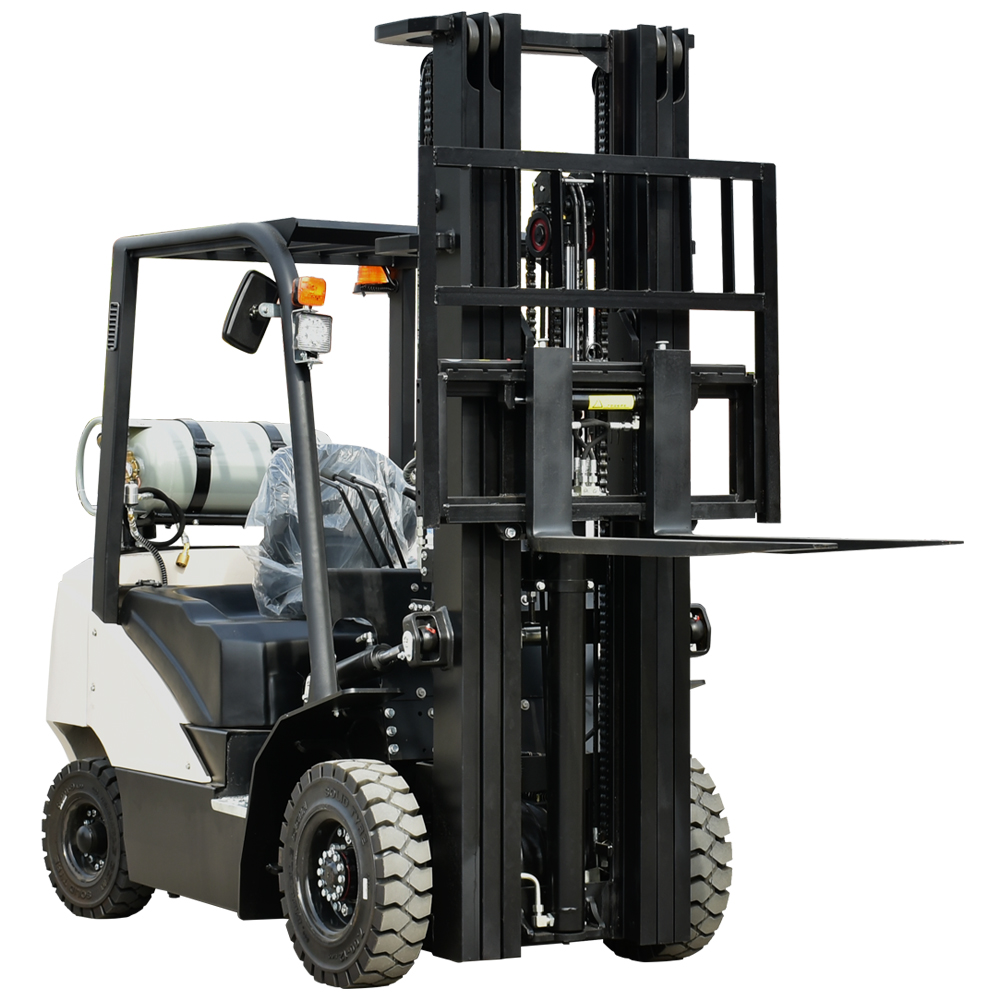
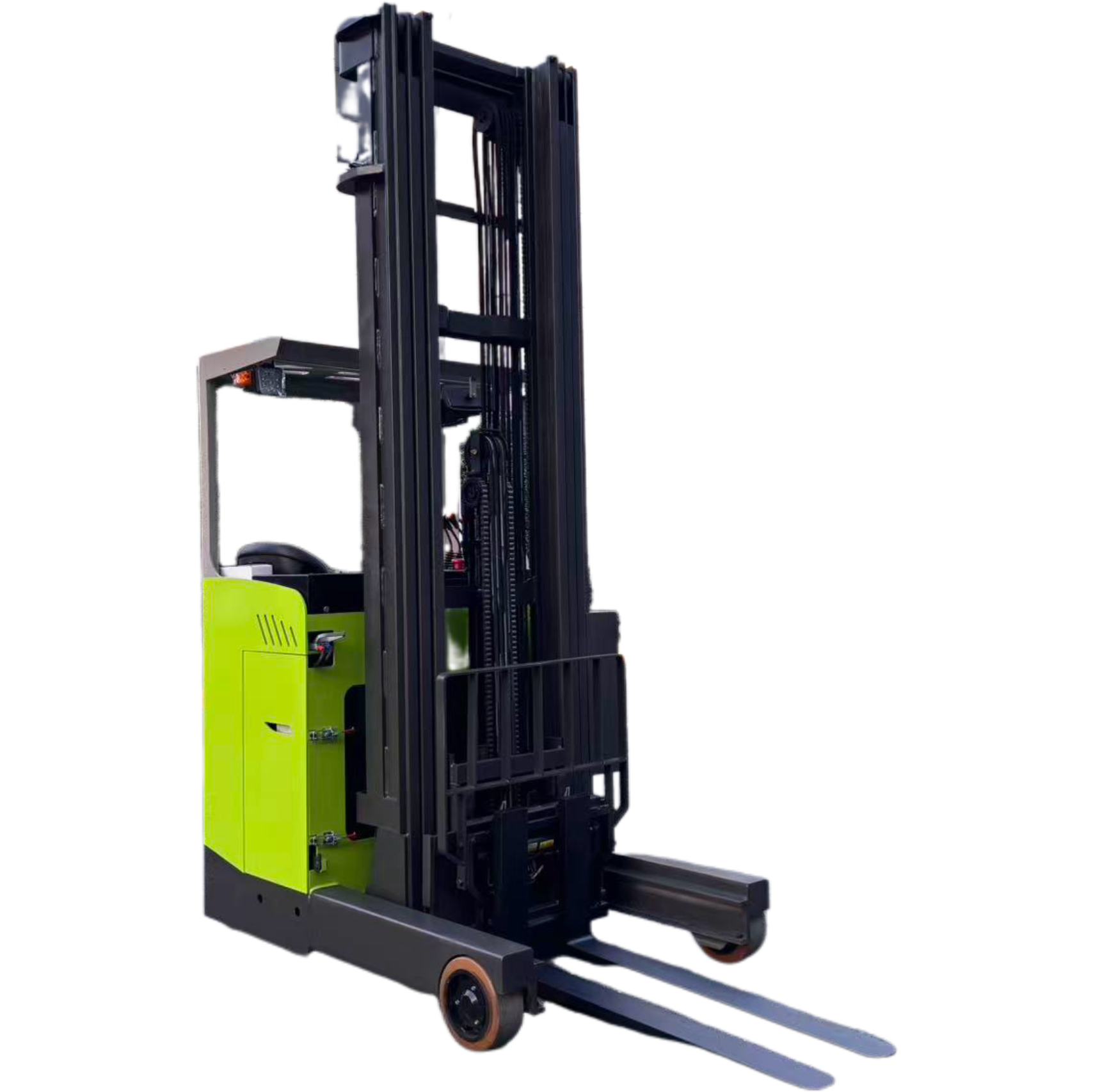
In today's fast-paced logistics and manufacturing sectors, a fundamental shift is occurring—one characterized not by noise and fumes, but by efficiency and intelligence. Electric forklifts have evolved from specialized equipment into the standard choice for forward-thinking operations worldwide. This comprehensive guide explores why businesses are transitioning to electric power, examining the tangible benefits, technological advancements, and compelling return on investment that make this transition not just environmentally sound, but financially astute.
1. Economic Advantages: The True Cost of Ownership
Lower Operating Costs
Electric forklifts operate at approximately 30-40% lower energy costs compared to internal combustion (IC) models. While electricity rates vary, the consistency and predictability of this power source provide significant budgeting advantages over volatile fuel prices. A single electric forklift can save operations $5,000-$8,000 annually in fuel costs alone.
Reduced Maintenance Expenses
The simplified mechanical design of electric forklifts—with 50% fewer moving parts than IC models—translates to substantial maintenance savings:
No engine oil changes or filter replacements
Elimination of spark plugs, carburetors, and exhaust systems
Reduced brake wear due to regenerative braking systems
Fewer hydraulic issues and fluid leaks
These factors contribute to maintenance costs that are typically 60-70% lower than comparable IC forklifts over a five-year period.
Extended Equipment Lifespan
Electric forklifts demonstrate remarkable durability, with many units operating effectively for 15,000-20,000 hours—significantly longer than the 10,000-12,000 hour average lifespan of IC models. This extended operational life enhances capital equipment ROI and reduces long-term replacement costs.
2. Performance and Productivity Benefits
Enhanced Operational Efficiency
Electric motors provide 100% torque at zero RPM, enabling superior acceleration and precise load control. This results in:
Faster cycle times in loading/unloading operations
Improved handling in narrow aisles and confined spaces
Consistent performance regardless of temperature or altitude
Smoother operation that reduces product damage
Operator Experience and Safety
The human factor represents a critical advantage for electric forklifts:
Reduced Noise Levels: Operating at 75-80 dB compared to 90-100+ dB for IC models
Zero Emissions: Elimination of carbon monoxide and particulate matter in enclosed spaces
Enhanced Visibility: Lower profile designs and absence of overhead guards in some models
Ergonomic Controls: Smoother operation reduces operator fatigue during extended shifts
Studies indicate that improved operator comfort can increase productivity by 15-20% while reducing turnover in material handling positions.
3. Battery Technology: Powering the Future
Lithium-Ion vs. Lead-Acid: A Comparative Analysis
| Feature | Lithium-Ion | Traditional Lead-Acid |
|---|---|---|
| Charging Time | 1-2 hours (opportunity charging) | 8+ hours (full charge required) |
| Maintenance | Virtually none | Regular watering, cleaning, equalizing |
| Lifespan | 3,000-5,000 cycles | 1,000-1,500 cycles |
| Energy Efficiency | 95-98% | 70-80% |
| Space Requirements | Compact, no special ventilation | Dedicated charging room needed |
| Total 5-Year Cost | Lower despite higher initial price | Higher due to replacement & maintenance |
Advanced Battery Management Systems (BMS)
Modern electric forklifts incorporate intelligent BMS that:
Monitor cell performance and balance charge distribution
Prevent overcharging and deep discharging
Provide real-time battery health data to operators
Enable predictive maintenance scheduling
4. Environmental Impact and Sustainability
Carbon Footprint Reduction
Electric forklifts produce zero direct emissions, making them essential for:
Meeting corporate ESG (Environmental, Social, Governance) targets
Complying with increasingly stringent indoor air quality regulations
Qualifying for LEED certification points in sustainable facilities
Operating in sensitive environments (food processing, pharmaceuticals)
Energy Efficiency Metrics
The superior energy conversion efficiency of electric systems means:
80-90% of electrical energy converts to useful work
Regenerative braking recovers 15-25% of energy during deceleration
Smart charging systems optimize grid power usage during off-peak hours
5. Integration with Smart Warehouse Technologies
Telematics and IoT Connectivity
Modern electric forklifts serve as data hubs within connected operations:
Real-time Location Tracking: GPS and RFID integration for asset management
Utilization Analytics: Monitoring actual vs. planned equipment usage
Predictive Maintenance: Algorithm-based alerts for component servicing
Operator Performance Metrics: Safety and efficiency scoring systems
Automation Readiness
Electric platforms naturally support automation through:
Programmable Controls: Precise speed and positioning capabilities
Sensor Integration: Compatibility with LiDAR, cameras, and proximity sensors
AGV/AMR Compatibility: Direct adaptation for autonomous operation
Fleet Synchronization: Coordinated movement through centralized control systems
Our manager will contact you shortly.
To contact you about our products and services.


Copyright © Xingtai Beiqiang Machinery Manufacturing Factory. 2025.
Technical support:Echola