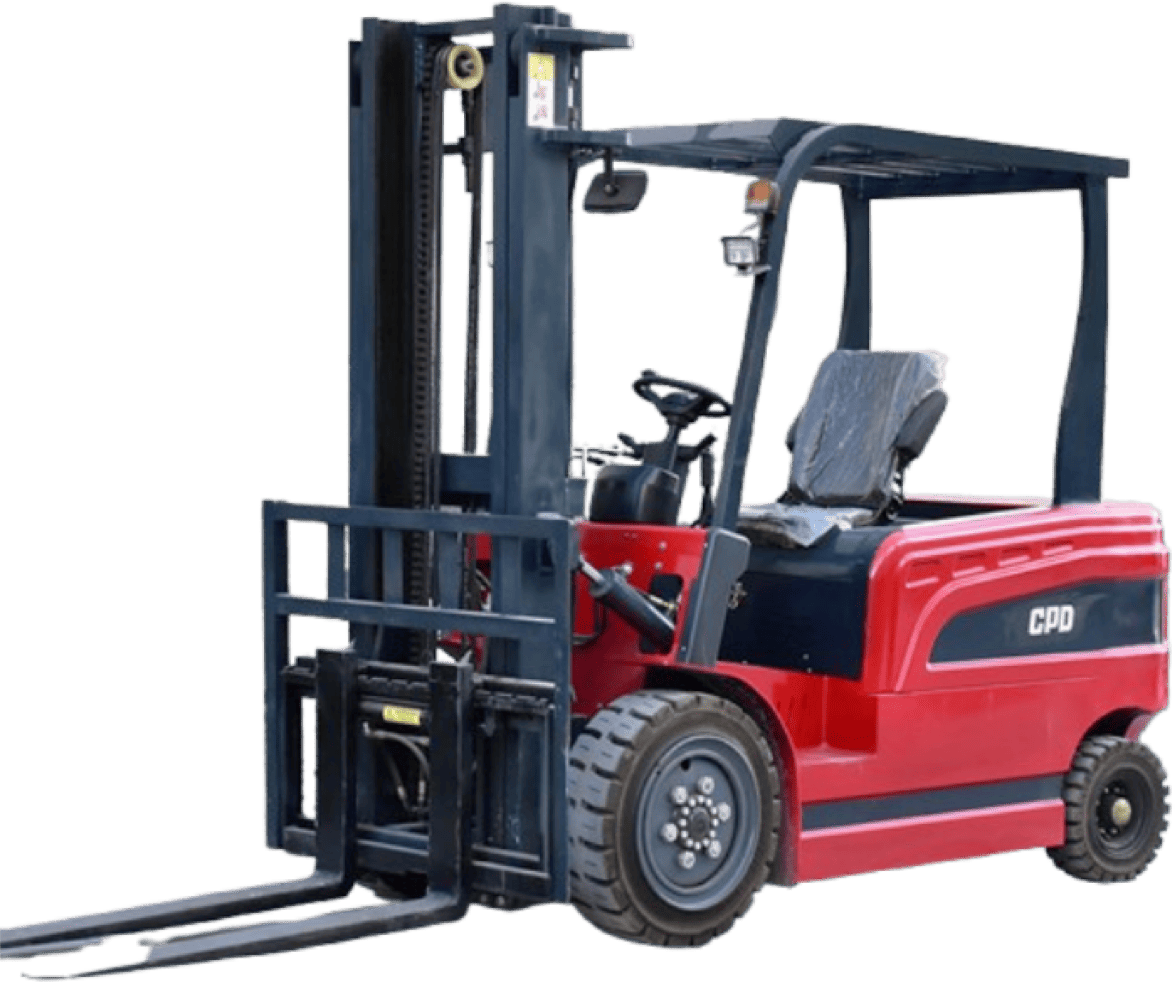
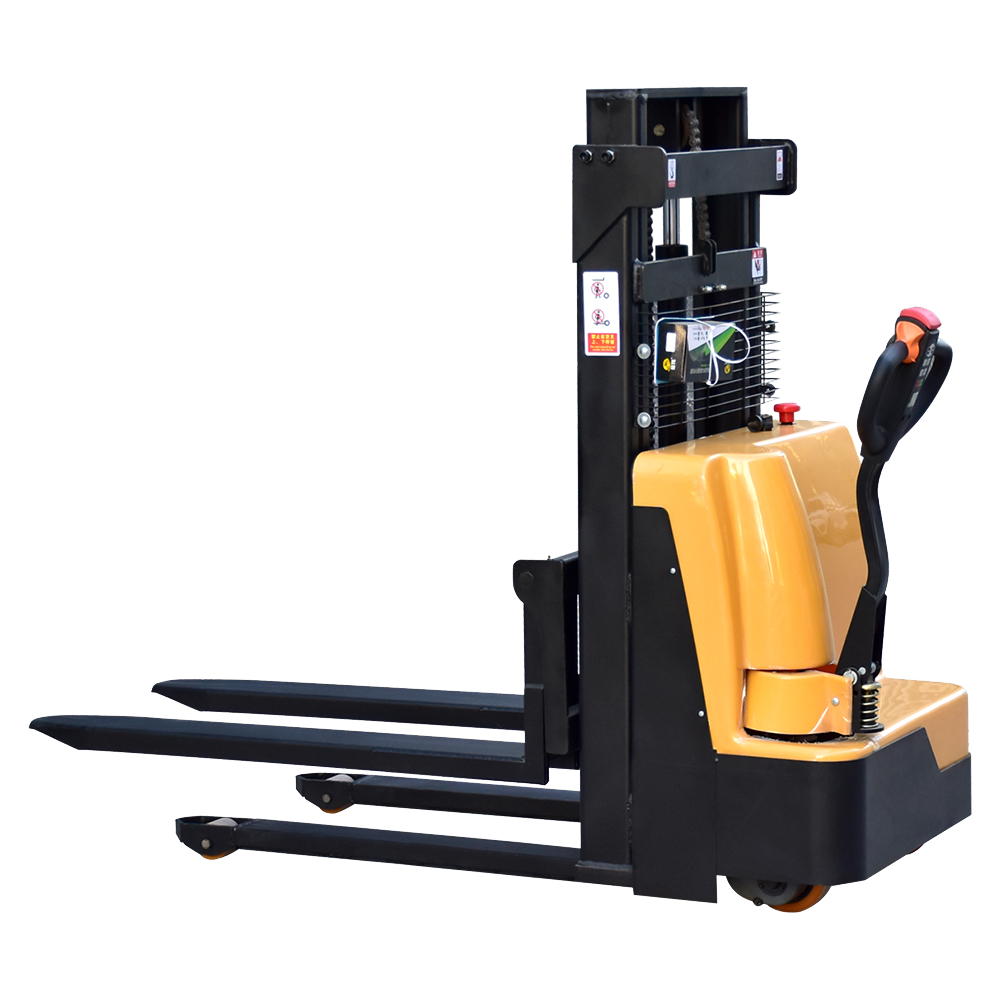
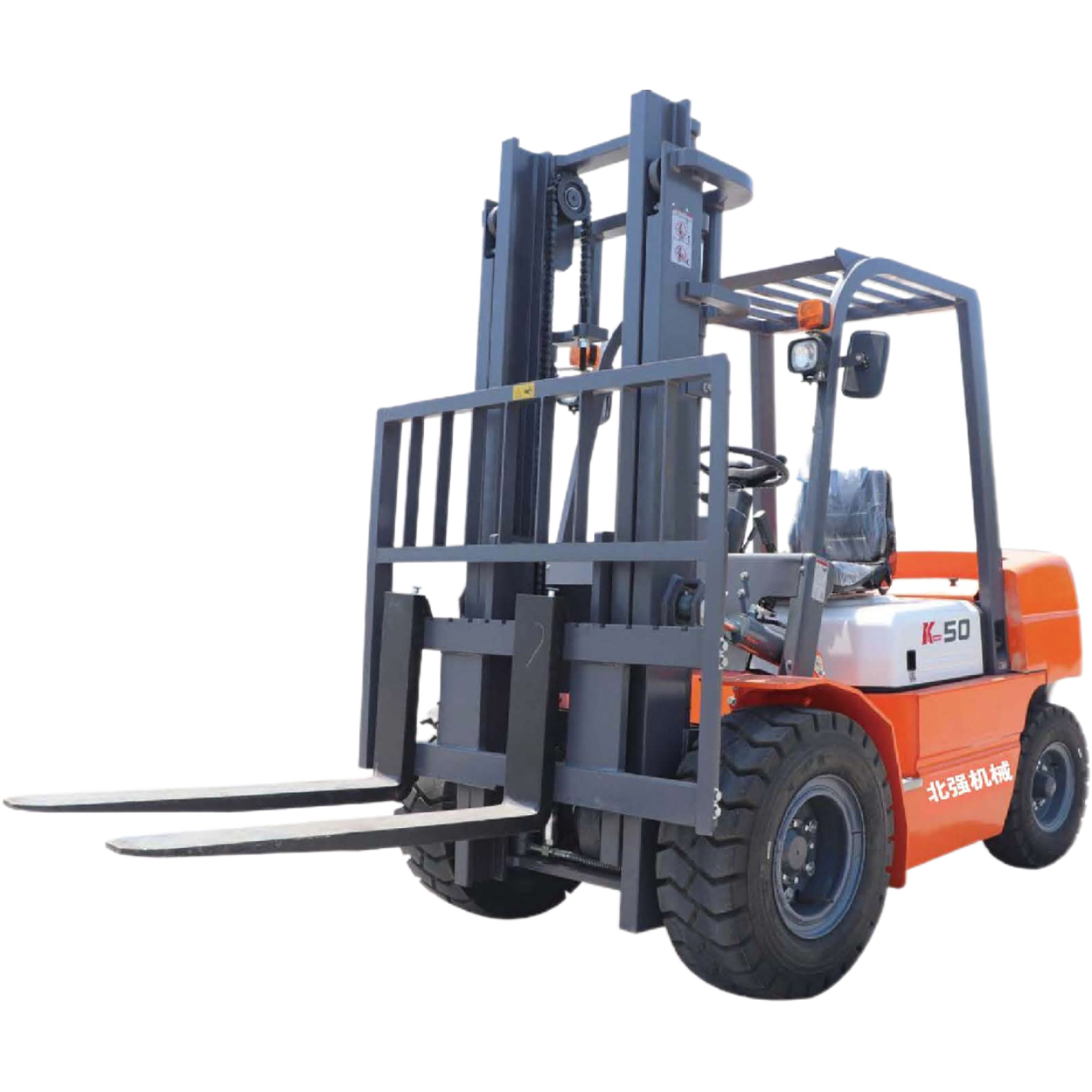
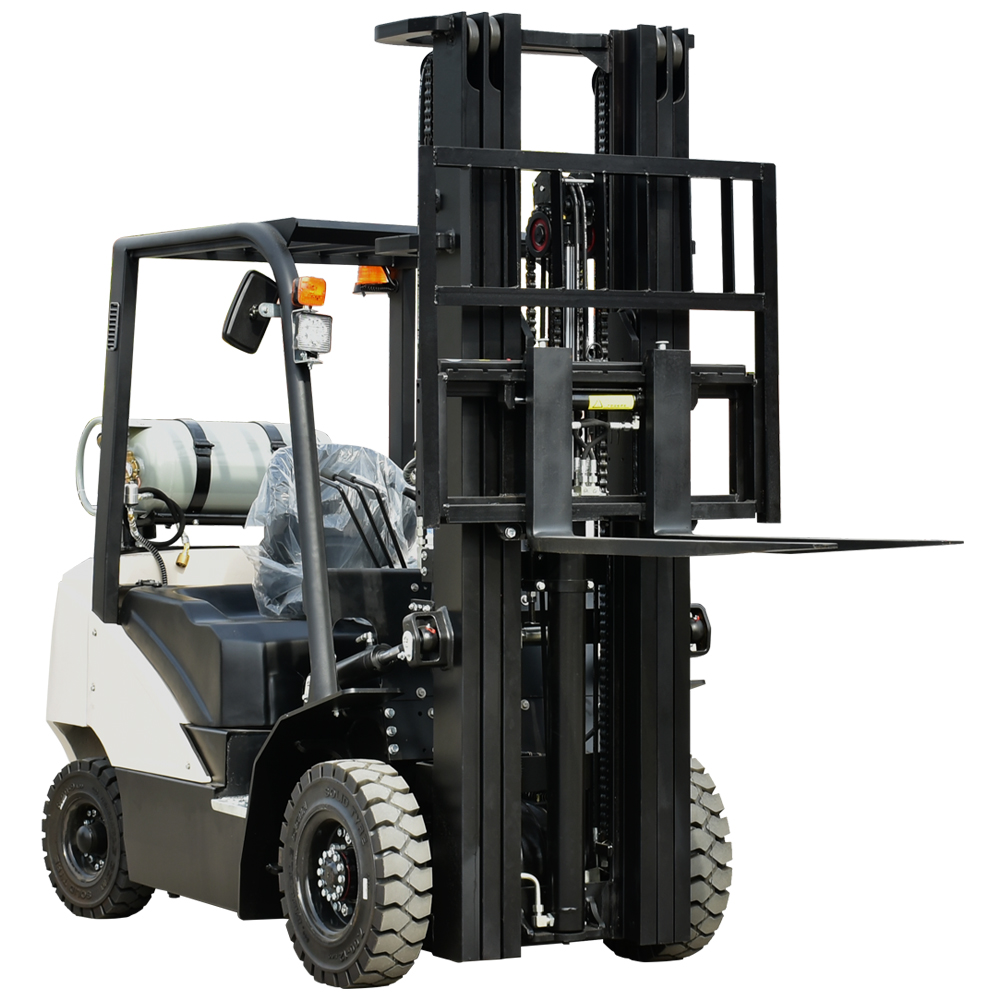
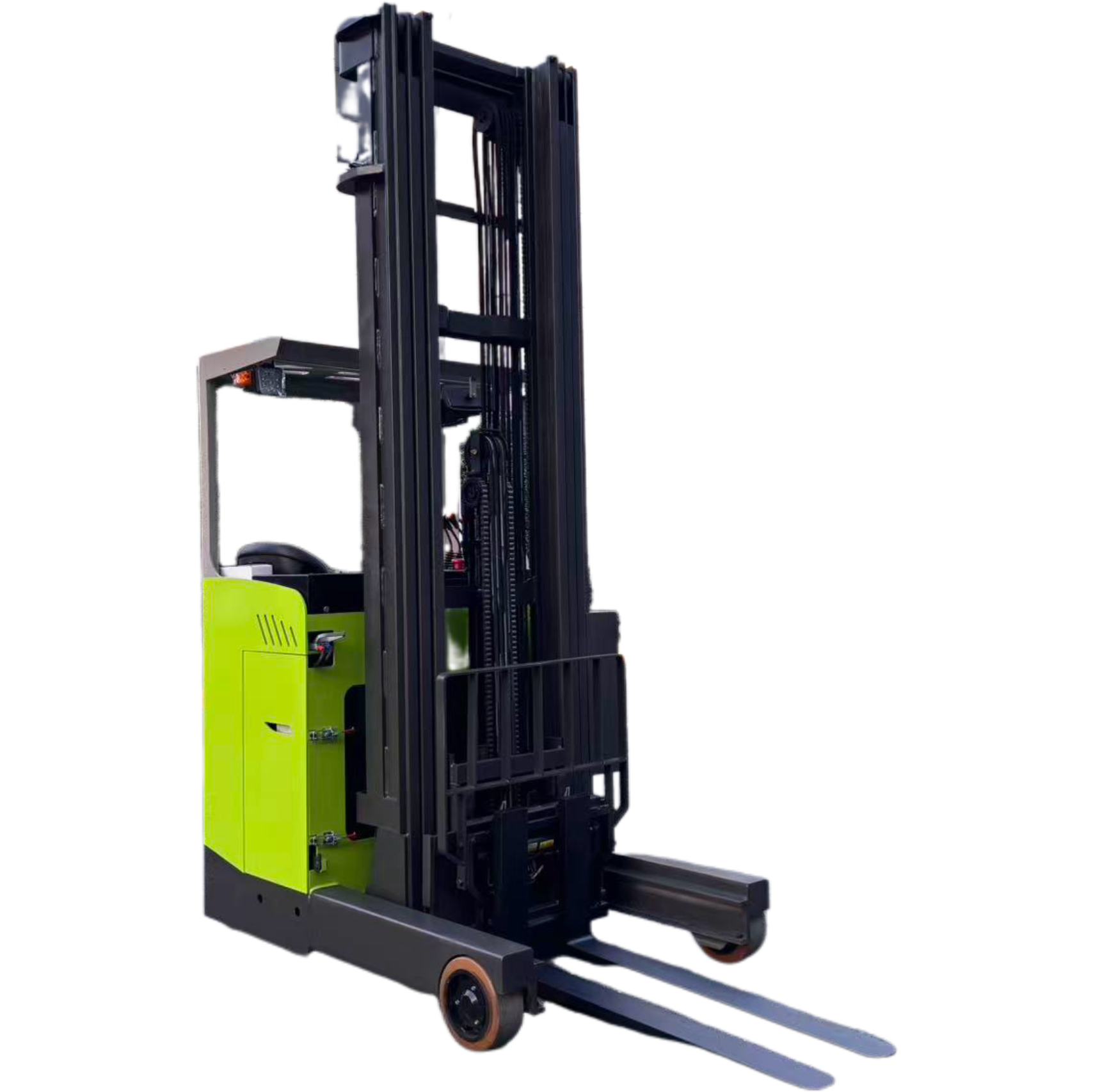


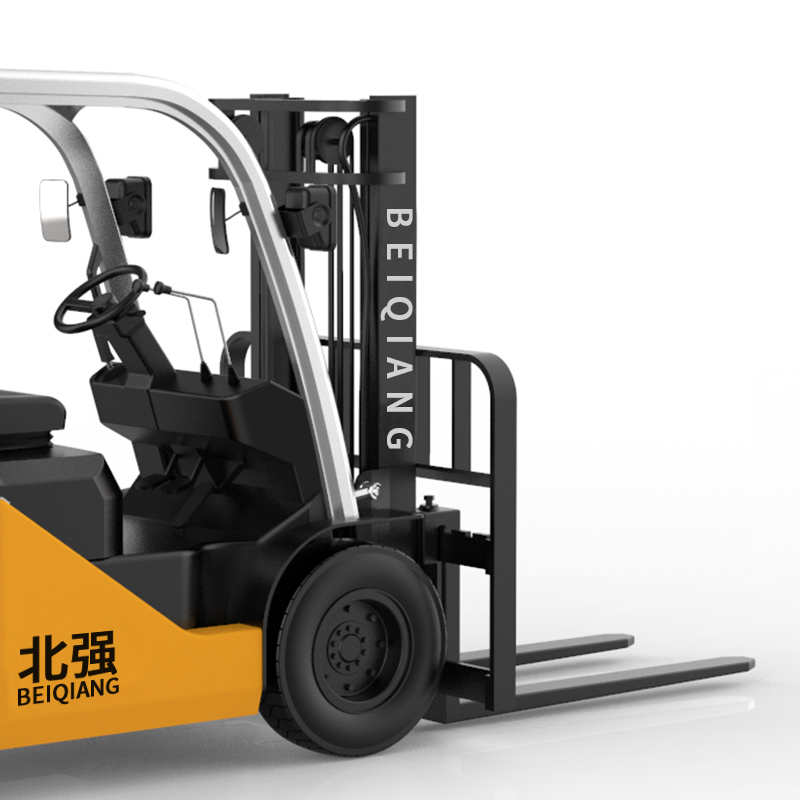
Once confined to niche applications like food processing and indoor warehouses, the electric forklift has undergone a technological renaissance. No longer just a "clean alternative," it has emerged as the dominant, strategic choice for material handling across industries, driven by an irrefutable combination of economic, operational, and environmental logic. This shift represents a fundamental rethinking of efficiency, moving beyond simple fuel substitution to a holistic upgrade of the material handling ecosystem.
The Economic Calculus: Redefining Total Cost of Ownership (TCO)
The most persuasive argument for electrification is financial. While the initial purchase price of an electric forklift can be higher, the Total Cost of Ownership (TCO) tells a different story. Electric models eliminate volatile diesel or propane costs, replacing them with significantly cheaper and more stable electricity. Their simpler design—with no internal combustion engine, transmission, oil filters, or exhaust systems—translates to up to 40% lower maintenance costs and reduced downtime. The economic equation becomes overwhelmingly favorable over a 5-7 year lifespan, making electrification a sound capital investment.
Operational Excellence: Performance Where It Matters
Beyond the ledger, electric forklifts deliver superior performance in daily operations:
Precision and Power: Electric motors provide instant, consistent torque for smooth acceleration, precise load handling, and excellent low-end control, enhancing safety and productivity in tight spaces.
Operator-Centric Design: The absence of exhaust fumes, heat, and significant noise (operating at about 75 dB vs. 100+ dB for IC models) drastically improves operator comfort, reduces fatigue, and enhances facility-wide communication and air quality.
Energy Efficiency: Electric drivetrains are inherently more efficient, converting over 80% of electrical energy to motion, compared to roughly 30% for internal combustion engines.
The Battery: Heart of the Evolution
The choice of battery technology is now a core strategic decision:
Lead-Acid (Flooded): The traditional, lower upfront-cost option. It requires a dedicated charging room, regular watering and maintenance, and an 8-hour charge/8-hour cool-down cycle, often necessitating costly spare batteries for multi-shift operations.
Lithium-Ion (Li-ion): The transformative technology. Li-ion batteries enable opportunity charging (fast top-ups during breaks), require virtually no maintenance (no watering, gassing), and have a longer lifespan. They eliminate battery swap rooms and infrastructure, freeing up valuable floor space and enabling seamless 24/7 operation.
Sustainability as Strategy
Environmental responsibility is now a corporate imperative. Electric forklifts produce zero on-site emissions, crucial for improving indoor air quality and meeting stringent health and safety standards like OSHA regulations. They also dramatically reduce a facility's carbon footprint, aligning with ESG (Environmental, Social, and Governance) goals and corporate sustainability reports. This "green" credential is increasingly a requirement, not just a perk, for securing business with environmentally conscious partners.
The Bridge to Intelligent Logistics
Electrification is the essential foundation for the future of smart warehousing. The digital control inherent in electric systems seamlessly integrates with:
Telematics and IoT: Real-time monitoring of location, battery status, impacts, and utilization data enables data-driven fleet management, predictive maintenance, and optimized workflows.
Automation: Electric powertrains provide the precise, programmable control necessary for Automated Guided Vehicles (AGVs) and Autonomous Mobile Robots (AMRs). The transition to a fully electric fleet is the first critical step toward implementing lights-out automation.
Conclusion: A Necessary Evolution
The adoption of electric forklifts is no longer a question of "if" but "when and how." It is a comprehensive operational strategy that lowers lifetime costs, boosts productivity, improves workplace conditions, fulfills sustainability mandates, and future-proofs operations for the age of automation. For businesses looking to build a resilient, efficient, and competitive supply chain, the electric forklift has moved from the sidelines to become the central workhorse of progress.
Our manager will contact you shortly.
To contact you about our products and services.


Copyright © Xingtai Beiqiang Machinery Manufacturing Factory. 2025.
Technical support:Echola