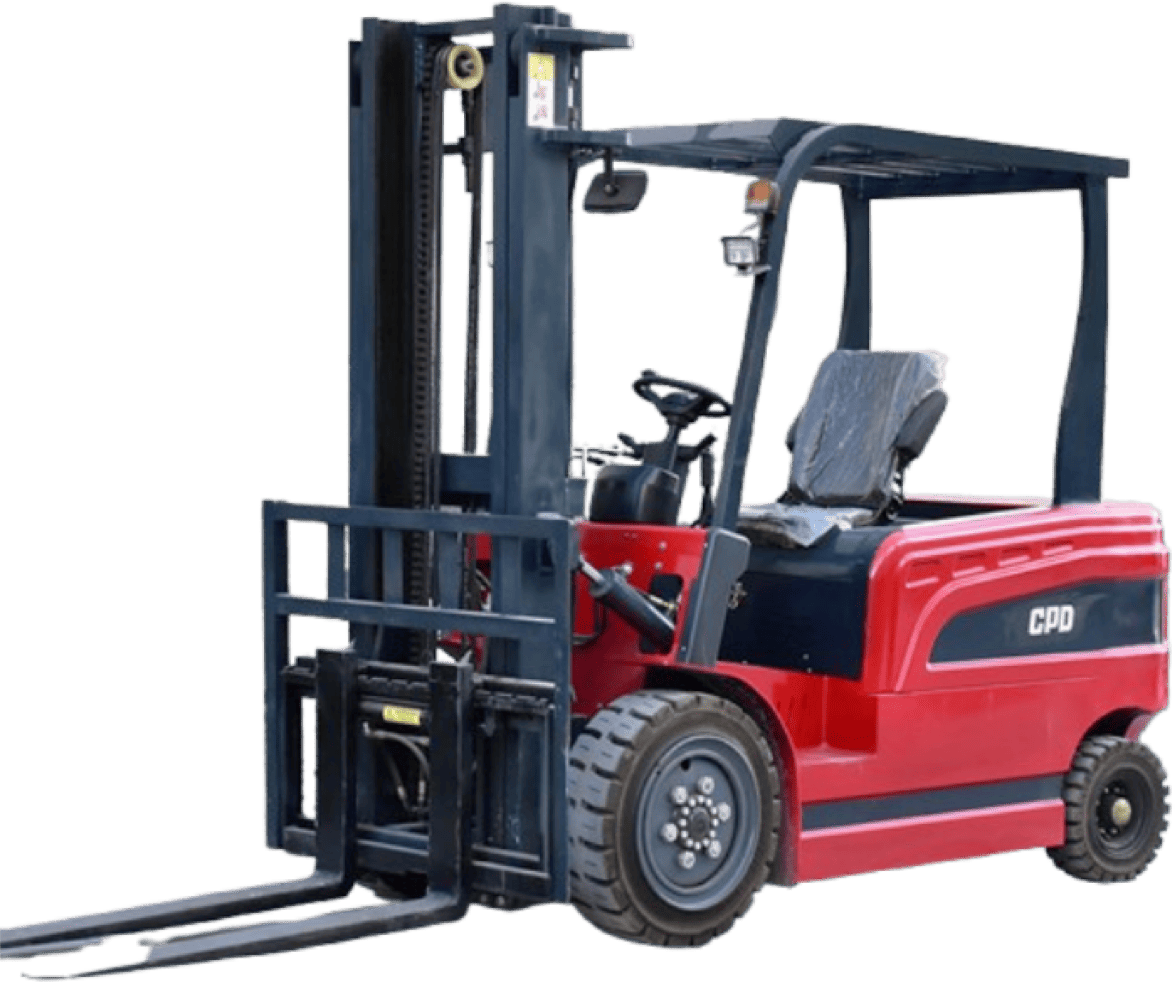
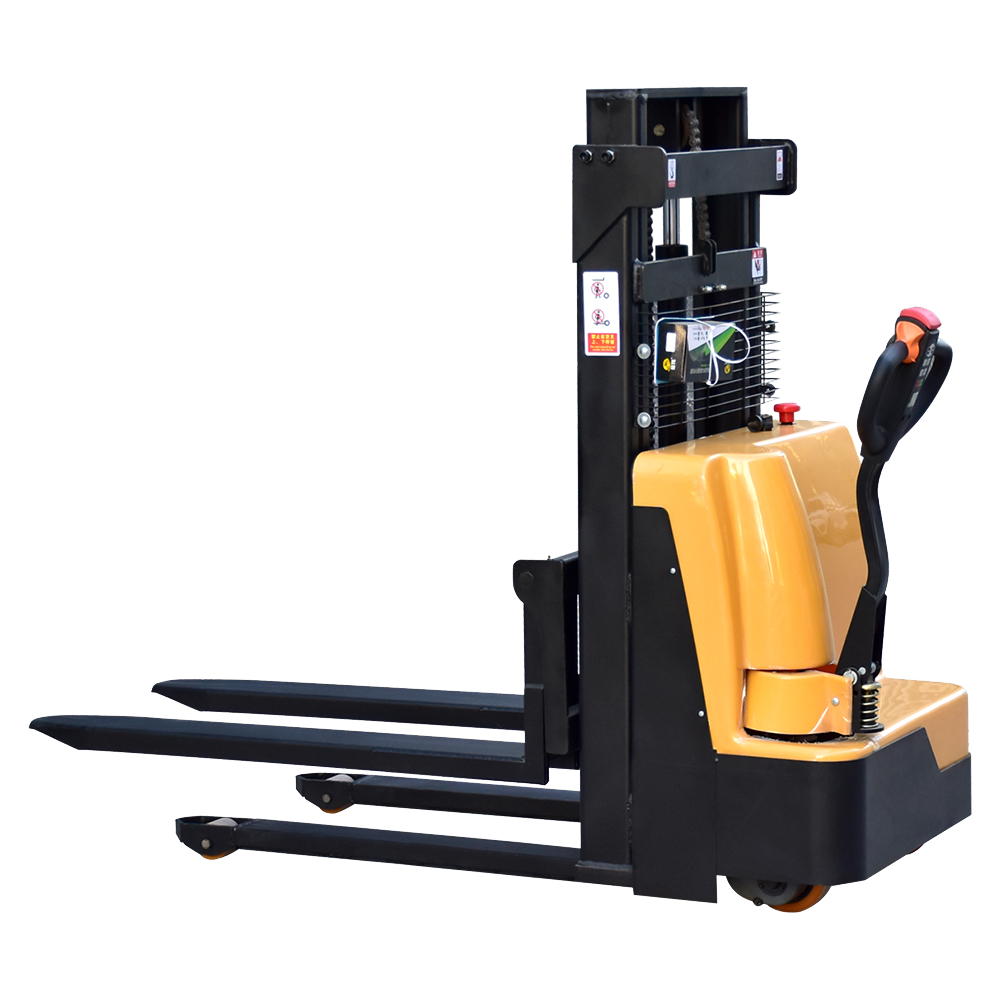
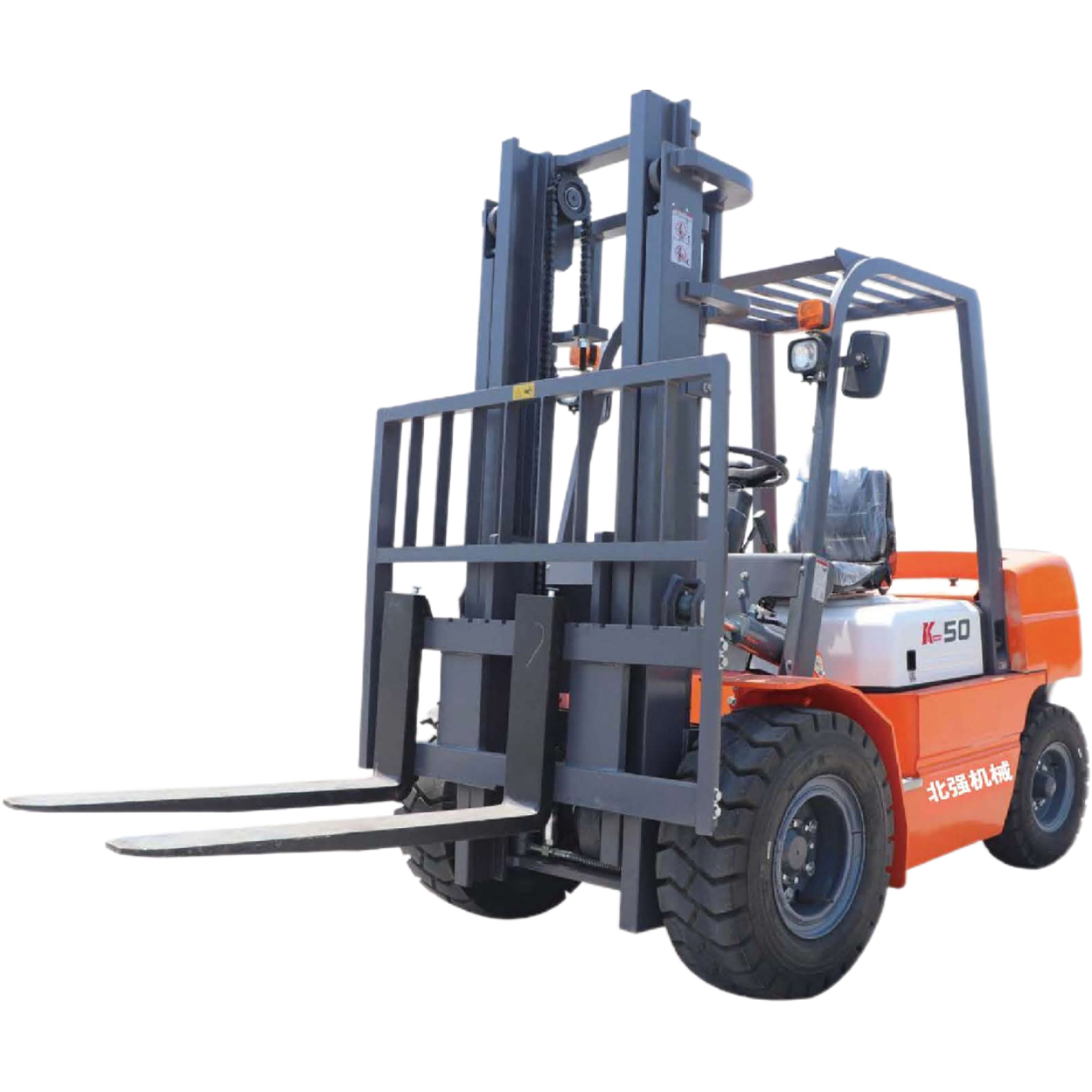
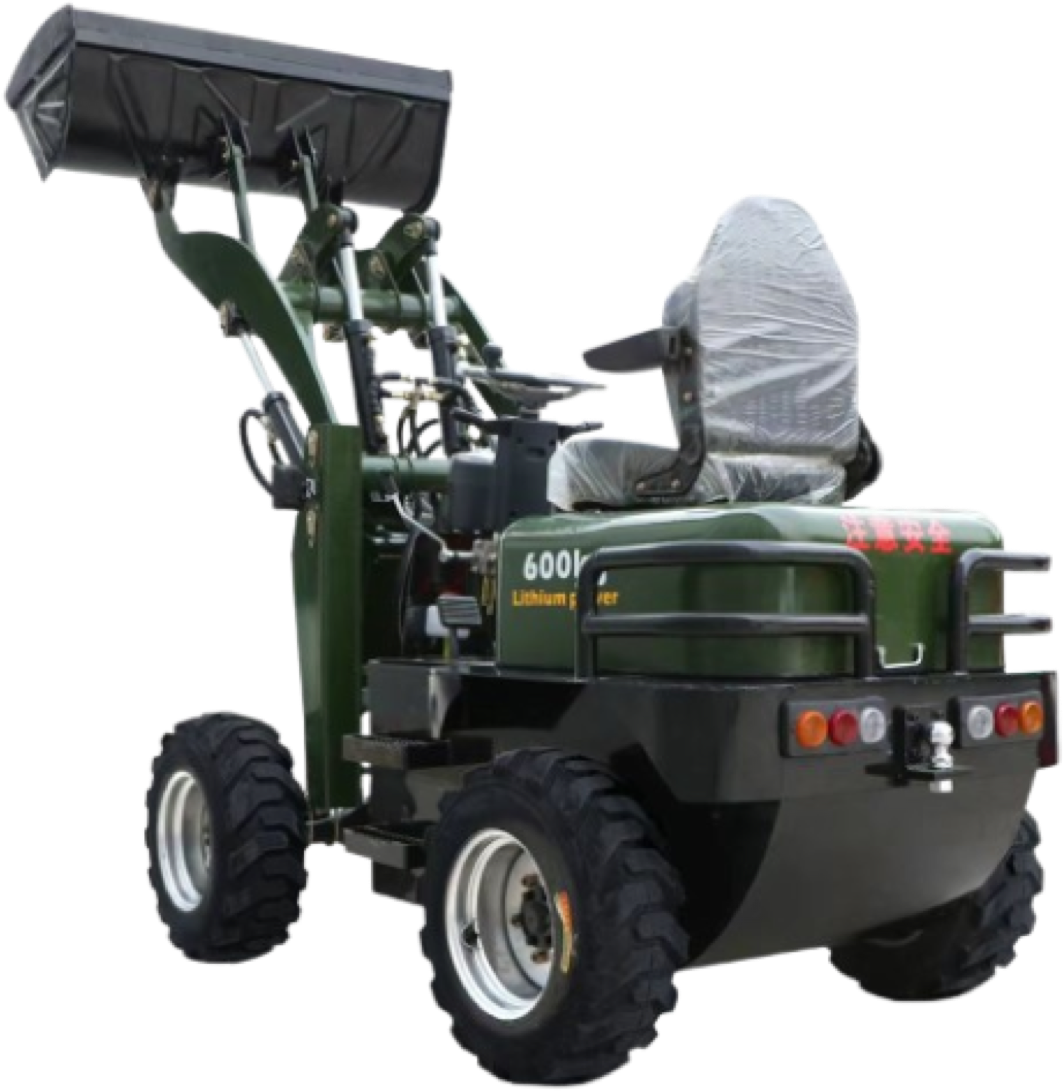
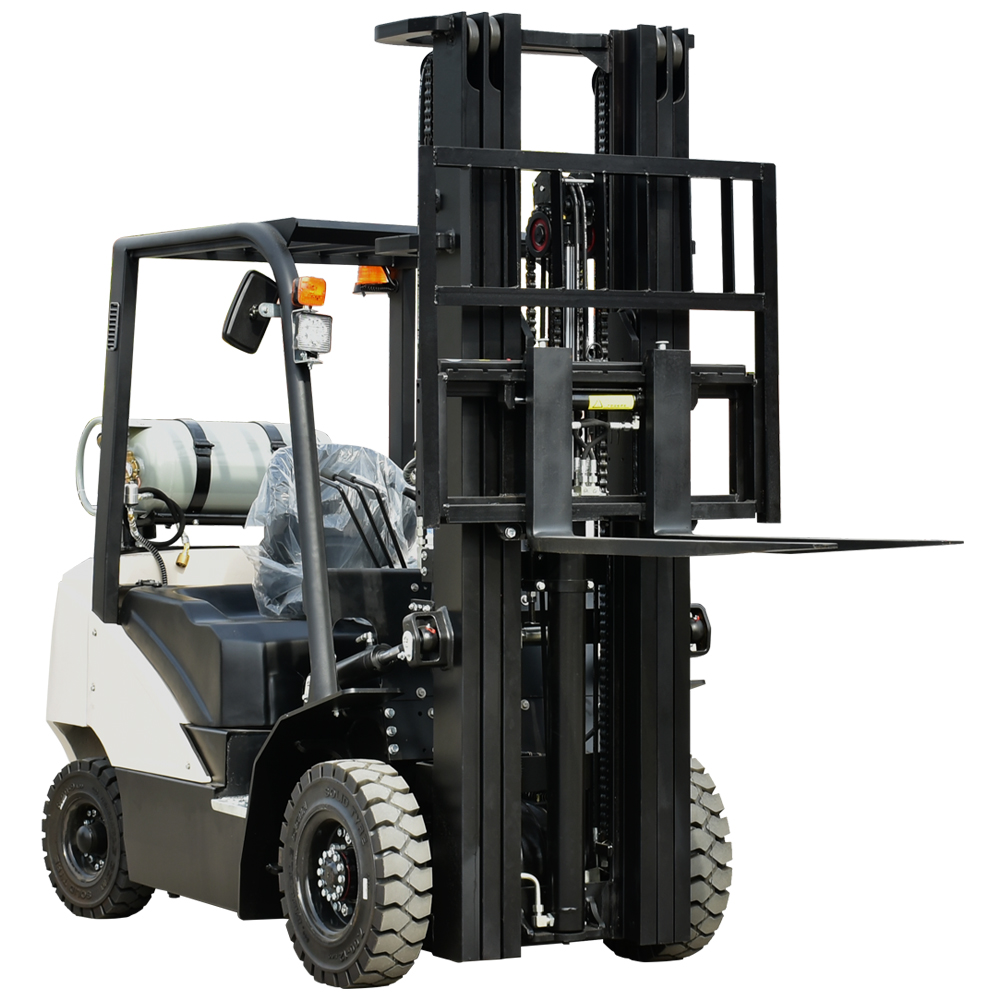
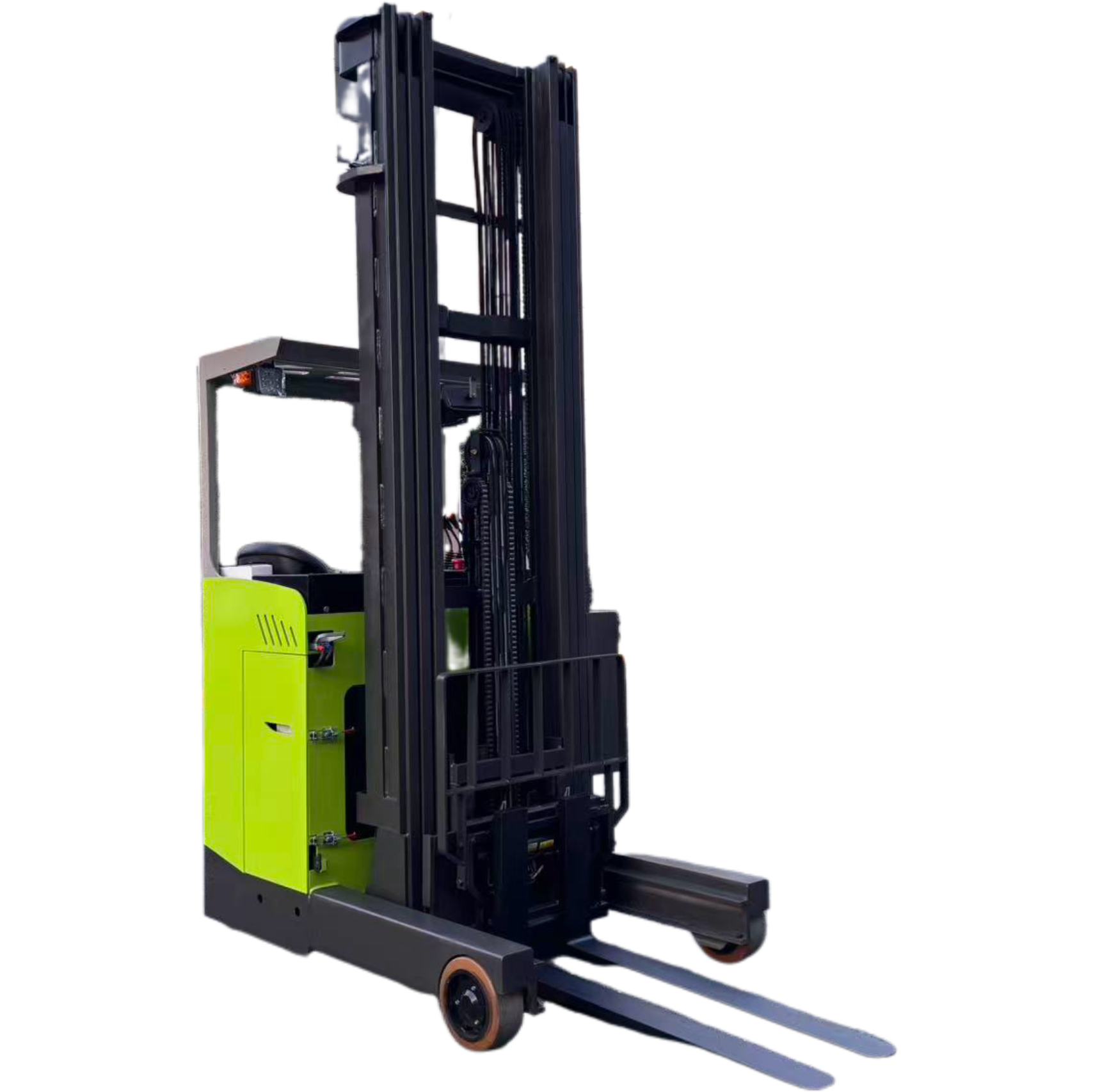
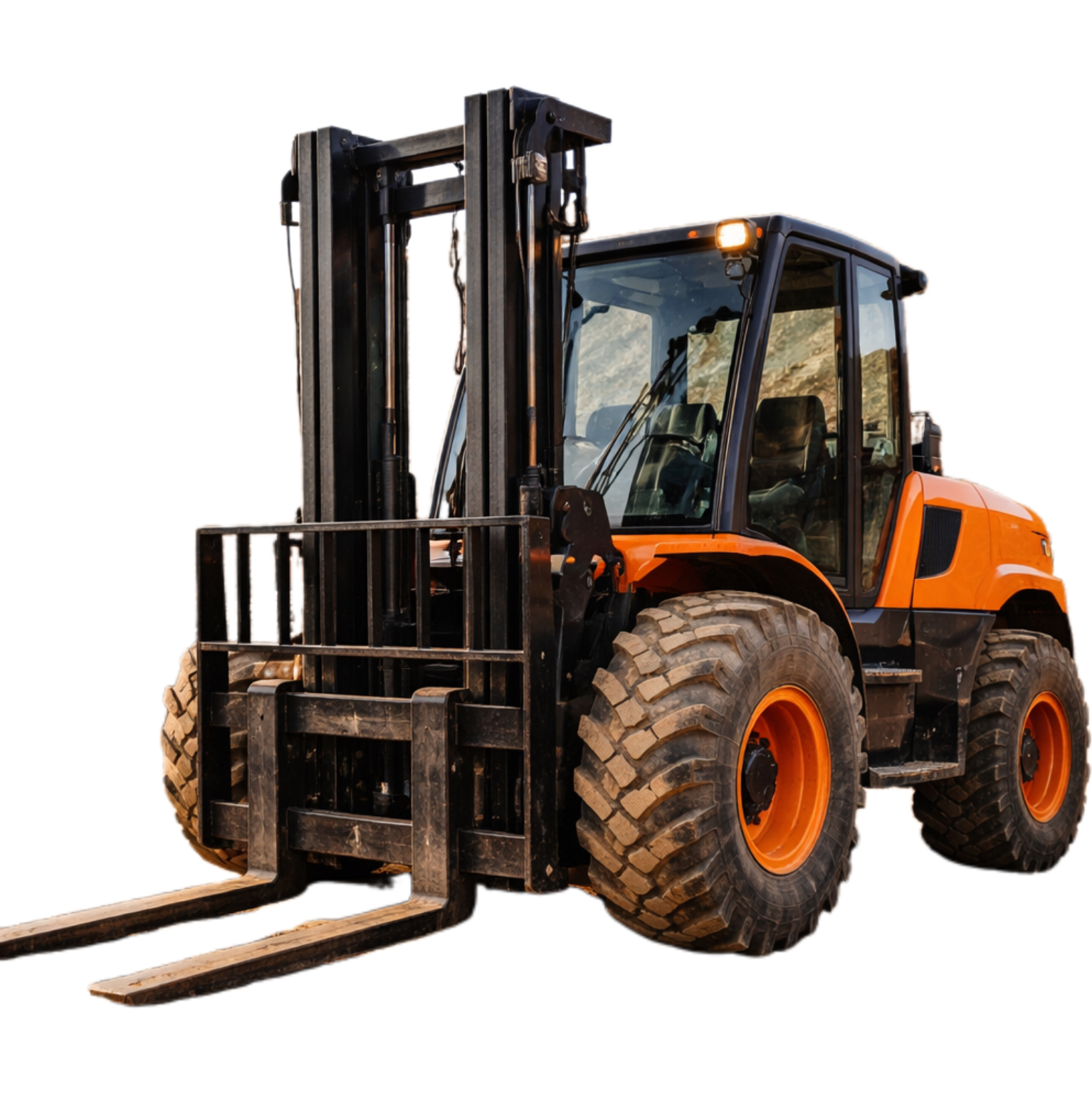


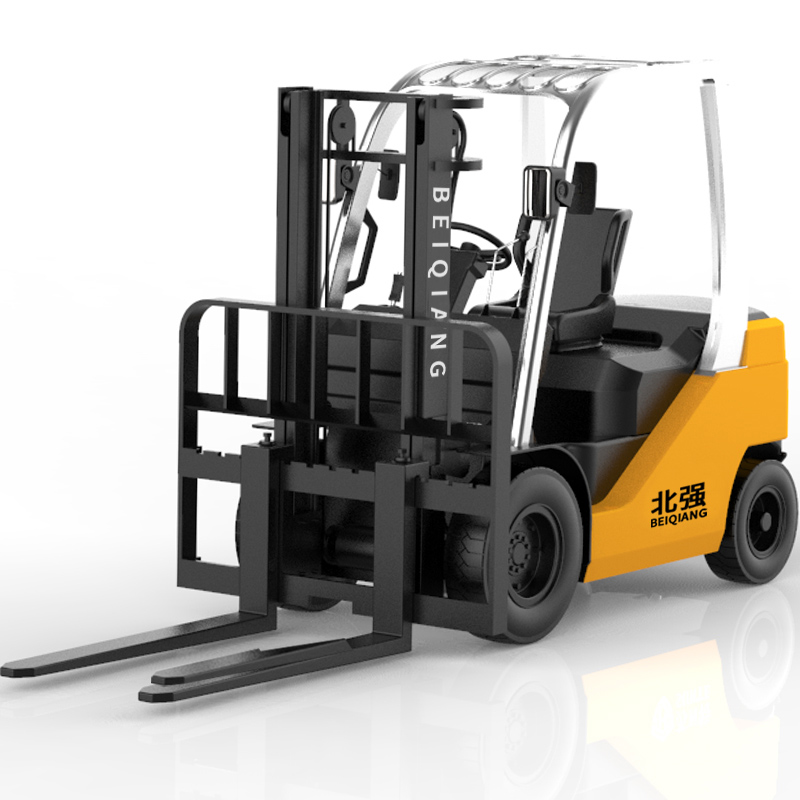
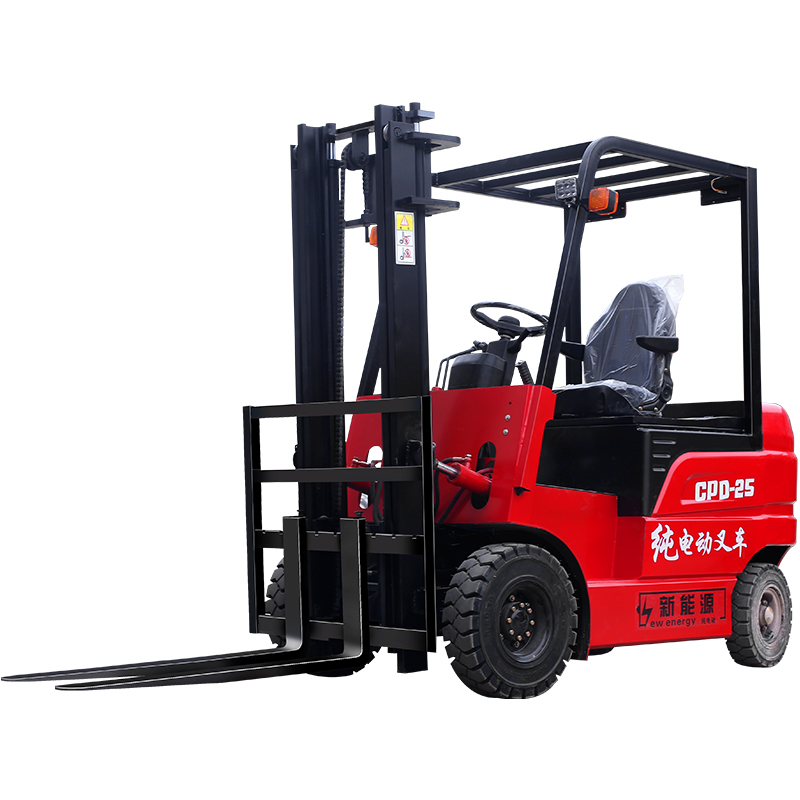
For decades, the material handling landscape was dominated by the persistent growl of internal combustion engines. Today, a profound and quiet transformation is underway. The electric forklift has evolved from a supplementary tool into the strategic backbone of intelligent warehouses and sustainable supply chains, driven not merely by trend, but by a powerful equation of performance, economics, and environmental stewardship.
Beyond "Green": The Core Drivers of Adoption
While environmental benefits are significant, the transition to electric is fundamentally a business decision rooted in superior efficiency.
The Total Cost of Ownership (TCO) Advantage: The initial higher purchase price is dramatically offset by lower operating costs. Electricity is cheaper and more stable than fossil fuels. Electric forklifts have far fewer moving parts—no engines, transmissions, or complex exhaust systems—leading to drastically reduced maintenance needs, less downtime, and lower long-term service costs.
Unmatched Performance in Controlled Environments: Electric motors provide instant torque, enabling smoother acceleration, precise maneuvering, and consistent power delivery without lag. This translates to faster cycle times, better operator control, and increased productivity, especially in high-throughput facilities.
The Human Factor and Regulatory Push: Operator comfort and safety are paramount. Electric forklifts produce zero localized emissions, eliminating harmful fumes and improving indoor air quality. They operate significantly more quietly, reducing noise pollution and enhancing communication. Furthermore, tightening global emissions regulations and corporate sustainability mandates are making electric equipment not just preferable, but essential for compliance and green certifications.
The Critical Choice: Battery Technology Evolution
The heart of an electric forklift is its battery, and here, technology is a key differentiator.
Traditional Lead-Acid: The established, lower upfront-cost option. However, it requires dedicated charging rooms, regular watering, and lengthy charging cycles, often necessitating battery swap systems.
Modern Lithium-Ion: The game-changer. Lithium-ion batteries offer opportunity charging (quick breaks can be used for rapid top-ups), higher energy density, and require almost no maintenance. They eliminate battery swap rooms, free up floor space, and enable multi-shift operation with minimal downtime, maximizing asset utilization.
Challenges and Strategic Considerations
Adoption requires planning. Fleet managers must evaluate:
Initial Infrastructure Investment: Setting up adequate charging stations and electrical infrastructure is crucial.
Duty Cycle Management: Matching the forklift's battery capacity and type to the operational intensity (single vs. multi-shift) is key to avoiding productivity bottlenecks.
Upfront Capital Cost: While TCO is favorable, the higher initial expenditure requires a strategic, long-term financial perspective.
The Future is Connected and Autonomous
Electric propulsion is the foundational enabler for the next leap: smart, connected forklifts. Integrated sensors and telematics allow for real-time monitoring of battery health, location tracking, impact detection, and utilization analytics. This data-driven approach enables predictive maintenance, optimized fleet management, and seamless integration with Warehouse Management Systems (WMS). Furthermore, the precise control of electric motors makes them the ideal platform for the development of automated guided vehicles (AGVs) and autonomous mobile robots (AMRs), paving the way for lights-out warehouses.
Conclusion
The rise of the electric forklift is not a simple replacement of power sources; it is a strategic upgrade to a more intelligent, responsive, and sustainable material handling ecosystem. By delivering lower lifetime costs, superior operational performance, and a healthier work environment while acting as the bridge to automation, electric forklifts are no longer just an alternative—they are the clear, forward-looking standard powering the future of logistics.
Our manager will contact you shortly.
To contact you about our products and services.


Copyright © Xingtai Beiqiang Machinery Manufacturing Factory. 2025.
Technical support:Echola