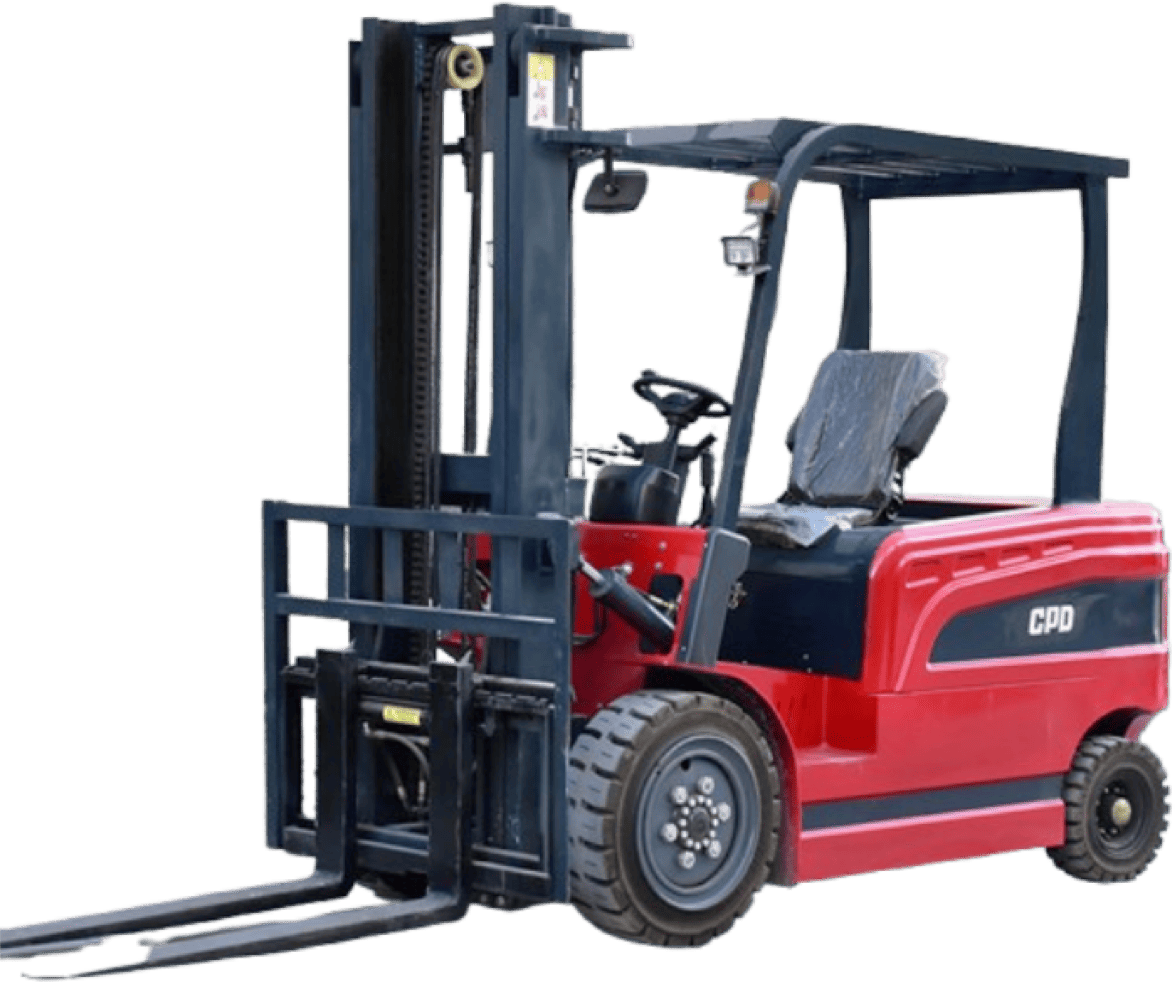
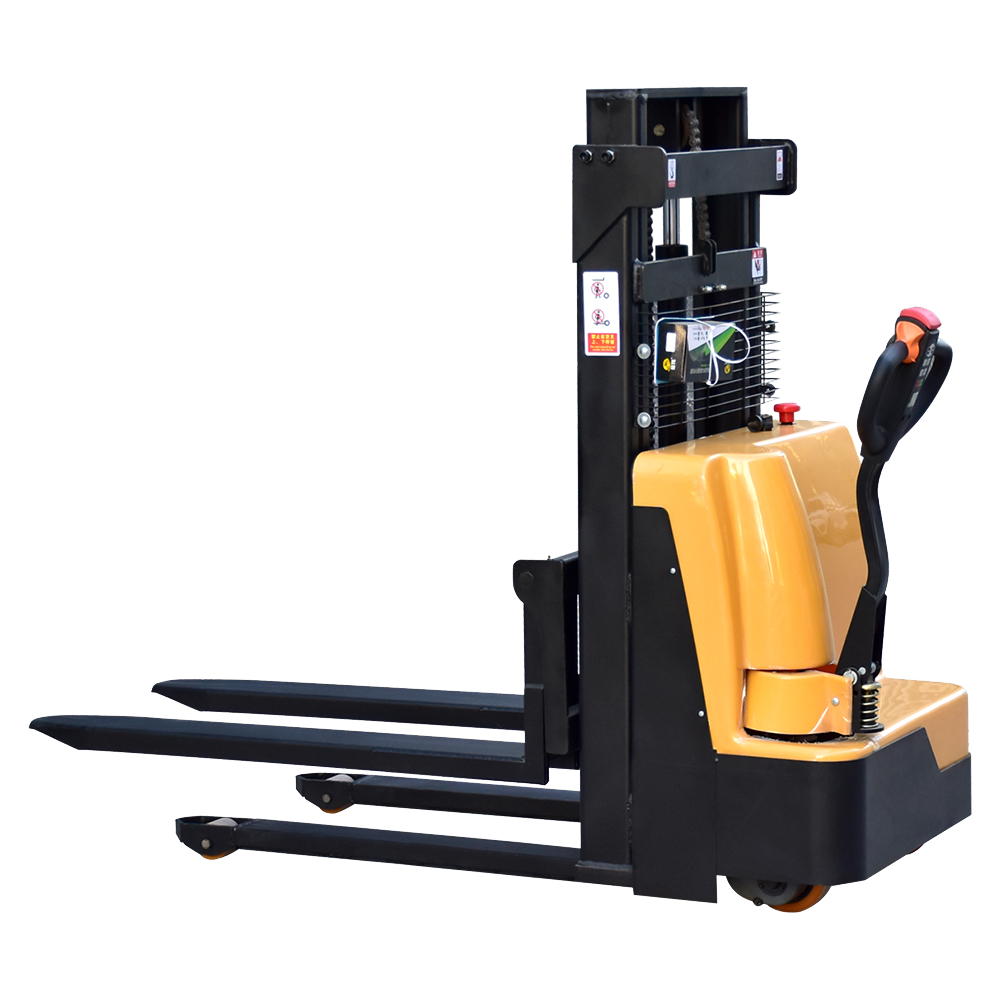
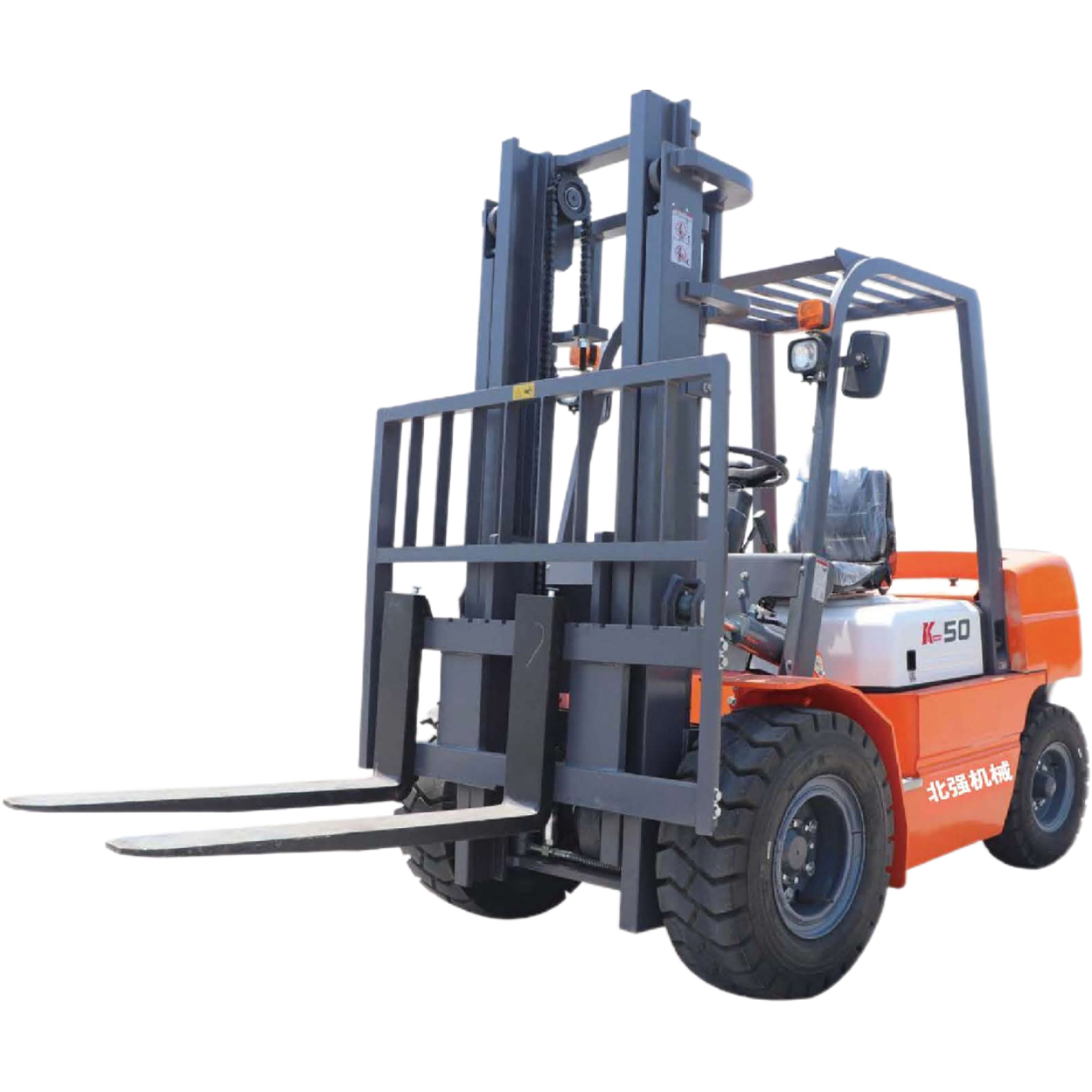
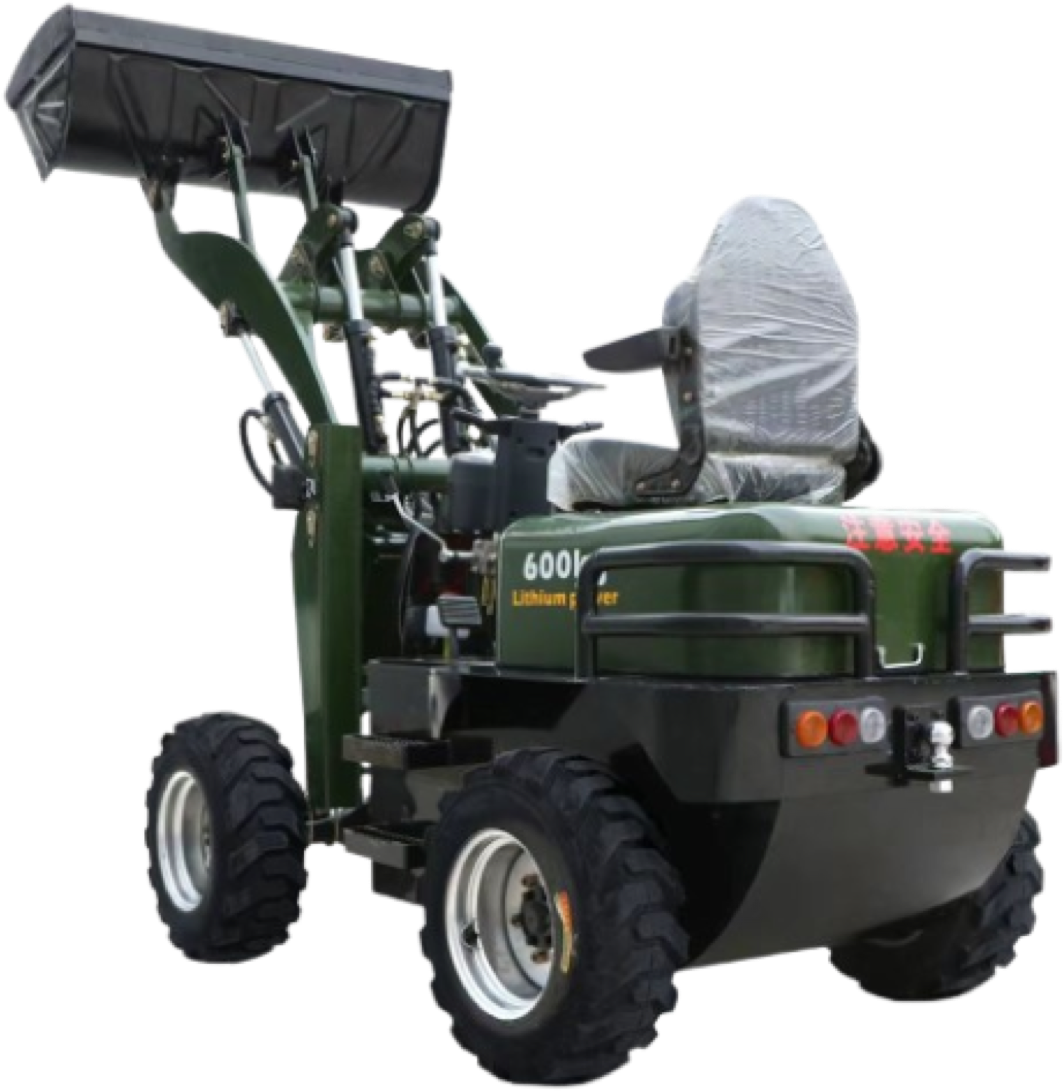
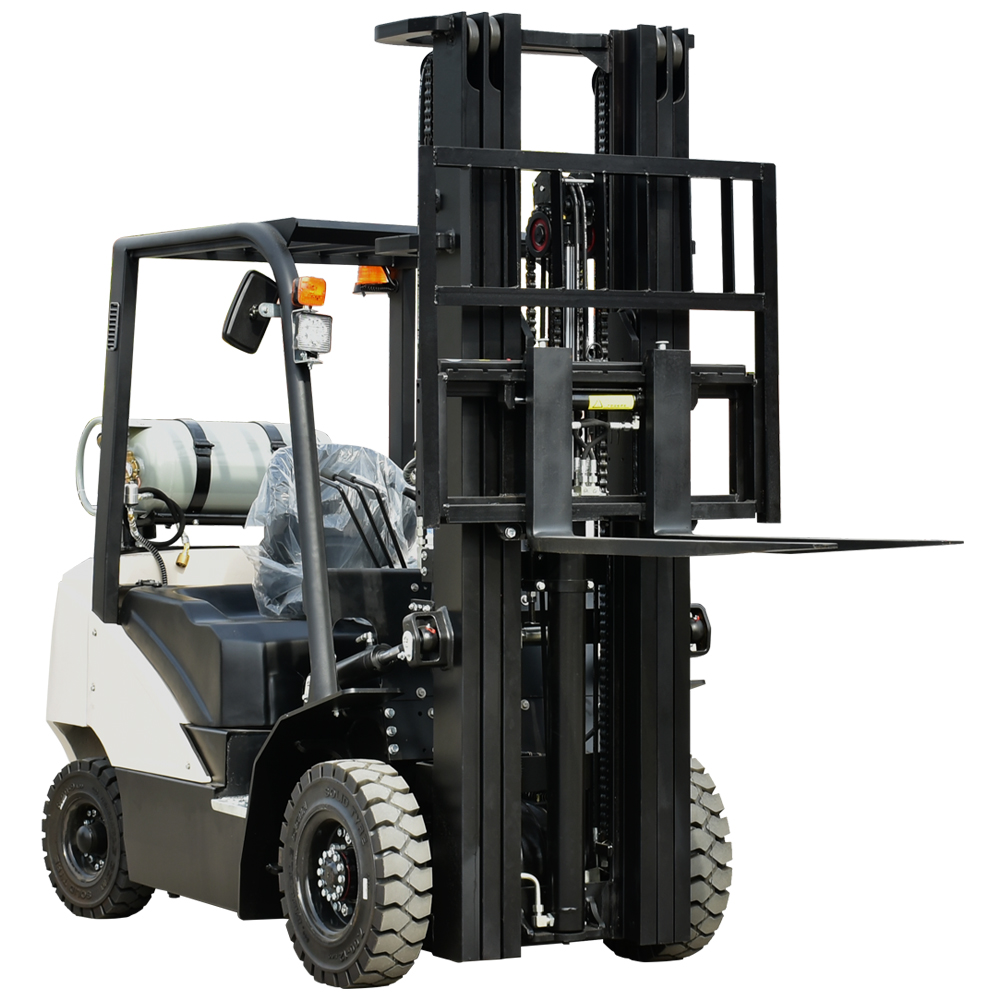
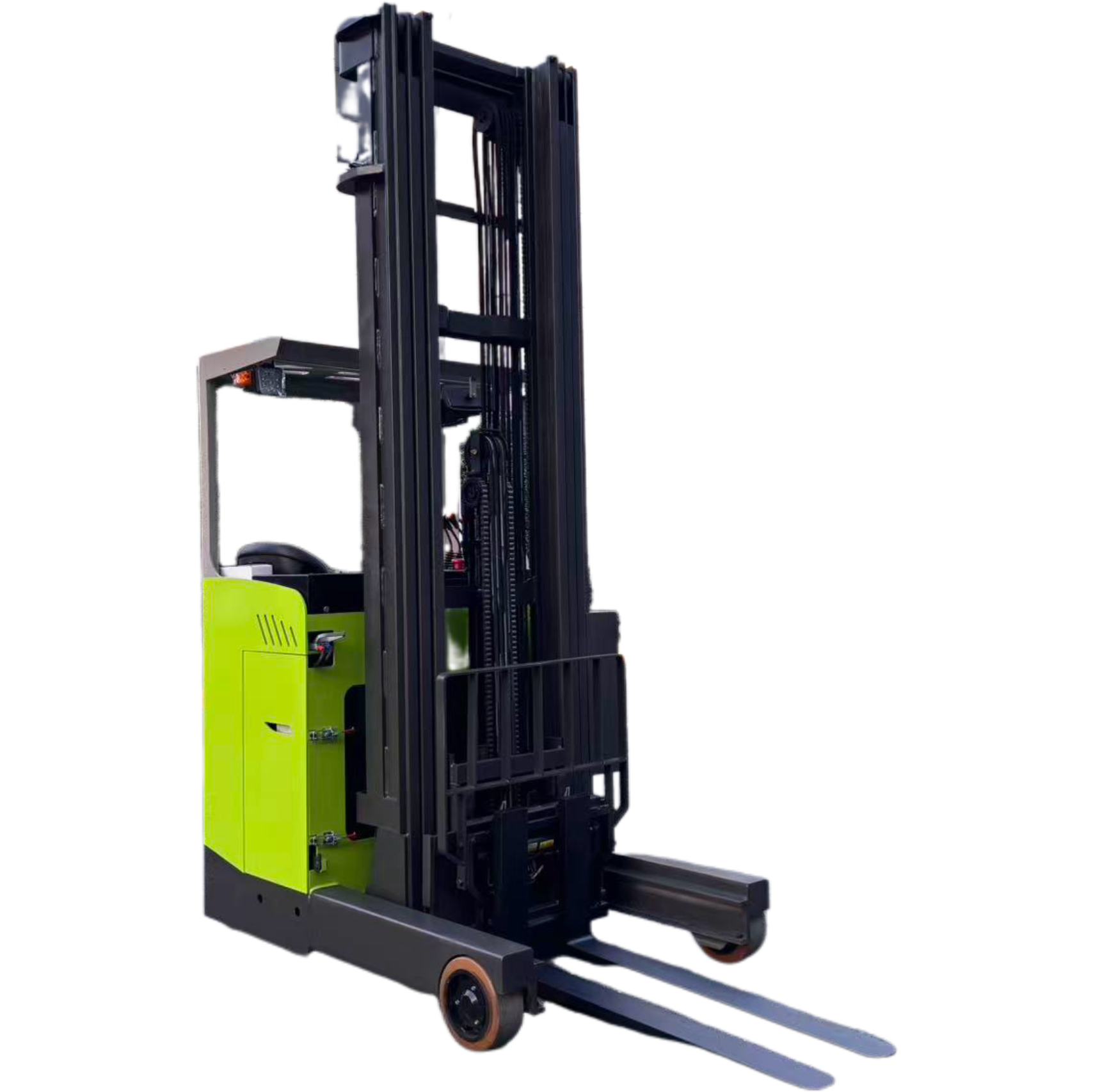
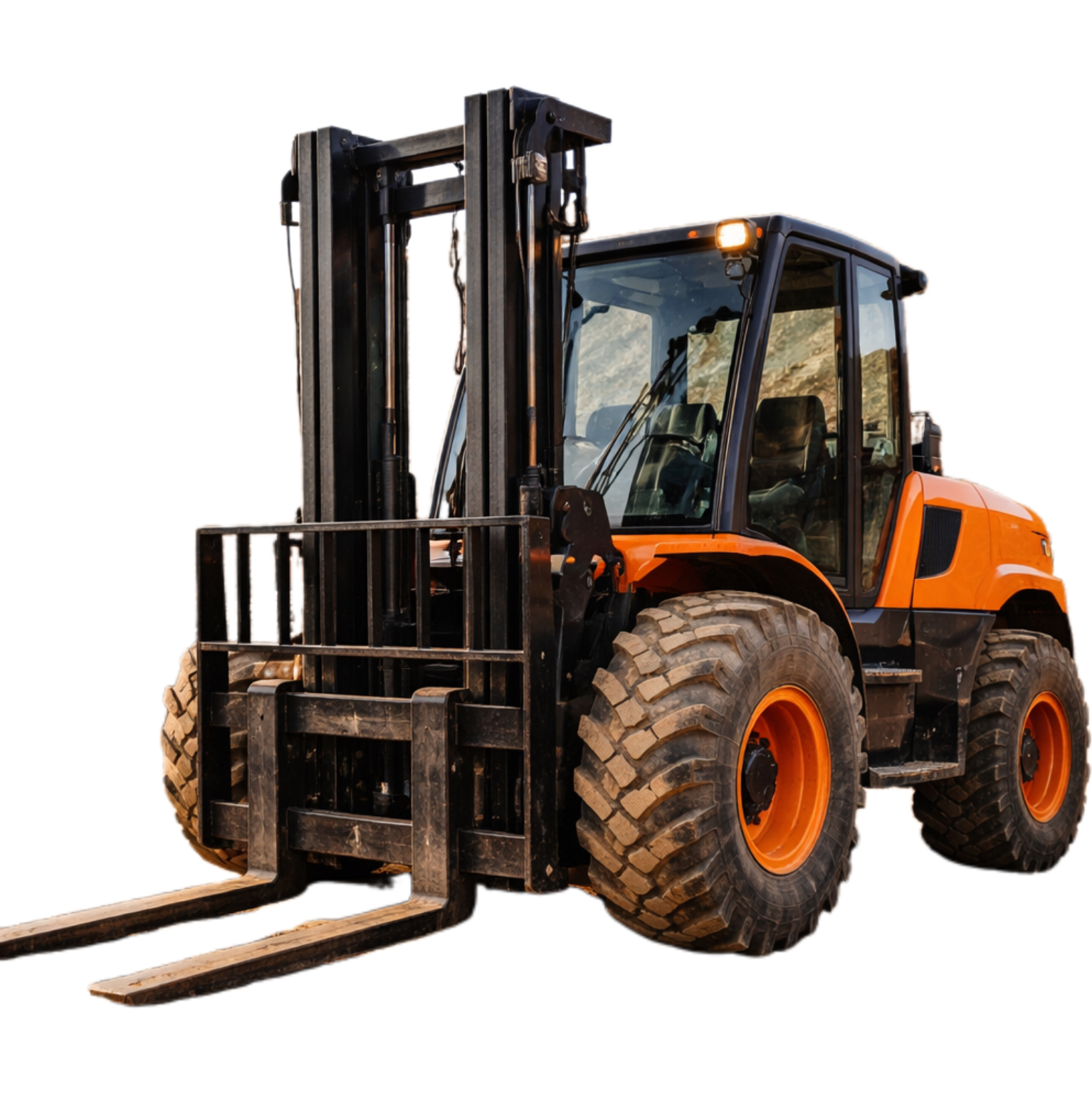


"A fully charged forklift loses half its power in half a day," "Frequent power outages during peak seasons disrupt order delivery," "Range is cut in half in cold storage warehouses" – insufficient range of electric forklifts has long been a major bottleneck for logistics efficiency. Don’t worry; today we share 3 battle-tested core solutions to resolve range anxiety at the root.
Solution 1: Battery Technology Upgrade – Boost Range from the Source
Batteries are the core of range. Choosing the right battery type and upgrading battery technology is the most direct solution.
• Switch to Long-Life Lithium-Ion Batteries: Ditch the "short lifespan" flaw of lead-acid batteries. Lithium iron phosphate batteries have a cycle life of over 2,000 times (3x that of lead-acid) and higher energy density, boosting range by 40% at the same volume. A 3-ton forklift can operate continuously for 8-10 hours on a full charge, meeting high-intensity daily needs.
• Try Solid-State Batteries: Cutting-edge solid-state batteries can be fully charged in 15 minutes, with range exceeding 12 hours. They retain over 85% capacity at -20°C, ideal for extreme scenarios like cold chains and northern winters. Leading enterprises have begun mass application in 2025.
Solution 2: Intelligent Energy Management – Maximize Every Kilowatt-Hour
Instead of blindly increasing battery capacity, use intelligent technology to reduce energy consumption and recover power – achieving "cost-saving and efficiency-boosting."
• Kinetic Energy Recovery System: Equip "brake-lowering dual-mode" energy recovery. When the forklift brakes or lowers forks, the motor generates reverse power to recharge the battery. Energy recovery rate exceeds 35% in high-load scenarios, equivalent to an extra 2 hours of range.
• Intelligent Scheduling System: Connect forklifts to the Warehouse Management System (WMS) via IoT to automatically plan optimal routes and avoid idle driving. It monitors battery status in real-time and alerts low-power forklifts to recharge first. An e-commerce warehouse reduced idle driving rate by 20% and improved range utilization by 18% after application.
Solution 3: Refueling Mode Optimization – End "Waiting for Charging" Waste
For 24/7 operation scenarios, a single charging mode is insufficient. The "fast charging + battery swapping" combination is the efficient choice.
• Fast Charging Station Layout: Install 180kW fast chargers at workshop entrances and rest areas. A 30-minute charge during lunch breaks or shifts restores 70% power, meeting afternoon operation needs without dedicated charging time.
• Battery Swapping Implementation: For heavy-duty forklifts, adopt the "battery bank" swapping mode. Professionals can complete battery replacement in 3 minutes, saving 8 hours compared to traditional charging. An auto factory reduced forklift operation downtime by 90% after application.
Case Study: A cold chain logistics company adopted the combined solution of "lithium iron phosphate batteries + kinetic energy recovery + fast charging stations," increasing forklift range from 5 hours to 11 hours and daily operation volume from 80 orders to 150 orders, completely resolving range anxiety. |
Conclusion: Range Isn’t a "Fatal Flaw" – The Right Solution Is Key
Insufficient electric forklift range isn’t just a "battery capacity issue," but a systematic problem involving technology selection, energy management, and refueling layout. Whether upgrading batteries, introducing intelligent systems, or optimizing refueling modes, the core is to maximize energy utilization.
What range issues have you encountered with electric forklifts? Welcome to leave a comment and discuss solutions with us!
Our manager will contact you shortly.
To contact you about our products and services.


Copyright © Xingtai Beiqiang Machinery Manufacturing Factory. 2025.
Technical support:Echola