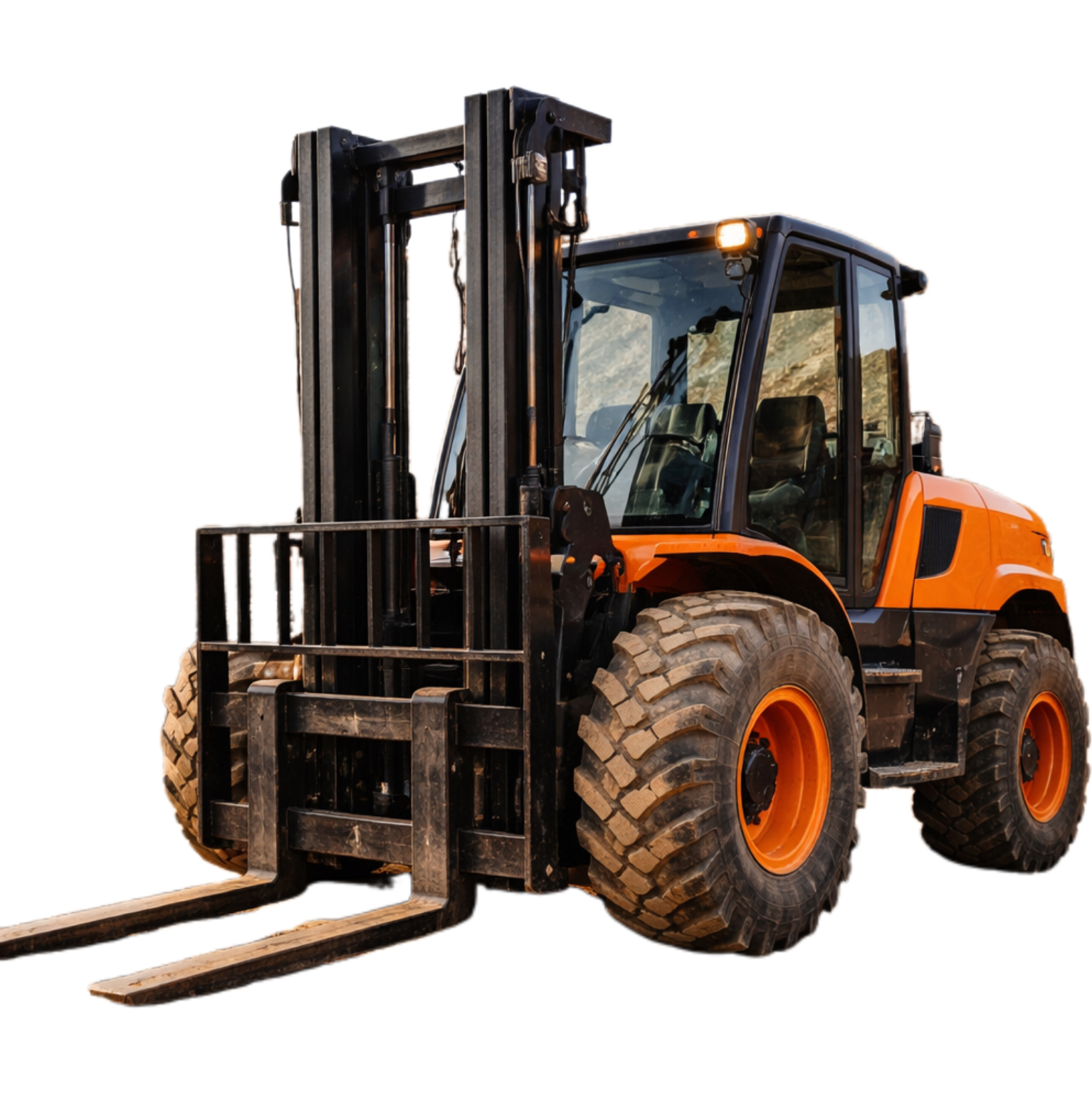


How Forklift Selection Impacts Warehouse Layout Design
Aligning Material Handling Equipment with Space and Efficiency Goals
Warehouse layout design is one of the most critical factors affecting operational efficiency, safety, and scalability. While storage systems and workflow planning often receive significant attention, forklift selection is sometimes treated as a secondary decision.
In reality, forklift type directly influences aisle width, racking height, traffic flow, and overall space utilization. Choosing the wrong forklift can limit storage density, create safety risks, and increase long-term operating costs.
This article explains how forklift selection impacts warehouse layout design and how companies can align equipment choices with their space and efficiency objectives.
1. Why Forklift Selection and Warehouse Layout Are Interconnected
Forklifts define how materials move within a warehouse. Their:
Turning radius
Load capacity
Lift height
Stability requirements
all impose physical constraints on layout design.
When forklifts are selected without considering layout, warehouses often face:
Excessively wide aisles
Underutilized vertical space
Traffic congestion
Increased travel distance
An integrated approach ensures maximum space efficiency and smoother operations.
2. Key Warehouse Layout Factors Influenced by Forklifts
Forklift selection affects several core layout parameters:
Aisle Width
Different forklifts require different aisle clearances for safe operation.
Storage Density
Narrower aisles allow more racking and higher storage capacity.
Vertical Utilization
Lift height capability determines maximum rack height.
Traffic Flow
Forklift speed and maneuverability affect traffic design.
Each of these factors has a direct impact on warehouse cost per square meter.
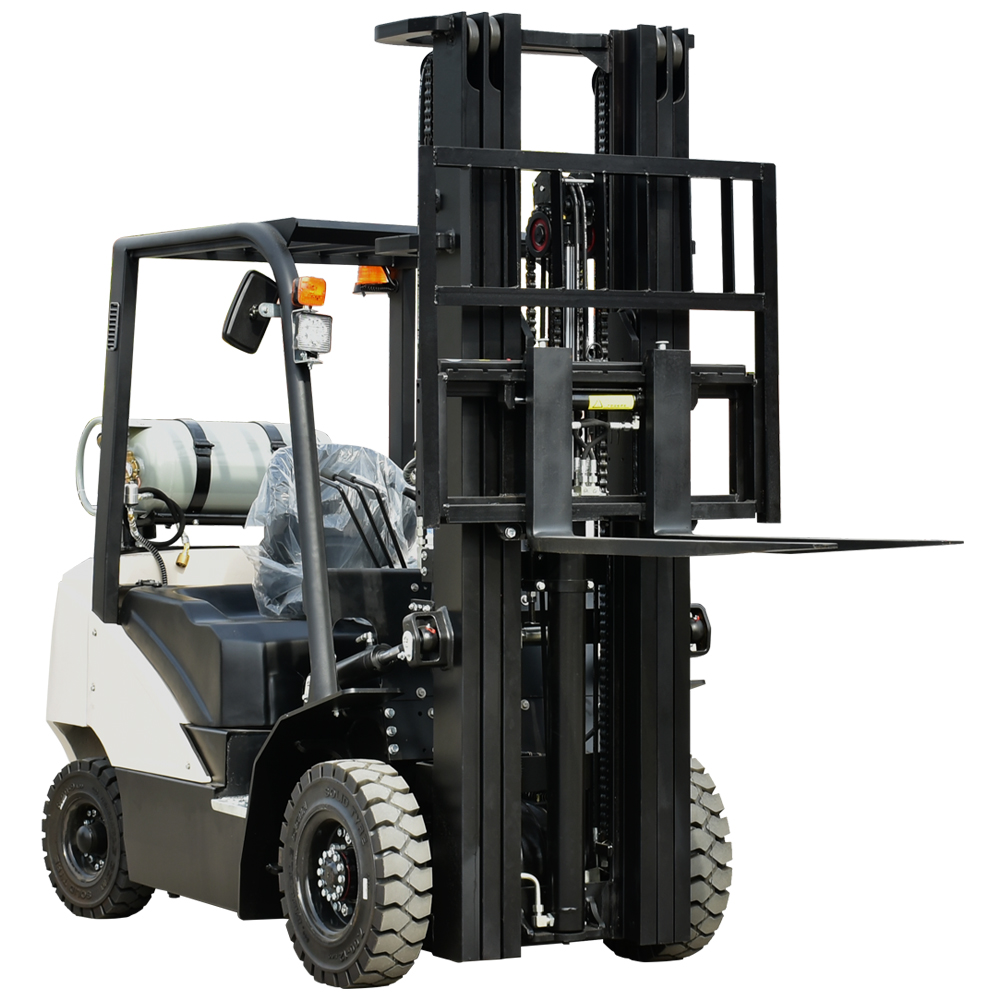
3. Counterbalance Forklifts and Conventional Layouts
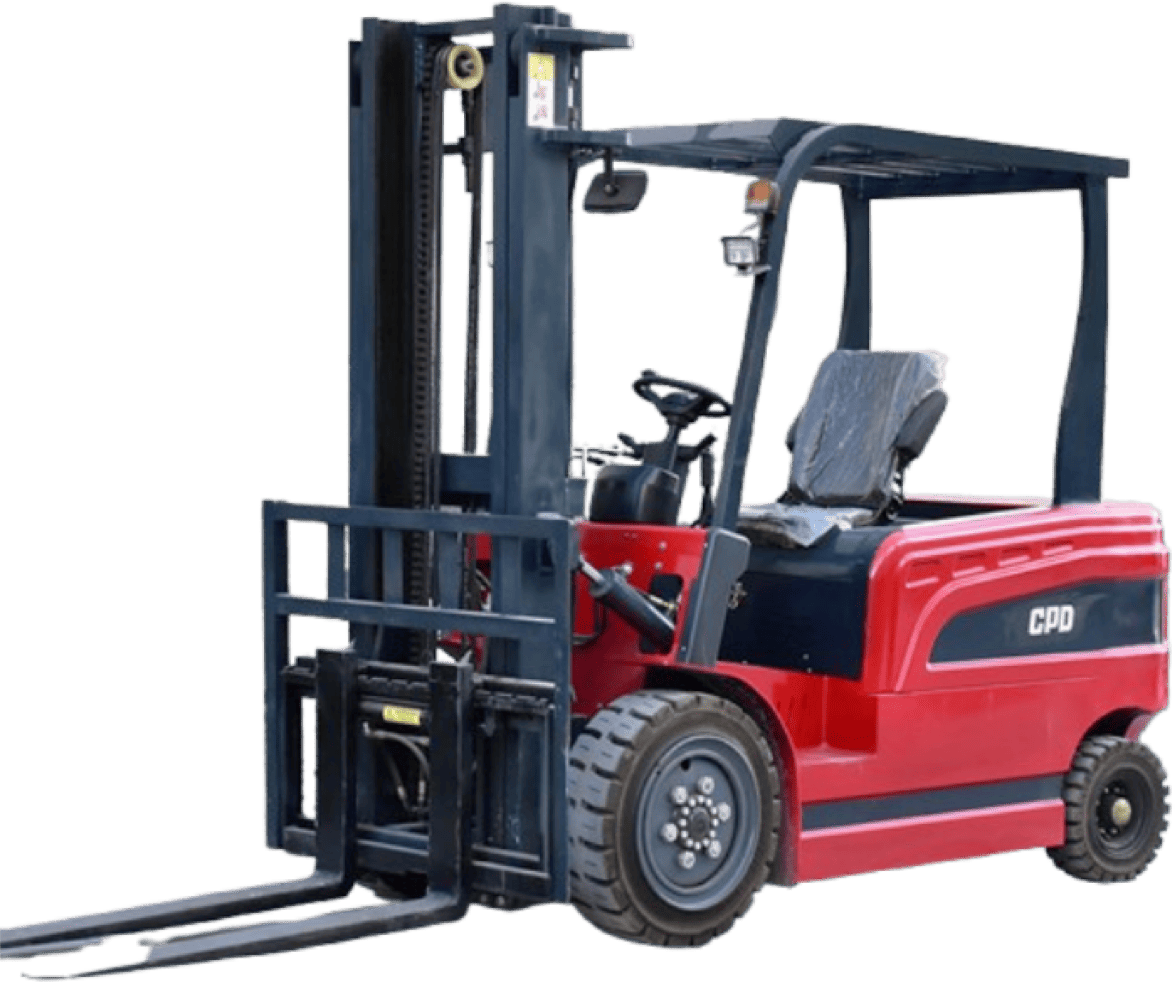
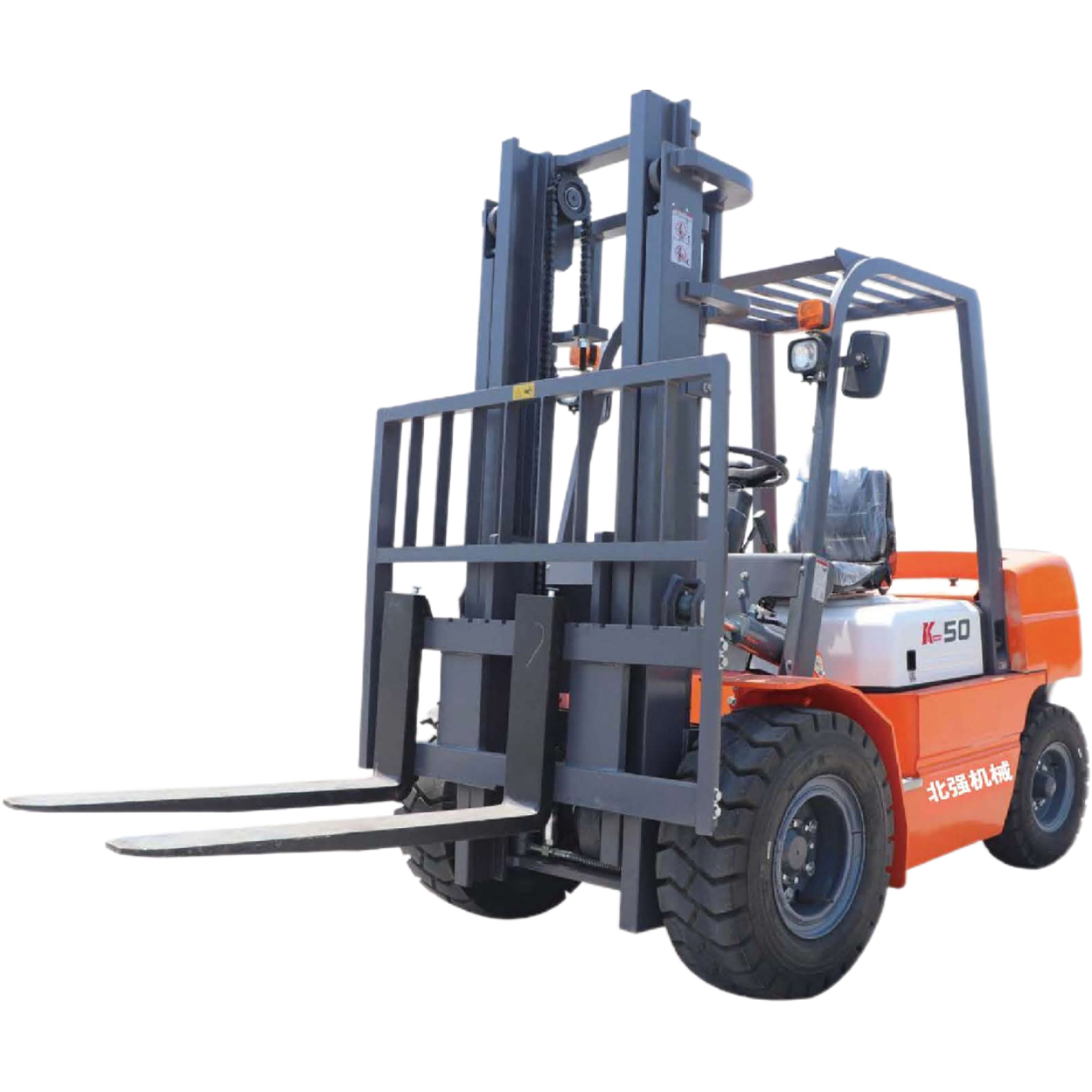
Counterbalance forklifts are the most commonly used type.
Layout Characteristics
Wide aisles (typically 3.5–4.0 meters or more)
Simple racking systems
High flexibility for mixed operations
Advantages
Easy to operate
Suitable for indoor and outdoor use
Lower initial equipment cost
Limitations
Lower storage density
Inefficient use of space in high-rent facilities
Counterbalance forklifts are ideal for warehouses prioritizing flexibility over maximum density.
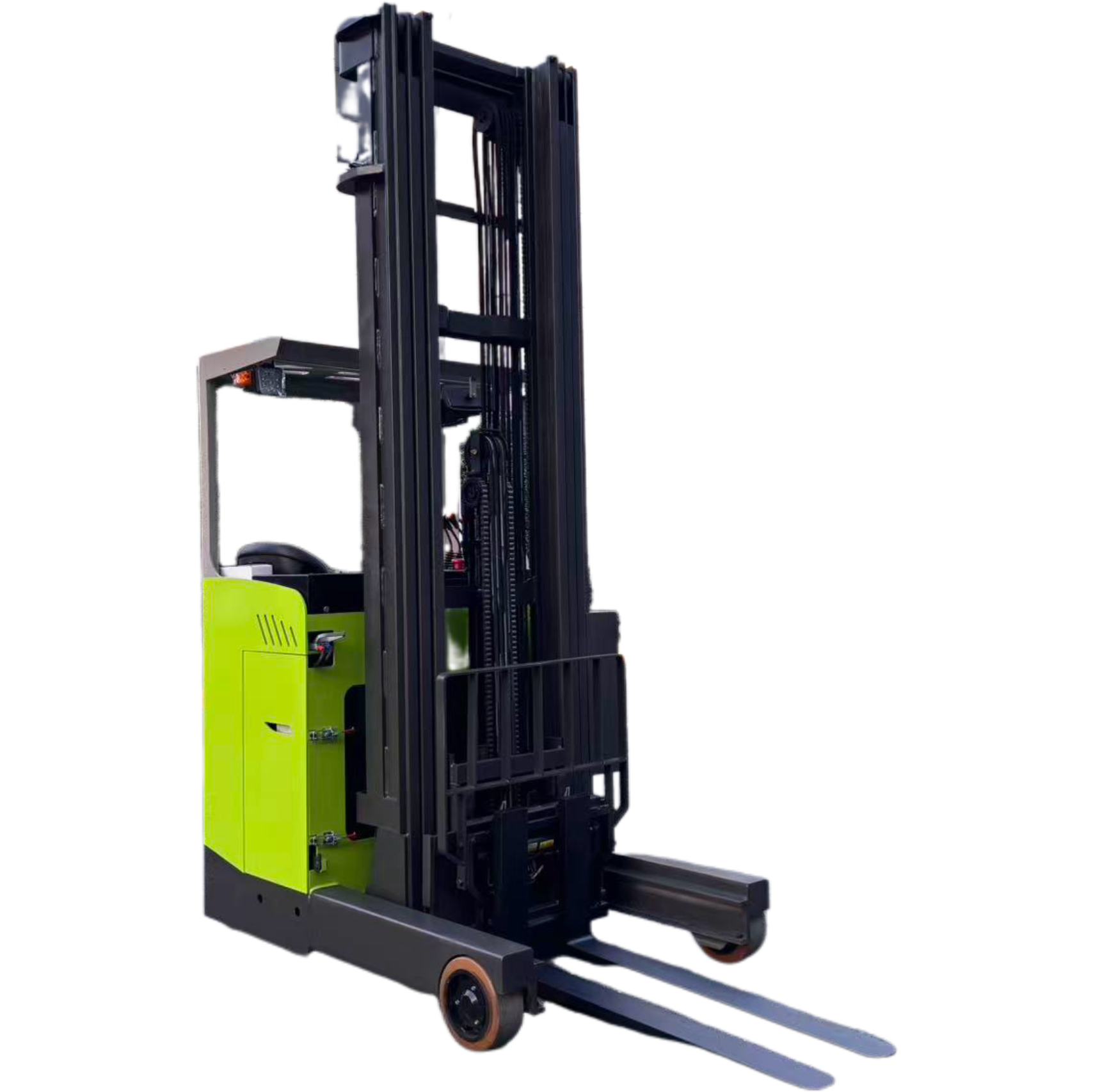
4. Reach Trucks and High-Density Storage
Reach trucks are designed for narrow aisle operations and high lift heights.
Layout Impact
Narrow aisles (as low as 2.6–3.0 meters)
Taller racking systems
Higher pallet density
Benefits
Improved vertical space utilization
Reduced warehouse footprint
Lower cost per pallet position
Considerations
Requires flat floors and good lighting
Higher equipment cost
Skilled operators
Reach trucks are commonly used in high-throughput distribution centers.
5. Very Narrow Aisle (VNA) Forklifts and Maximum Density
VNA forklifts are designed specifically for space-constrained warehouses.
Layout Characteristics
Extremely narrow aisles (1.6–2.0 meters)
Guided systems (wire, rail, or laser guidance)
Very high racking systems
Advantages
Maximum storage density
Ideal for high-value inventory
Reduced warehouse expansion needs
Challenges
High infrastructure investment
Limited flexibility
Precise layout planning required
VNA systems are best suited for long-term, high-density storage strategies.
6. Pallet Stackers and Small-Scale Layouts
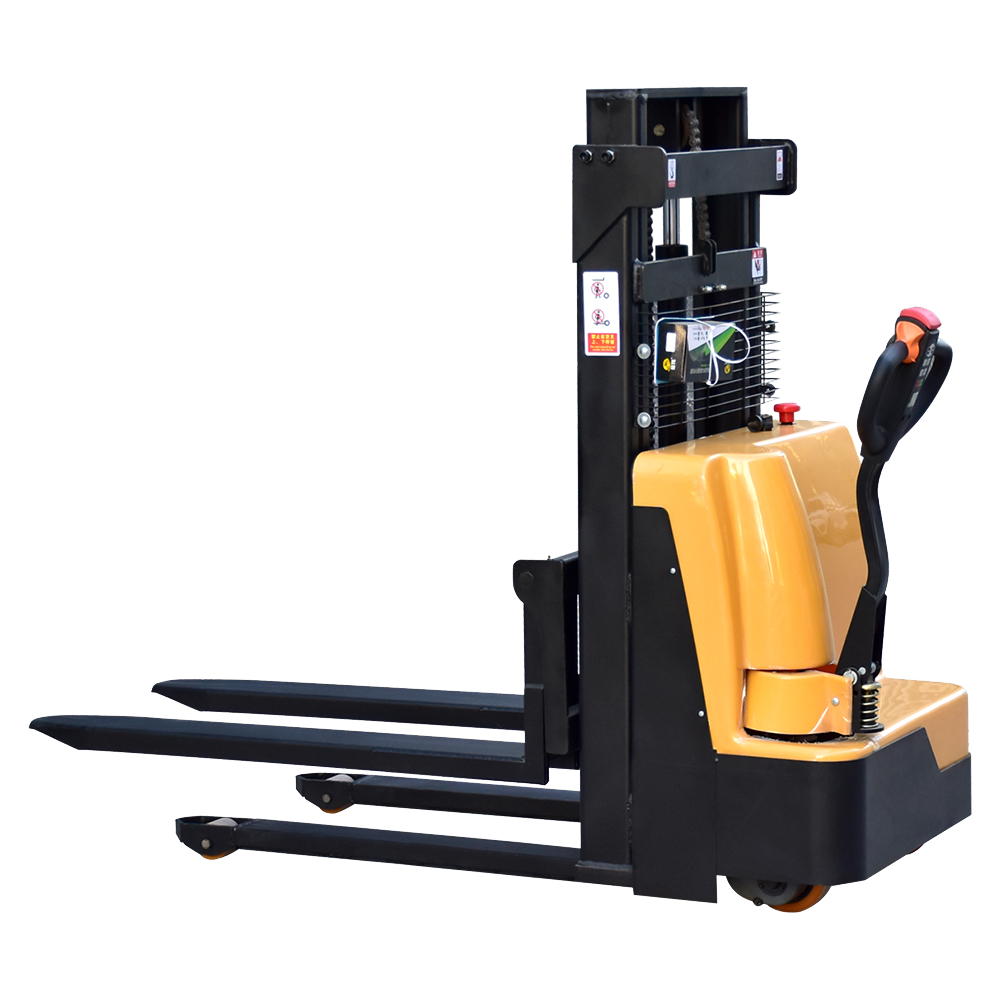
Electric pallet stackers are often used in compact facilities.
Layout Influence
Narrow working areas
Lower racking heights
Simple storage systems
Ideal Use Cases
Small warehouses
Backroom storage
Low to medium throughput operations
While limited in capacity, stackers support cost-effective layouts in space-constrained environments.
7. Outdoor and Mixed-Use Layout Considerations
Forklifts used outdoors or in mixed environments impose different layout requirements.
Key Factors
Surface conditions
Weather exposure
Transition zones between indoor and outdoor areas
Diesel or LPG forklifts often require:
Wider turning areas
Reinforced flooring
Dedicated traffic lanes
Layout design must account for durability and safety under these conditions.
8. Safety Zoning and Pedestrian Separation
Forklift type influences safety zoning strategies.
Safety Design Elements
Pedestrian walkways
Buffer zones near racks
Turning radius allowances
Speed control zones
Larger forklifts require more space for safe maneuvering, directly affecting layout density.
9. Future Scalability and Layout Flexibility
Choosing forklifts based only on current needs can limit future growth.
Planning for Expansion
Anticipated increase in inventory volume
SKU diversification
Automation readiness
Forklifts compatible with narrow aisles and digital systems provide greater long-term flexibility.
10. Cost Implications of Layout Decisions
Layout inefficiencies lead to higher costs through:
Increased building size
Longer travel distances
Higher energy consumption
Reduced labor productivity
Optimizing forklift selection can significantly reduce total warehouse operating costs.
11. Best Practices for Aligning Forklift Selection with Layout Design
Integrated Planning Approach
Analyze current and future throughput
Evaluate space constraints
Simulate forklift movement
Cross-Functional Decision-Making
Involve operations, safety, and finance teams
Consider both CAPEX and OPEX
Professional Layout Simulation
Use digital layout tools
Test multiple forklift scenarios
Data-driven planning reduces risk and improves ROI.
Conclusion
Forklift selection is not just an equipment decision—it is a warehouse design decision. Different forklift types impose different spatial, safety, and operational requirements that shape layout efficiency and long-term cost structure.
By aligning forklift selection with warehouse layout design, companies can achieve higher storage density, smoother workflows, improved safety, and better scalability. In an era of rising logistics costs, this alignment is a critical competitive advantage.
Our manager will contact you shortly.
To contact you about our products and services.


Copyright © Xingtai Beiqiang Machinery Manufacturing Factory. 2025.
Technical support:Echola