

Total Cost of Ownership (TCO) Analysis for Forklifts
Total Cost of Ownership (TCO) Analysis for Forklifts
How to Make Smarter Forklift Purchasing and Management Decisions
When companies evaluate forklifts, many focus primarily on the purchase price. While upfront cost is important, it represents only a fraction of the true cost of owning and operating a forklift.
To make informed decisions, industrial buyers must consider Total Cost of Ownership (TCO)—a comprehensive financial framework that captures all costs incurred throughout a forklift’s lifecycle.
This article provides a practical guide to forklift TCO analysis and explains how businesses can use it to optimize investment decisions, reduce operating costs, and improve long-term profitability.
1. What Is Total Cost of Ownership (TCO)?
Total Cost of Ownership refers to the complete cost of acquiring, operating, maintaining, and disposing of an asset over its useful life.
For forklifts, TCO typically includes:
Acquisition costs
Operating costs
Maintenance and repair
Downtime and productivity losses
Residual or disposal value
TCO shifts decision-making from short-term price comparison to long-term value assessment.
2. Acquisition Costs: More Than the Purchase Price
Acquisition cost is the most visible component, but it includes more than just the forklift itself.
Key Acquisition Cost Elements
Forklift purchase price
Attachments and accessories
Shipping and installation
Operator training
Initial spare parts and tooling
A lower purchase price may not always result in lower TCO if it leads to higher costs later.
3. Operating Costs: The Largest TCO Component
Operating costs often represent the largest share of forklift TCO.
Energy and Fuel Costs
Diesel and LPG forklifts incur fuel expenses and emissions compliance costs
Electric forklifts consume electricity and require battery charging infrastructure
Energy efficiency plays a major role in long-term cost control.
Labor Costs
Operator wages
Time lost due to inefficient equipment
Additional staffing during downtime
Even small efficiency gains can lead to significant savings at scale.
4. Maintenance and Repair Costs
Maintenance costs vary significantly depending on forklift type, usage intensity, and maintenance strategy.
Maintenance Cost Drivers
Preventive vs predictive maintenance approach
Availability and cost of spare parts
Service response time
Equipment quality and reliability
Higher-quality forklifts often have lower lifetime maintenance costs, even if their purchase price is higher.
5. Downtime Costs and Productivity Loss
Downtime is an often underestimated component of TCO.
Hidden Costs of Downtime
Delayed order fulfillment
Production stoppages
Overtime labor
Customer dissatisfaction
Downtime costs frequently exceed direct repair expenses, making reliability a key TCO factor.
6. Energy Type and Its Impact on TCO
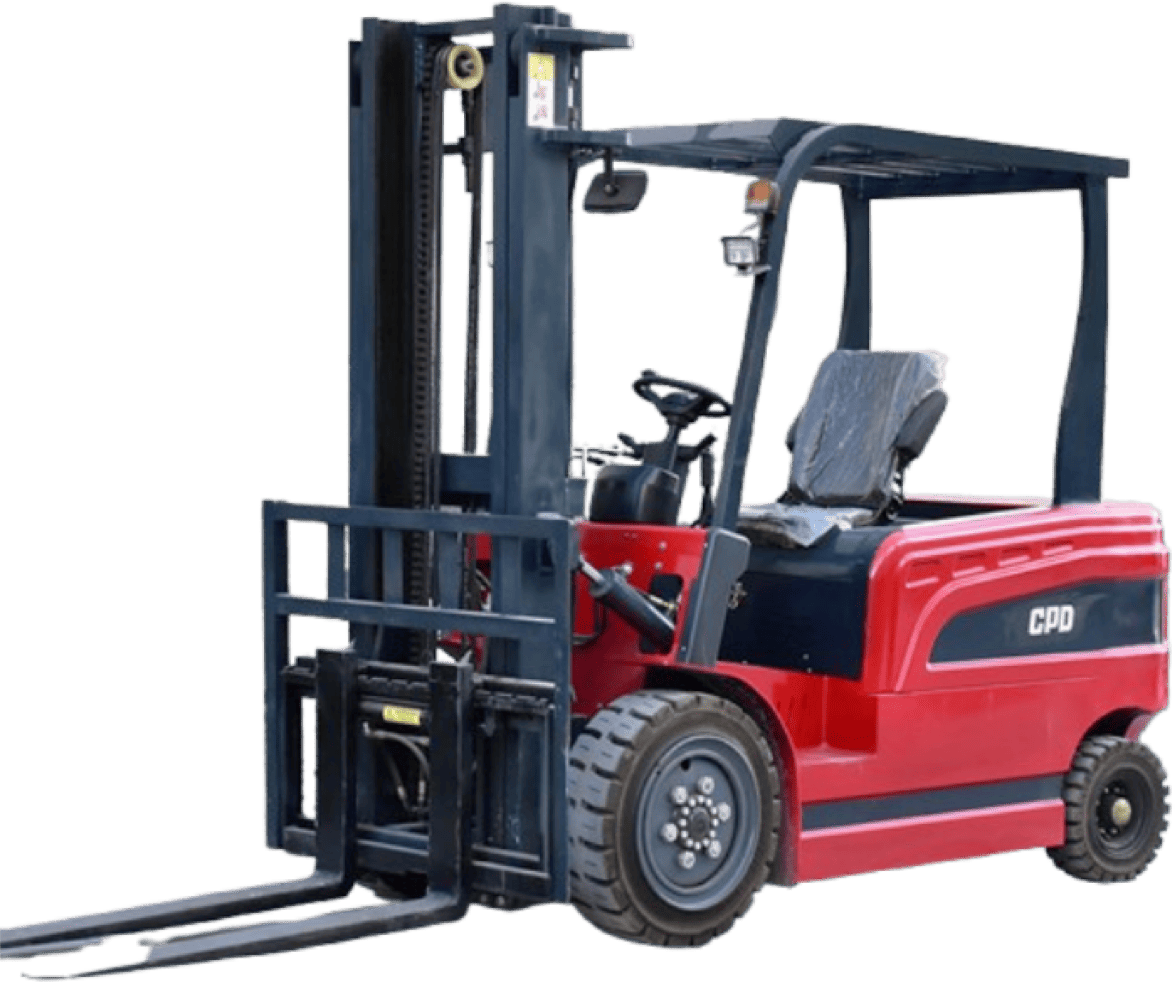
Electric Forklifts
Lower energy cost per operating hour
Fewer moving parts
Reduced maintenance
Higher battery replacement costs
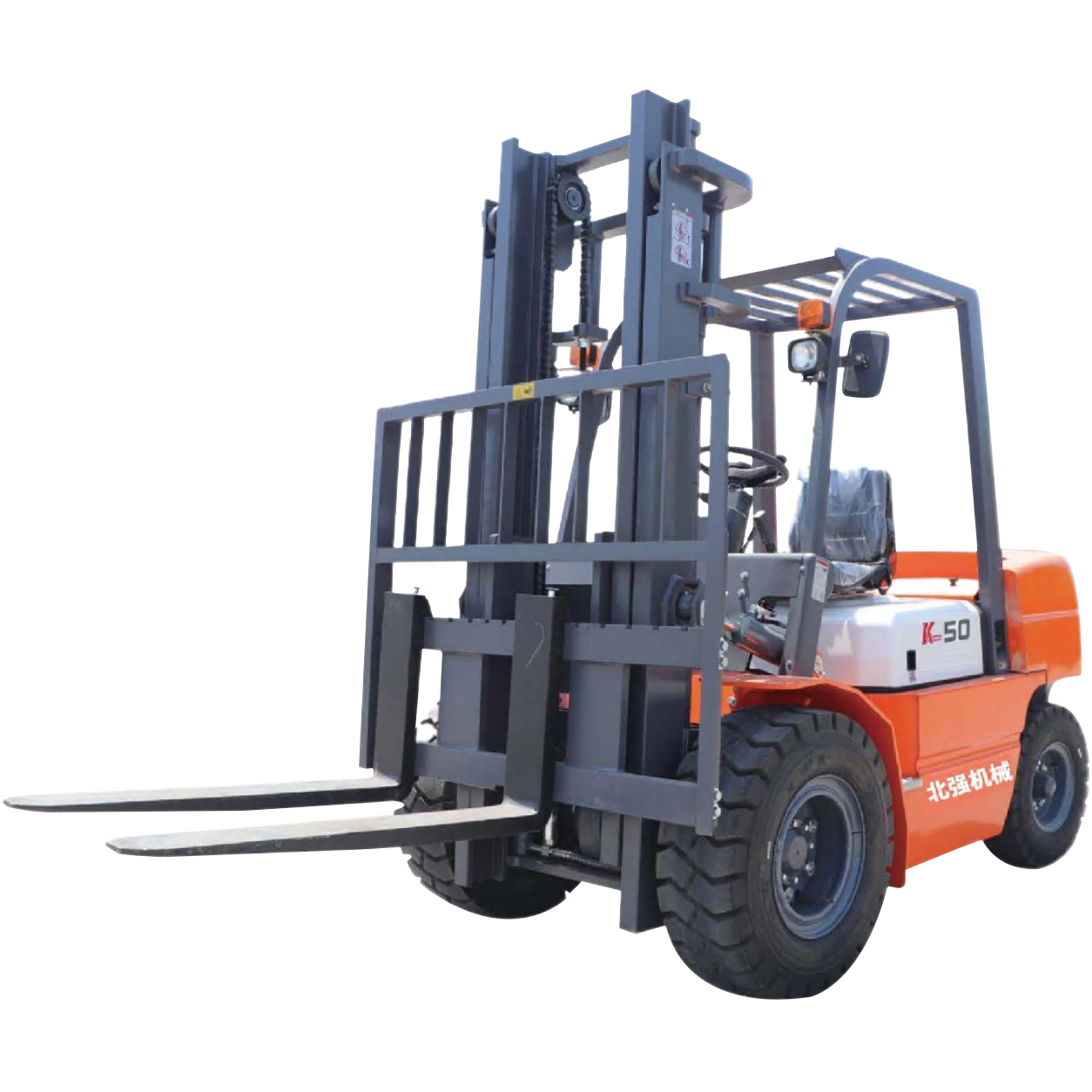
Internal Combustion Forklifts
Lower initial cost
Higher fuel and maintenance expenses
Emissions compliance requirements
Choosing the right energy type has a major impact on long-term ownership costs.
7. Residual Value and End-of-Life Costs
At the end of its service life, a forklift still has financial implications.
Residual Value Factors
Brand reputation
Maintenance history
Usage intensity
Market demand
Forklifts with higher residual value reduce overall TCO and improve return on investment.
8. How TCO Analysis Improves Purchasing Decisions
TCO analysis allows buyers to:
Compare different forklift models objectively
Justify higher upfront investment
Align equipment choice with operational needs
Reduce long-term financial risk
Rather than asking “Which forklift is cheaper?”, TCO asks “Which forklift costs less over time?”
9. Using TCO to Optimize Fleet Size
Excess forklifts increase TCO through:
Idle capital
Unnecessary maintenance
Storage and insurance costs
TCO analysis helps identify:
Underutilized equipment
Opportunities for fleet reduction
Better task allocation
Optimized fleet size improves both cost efficiency and productivity.
10. TCO and Sustainability Goals
Sustainability initiatives increasingly influence equipment decisions.
Sustainability-Related TCO Factors
Energy efficiency
Emissions and compliance costs
Battery recycling
Environmental incentives
Lower environmental impact often correlates with lower operating costs, strengthening the TCO case.
11. Practical Steps to Conduct a Forklift TCO Analysis
Define forklift service life
Collect acquisition and operating data
Estimate maintenance and downtime costs
Include residual value
Compare multiple scenarios
Accurate data is critical—assumptions should be realistic and based on actual usage patterns.
Conclusion
Total Cost of Ownership analysis is a powerful tool for forklift buyers and fleet managers. By looking beyond the purchase price, companies gain a clear understanding of long-term costs and operational impact.
A well-executed TCO analysis leads to smarter investments, lower operating expenses, improved reliability, and stronger competitiveness. In today’s cost-sensitive industrial environment, TCO-driven decision-making is no longer optional—it is essential.
Our manager will contact you shortly.
To contact you about our products and services.
Copyright © Xingtai Beiqiang Machinery Manufacturing Factory. 2025.
Technical support:Echola