

Introduction: The Rise of Intelligent Stacking Solutions
Electric stackers represent a fundamental transformation in how modern warehouses, factories, and logistics centers handle vertical material movement. Unlike traditional forklifts designed for both horizontal transport and lifting, electric stackers specialize in precision vertical stacking with superior maneuverability in confined spaces. These compact, electrically powered machines have become essential equipment for operations prioritizing space optimization, operator safety, and energy efficiency. As global e-commerce continues to demand faster turnaround and higher storage density, electric stackers provide the agile, cost-effective solution that bridges the gap between manual handling and full-scale forklift operations.
What Are Electric Stackers?
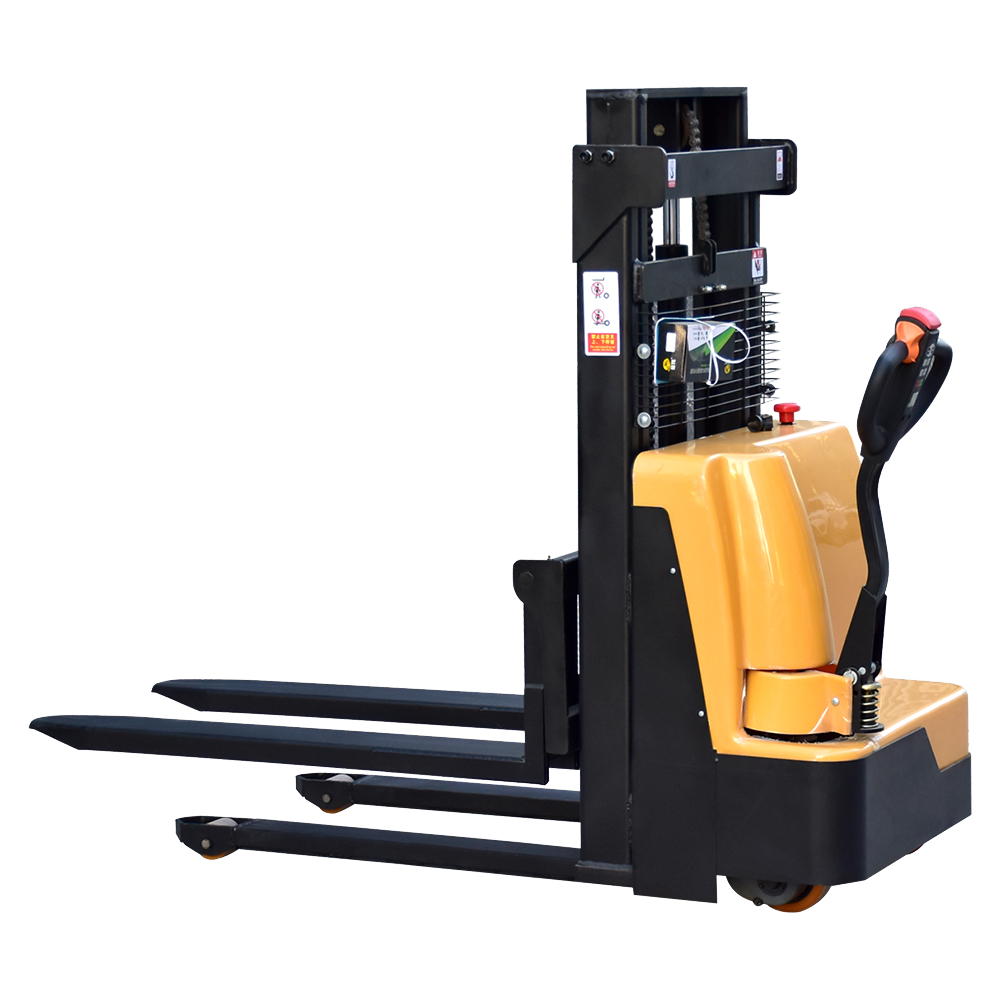
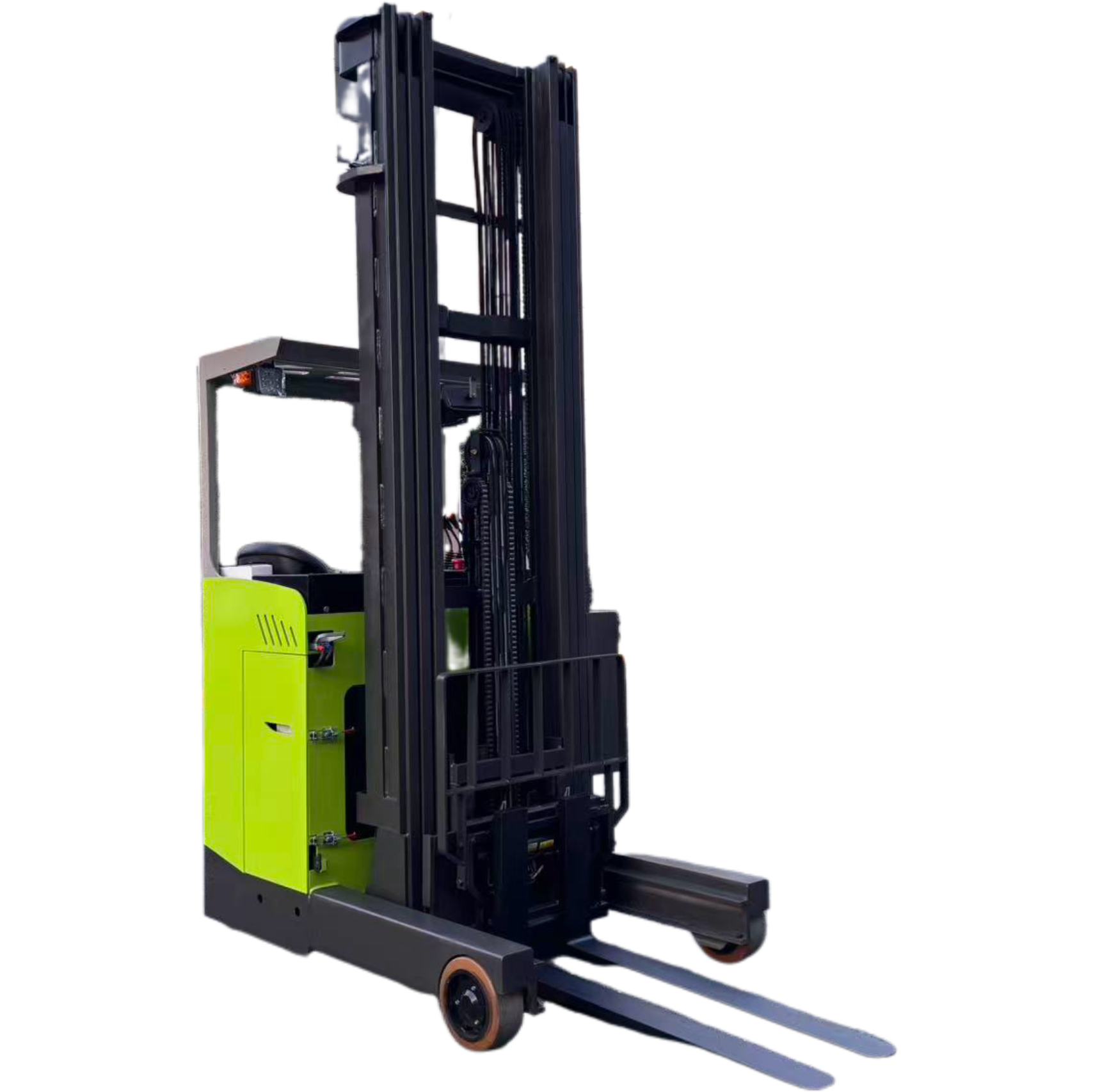
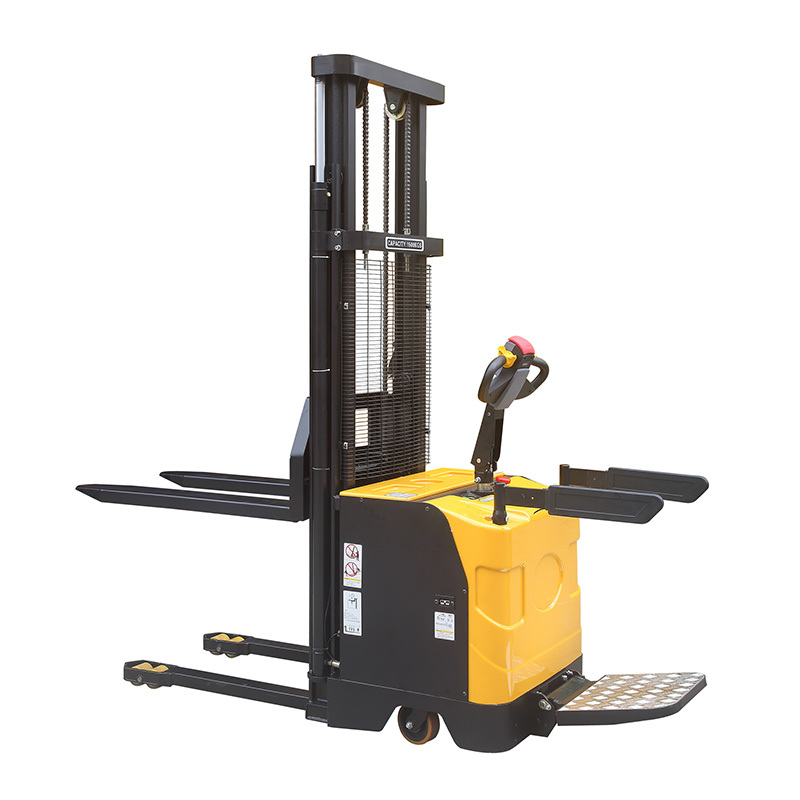
Electric stackers are battery-powered lifting devices specifically engineered for lifting, lowering, and positioning palletized loads at various heights. Characterized by their compact footprint, stand-on or walk-behind operation, and specialized mast designs, they excel in environments where larger forklifts cannot maneuver effectively. Modern electric stackers feature advanced control systems, ergonomic operator interfaces, and lithium-ion battery technology that enables continuous operation through quick charging capabilities. These machines typically operate with capacities ranging from 1,000 to 3,000 pounds and lift heights up to 20 feet, making them ideal for multi-level shelving systems and mezzanine storage applications.
Core Advantages Over Alternative Solutions
1. Space Optimization & Superior Maneuverability
Electric stackers offer a revolutionary approach to warehouse space utilization:
Compact footprint (often 30-50% smaller than equivalent counterbalance forklifts)
Tight turning radius (as little as 60 inches for most models)
Reduced aisle requirements (operating effectively in aisles as narrow as 6 feet)
Low overhead clearance capabilities for multi-level facilities
2. Enhanced Safety & Ergonomic Design
Modern electric stackers prioritize operator safety and comfort:
Low center of gravity for exceptional stability during lifting operations
Intelligent speed control that automatically reduces speed when loaded
Anti-rollback features on inclines and decline surfaces
Ergonomic controls positioned for natural operation, reducing fatigue
Comprehensive visibility through open mast designs and optimal operator positioning
3. Economic Efficiency & Lower Total Cost of Ownership
The financial benefits of electric stackers extend across their operational lifecycle:
Energy consumption up to 80% lower than equivalent internal combustion equipment
Minimal maintenance requirements with no hydraulic fluids, filters, or complex transmissions
Extended battery life through intelligent energy management systems
Reduced infrastructure costs (no need for extensive ventilation or fuel storage)
Higher resale value retention compared to manual alternatives
4. Environmental Sustainability
Electric stackers support green logistics initiatives:
Zero operational emissions for improved indoor air quality
Quiet operation (typically below 70 dB) enabling 24/7 operations
Energy recovery systems that capture braking energy for battery recharge
Compatibility with renewable energy sources for carbon-neutral operations
Primary Types of Electric Stackers
| Type | Key Characteristics | Optimal Applications | Lift Capacity Range |
|---|---|---|---|
| Walkie Stackers | Operator walks behind, controls via handle-mounted interface | Low-volume operations, retail environments, order picking | 1,000-2,500 lbs |
| Rider Stackers | Operator rides on integrated platform, higher travel speeds | Medium-volume warehouses, longer transport distances | 1,500-3,000 lbs |
| Pantograph Stackers | Scissor-type mechanism for increased horizontal reach | Double-deep racking systems, specialized storage configurations | 1,000-2,200 lbs |
| Compact Stackers | Ultra-narrow design for extremely confined spaces | Pharmaceutical storage, document centers, aerospace parts handling | 1,000-1,500 lbs |
| High-Lift Stackers | Extended mast heights for maximum vertical storage | High-bay warehouses, multi-level mezzanine systems | 1,000-2,000 lbs |
Operational Specifications Comparison
| Performance Metric | Walkie Stacker | Rider Stacker | Industry Standard Forklift |
|---|---|---|---|
| Aisle Width Required | 6-7 feet | 7-8 feet | 10-12 feet |
| Maximum Travel Speed | 3 mph | 4.5 mph | 7-8 mph |
| Lift Speed (Loaded) | 40 ft/min | 50 ft/min | 60-80 ft/min |
| Battery Runtime | 6-8 hours | 6-8 hours | 6-8 hours |
| Turning Radius | 60-70 inches | 70-80 inches | 90-120 inches |
| Operator Training Required | 2-4 hours | 4-8 hours | 16-24 hours |
Applications Across Industries
Warehousing & Distribution
High-density storage systems with narrow-aisle configurations
Cross-docking operations requiring rapid loading/unloading
Multi-level mezzanine access for optimized cubic space utilization
Seasonal operations where equipment flexibility is paramount
Our manager will contact you shortly.
To contact you about our products and services.


Copyright © Xingtai Beiqiang Machinery Manufacturing Factory. 2025.
Technical support:Echola