

Executive Summary: The Electric Transformation
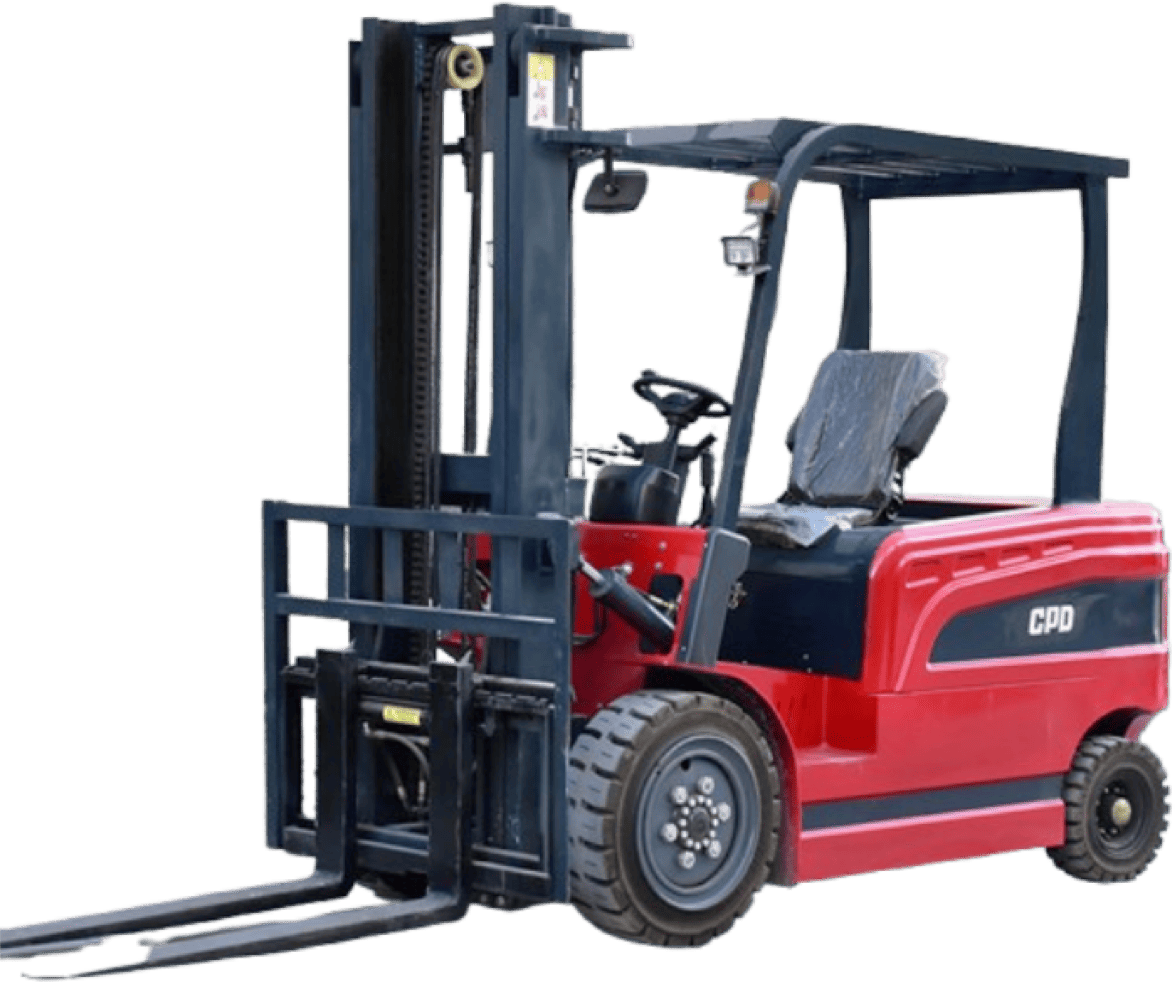
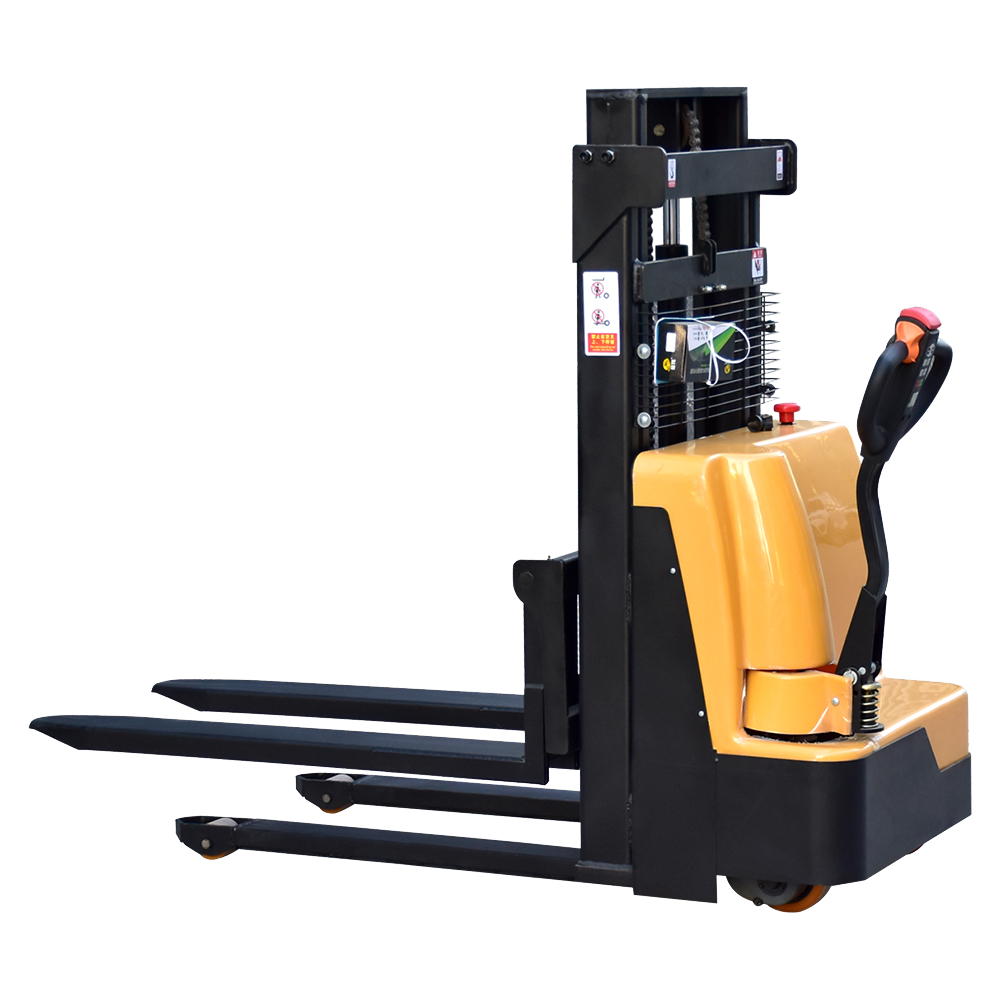
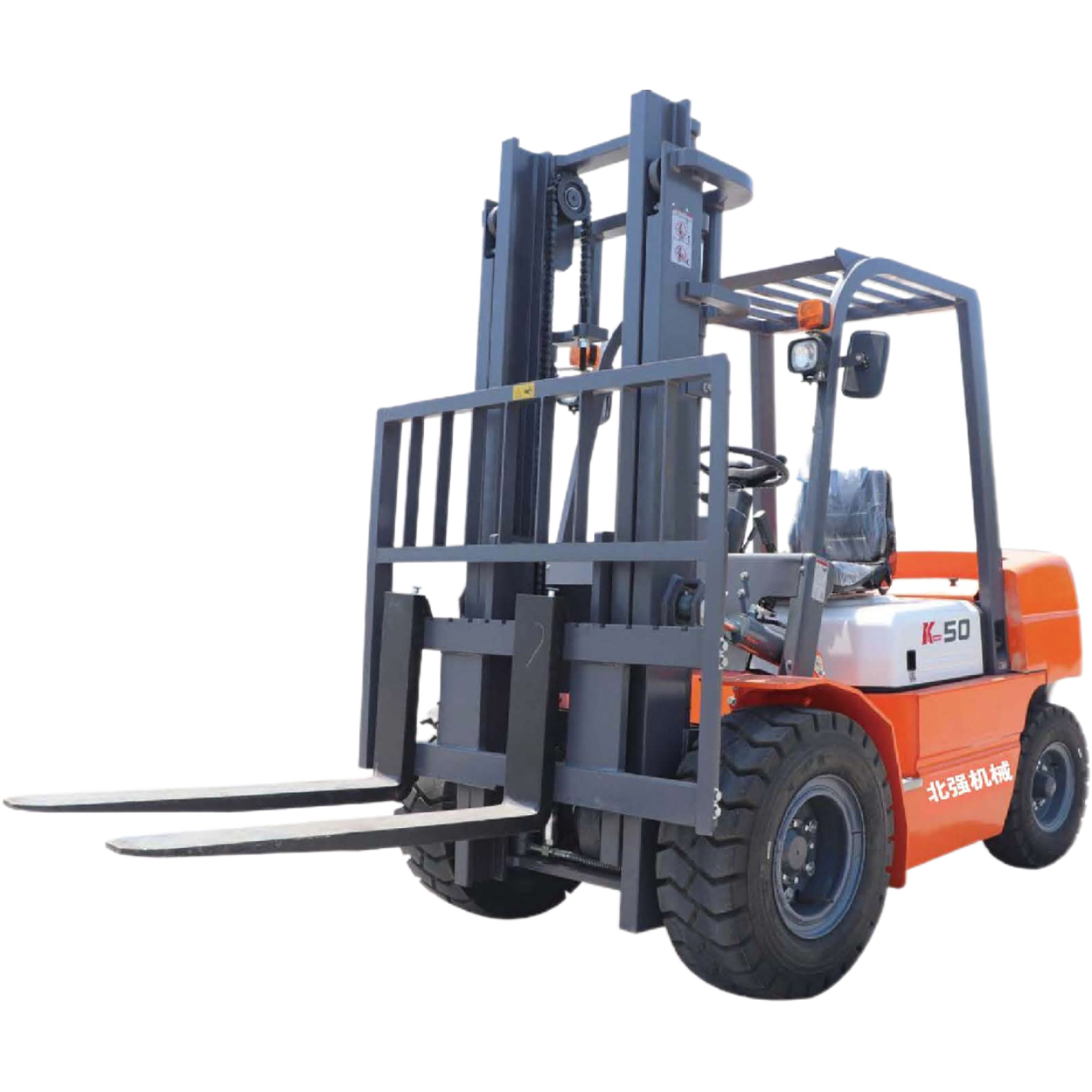
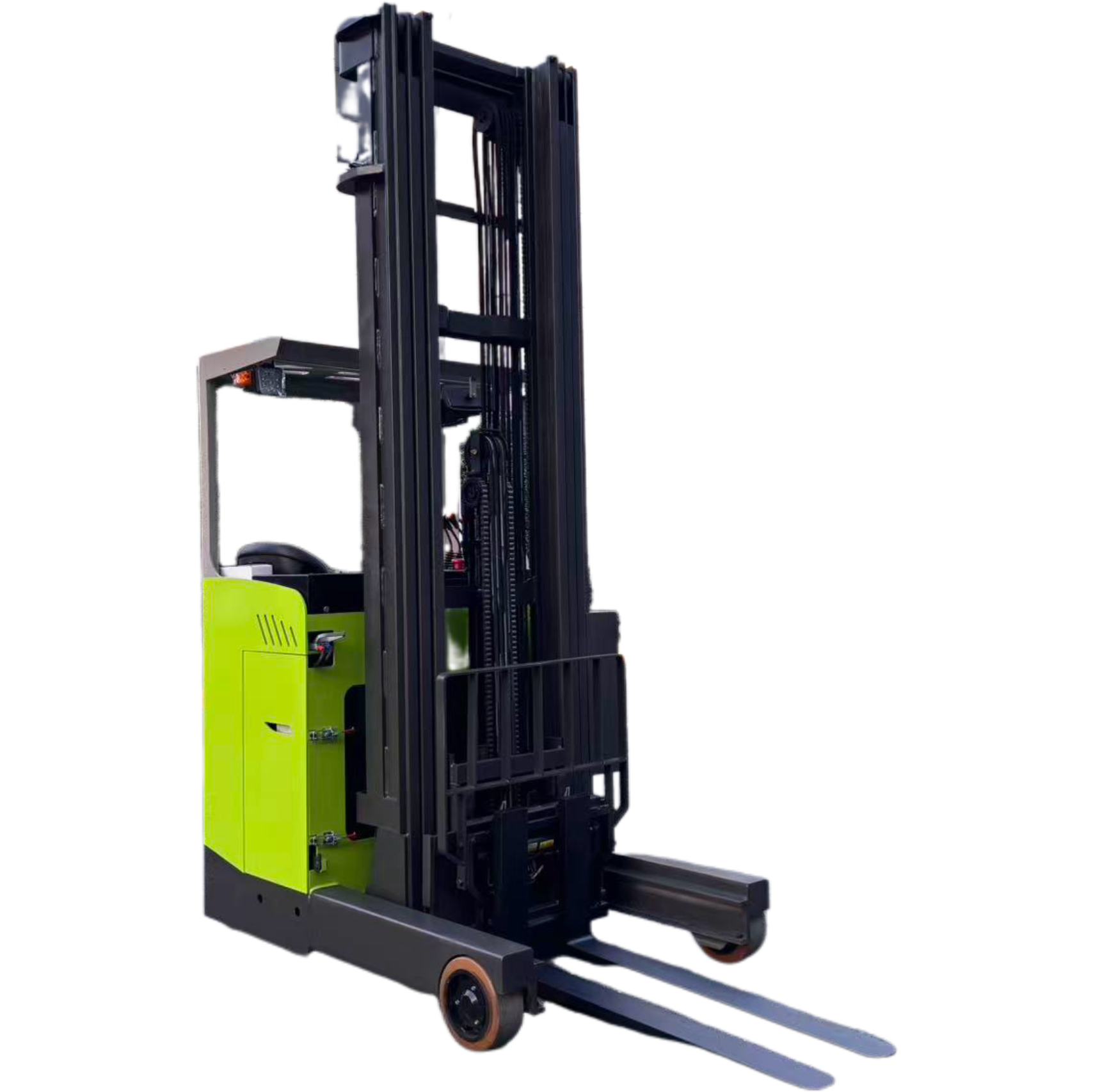
In today's fast-paced logistics and manufacturing environments, electric forklifts have emerged as the undisputed leaders in material handling technology. These sophisticated machines represent more than just an alternative to traditional internal combustion (IC) forklifts—they signify a fundamental shift toward intelligent, sustainable, and cost-effective warehouse operations. With global markets increasingly prioritizing environmental responsibility and operational efficiency, electric forklifts offer a compelling solution that addresses both economic and ecological concerns simultaneously. This comprehensive guide explores why businesses worldwide are transitioning to electric fleets, examining the technical innovations, operational benefits, and strategic advantages that make electric forklifts the future of material handling.
Technical Evolution: From Simple Machines to Smart Systems
Modern electric forklifts represent a remarkable convergence of electrical engineering, battery technology, and smart system integration. Unlike their predecessors that relied primarily on lead-acid batteries and basic controls, today's models feature:
Advanced Lithium-Ion Battery Systems: Offering 30-50% more energy density than traditional lead-acid batteries, with intelligent battery management systems that optimize performance and lifespan
Regenerative Braking Technology: Capturing kinetic energy during deceleration and converting it back to electrical energy, extending operational time between charges
Integrated Telematics and IoT Connectivity: Providing real-time monitoring of performance metrics, maintenance needs, and operator behavior through cloud-based platforms
Precision Control Systems: Featuring smoother acceleration curves and more responsive handling than hydraulic systems, reducing product damage and improving safety
Comparative Analysis: Electric vs. Internal Combustion Forklifts
| Performance Metric | Electric Forklifts | Internal Combustion Forklifts | Advantage |
|---|---|---|---|
| Energy Efficiency | 75-85% (Electrical to mechanical) | 20-30% (Fuel to mechanical) | Electric: 3x more efficient |
| Fuel Cost per Shift | $6-$12 (Electricity) | $25-$40 (Propane/Diesel) | Electric saves 60-70% |
| Annual Maintenance | $800-$1,500 | $2,500-$4,000 | Electric saves 50-65% |
| Noise Level | 65-75 dB | 85-95 dB | Electric: 50% quieter |
| Local Emissions | Zero | CO, NOx, Particulates | Electric eliminates indoor air pollution |
| Lifespan | 10-15 years | 7-10 years | Electric: 30-50% longer |
Data based on industry averages for Class I & II forklifts operating 2,000 hours annually
The Four Pillars of Electric Forklift Advantages
1. Economic Superiority: Lower Total Cost of Ownership
The financial case for electric forklifts extends far beyond fuel savings. When analyzed through a Total Cost of Ownership (TCO) lens, electric models demonstrate clear economic advantages:
Energy Cost Reduction: Electric forklifts consume approximately $0.12-$0.18 of electricity per kilowatt-hour compared to $0.80-$1.20 worth of propane for equivalent work
Maintenance Simplicity: With fewer moving parts (no engine, transmission, or complex exhaust systems), maintenance is primarily limited to brakes, tires, and electrical components
Extended Lifespan: Properly maintained electric forklifts typically operate 2-3 years longer than comparable IC models
Resale Value Retention: High-quality electric forklifts retain 40-50% of their value after 5 years, compared to 25-35% for IC models
2. Environmental Leadership: Sustainable Operations
Electric forklifts align perfectly with modern Environmental, Social, and Governance (ESG) initiatives and corporate sustainability goals:
Zero Operational Emissions: Eliminate workplace exposure to harmful pollutants like carbon monoxide, nitrogen oxides, and particulate matter
Carbon Footprint Reduction: Even when accounting for electricity generation, electric forklifts typically produce 40-60% fewer greenhouse gas emissions than IC models
No Fluid Contamination Risk: Eliminate potential soil and groundwater contamination from fuel and hydraulic fluid leaks
Quieter Work Environments: Reduced noise pollution creates safer working conditions and enables 24/7 operations in noise-sensitive areas
3. Operational Excellence: Performance and Productivity
Beyond cost and environmental benefits, electric forklifts deliver tangible performance improvements:
Instant Torque Response: Electric motors provide maximum torque immediately, enabling faster acceleration and smoother load handling
Consistent Power Delivery: Unlike IC engines that experience power fluctuations, electric motors maintain consistent performance throughout battery charge cycles
Precision Control: Advanced control systems allow for millimeter-precise positioning, reducing product damage and improving safety
Adaptive Performance Modes: Modern systems offer eco-mode for maximum efficiency, standard mode for balanced performance, and power mode for demanding applications
4. Technological Integration: The Smart Warehouse Enabler
Electric forklifts serve as the perfect platform for implementing Industry 4.0 technologies:
Telematics Integration: Monitor real-time location, utilization rates, battery status, and maintenance needs
Predictive Maintenance Algorithms: Analyze performance data to anticipate component failures before they occur
Automation Compatibility: Interface seamlessly with automated storage and retrieval systems (AS/RS) and warehouse management systems (WMS)
Operator Assistance Features: Include collision avoidance systems, load stability monitors, and operator performance analytics
Our manager will contact you shortly.
To contact you about our products and services.


Copyright © Xingtai Beiqiang Machinery Manufacturing Factory. 2025.
Technical support:Echola