

Introduction: The Shift to Electric Power
In the dynamic world of material handling, a quiet revolution is transforming warehouses, distribution centers, and manufacturing plants worldwide. Electric forklifts have moved from being a niche alternative to becoming the dominant choice for businesses seeking efficiency, sustainability, and lower total cost of operation. Unlike their internal combustion (IC) engine counterparts, electric forklifts are powered by rechargeable batteries, offering a clean, quiet, and highly efficient solution for moving goods. This article explores why electric forklifts are the future, detailing their key benefits, types, and how to select the right model for your operations.
Core Advantages: Why Electric is the Smart Choice
The adoption of electric forklifts is driven by a powerful combination of economic, environmental, and operational benefits that deliver immediate and long-term value.
Significantly Lower Operating Costs:
Energy Efficiency: Electric motors are far more efficient than IC engines, converting a higher percentage of energy into usable work. Electricity is also generally cheaper than fossil fuels like propane or diesel.
Reduced Maintenance: With no engine, transmission, spark plugs, or fuel systems, electric forklifts have fewer moving parts. This eliminates the need for oil changes, air filters, and complex engine repairs, leading to dramatically lower maintenance costs and less downtime.
Zero Local Emissions & Improved Air Quality:
Electric forklifts produce no harmful exhaust emissions (like carbon monoxide, nitrogen oxides, or particulates). This makes them mandatory for indoor use and essential for businesses in food processing, pharmaceuticals, and cold storage, where air quality is critical. They also contribute to meeting corporate sustainability (ESG) goals.
Quieter Operation for Enhanced Work Environments:
The near-silent operation of an electric forklift reduces noise pollution significantly. This creates a safer, less stressful work environment, improves communication among staff, and allows for round-the-clock operations in noise-sensitive areas.
Consistent Power & Performance:
Electric forklifts deliver instant torque, providing smooth and responsive acceleration and lifting from the moment they start. Unlike IC forklifts, there is no power lag or performance drop-off.
Main Types of Electric Forklifts
Electric forklifts come in various configurations to suit different applications:
| Type | Key Features | Ideal Applications |
|---|---|---|
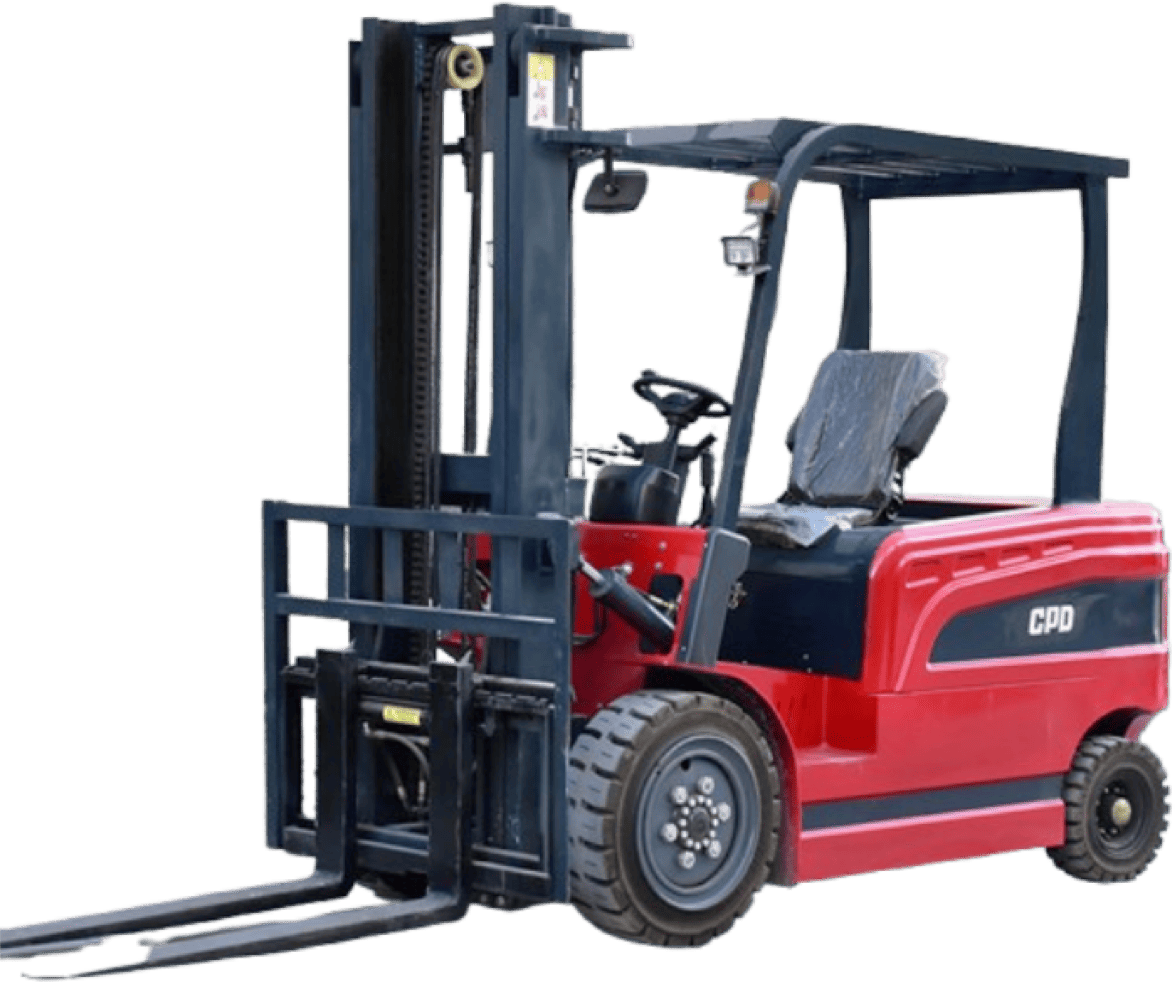
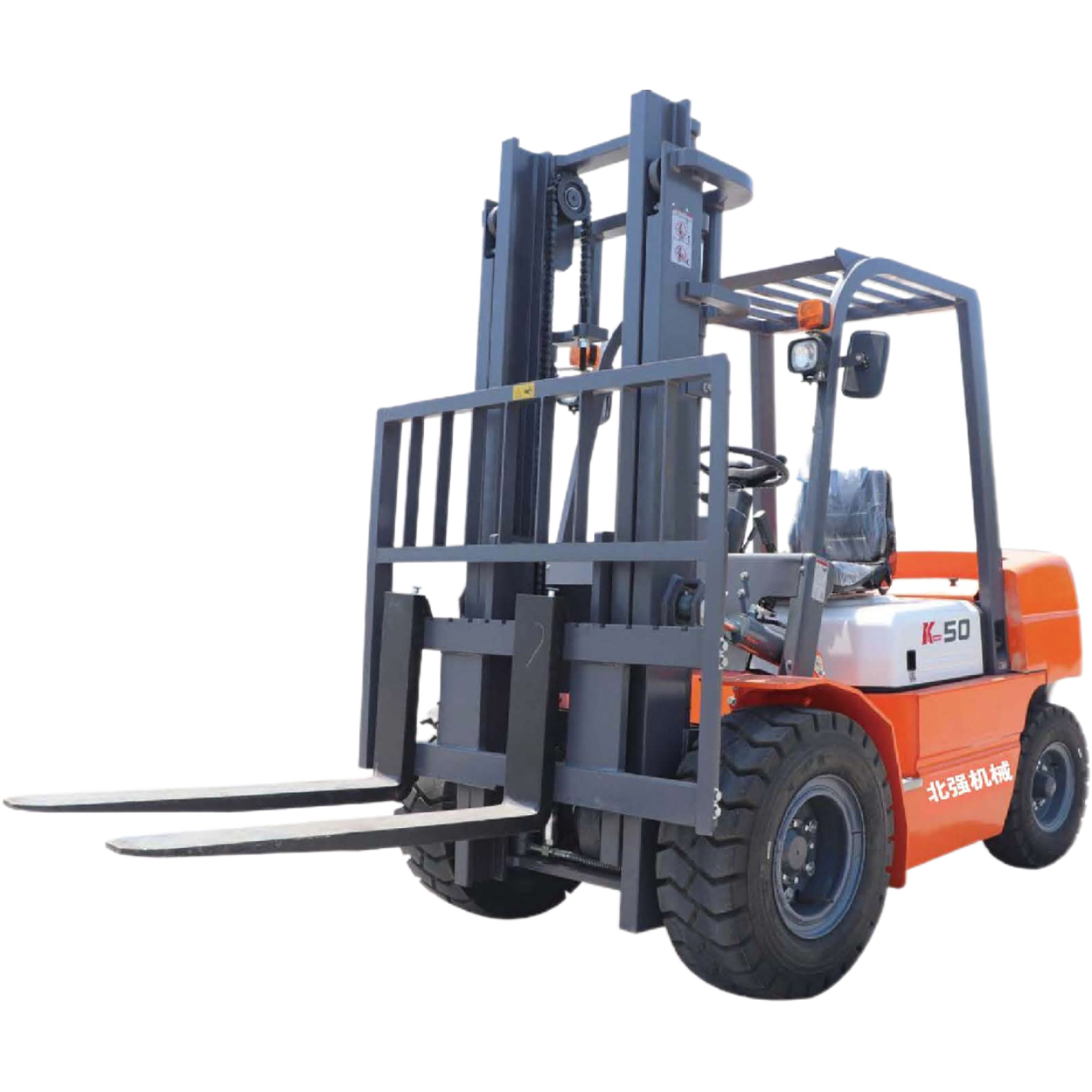
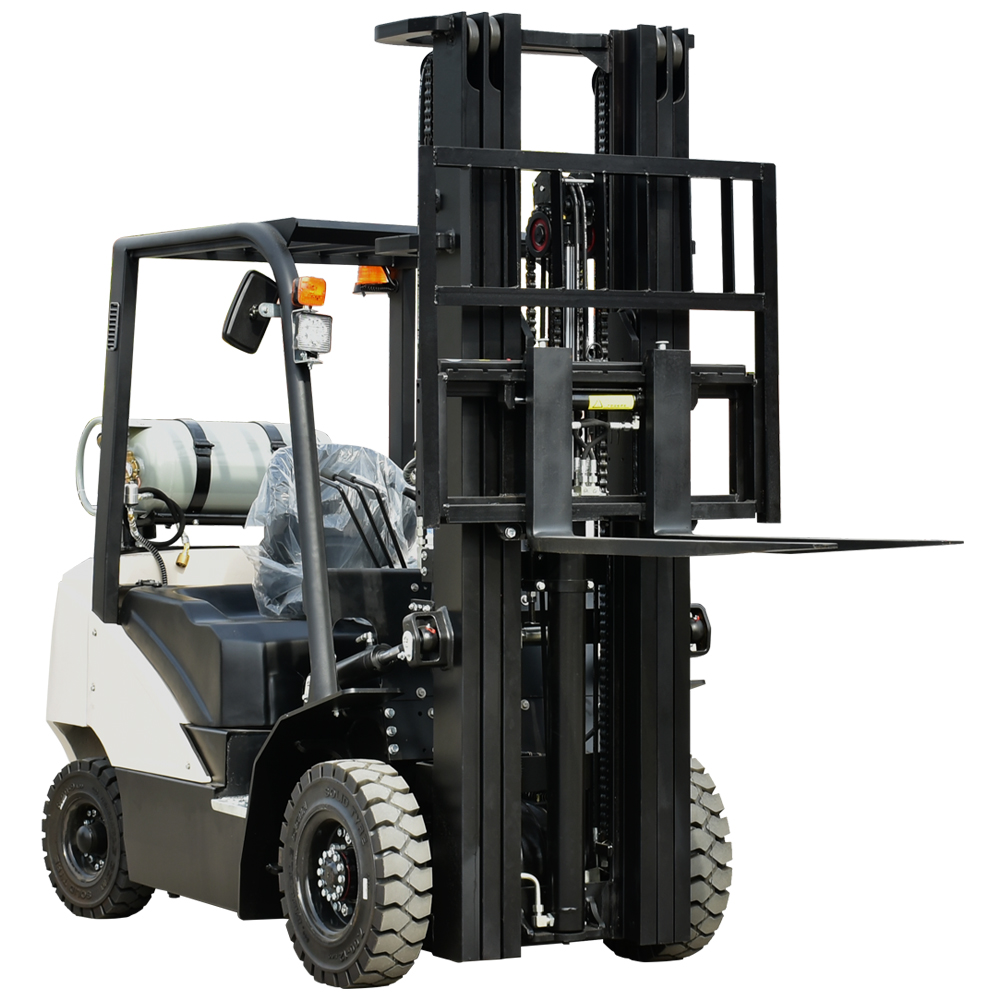
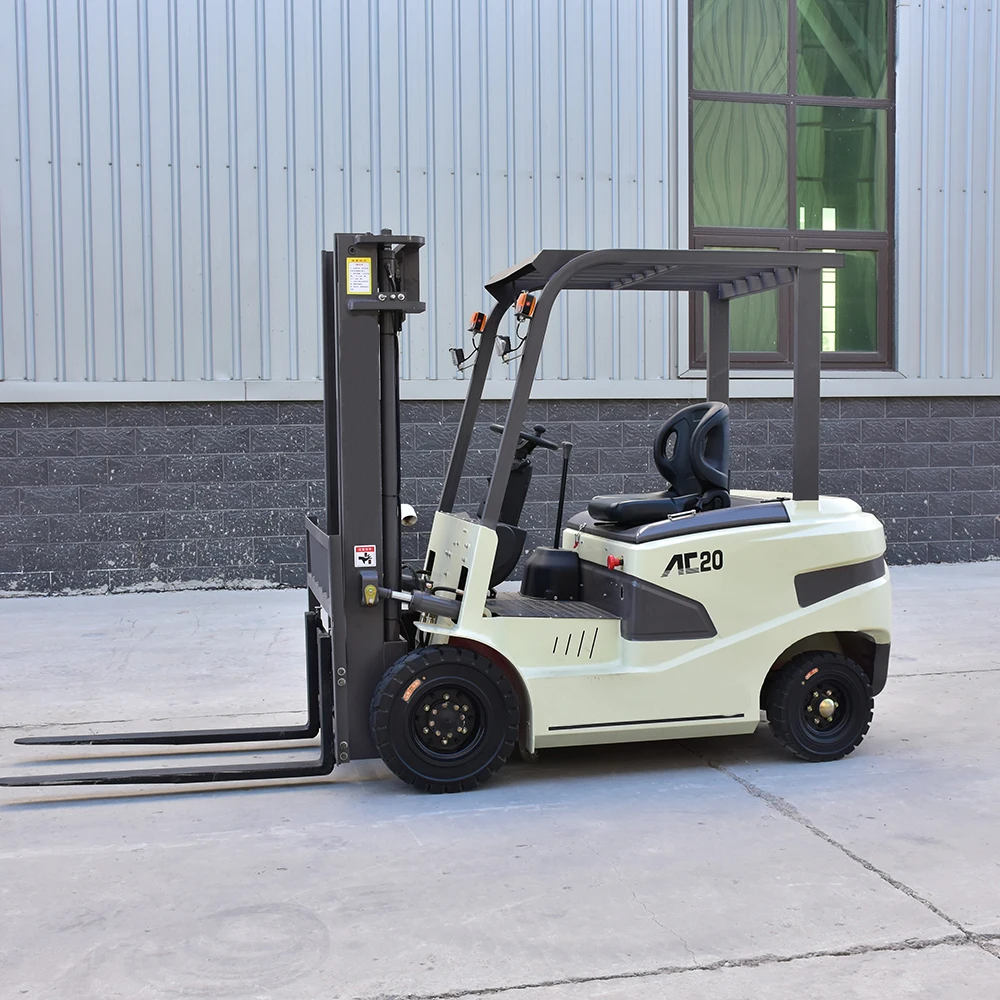
| Electric Counterbalance Forklifts | Most common type. Uses its battery weight as counterbalance at the rear. Comes in 3-wheel (more maneuverable) and 4-wheel (more stable) models. | General indoor warehousing, loading/unloading trucks, pallet handling. The workhorse of electric fleets. |
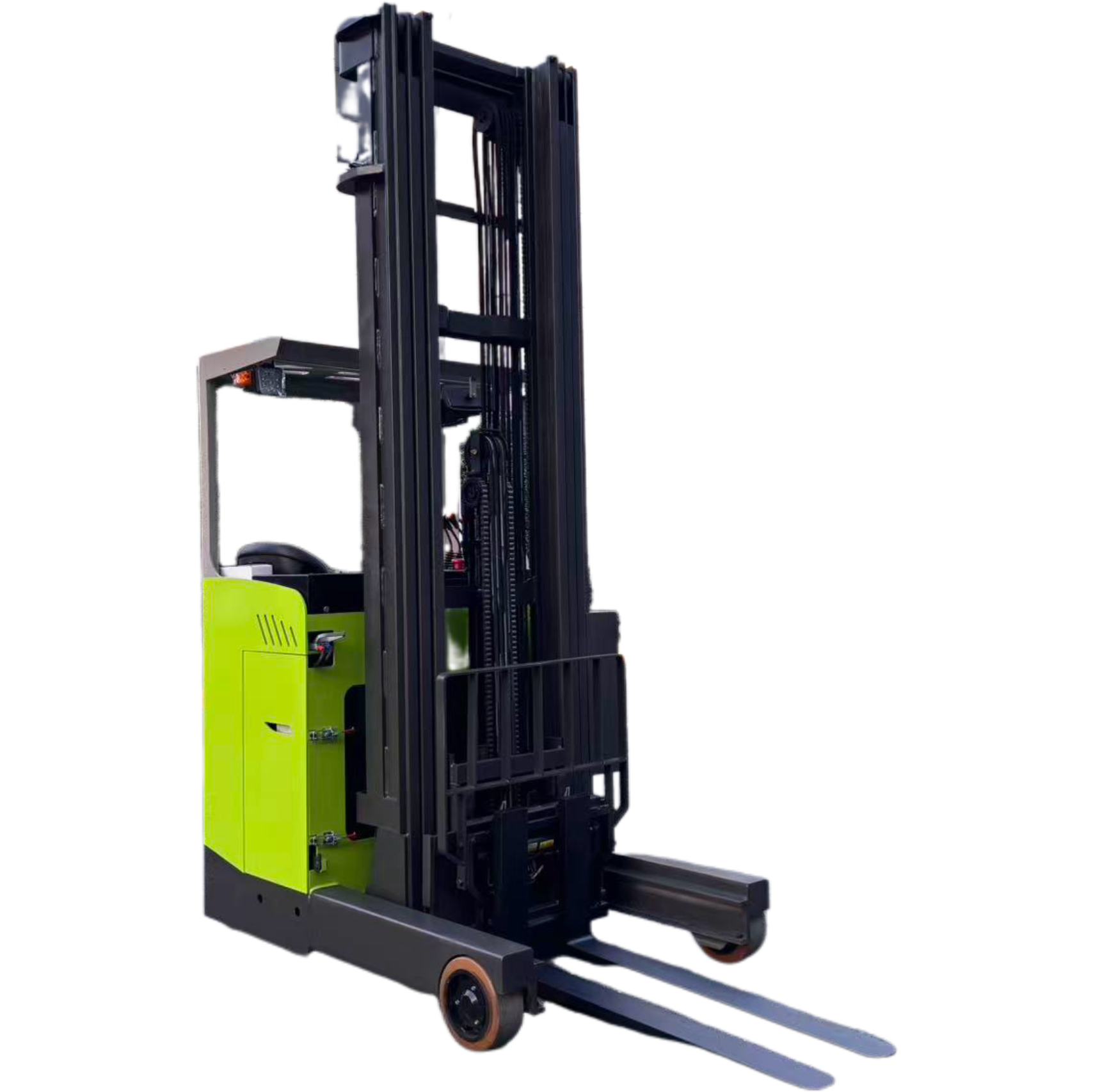
| Electric Reach Trucks | Features a unique design that allows the forks to "reach" into racking. The mast moves forward while the truck body stays put, saving aisle space. | High-density narrow-aisle storage systems. Perfect for retrieving and storing pallets in very tall racking. |
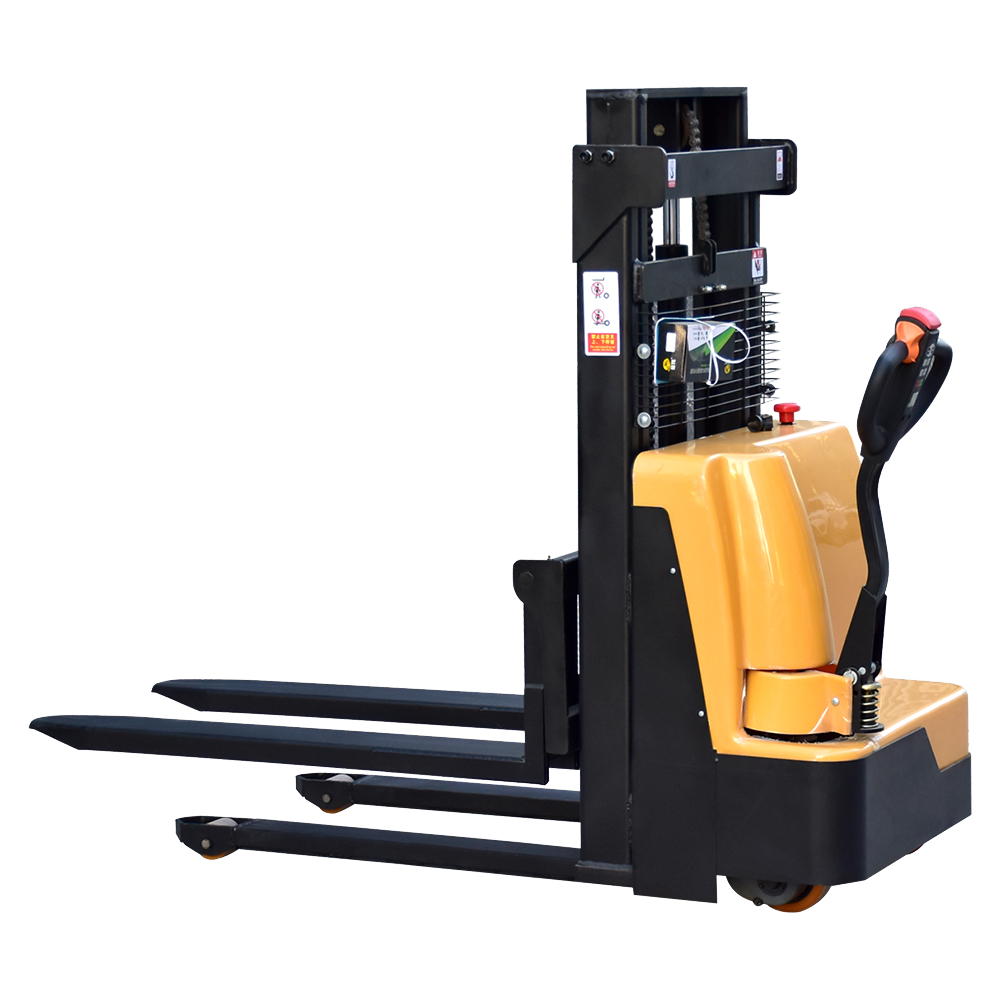
| Electric Pallet Jacks / Walkie Stackers | Operator walks behind or rides standing. Compact and economical. Includes walkie pallet jacks and rider stackers with limited lift heights. | Loading docks, retail stores, order picking, and horizontal transport over short to medium distances. |
| Electric Order Pickers | The operator platform lifts with the forks, allowing them to pick items directly from shelf locations at various heights. | E-commerce fulfillment centers and warehouses where individual items (case picking) are selected from shelves. |
Key Considerations When Choosing an Electric Forklift
Selecting the right electric forklift requires careful analysis of your operational needs:
Capacity & Lift Height: Determine the maximum weight you need to lift and the highest shelf level you need to reach. Always choose a capacity with a margin of safety.
Battery & Charging Infrastructure:
Battery Type: Lead-acid batteries are standard and cost-effective but require watering and a dedicated charging room. Lithium-ion batteries are a premium option with faster charging, no maintenance, and longer lifespans, often justifying their higher upfront cost.
Charging: Plan for adequate charging stations. Opportunity charging (topping up during breaks) is common with lithium-ion.
Duty Cycle & Application: Assess how intensively the truck will be used (single vs. multiple shifts). High-intensity operations benefit greatly from the endurance and fast charge of lithium-ion batteries.
Operating Environment: Consider floor conditions, aisle widths (for maneuverability), and any specific requirements like cold storage compatibility.
Conclusion: A Strategic Investment for a Sustainable Future
Transitioning to an electric forklift fleet is no longer just an operational decision; it's a strategic business move. While the initial purchase price may be higher than some IC models, the lower total cost of ownership—through reduced fuel and maintenance expenses—delivers a compelling return on investment. More importantly, it future-proofs your operations against tightening emissions regulations and aligns with global sustainability trends.
By providing a cleaner, quieter, and more efficient way to move materials, electric forklifts empower businesses to build more productive, safer, and environmentally responsible workplaces. To make the optimal choice, partnering with a reputable dealer for a site assessment and trial is highly recommended.
Our manager will contact you shortly.
To contact you about our products and services.


Copyright © Xingtai Beiqiang Machinery Manufacturing Factory. 2025.
Technical support:Echola