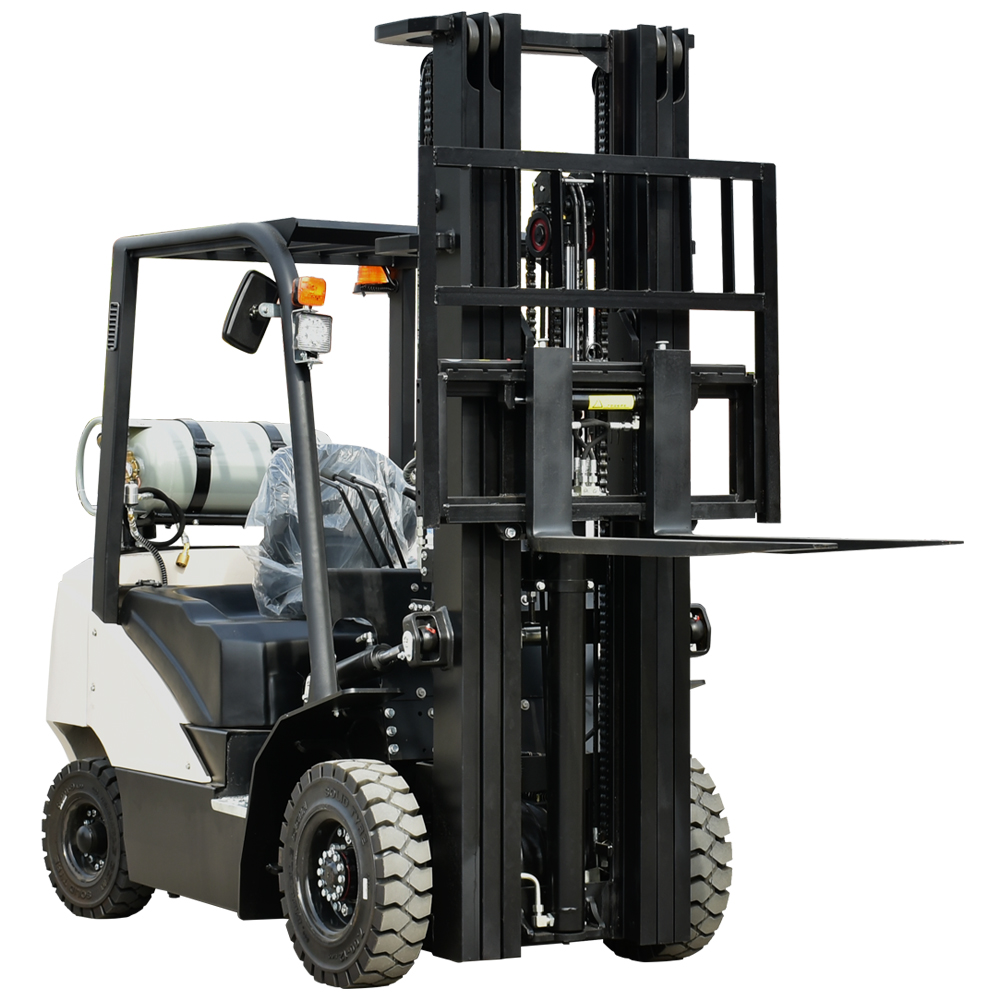
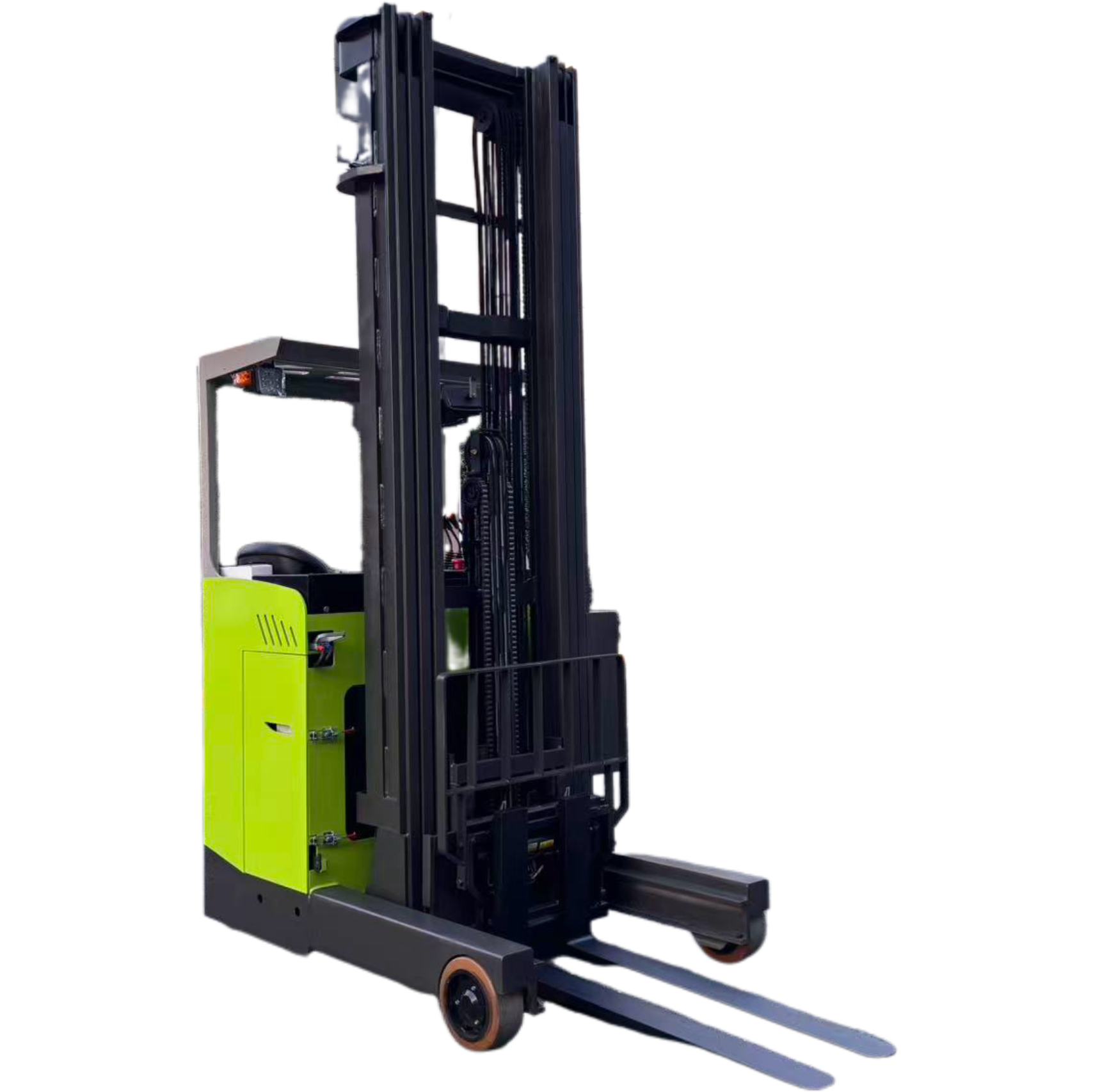
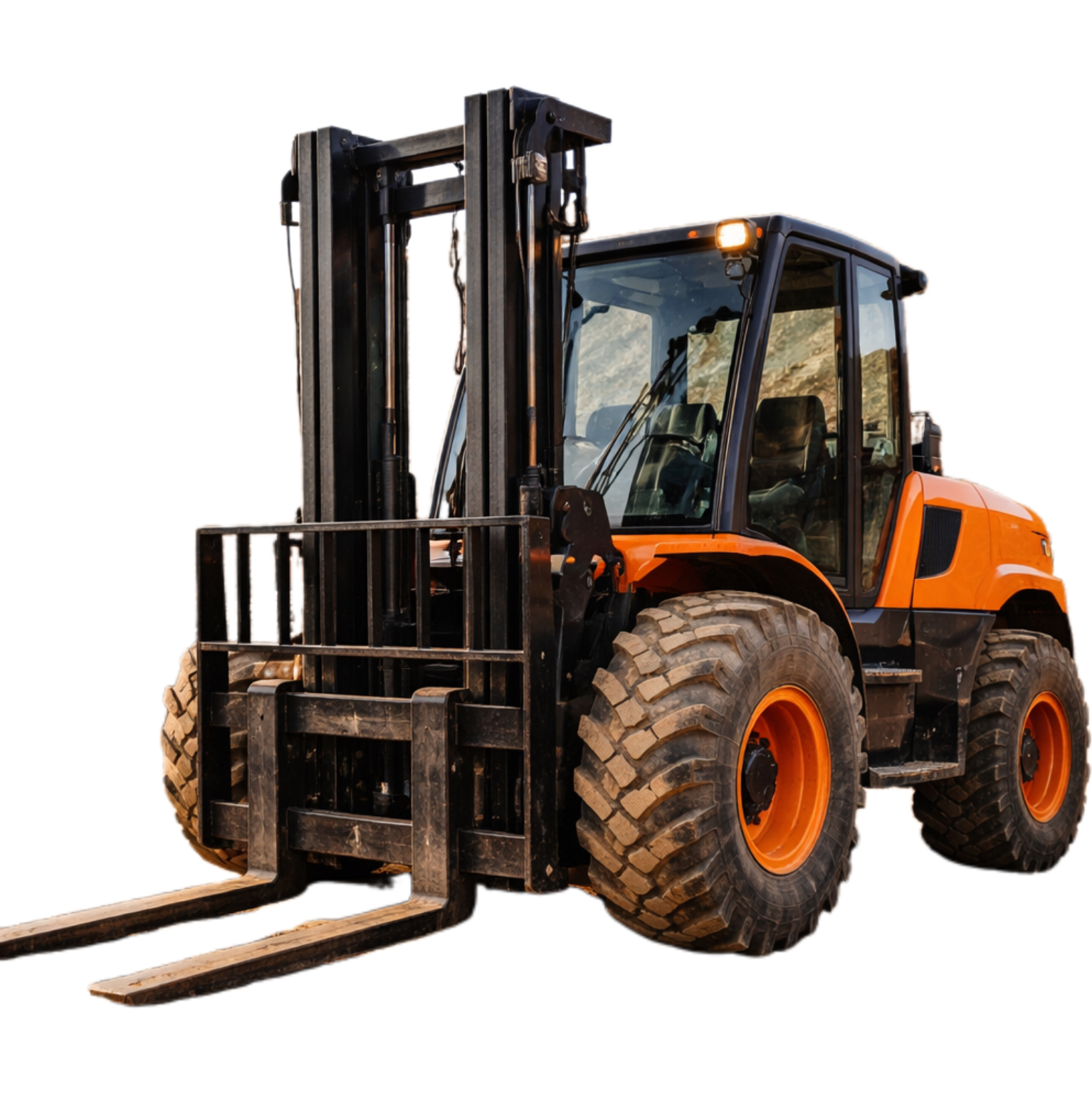


"For the same 3-ton electric forklift, lithium-ion models cost $4,300-$5,700 more than lead-acid ones – is it worth it?" "Our warehouse operates 24/7, and frequent battery changes for lead-acid forklifts are a huge hassle. Can lithium-ion really solve this?" When purchasing electric forklifts, choosing between lithium-ion and lead-acid batteries often puts procurement managers in a dilemma between "initial cost" and "long-term benefits." Today, we’ll move beyond price obsessions, break down the comparisons from three core dimensions (cost, performance, and scenarios), and share 3 pitfalls to avoid, helping you select the most suitable electric forklift.
I. First, Crunch the Numbers: What’s the Cost Difference?
The most intuitive factor during procurement is the "quotation gap," but what truly determines cost-effectiveness is the "Total Cost of Ownership (TCO)"—including purchase price, replacement costs, maintenance fees, and electricity costs. We’ve made a detailed comparison based on 2025 market data, using a 3-ton electric counterbalanced forklift as an example:
Cost Item | Lead-Acid Battery Forklift | Lithium-Ion Battery Forklift | Key Difference |
Initial Purchase Price | About $11,400-$14,300 | About $15,700-$18,600 | Lithium-ion costs $4,300-$5,700 more |
Battery Lifespan | 1.5-2 years | 5-8 years | Lithium-ion lifespan is 3x longer |
5-Year Battery Replacement Cost | $5,700 × 2 = $11,400 (including labor) | $0 (No replacement needed) | Lithium-ion saves over $11,400 |
Annual Maintenance Cost | About $285 (water refilling, electrolyte adjustment) | About $43 (cleaning only) | Lithium-ion saves $1,210 in 5 years |
5-Year Total Operating Cost | $24,300 | $15,900 | Lithium-ion saves nearly $8,400 |
Initially, lead-acid battery forklifts have a price advantage: a 3-ton electric counterbalance forklift costs approximately 80,000-100,000 yuan, while lithium-ion battery forklifts, due to higher battery costs, are priced at 110,000-130,000 yuan—an initial price gap of about 30,000-40,000 yuan. However, the cost advantage of lithium-ion batteries becomes increasingly prominent in long-term use:
Battery lifespan: Lead-acid batteries typically last 1.5-2 years, requiring 2 replacements within 5 years, with battery and labor costs alone reaching 80,000 yuan. Lithium-ion batteries have a lifespan of 5-8 years, no replacements needed in 5 years—saving over 80,000 yuan.
Maintenance costs: Lead-acid batteries need around 2,000 yuan/year for water refilling, electrolyte specific gravity adjustment, etc., totaling 10,000 yuan in 5 years. Lithium-ion batteries require minimal maintenance, only 300 yuan/year for cleaning, with a 5-year total of just 1,500 yuan.
Overall, the 5-year total cost of a 3-ton lead-acid forklift is approximately 170,000 yuan, while that of a lithium-ion forklift is only 111,500 yuan—with the former costing nearly 60,000 yuan more than the latter.
Case in Point: An e-commerce warehousing company purchased 10 lead-acid forklifts in 2022; by 2024, it had already replaced the first batch of batteries, with total costs exceeding $228,000. Its branch, which bought 5 lithium-ion forklifts in the same period, is projected to spend only $79,500 over 5 years—this significant gap speaks volumes. |
II. Performance Showdown: 5 Core Scenarios to Decide
Cost is the foundation, but whether performance fits your operational scenario is even more critical. The following 5 high-frequency scenarios will directly determine which battery is right for you:
1. Operation Duration: Lead-Acid for Short Intervals, Lithium-Ion for Continuous Work
Lead-acid batteries suffer from "slow charging and fixed range"—they take 8-10 hours to fully charge, with low mid-cycle charging efficiency. For 24/7 operations, 1-2 backup batteries are a must, plus dedicated staff for replacements (each change takes 15-20 minutes). Lithium-ion batteries support "fast charging and on-demand charging": they can reach 80% charge in 1-2 hours. A quick charge during lunch breaks or shift changes suffices for all-day use, no backup batteries needed. They’re ideal for continuous operation scenarios like e-commerce peak seasons and cold chain logistics.
2. Environmental Adaptability: Lithium-Ion for Low Temperatures/Humidity
Lead-acid batteries are sensitive to the environment: below 0°C (32°F), their capacity drops by 30%-50%, often leading to "incomplete charging and range cut in half" in northern warehouses during winter. They also contain electrolyte, which easily leaks and corrodes forklift components in humid environments. Lithium-ion batteries have more stable low-temperature performance (retaining over 70% capacity at -20°C/-4°F) and leak-proof sealed designs, making them superior for cold storage, outdoor operations, and other harsh scenarios.
3. Operational Efficiency: Lithium-Ion Saves Labor, Lead-Acid Relies on Manual Work
Lead-acid battery packs weigh 300-500kg (661-1,102 lbs), requiring a forklift or special tools for replacement—increasing labor costs and risking battery damage from improper handling. Lithium-ion batteries are only 1/3 the weight of lead-acid models; some forklift models support "quick battery swaps," which one person can complete in 5 minutes. Additionally, lithium-ion forklifts have faster startup speeds and stable power output, offering better handling and quicker onboarding for new operators.
4. Charging Convenience: Lithium-Ion for Versatility, Lead-Acid for Dedicated Spaces
Lead-acid batteries produce hydrogen gas during charging, requiring a well-ventilated dedicated charging area away from fire sources—taking up valuable warehouse space. Lithium-ion batteries emit no harmful gases while charging and can be powered by standard outlets, allowing on-site charging near work areas and reducing space costs.
5. Environmental Requirements: Lithium-Ion Meets Policies, Lead-Acid Faces Recycling Issues
Starting in 2025, many regions have explicitly restricted lead-acid battery use through environmental policies. Lead-acid batteries have high recycling costs (about $71 per unit) and may result in fines if improperly disposed of. Lithium-ion batteries have a recycling rate of over 95%, and formal manufacturers offer free recycling services—aligning with corporate ESG (Environmental, Social, and Governance) goals.
III. Scenario-Based Selection: Optimal Solutions for 3 Business Types
There’s no absolute "good or bad"—only "suitable or not." Combining the above comparisons, we’ve provided targeted recommendations for 3 typical business types:
1. Small/Medium Warehouses/Individual Businesses (Prioritize Lead-Acid)
Applicable scenarios: 3-5 hours of daily operation, no continuous work needs, limited budget (e.g., small hardware stores, community warehouses). Core need: "Control initial investment." Lead-acid forklifts’ low-cost advantage quickly meets basic material handling needs.
Purchase tip: Be sure to reserve space for backup batteries and choose models with battery level indicators to avoid unexpected power outages disrupting operations.
2. Medium/Large Logistics/Manufacturing Enterprises (Prioritize Lithium-Ion)
Applicable scenarios: 8-12 hours of daily operation or 24/7 shifts (e.g., e-commerce warehouses, auto parts factories, cold chain logistics). Core needs: "Improve efficiency and reduce long-term costs." Lithium-ion’s fast charging, long lifespan, and low maintenance perfectly match these needs—especially for smart warehouses integrated with Warehouse Management System (WMS).
3. Special-Scenario Enterprises (Must Choose Lithium-Ion)
Applicable scenarios: Low-temperature environments (e.g., cold storage), humid environments (e.g., seafood warehouses), and businesses with strict environmental requirements (e.g., food processing, pharmaceutical industries). Lead-acid batteries’ poor environmental adaptability directly affects operational stability—lithium-ion is the only reliable choice.
IV. 3 Pitfalls to Avoid: Don’t Pay for "Hidden Costs"
1. Focus on "compatibility," not just "battery type": Forklift motors and controllers must match battery parameters. Some small manufacturers use "low-spec motors + lithium-ion batteries" to cut prices, causing insufficient power and accelerated battery degradation. Request a "motor-battery compatibility test report" during procurement.
2. Clarify "battery warranty" to avoid vague promises: Formal manufacturers offer a 5-year or 1,000-cycle warranty for lithium-ion batteries, and 1 year for lead-acid batteries. Clearly specify the "warranty scope" (including human-caused damage or not) and "after-sales response time" (24-hour on-site service is ideal) in the contract.
3. Calculate "additional costs" to avoid unexpected price hikes: Lead-acid forklifts require additional purchases of backup batteries (about $5,700 per set), charging cabinets, and electrolyte. For lithium-ion models, confirm if fast chargers are included (some quotes exclude them, adding $1,400-$2,850 for installation).
Conclusion: The Core of Selection Is "Matching Your Needs"
In summary, lead-acid forklifts remain an option if you prioritize "short-term savings" and have low operational intensity. But in terms of "long-term cost-effectiveness" and "future adaptability," lithium-ion has become the mainstream trend for electric forklifts—a fact proven by lithium-ion models accounting for 71.71% of China’s electric forklift market in 2024.
Which scenario does your business fall into? Have you encountered battery selection challenges when purchasing electric forklifts? Welcome to leave a comment and share your experience—let’s discuss the best solutions together!
Our manager will contact you shortly.
To contact you about our products and services.


Copyright © Xingtai Beiqiang Machinery Manufacturing Factory. 2025.
Technical support:Echola