

In today's demanding industrial and commercial environments, efficiency, safety, and precision in vertical movement are non-negotiable. Enter the electric lifting platform—a versatile, reliable, and eco-friendly solution that is revolutionizing how we move goods, equipment, and people. This guide delves into everything you need to know about electric lifting platforms, from their core benefits and diverse types to key selection criteria for your operations.
What is an Electric Lifting Platform?
An electric lifting platform is a motorized device designed to safely and efficiently raise and lower loads—including materials, equipment, and personnel—between different levels. Unlike hydraulic or pneumatic systems, it relies on an electric motor and a mechanical drive system (such as a screw, chain, or scissor mechanism) for clean, quiet, and precise movement. Known for their smooth operation, minimal maintenance, and zero on-site emissions, these platforms are a cornerstone of modern material handling and access solutions.
Key Advantages: Why Choose Electric?
The shift toward electric platforms is driven by a compelling set of advantages that deliver tangible operational value.
Enhanced Safety & Control: Electric systems offer precise, incremental movement and consistent speed, even under load. Features like automatic brakes on power loss, overload protection, and emergency stop buttons create a safer working environment.
Superior Energy Efficiency & Lower Operating Costs: Electric platforms convert energy to motion more efficiently than hydraulic systems. They consume power only during the lift/lower cycle, eliminating the constant energy drain of hydraulic pumps and significantly reducing electricity costs.
Minimal Maintenance & High Reliability: With no hydraulic oil, hoses, or pumps to leak, filter, or replace, electric platforms require far less upkeep. This leads to reduced downtime, lower long-term maintenance costs, and more predictable operation.
Clean & Quiet Operation: Producing zero on-site emissions, they are ideal for indoor use in food processing, pharmaceuticals, clean rooms, and warehouses. Their low noise profile also improves the workplace environment.
Exceptional Positioning Accuracy: The electric drive allows for exact height positioning, which is critical for precision tasks like assembly line feeding, machine servicing, or stable workstation alignment.
Common Types & Their Applications
Selecting the right type is crucial for optimal performance. Here are the primary electric lifting platform designs:
| Type | Key Mechanism | Ideal Applications |
|---|---|---|
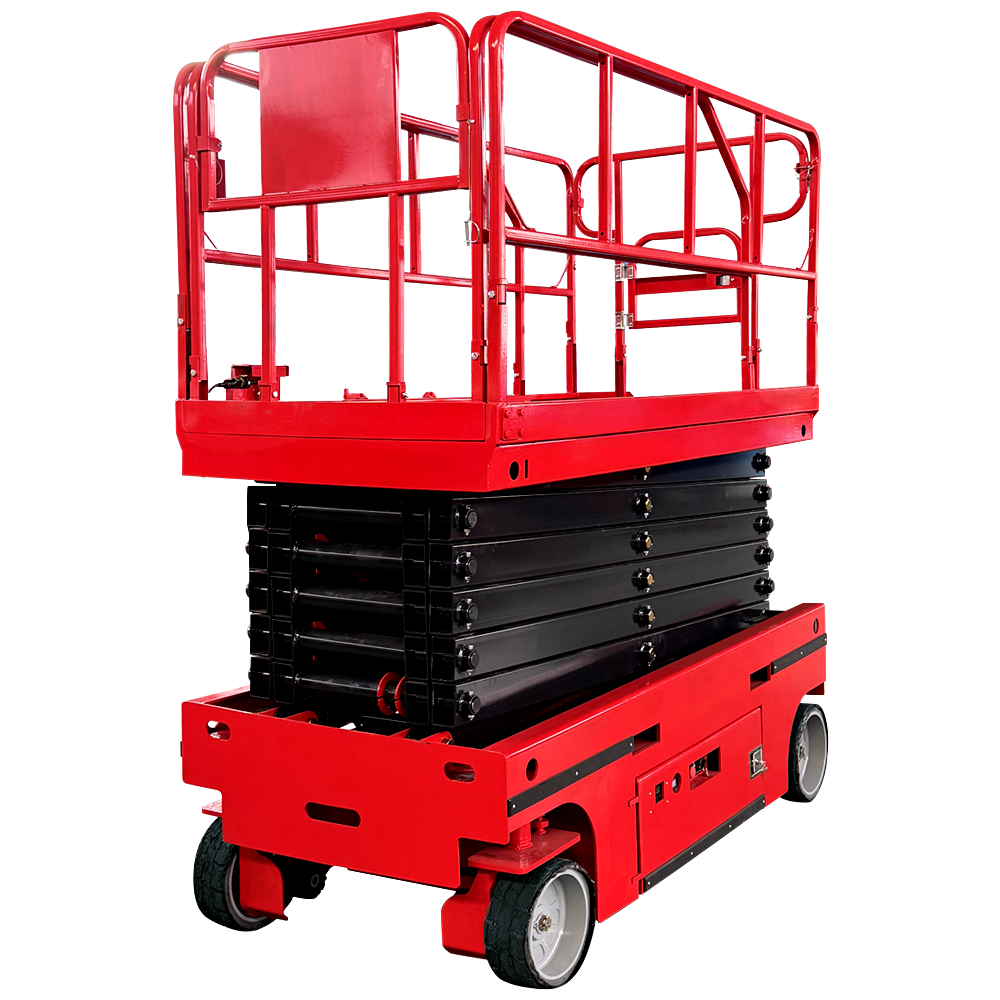
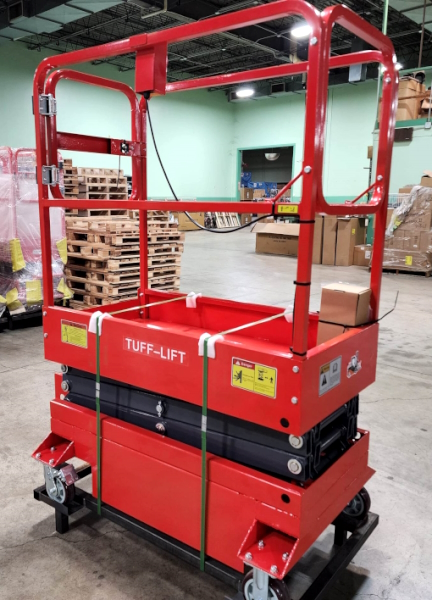
| Electric Scissor Lifts | A crisscross "scissor" mechanism extends vertically under the platform. | Warehousing (loading docks, picking), assembly lines, maintenance shops. Best for stable, vertical lifting of heavy loads over moderate heights. |
| Electric Boom Lifts (Articulating/Telescopic) | An electric-powered arm with hinged (articulating) or straight (telescopic) sections. | Construction sites, facility maintenance (lighting, HVAC), inventory management in high-bay warehouses. Provides extended horizontal and vertical reach. |
| Electric Vertical Reciprocating Conveyors (VRCs) | A platform moving within a dedicated, enclosed shaft, guided by mast columns. | Multi-story facilities for moving pallets, carts, or materials between production floors, mezzanines, and storage levels. Maximizes floor space. |
| Electric Personnel Lifts | Compact, often self-propelled platforms with extended guardrails for worker safety. | Retail stock rooms, libraries, theaters, and any task requiring safe, mobile overhead access for one or two technicians. |
How to Choose the Right Electric Lifting Platform
Making an informed choice involves evaluating several technical and operational factors:
Load Capacity & Platform Size: Determine the maximum weight (including personnel, tools, and materials) and the required platform dimensions to accommodate your loads safely.
Lift Height & Travel Speed: Identify the necessary maximum working height. Consider if travel speed between levels is critical for your workflow's throughput.
Power Source & Duty Cycle: Verify available power supply (standard AC). For mobile units, assess battery life against your expected usage frequency (duty cycle) to ensure it meets operational demands.
Site & Environmental Conditions: Consider floor conditions, available space, and whether the platform will be used indoors, outdoors, or in specialized environments requiring specific safety certifications.
Regulatory Compliance & Safety Features: Ensure the platform meets all relevant local and industry safety standards (e.g., ANSI, OSHA, CE). Essential features include guardrails, emergency stops, safety sensors, and pit/fall protection.
The Smart Investment for Modern Operations
Electric lifting platforms represent more than just a piece of equipment; they are a strategic investment in a safer, cleaner, and more efficient operation. By eliminating the complexities and mess of hydraulics, they offer a modern, low-maintenance solution that boosts productivity and reduces total cost of ownership.
Whether you are streamlining warehouse logistics, maintaining a large facility, or improving production line ergonomics, an electric lifting platform provides the reliable, precise, and sustainable performance needed to elevate your business—literally and figuratively. For a detailed assessment of which model aligns best with your specific requirements, consulting with a reputable manufacturer or supplier is always the recommended next step.
Our manager will contact you shortly.
To contact you about our products and services.


Copyright © Xingtai Beiqiang Machinery Manufacturing Factory. 2025.
Technical support:Echola