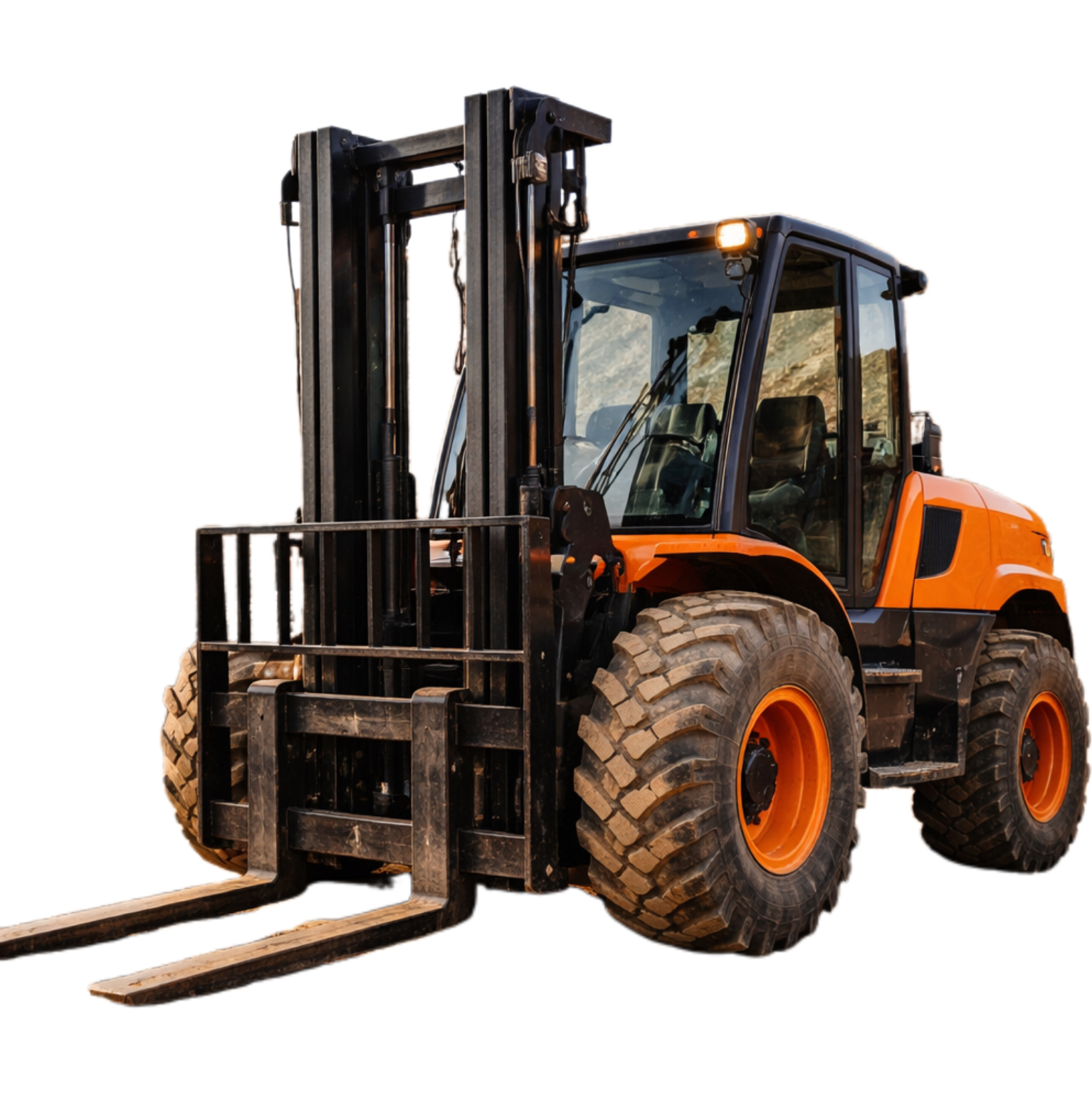


Preventive vs Predictive Maintenance for Forklifts
Choosing the Right Maintenance Strategy for Industrial Operations
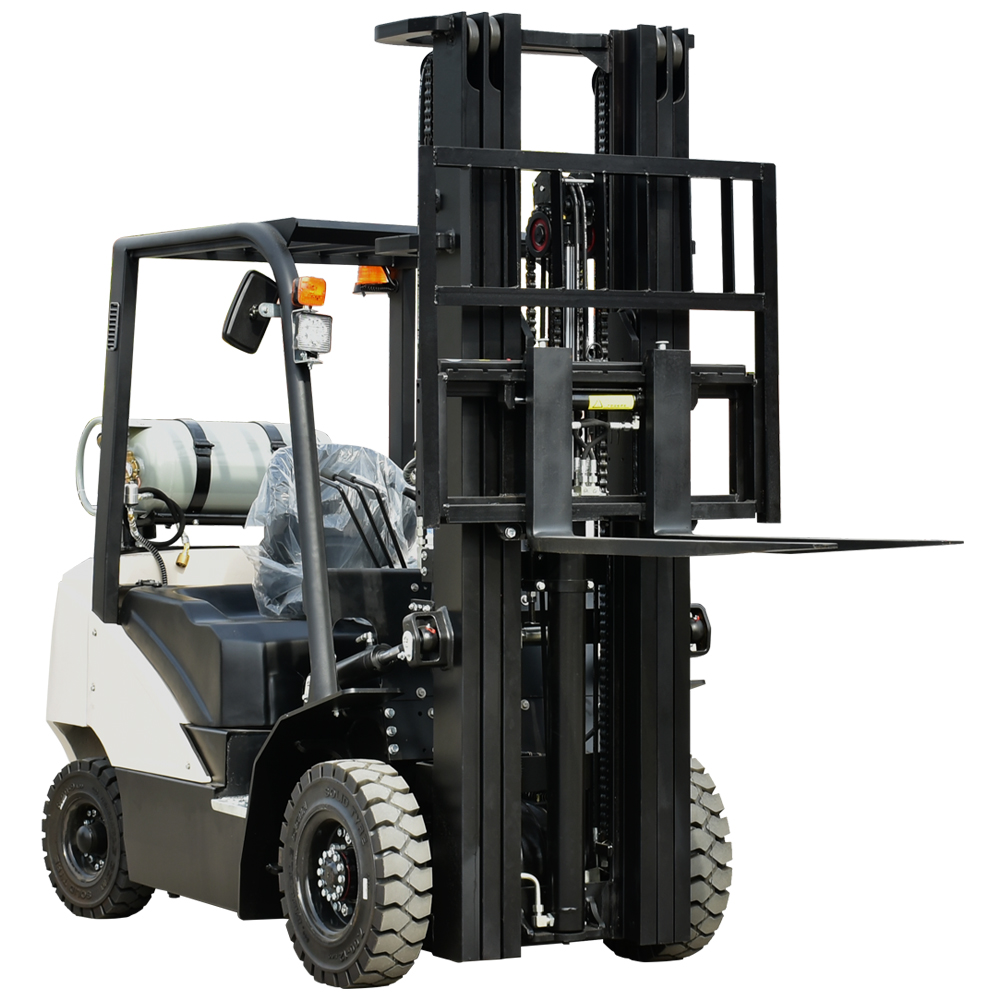
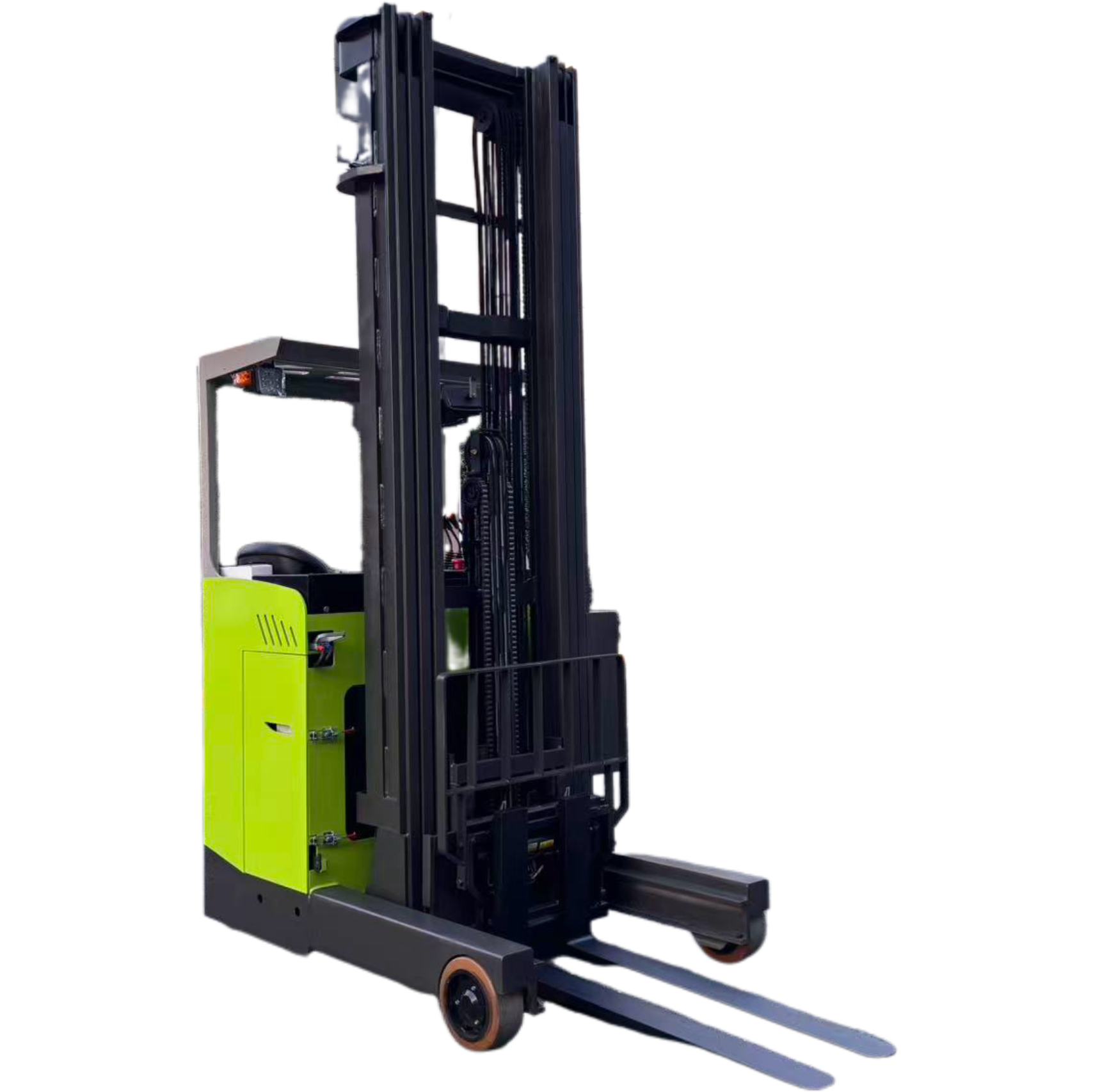
Forklifts are mission-critical assets in warehouses, factories, and logistics centers. When a forklift breaks down unexpectedly, the consequences go far beyond repair costs—operations slow down, labor is wasted, delivery schedules are disrupted, and safety risks increase.
To avoid these issues, companies rely on structured maintenance strategies. The two most common approaches are preventive maintenance and predictive maintenance. While both aim to reduce downtime and extend equipment lifespan, they differ significantly in execution, cost, and long-term value.
This article compares preventive and predictive maintenance for forklifts and helps businesses choose the strategy that delivers the best return on investment (ROI).
1. Why Forklift Maintenance Strategy Matters
Forklifts operate under heavy loads, frequent stops, and demanding environments. Without proper maintenance, they are prone to:
Brake failures
Hydraulic leaks
Battery degradation
Engine overheating
Tire and mast wear
A clear maintenance strategy helps organizations:
Minimize unplanned downtime
Control maintenance costs
Improve safety compliance
Extend forklift service life
The question is not whether to maintain forklifts—but how.
2. What Is Preventive Maintenance?
Definition
Preventive maintenance (PM) is a time- or usage-based approach. Maintenance tasks are scheduled at fixed intervals, such as:
Every 250 operating hours
Monthly or quarterly inspections
Annual overhauls
Typical Preventive Maintenance Tasks
Oil and filter changes
Brake inspection and adjustment
Hydraulic fluid checks
Battery inspection and cleaning
Tire and chain inspection
The goal is to service components before they fail, based on historical wear patterns.
3. Advantages of Preventive Maintenance
Preventive maintenance remains widely used because it is:
Simple to implement
Easy to plan and budget
Supported by forklift manufacturers
Effective at reducing major breakdowns
Key Benefits
Predictable maintenance schedules
Reduced catastrophic failures
Improved equipment reliability
Easier compliance with safety regulations
For many warehouses, preventive maintenance is the first step toward structured asset management.
4. Limitations of Preventive Maintenance
Despite its benefits, preventive maintenance has drawbacks.
Common Challenges
Components may be replaced too early
Unnecessary downtime for servicing
Higher labor and parts costs over time
Limited insight into actual equipment condition
In other words, preventive maintenance assumes wear patterns—but does not measure them in real time.
5. What Is Predictive Maintenance?
Definition
Predictive maintenance (PdM) uses real-time data and condition monitoring to predict when maintenance is actually needed.
It relies on:
Sensors and telematics
Usage and load data
Temperature and vibration monitoring
Battery health analytics
Maintenance is performed only when data indicates potential failure.
6. How Predictive Maintenance Works for Forklifts
Modern forklifts can collect data such as:
Operating hours and load cycles
Battery charge/discharge patterns
Hydraulic pressure changes
Impact and shock events
Motor temperature and performance
This data is analyzed to:
Detect abnormal patterns
Predict component wear
Trigger maintenance alerts before failure
Predictive maintenance shifts maintenance from scheduled to condition-based.
7. Advantages of Predictive Maintenance
Cost Efficiency
Reduced unnecessary part replacement
Lower labor costs
Fewer emergency repairs
Reduced Downtime
Maintenance planned during low-demand periods
Fewer unexpected breakdowns
Extended Equipment Lifespan
Components used to their full life potential
Reduced secondary damage
Better Decision-Making
Data-driven maintenance planning
Clear insight into fleet health
Predictive maintenance often delivers higher ROI in medium-to-large forklift fleets.
8. Challenges of Predictive Maintenance
Predictive maintenance is powerful, but not without challenges.
Implementation Barriers
Higher initial investment
Need for sensors and telematics systems
Data integration with maintenance software
Training for technicians and managers
For small operations, these costs may outweigh short-term benefits.
9. Preventive vs Predictive Maintenance: A Comparison
| Aspect | Preventive Maintenance | Predictive Maintenance |
|---|---|---|
| Approach | Time-based | Condition-based |
| Complexity | Low | High |
| Initial Cost | Low | Higher |
| Downtime | Planned but frequent | Minimal and optimized |
| Cost Control | Moderate | High |
| Best For | Small to mid-size fleets | Large, high-usage fleets |
10. Choosing the Right Strategy for Your Operation
Choose Preventive Maintenance If:
You operate a small forklift fleet
Equipment usage is predictable
Digital infrastructure is limited
Budget simplicity is a priority
Choose Predictive Maintenance If:
You manage a large or high-usage fleet
Downtime is extremely costly
You already use telematics or WMS
Long-term cost optimization is a goal
Many companies adopt a hybrid approach, combining preventive schedules with predictive insights.
11. The Role of Maintenance Strategy in Safety and Compliance
Poorly maintained forklifts increase the risk of:
Brake failure
Load instability
Steering loss
Both preventive and predictive maintenance contribute to:
Improved operator safety
Regulatory compliance
Lower accident-related costs
Maintenance strategy directly impacts workplace safety.
Conclusion
Choosing between preventive and predictive maintenance is not about selecting the newest technology—it is about aligning maintenance strategy with operational needs.
Preventive maintenance offers simplicity and reliability, while predictive maintenance provides precision, efficiency, and long-term cost savings. As forklifts become more connected and data-driven, predictive maintenance will play an increasingly important role in industrial operations.
For modern warehouses and factories, the optimal solution often lies in combining both approaches to achieve maximum uptime, safety, and ROI.
Our manager will contact you shortly.
To contact you about our products and services.


Copyright © Xingtai Beiqiang Machinery Manufacturing Factory. 2025.
Technical support:Echola