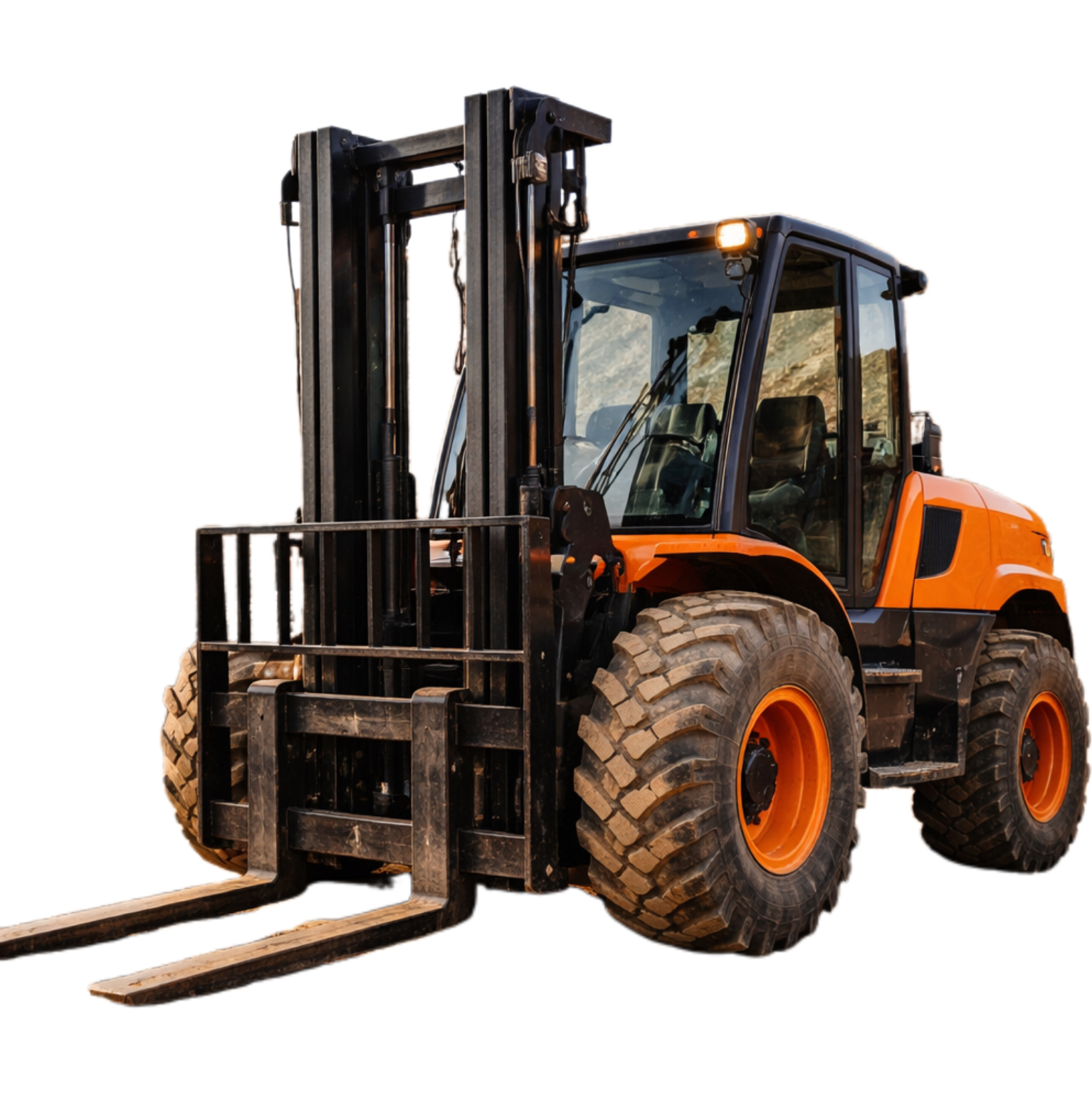


Smart Warehousing: How Forklifts Integrate with Digital Systems
Driving Efficiency Through Intelligent Material Handling
As global supply chains become more complex and customer expectations continue to rise, traditional warehousing methods are no longer sufficient. Companies are increasingly adopting smart warehousing solutions to gain real-time visibility, improve efficiency, and reduce operational costs.
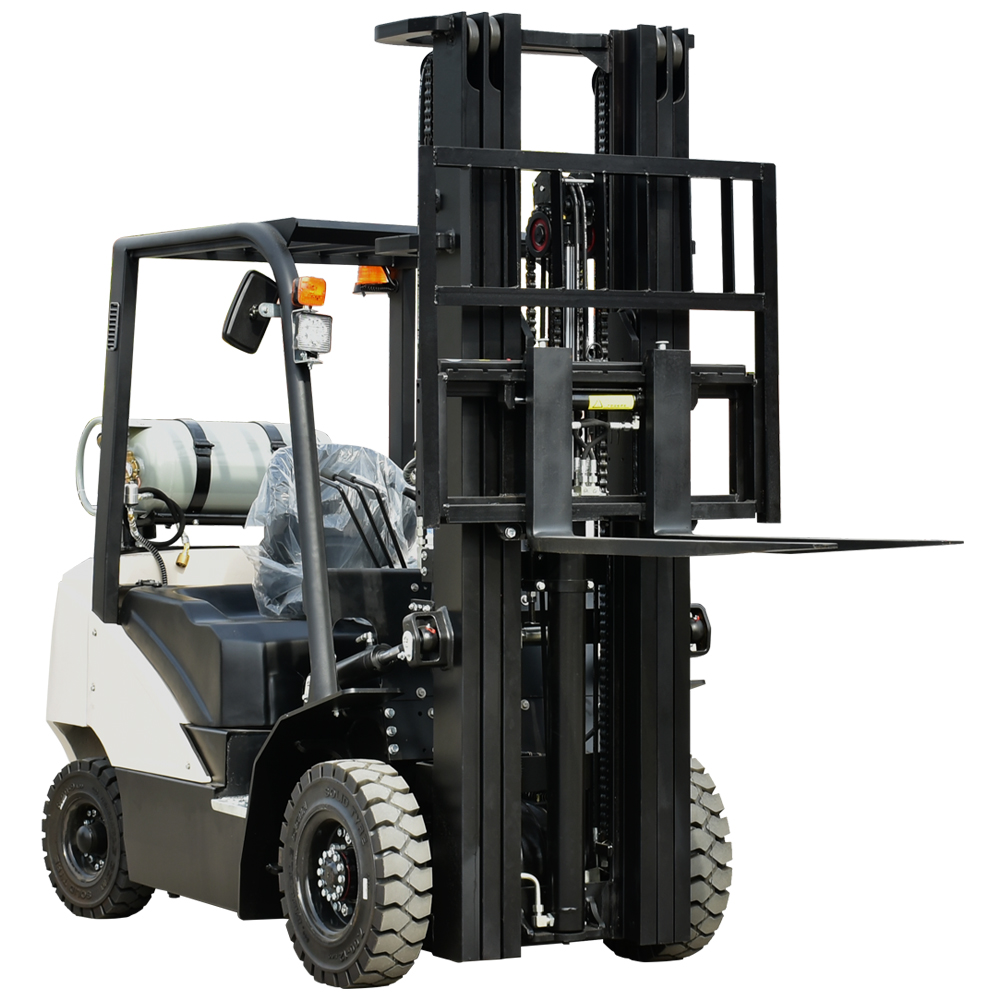
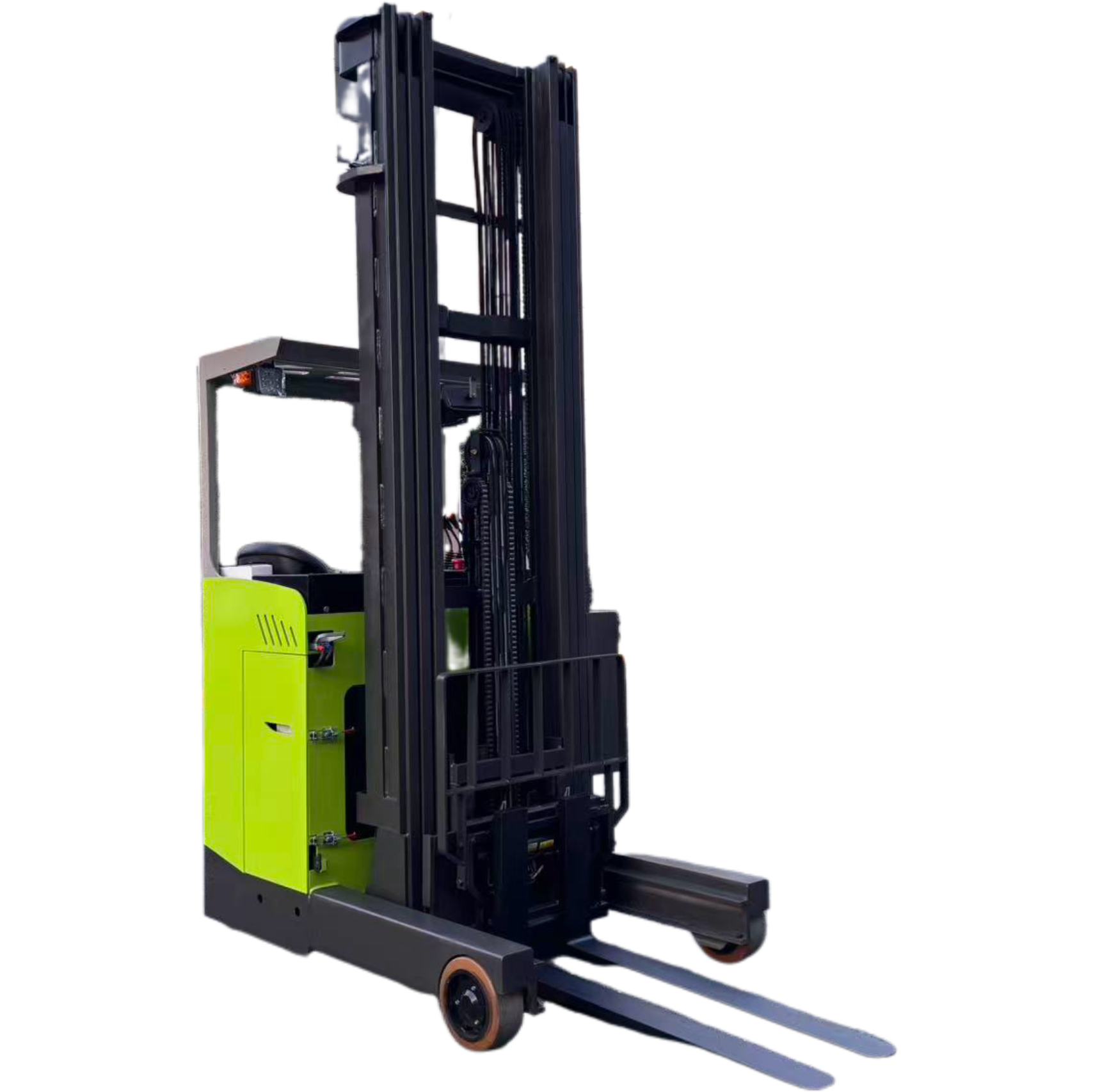
At the center of this transformation lies an often-overlooked component: the forklift. Modern forklifts are no longer just lifting machines—they are data-driven, connected assets that play a critical role in digital warehouse ecosystems.
This article explores how forklifts integrate with digital systems and how this integration drives smarter, safer, and more efficient warehouse operations.
1. What Is Smart Warehousing?
Smart warehousing refers to the use of digital technologies to automate, monitor, and optimize warehouse operations. These technologies include:
Warehouse Management Systems (WMS)
Internet of Things (IoT)
Telematics and fleet management systems
Data analytics and AI
Automation and robotics
The goal of smart warehousing is to replace reactive decision-making with real-time, data-driven control.
Forklifts, as core material handling equipment, are a crucial data source in this ecosystem.
2. The Evolution of Forklifts in Digital Warehouses
From Mechanical to Intelligent
Traditional forklifts operated independently, with no data feedback. Today’s forklifts are equipped with:
Sensors
Onboard computers
Connectivity modules
Software interfaces
This evolution allows forklifts to:
Communicate with warehouse systems
Provide real-time operational data
Respond dynamically to warehouse conditions
Forklifts have become mobile data platforms rather than isolated machines.
3. Forklift Telematics: The Foundation of Integration
Forklift telematics systems collect and transmit data such as:
Operating hours
Travel distance
Load weight
Battery or fuel status
Impact and collision events
Operator behavior
Key Benefits of Telematics
Real-time equipment monitoring
Accurate utilization tracking
Early detection of misuse or overload
Predictive maintenance planning
This data forms the backbone for intelligent warehouse decision-making.
4. Integration with Warehouse Management Systems (WMS)
One of the most powerful integrations is between forklifts and WMS platforms.
How WMS Integration Works
Forklifts receive task assignments directly from WMS
Operators are guided to optimal pick-up and drop-off locations
Task completion data is sent back to the system in real time
Operational Advantages
Reduced travel distance
Faster task execution
Improved inventory accuracy
Elimination of paper-based processes
This integration enables smoother workflows and higher picking accuracy.
5. Real-Time Location Tracking and Traffic Optimization
Smart forklifts can be equipped with:
Indoor positioning systems (IPS)
RFID or UWB technology
GPS (for outdoor yards)
What Location Tracking Enables
Real-time visualization of forklift movement
Identification of congestion points
Optimization of traffic routes
Improved safety for pedestrians
Warehouse managers gain complete visibility over equipment flow, allowing them to redesign layouts and routes based on real usage data.
6. Predictive Maintenance and Downtime Reduction
Unexpected forklift breakdowns disrupt operations and increase costs.
Digital Maintenance Advantages
By analyzing telematics data, systems can:
Predict component wear
Schedule maintenance before failure
Reduce emergency repairs
Extend equipment lifespan
Predictive maintenance transforms maintenance from a cost center into a strategic reliability function.
7. Improving Safety Through Digital Forklift Systems
Safety is a key driver of smart warehousing.
Digital Safety Features Include
Speed control based on location
Automatic slowdown in high-risk zones
Collision detection and alerts
Operator access control via RFID or PIN
These features significantly reduce:
Collisions
Tip-over incidents
Unauthorized operation
Digital safety systems protect both people and assets.
8. Data Analytics for Performance Optimization
Forklift data provides insights that were previously impossible to obtain.
Key Performance Metrics
Cost per movement
Idle time vs productive time
Operator efficiency
Energy consumption per shift
Using Data for Improvement
Managers can:
Balance workloads
Optimize fleet size
Identify training needs
Justify equipment upgrades
Data-driven optimization leads to measurable cost savings and productivity gains.
9. Supporting Automation and Future Technologies
Digitally integrated forklifts are a stepping stone toward:
Semi-automated forklifts
Autonomous mobile robots (AMRs)
Fully automated warehouses
Smart forklifts can:
Operate in hybrid environments with AGVs
Share data with AI-based planning systems
Adapt to future automation upgrades
This ensures long-term scalability and investment protection.
10. Challenges and Implementation Considerations
While the benefits are significant, companies should consider:
Initial investment in systems and infrastructure
Integration complexity with legacy software
Training requirements for operators and managers
Data security and system reliability
A phased implementation strategy often delivers the best results.
Conclusion
Smart warehousing is no longer a future concept—it is a competitive necessity. Forklifts, once purely mechanical tools, now serve as intelligent, connected assets that drive digital transformation across warehouse operations.
By integrating forklifts with telematics, WMS platforms, and data analytics systems, companies gain greater visibility, efficiency, safety, and cost control. As warehouses continue to evolve, digitally enabled forklifts will remain at the core of intelligent material handling strategies.
Our manager will contact you shortly.
To contact you about our products and services.


Copyright © Xingtai Beiqiang Machinery Manufacturing Factory. 2025.
Technical support:Echola