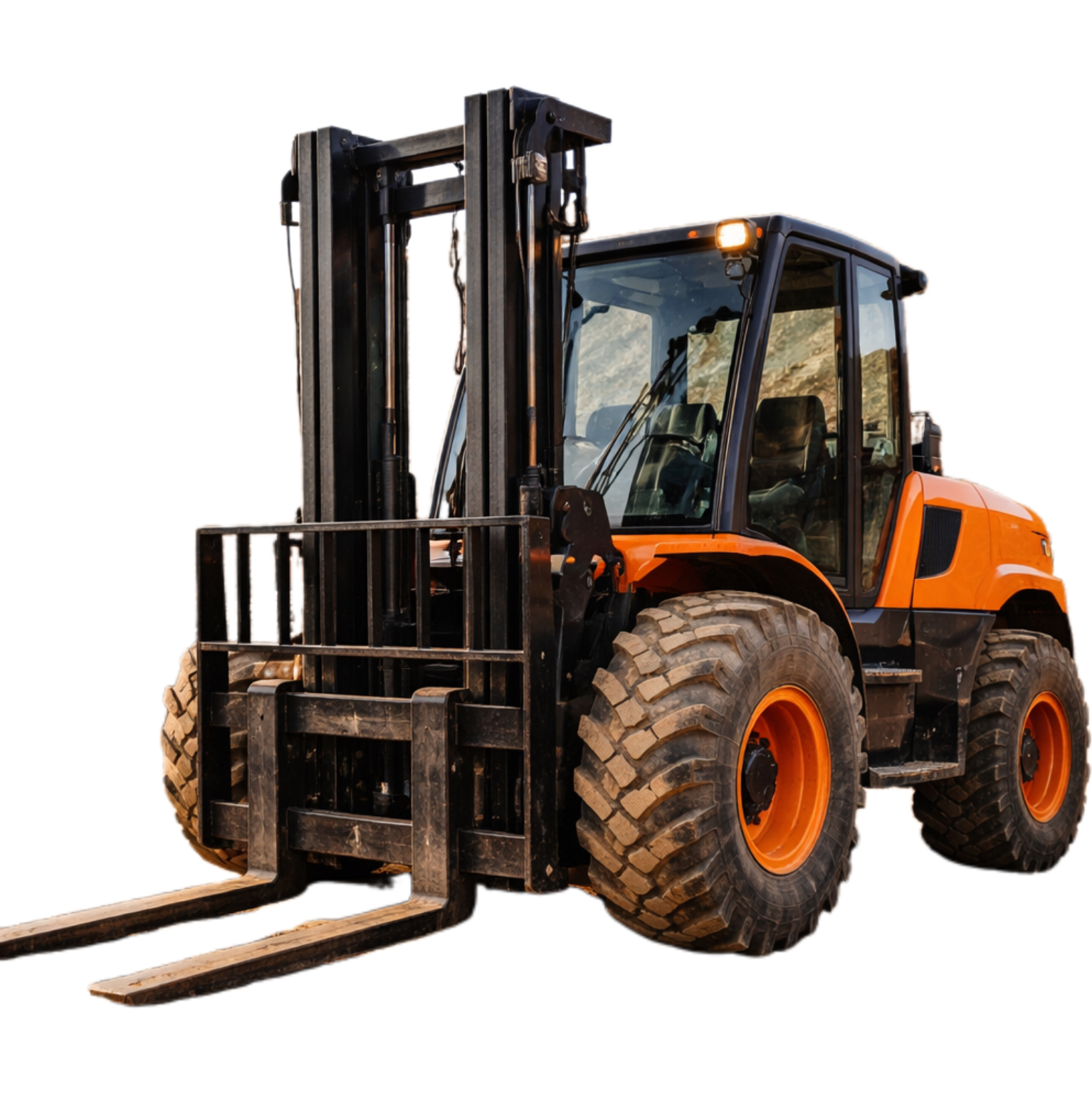


Forklift Safety Management: How to Reduce Accidents in Industrial Facilities
Forklifts are essential tools in warehouses, factories, and logistics centers. However, they are also one of the leading causes of industrial workplace accidents. According to industry safety reports, forklift-related incidents often result in injuries, equipment damage, production downtime, and significant financial losses.
Effective forklift safety management is not just a regulatory requirement—it is a strategic approach to protecting workers, assets, and operational efficiency. This article explores how industrial facilities can reduce accidents through structured forklift safety management systems.
1. Why Forklift Safety Is a Critical Management Issue
Forklift accidents can lead to:
Serious operator and pedestrian injuries
Damage to goods, racks, and buildings
Production delays and downtime
Higher insurance premiums
Legal liabilities and regulatory penalties
Many accidents are preventable and usually stem from:
Inadequate training
Poor maintenance
Unsafe warehouse layouts
Lack of safety procedures
Addressing forklift safety proactively helps companies avoid these risks while improving overall operational performance.
2. Common Causes of Forklift Accidents
Understanding accident causes is the first step in prevention.
Operator-Related Causes
Inadequate training or certification
Excessive speed
Improper load handling
Poor visibility
Equipment-Related Causes
Mechanical failure
Worn brakes or tires
Hydraulic leaks
Malfunctioning warning systems
Environment-Related Causes
Narrow aisles
Poor lighting
Congested traffic areas
Uneven or slippery floors
A comprehensive safety program addresses all three factors.
3. Operator Training and Certification
Why Training Matters
Forklift operators are responsible for handling heavy loads in dynamic environments. Without proper training, even experienced workers can make costly mistakes.
Key Training Components
Forklift operation principles
Load capacity awareness
Safe driving techniques
Emergency response procedures
Daily inspection routines
Training should include:
Classroom instruction
Hands-on practical training
Periodic refresher courses
Well-trained operators significantly reduce accident rates and equipment damage.
4. Daily Inspections and Preventive Maintenance
A forklift should never be operated without a pre-use inspection.
Daily Inspection Checklist
Brakes and steering
Horns, lights, and alarms
Tires and forks
Hydraulic systems
Battery or fuel condition
Preventive Maintenance
Scheduled maintenance ensures:
Mechanical reliability
Reduced unexpected breakdowns
Longer equipment lifespan
Preventive maintenance is far more cost-effective than emergency repairs and accident-related losses.
5. Warehouse Layout and Traffic Management
Poor warehouse design increases the risk of collisions and tip-overs.
Layout Optimization
Clearly marked forklift lanes
Separate pedestrian walkways
Adequate aisle width for forklift type
Proper racking height and spacing
Traffic Control Measures
One-way traffic systems
Speed limits
Stop signs and mirrors at intersections
Good traffic planning improves safety while also enhancing workflow efficiency.
6. Load Handling and Stability Control
Improper load handling is a major cause of forklift accidents.
Best Practices
Never exceed rated load capacity
Keep loads low while traveling
Tilt mast properly during movement
Avoid sudden turns or stops
Operators should understand how load weight, height, and center of gravity affect forklift stability.
7. Use of Safety Technology and Equipment
Modern forklifts offer advanced safety features that reduce risk.
Common Safety Features
Seatbelt interlock systems
Speed control based on load weight
Rear-view cameras
Proximity sensors
Automatic braking systems
Additional Safety Equipment
High-visibility clothing
Warning lights and alarms
Protective barriers and guards
Investing in safety technology helps prevent accidents before they occur.
8. Safety Policies and Safety Culture
Forklift safety should be embedded in company culture.
Effective Safety Policies Include
Clear operating rules
Enforcement of safety procedures
Incident reporting systems
Regular safety audits
Building a Safety Culture
Encourage workers to report hazards
Conduct regular safety meetings
Recognize safe behavior
A strong safety culture ensures compliance and long-term accident reduction.
9. Compliance with Safety Regulations
Most countries enforce forklift safety regulations (e.g., OSHA standards).
Compliance ensures:
Legal operation
Reduced risk of fines
Better insurance conditions
Regular audits and documentation help companies remain compliant and demonstrate commitment to safety.
10. Cost Benefits of Forklift Safety Management
Although safety programs require investment, they deliver measurable financial benefits:
Fewer accidents and injuries
Reduced downtime
Lower repair and insurance costs
Improved employee morale and productivity
Safety management is not a cost—it is a long-term investment.
Our manager will contact you shortly.
To contact you about our products and services.


Copyright © Xingtai Beiqiang Machinery Manufacturing Factory. 2025.
Technical support:Echola