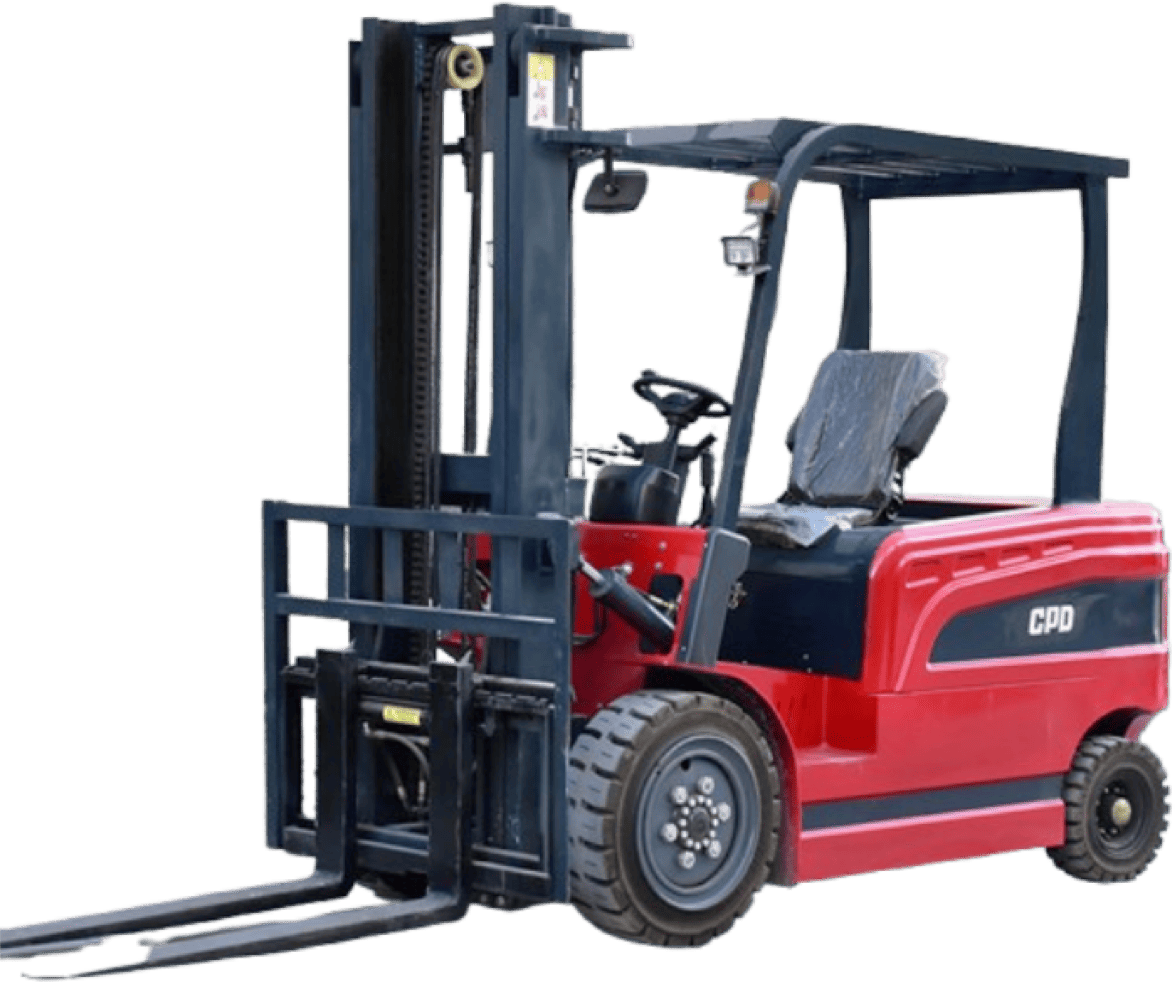
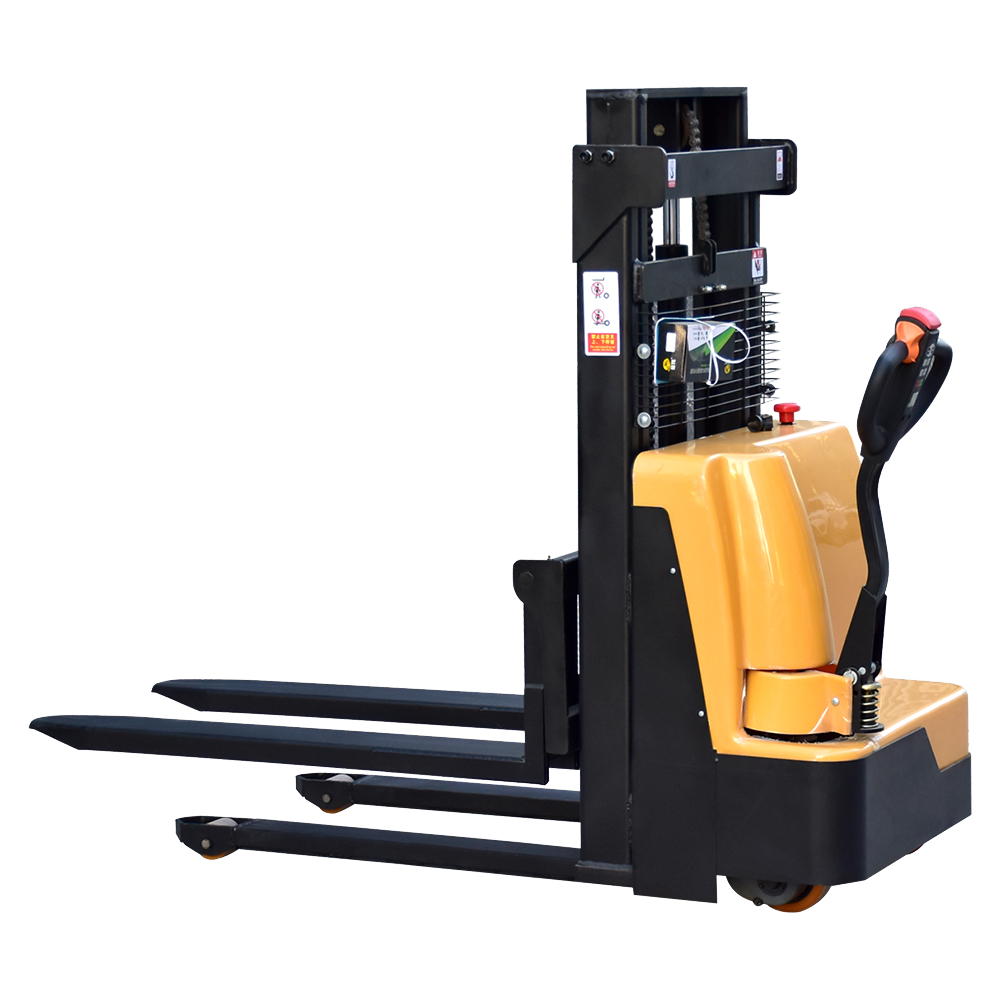
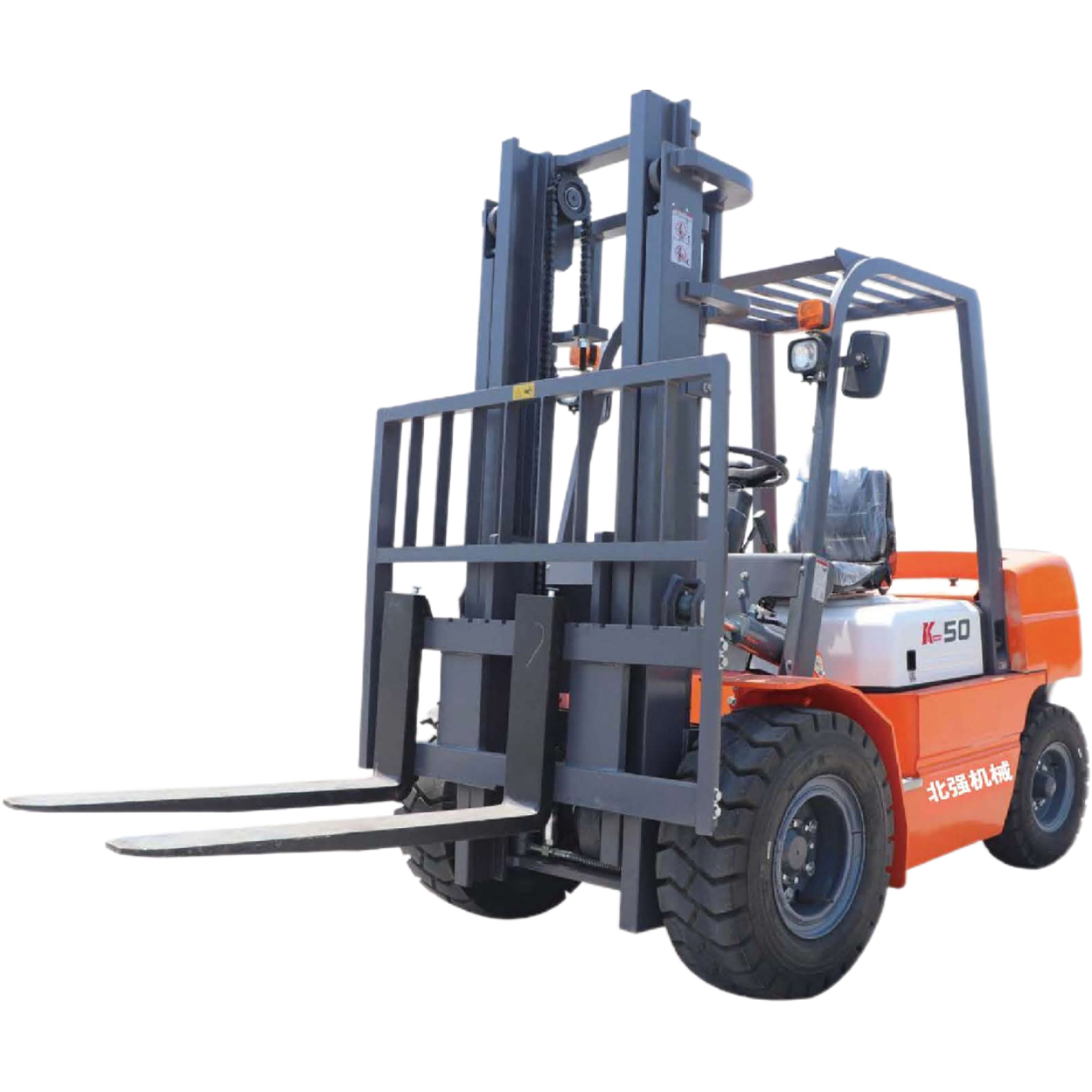
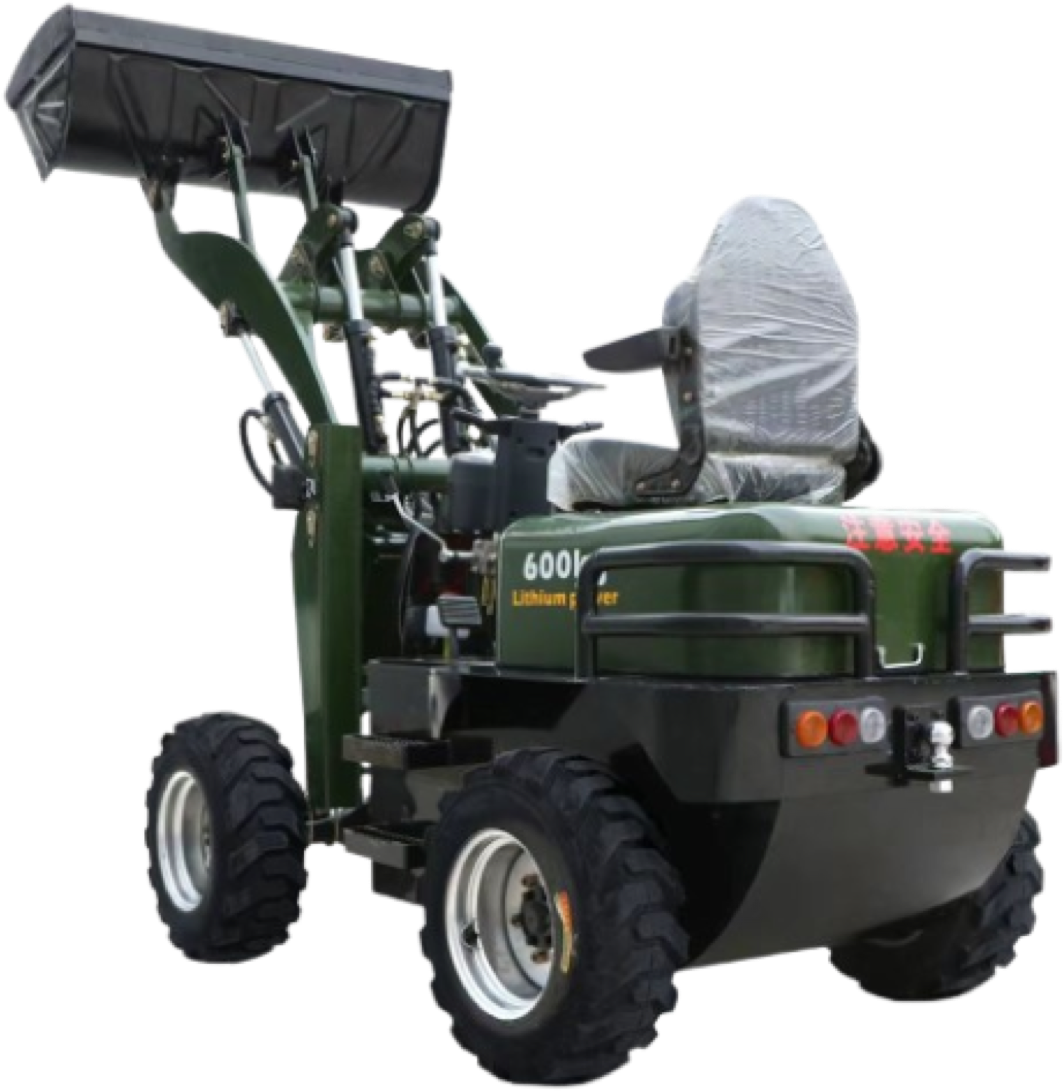
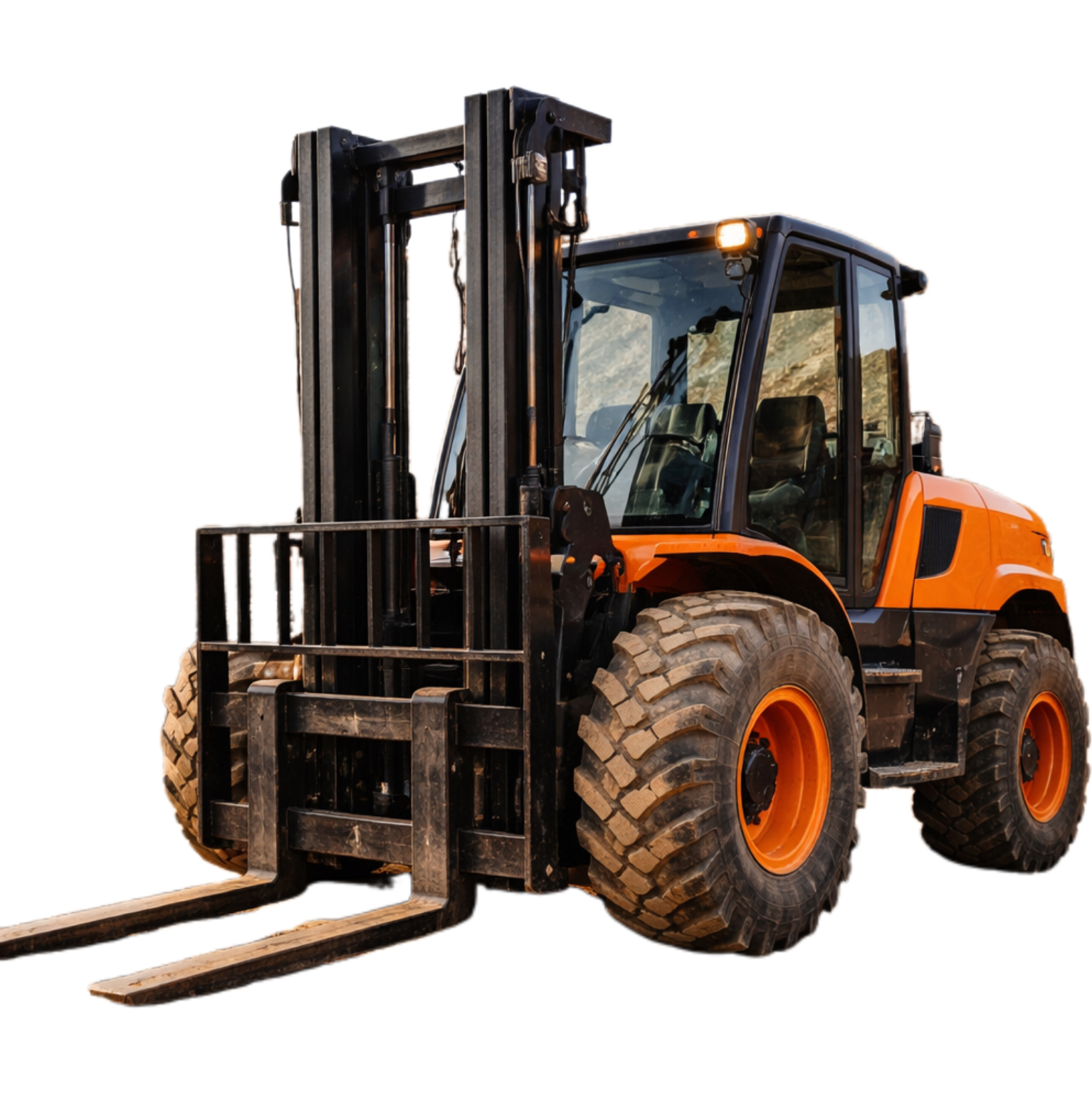


How Forklifts Help Reduce Warehouse Operating Costs
A Complete Efficiency Guide for Modern Warehousing
In today’s highly competitive logistics and manufacturing environment, warehouses are under constant pressure to reduce operating costs while maintaining high productivity and safety standards. Labor shortages, rising energy prices, and increasing customer expectations have made cost optimization a top priority.
One of the most effective and scalable solutions is the strategic use of forklifts. When properly selected, deployed, and maintained, forklifts can significantly reduce warehouse operating costs across multiple dimensions—from labor and time to space and energy consumption.
This article explores how forklifts help warehouses reduce costs, improve efficiency, and achieve long-term operational sustainability.
1. Reducing Labor Costs Through Mechanized Handling
The Problem with Manual Handling
Manual material handling is:
Labor-intensive
Time-consuming
Prone to injuries
Inefficient for heavy or repetitive tasks
Warehouses relying heavily on manual labor often require more workers, longer shifts, and higher overtime expenses.
How Forklifts Solve This
Forklifts dramatically reduce the number of workers needed to move heavy loads.
Key cost-saving effects:
One operator can replace multiple manual handlers
Faster pallet movement reduces labor hours per task
Reduced physical strain lowers absenteeism and turnover
📉 Result: Lower payroll costs and higher output per employee.
2. Improving Productivity and Throughput
Time is a major cost factor in warehousing. The longer goods stay in storage or wait for movement, the higher the operational cost.
Forklifts Increase Handling Speed
Compared to manual or semi-manual handling:
Loading and unloading times are significantly reduced
Internal transportation becomes faster and more predictable
Order fulfillment cycles shorten
A well-organized forklift operation can improve throughput by 30–50%, especially in high-volume warehouses.
📈 Higher throughput = lower cost per unit handled
3. Optimizing Warehouse Space Utilization
Why Space Efficiency Matters
Warehouse space is expensive:
Rent or construction costs
Lighting, heating, and cooling
Maintenance and insurance
Poor space utilization leads to higher cost per square meter.
Forklifts Enable Vertical Storage
Modern forklifts allow warehouses to:
Stack goods higher
Use vertical space efficiently
Reduce aisle width with specialized forklifts
Examples:
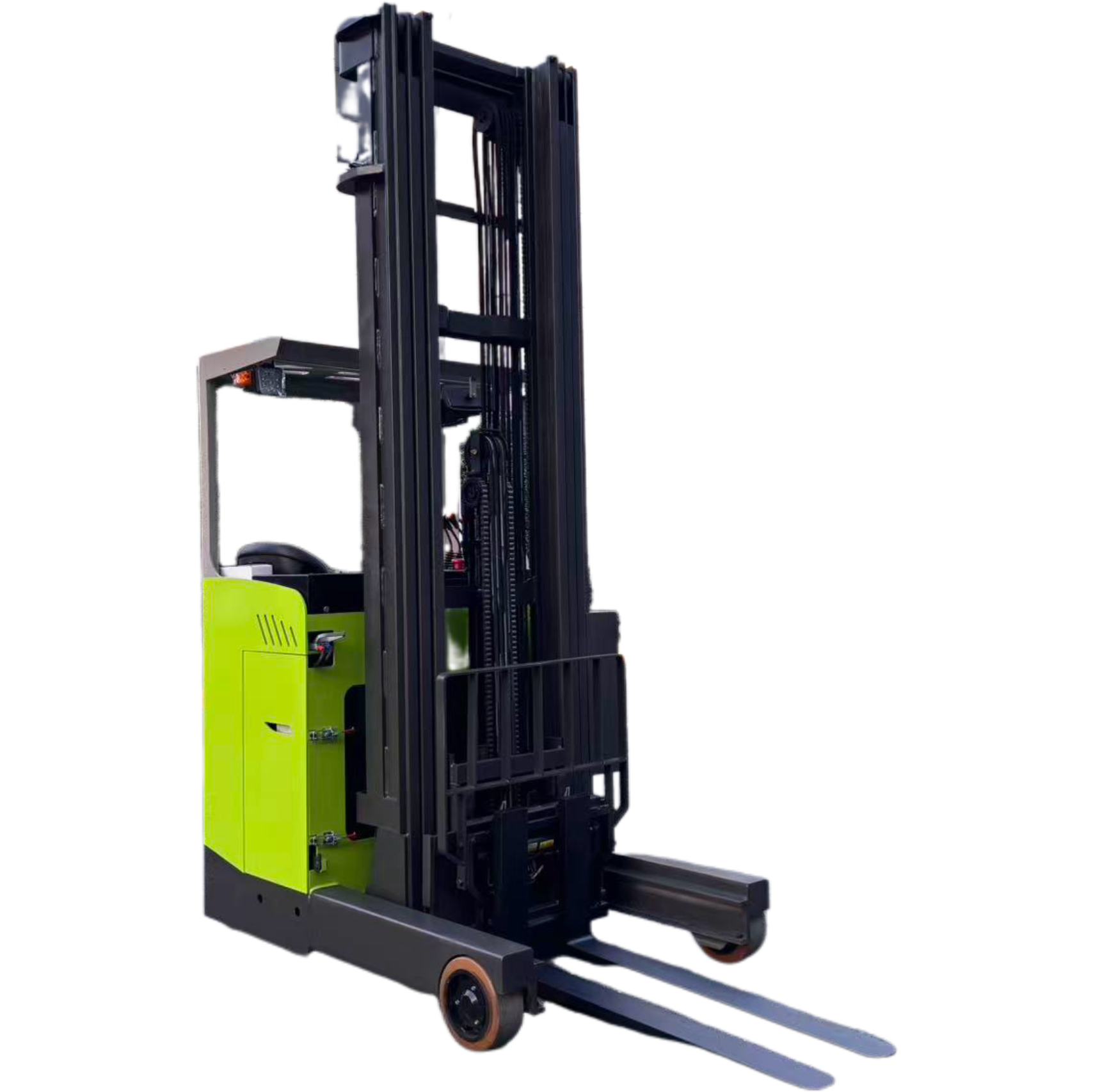
Reach trucks for high-rack storage
VNA forklifts for ultra-narrow aisles
Order pickers for dense SKU environments
📦 More storage capacity without expanding floor space
📉 Lower cost per stored pallet
4. Lowering Product Damage and Loss
Product damage is a hidden but significant cost in warehouse operations.
Common Causes of Damage
Manual mishandling
Unstable stacking
Poor load control
Inexperienced operators
How Forklifts Reduce Damage
Stable forks and controlled lifting
Consistent pallet handling
Precision placement in racks
Better load visibility
With trained operators and proper equipment, forklifts reduce:
Broken pallets
Dropped goods
Damaged packaging
📉 Lower replacement costs and fewer customer claims
5. Energy Efficiency and Fuel Cost Optimization
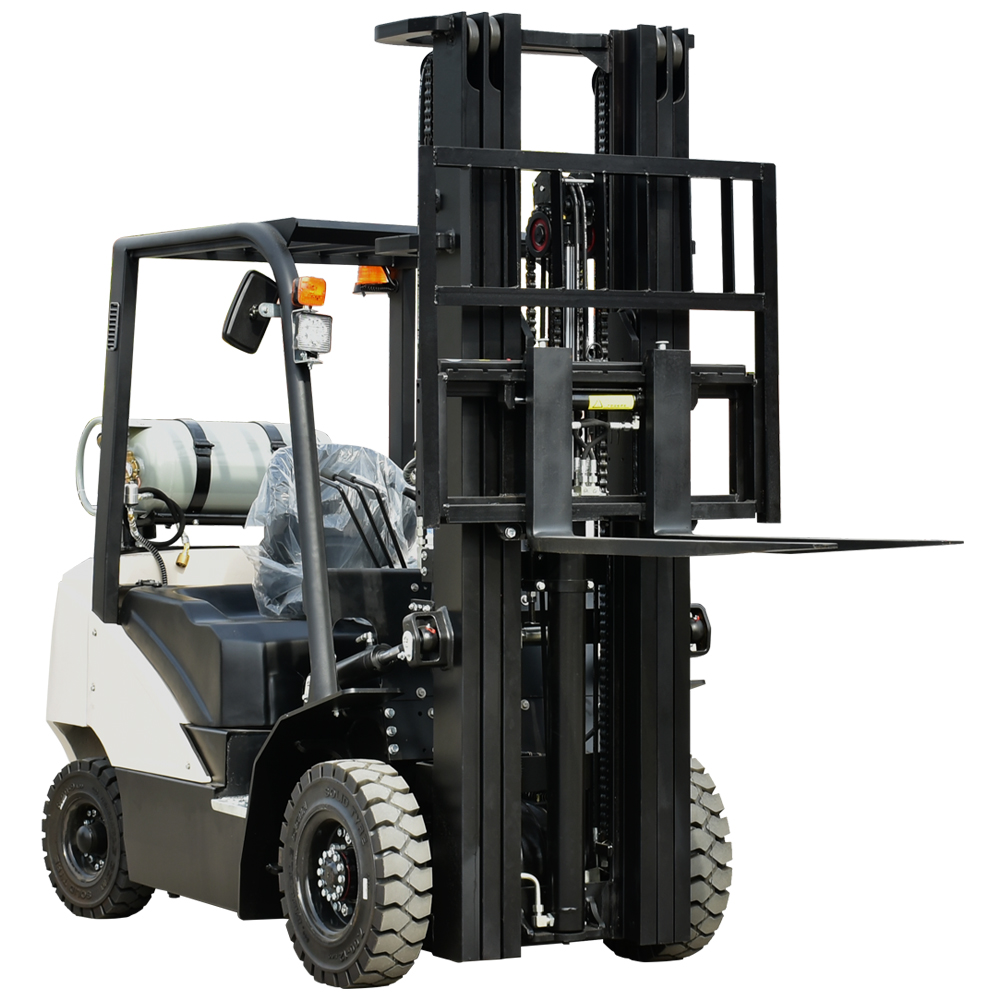
Electric vs Diesel Forklifts
Forklift power choice has a direct impact on operating costs.
Electric Forklifts
Lower energy cost per hour
Fewer moving parts
Reduced maintenance needs
Ideal for indoor operations
Diesel Forklifts
Higher fuel consumption
Strong power for outdoor use
More frequent servicing
Many warehouses reduce long-term energy expenses by switching to:
Electric forklifts
Lithium-ion battery systems
Hybrid forklifts for mixed environments
⚡ Lower energy cost = predictable operating expenses
6. Reducing Maintenance and Downtime Costs
Unexpected equipment downtime is costly:
Delayed shipments
Idle labor
Emergency repair costs
Forklifts with Preventive Maintenance
Modern forklifts are designed for:
Scheduled preventive maintenance
Predictable service intervals
Easy access to components
By following maintenance plans:
Breakdowns are minimized
Equipment lifespan is extended
Spare parts planning becomes easier
📉 Lower repair costs and less operational disruption
7. Streamlining Warehouse Workflow
Forklifts are not just machines—they are part of the workflow system.
Workflow Improvements
Faster inbound and outbound handling
Reduced congestion with defined forklift routes
Better coordination between picking, packing, and shipping
Warehouses that redesign layouts around forklift movement often achieve:
Smoother traffic flow
Shorter travel distances
Better task sequencing
🔄 Efficient workflow reduces wasted time and motion
8. Enhancing Safety and Reducing Accident Costs
Workplace accidents carry heavy costs:
Medical expenses
Insurance claims
Legal risks
Production stoppages
Forklifts Improve Safety When Properly Managed
Designed lifting capacities
Built-in safety systems
Stable load handling
When combined with:
Operator training
Clear traffic markings
Regular inspections
Forklifts help reduce:
Injury-related costs
Equipment damage
Compliance risks
🛡️ Safer operations = lower indirect costs
9. Fleet Optimization and Data-Driven Cost Control
Modern forklifts can be equipped with:
Telematics systems
Usage tracking
Maintenance alerts
Benefits of Forklift Fleet Management
Identify underused or overused equipment
Optimize fleet size
Reduce unnecessary purchases
Plan maintenance proactively
📊 Data-driven decisions lead to smarter investments
10. Long-Term ROI of Forklift Investment
Although forklifts require upfront investment, the long-term return is significant.
Key ROI Factors
Reduced labor dependency
Higher productivity
Lower damage rates
Energy savings
Extended equipment lifespan
Warehouses that view forklifts as strategic assets rather than expenses achieve sustainable cost advantages over competitors.
Conclusion
Forklifts play a crucial role in reducing warehouse operating costs. From lowering labor expenses and increasing productivity to optimizing space, minimizing damage, and improving safety, forklifts deliver measurable financial benefits.
By selecting the right forklift type, maintaining equipment properly, training operators, and integrating smart management systems, warehouses can transform their operations into efficient, cost-effective, and scalable systems.
In an era where efficiency determines competitiveness, forklifts are no longer optional—they are essential.
Our manager will contact you shortly.
To contact you about our products and services.


Copyright © Xingtai Beiqiang Machinery Manufacturing Factory. 2025.
Technical support:Echola