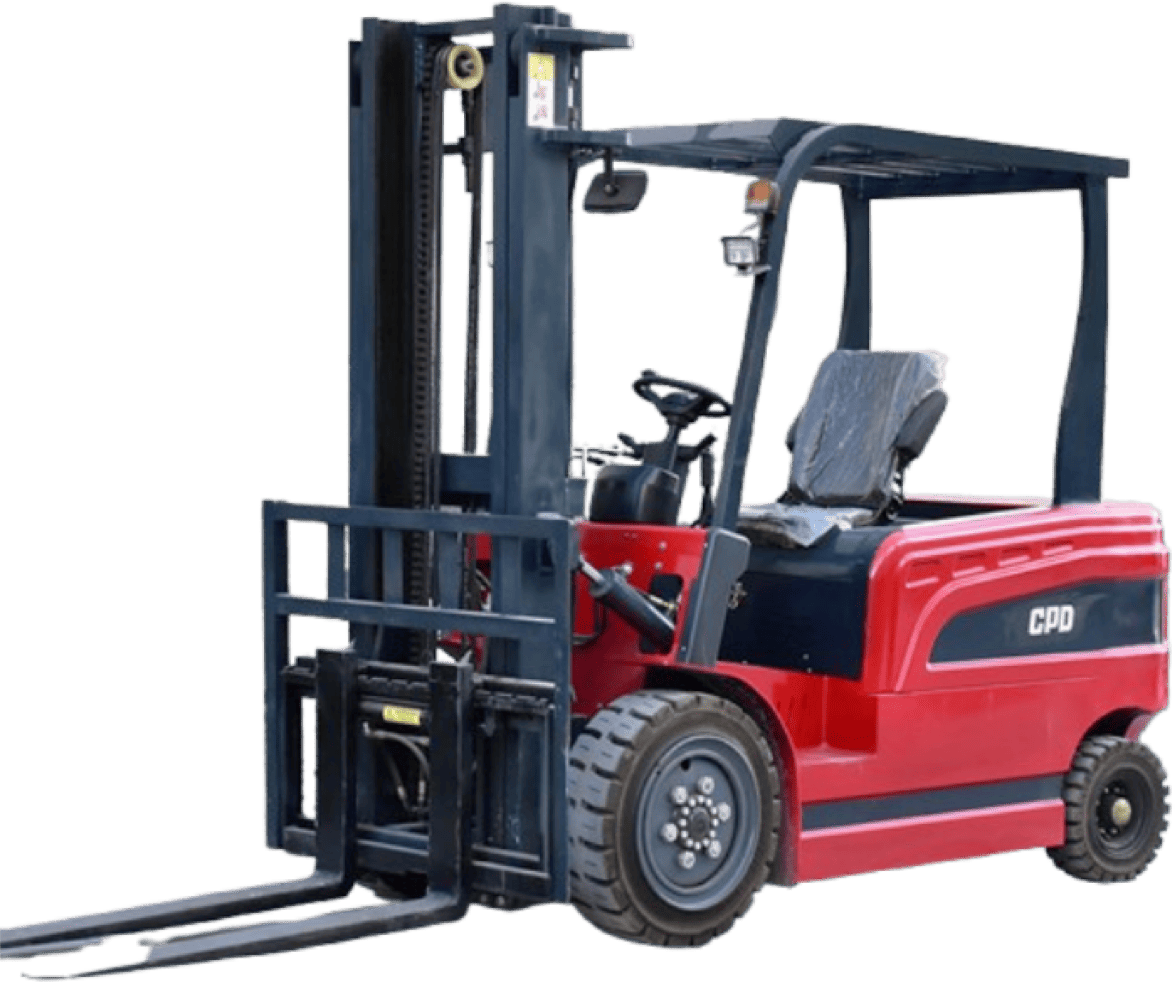
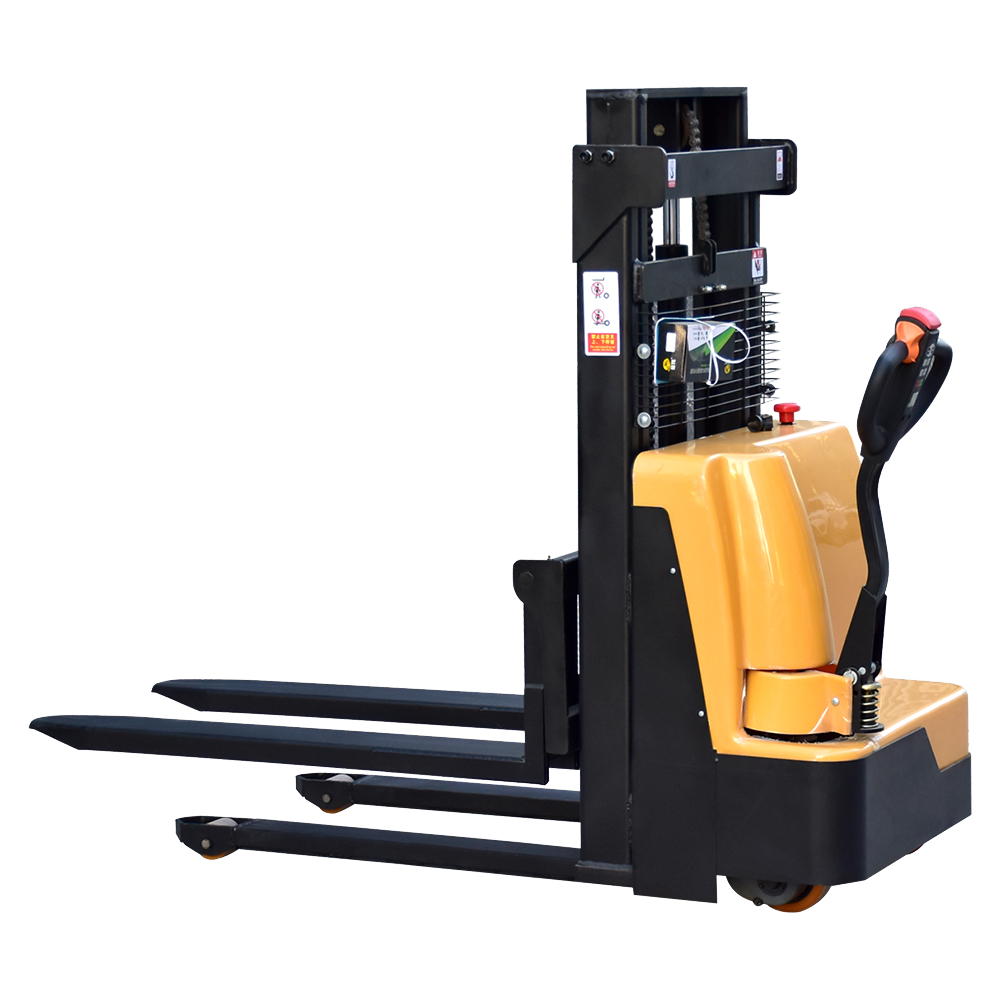
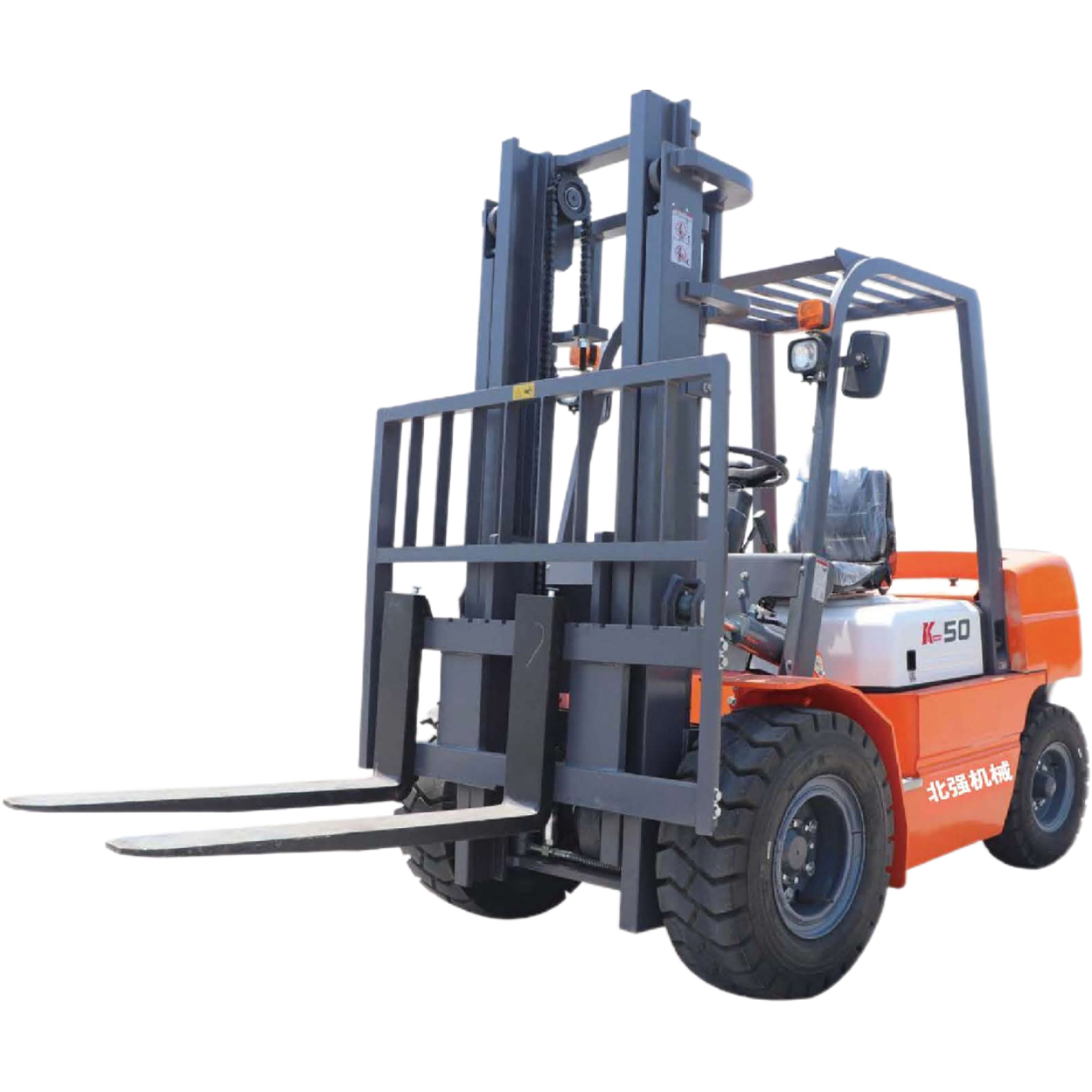
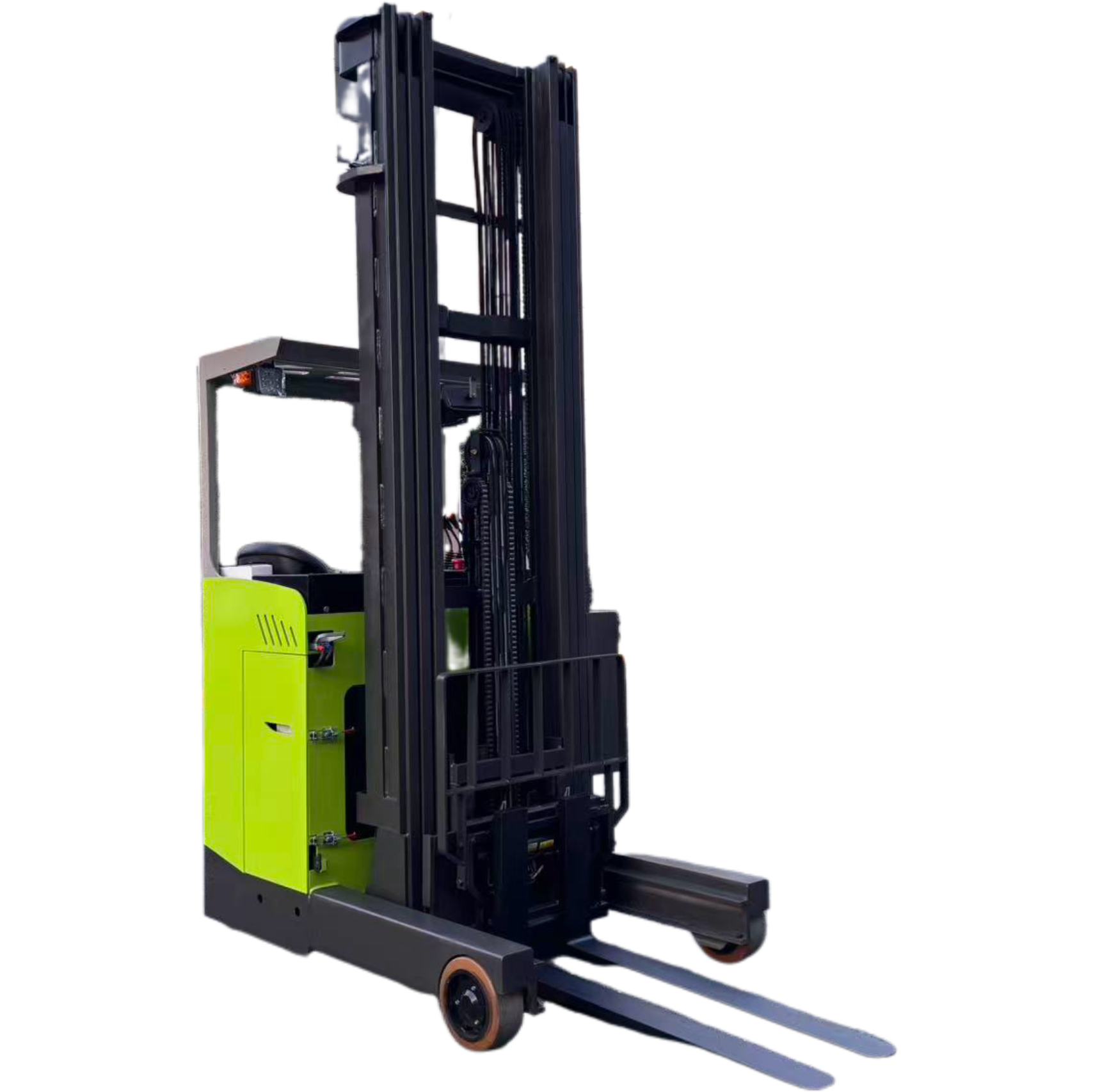
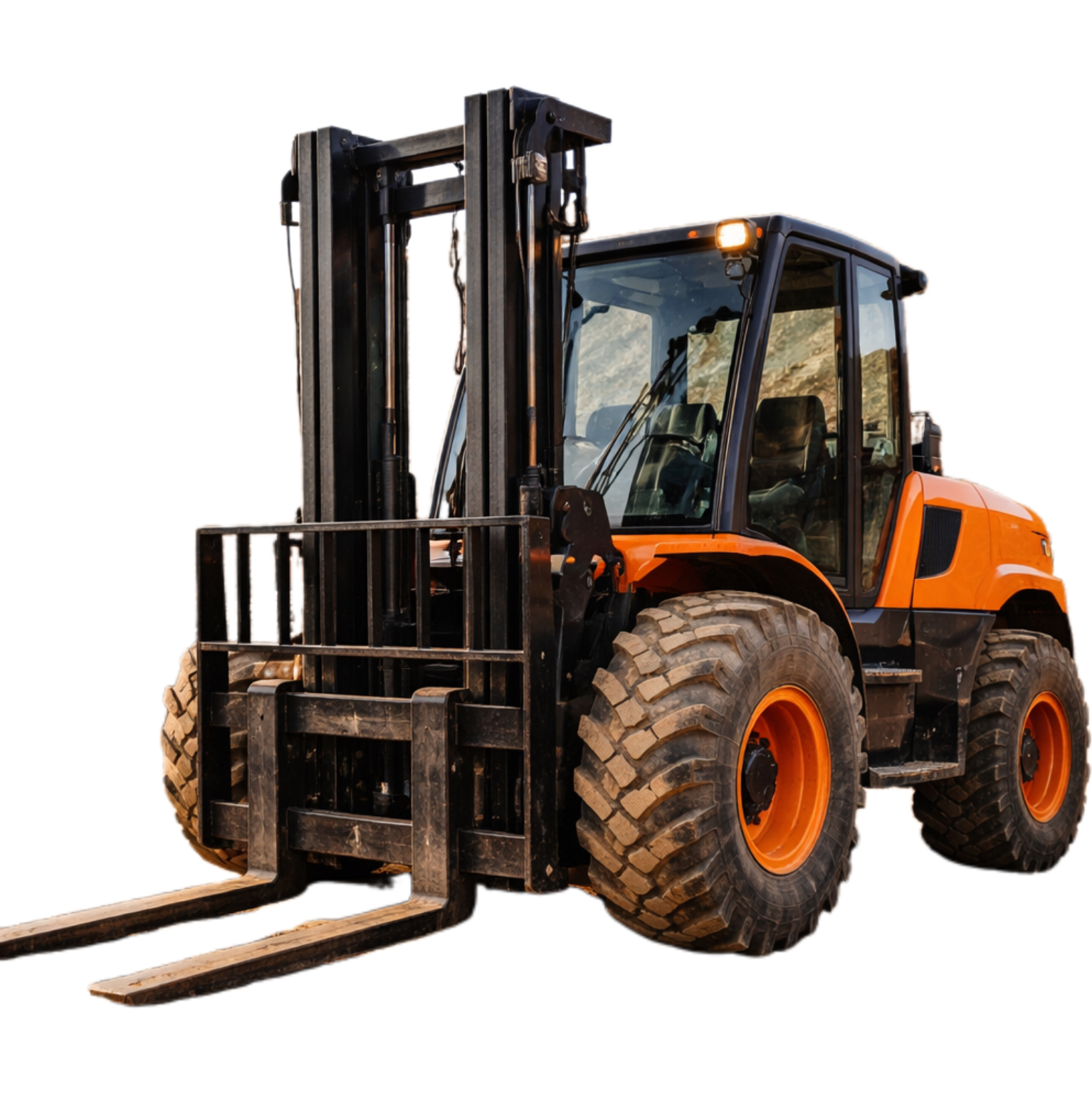


“Will operating an electric forklift for 8 hours a day affect my health due to radiation?” “When purchasing electric forklifts, do we need to pay extra attention to 'radiation protection indicators'?” Such questions are not uncommon in warehouse and logistics workshops. As electric forklifts become the main equipment in workshops, “radiation safety” has gradually become a key concern for operators and enterprise managers. Today, we will use scientific data to dispel misunderstandings and clarify the “truth and common sense” about electric forklift radiation.
I. Core Clarification: Electric Forklift Radiation Is Not What You Think
When mentioning “radiation”, many people immediately think of “ionizing radiation” generated by hospital radiotherapy equipment and nuclear facilities. This type of radiation has high energy and can indeed damage cell structures and harm the human body. However, the radiation from electric forklifts is essentially “non-ionizing radiation”, which belongs to the same category as radiation from mobile phones, computers, and microwave ovens. Its energy is far lower than that of ionizing radiation and will not directly damage DNA.
Simply put, the harmfulness of radiation depends on “energy density” and “exposure time”. It’s like sunbathing: moderate ultraviolet rays can promote calcium absorption, but excessive exposure causes sunburn. The radiation dose of electric forklifts is equivalent to “sunbathing through glass”, which is within an absolutely safe range.
II. Analyzing Radiation Sources: Where Are the “Radiation Points” in Electric Forklifts?
The radiation from electric forklifts mainly comes from power transmission and the operation of electronic equipment, with core sources concentrated in three major systems. We will analyze their safety one by one with measured data:
1. Power System: Most “Concentrated” Radiation, but Far Below Safety Limits
The power system (power battery, drive motor, cables) is the main source of radiation. The electromagnetic field generated by the motor during operation and the current changes during battery charging and discharging will produce weak radiation. However, according to measurements based on the national standard Electromagnetic Environment Control Limits (GB 8702-2014):
• At the forklift operating position (1-1.5 meters away from the motor), the magnetic field strength is usually 0.1-0.5 μT (microtesla), which is only 0.5% of the national standard limit (100 μT);
• The radiation level is slightly higher when the battery is charging, but even when close to the battery (within 30 cm), the value does not exceed 2 μT, which is lower than that of a household hair dryer (5-10 μT).
A large logistics enterprise once commissioned a third-party organization to test 20 electric forklifts of different brands (including counterbalanced forklifts and stackers). The radiation levels at the operating positions did not exceed 1 μT, which is safer than that of daily-used smartphones (about 2-5 μT when held close to the head during a call).
2. Control System: Radiation Is “Negligible”
Electronic equipment such as controllers, sensors, and instrument panels will generate low-frequency electromagnetic radiation during operation, but the energy of such radiation is extremely low. Measured data shows that the radiation level near the operating handle is only 0.05-0.1 μT, which is equivalent to the level of natural background radiation (the electromagnetic field inherent in the Earth, about 0.03-0.1 μT) and barely affects the human body.
It is worth mentioning that the electronic components of modern electric forklifts are all equipped with shielding designs. For example, the controller shell is made of metal materials, which can effectively block radiation leakage and further reduce radiation intensity.
3. Charging System: Focus on “Distance” Rather Than “Radiation Itself”
During the charging process, the current interaction between the charger and the battery will generate a certain amount of radiation, but the radiation intensity decreases sharply with increasing distance. Third-party testing shows that the radiation level is about 0.3 μT at 1 meter away from the charging pile, and drops to 0.08 μT at 2 meters away, which is completely within the safe range.
The core precaution here is not “radiation protection”, but “electric shock prevention”. Maintaining a safe distance (more than 1 meter) during charging is essentially to avoid the risk of electric leakage at the charging interface, not radiation hazards.
III. Authoritative Standards as a Guarantee: Strict Regulations on Electric Forklift Radiation Safety
Many people worry that “enterprises will lower radiation protection standards to cut costs”. In fact, the radiation control of electric forklifts is restricted by clear national and international standards, leaving no room for enterprises to “take shortcuts”:
• National Standards: According to Electromagnetic Environment Control Limits (GB 8702-2014), the public exposure limit for industrial equipment is 100 μT (50Hz frequency band), while the measured values of electric forklifts are generally 0.1-2 μT, accounting for only 1%-2% of the limit;
• International Standards: Exported electric forklifts must comply with standards such as EU EN 62311 and US FCC Part 15, which have even stricter requirements for electromagnetic radiation than domestic standards;
• Factory Inspection: Regular forklift enterprises (such as Heli and Hangcha) will pass EMC (Electromagnetic Compatibility) testing before leaving the factory. Products with excessive radiation cannot enter the market at all.
|
IV. Practical Protection: These “Details” Are More Important Than “Radiation Protection”
Although the radiation from electric forklifts is controllable and safe, mastering scientific protection habits in daily operations can further improve work safety (note: the following measures are not for radiation protection, but for overall health protection):
1. Standardized Operation and Maintaining a Reasonable Distance: Do not lean your body too close to the battery or motor compartment during operation. In a normal sitting position (keeping a distance of more than 1 meter from the core components of the equipment), the impact of radiation is negligible;
2. Regular Maintenance to Avoid Equipment Aging: If the motor shell is damaged or the cable insulation layer is cracked, radiation may increase slightly (but still within the safe range), but the risk of electric leakage will be higher. Such issues should be reported for repair in a timely manner;
3. Optimize the Working Environment: Install charging piles in well-ventilated areas. Avoid long-term stay near charging piles during charging (no more than 10 minutes within 1 meter), and keep them away from flammable and explosive materials;
4. Reject “Three-No” Products: When purchasing, choose regular brands with 3C certification (China Compulsory Certification). Avoid buying “shoddy forklifts” produced by small workshops, as such products may have multiple hidden dangers such as excessive radiation and electrical safety issues.
Conclusion: Don’t Let “Radiation Anxiety” Overshadow the Advantages of Electric Forklifts
To sum up, the radiation from electric forklifts is “low-energy non-ionizing radiation”, and its safety level is equivalent to or even lower than that of daily household appliances. The triple guarantees of national mandatory standards, factory inspection, and shielding design have long provided “insurance” for the health of operators. Instead of worrying about radiation, it is better to focus on practical safety issues such as standardized operation and equipment maintenance.
Have you ever had similar “radiation concerns” when operating electric forklifts? Or have you encountered other safety issues? Welcome to leave a message in the comment area to discuss and communicate with us!
Our manager will contact you shortly.
To contact you about our products and services.


Copyright © Xingtai Beiqiang Machinery Manufacturing Factory. 2025.
Technical support:Echola