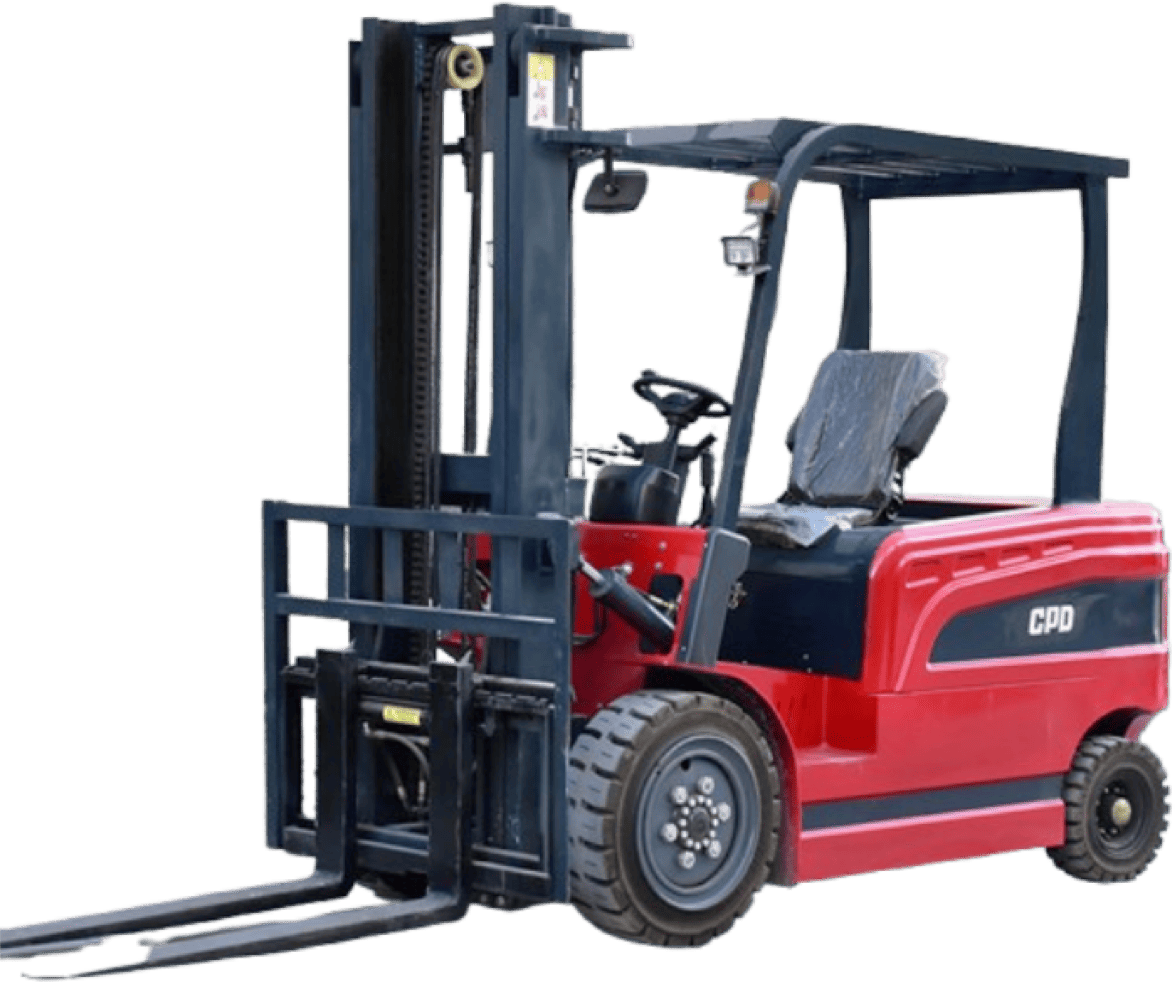
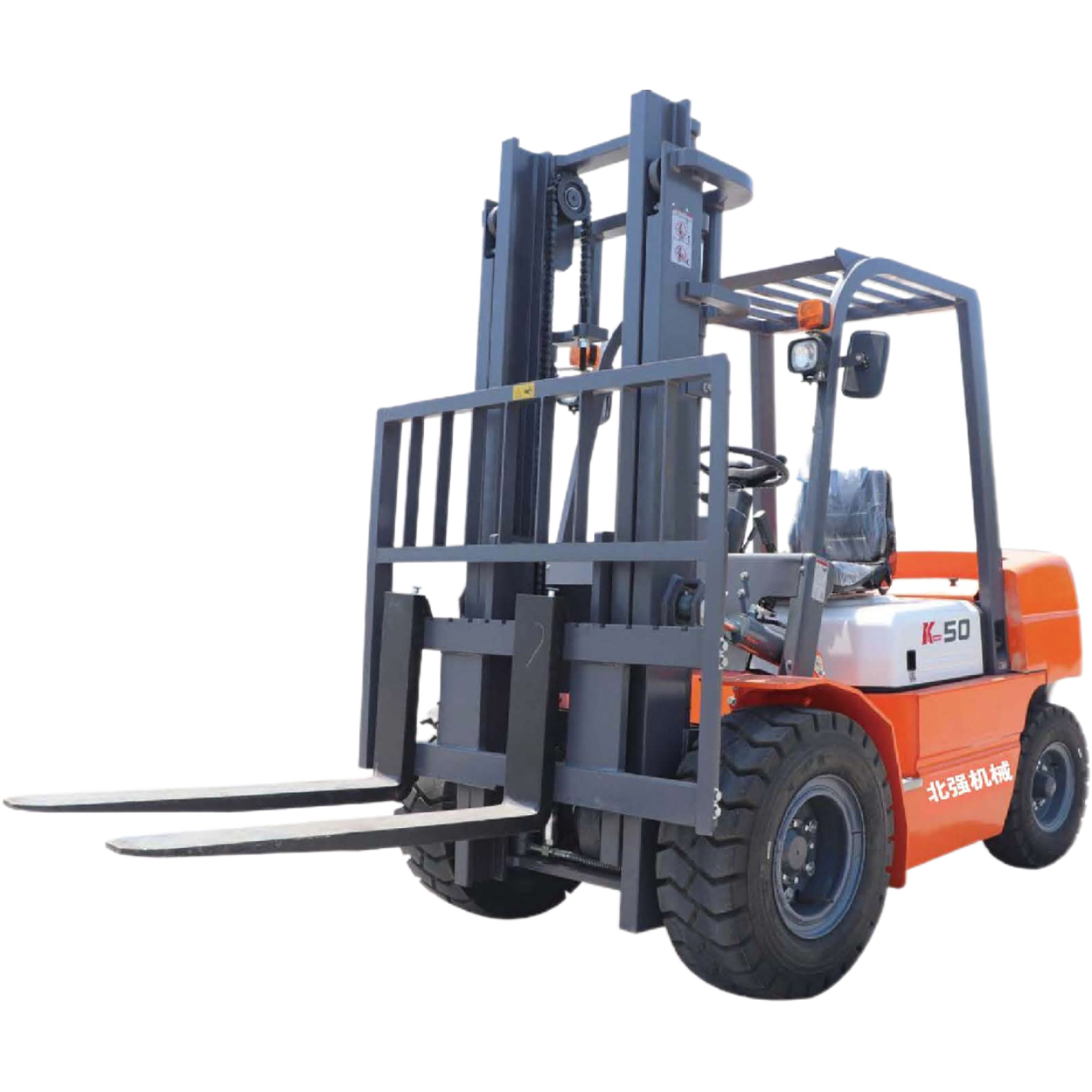
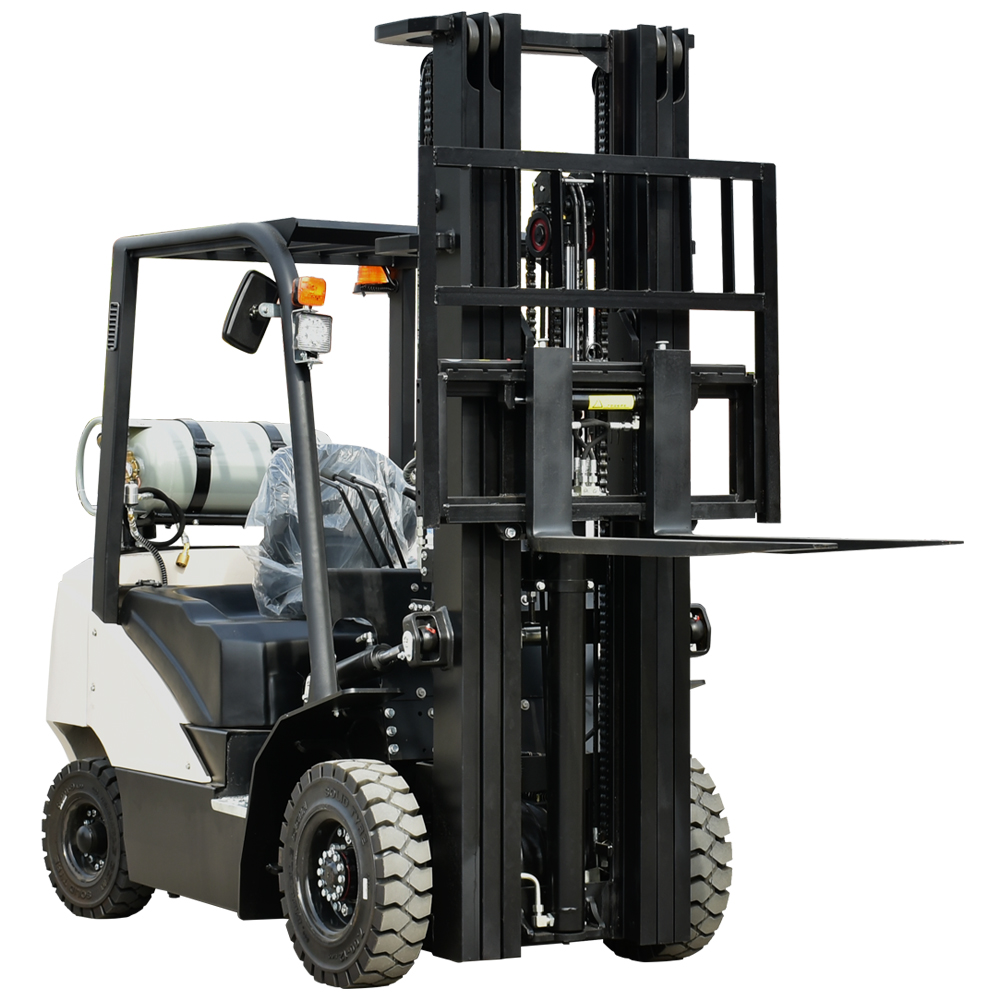
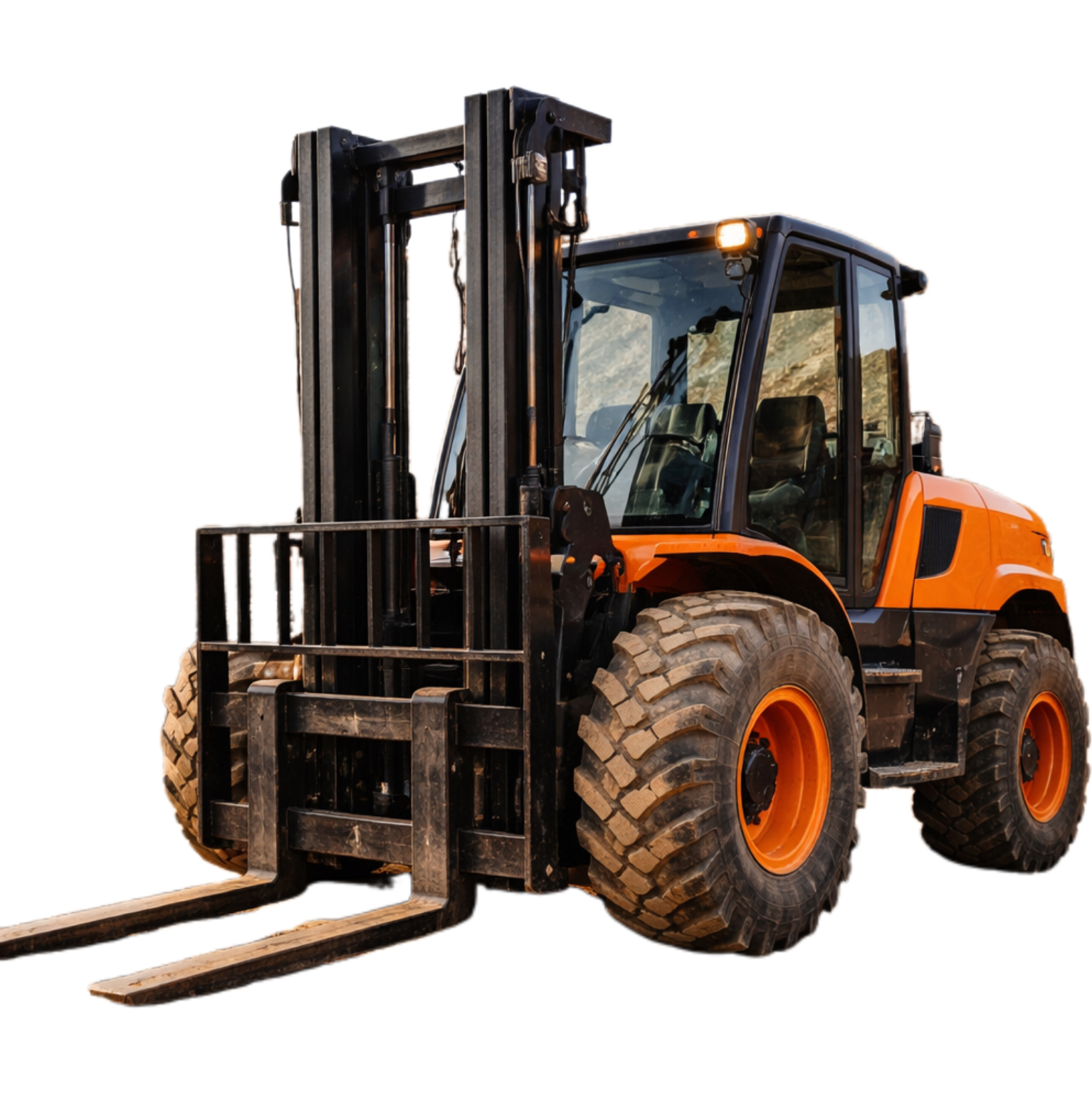


In the world of material handling, where raw power, relentless endurance, and the ability to tackle the toughest conditions are paramount, the diesel forklift remains an indispensable workhorse. As a primary choice for heavy-duty outdoor and industrial applications, diesel-powered forklifts are engineered to deliver exceptional performance where other power sources may fall short.
A diesel forklift is an internal combustion engine-powered industrial truck where the engine ignites fuel through compression. Known for their robust construction and high torque output, these machines are typically utilized in shipping yards, lumber mills, construction sites, freight terminals, and other demanding environments that require lifting substantial loads—often exceeding those of standard electric models—in all weather conditions.
Key Advantages of Diesel Forklifts
1. Unmatched Power & High Torque
Diesel engines excel at producing high torque at low RPMs. This translates to superior raw power for lifting extremely heavy loads (often ranging from 15,000 to over 100,000 lbs capacity), climbing gradients with ease, and powering through uneven or soft terrain like gravel, mud, or dirt. They are the powerhouse for the most demanding lifting tasks.
2. Superior Performance for Outdoor & Rough Terrain Applications
Built with heavy-duty chassis, large pneumatic tires, and high ground clearance, rough terrain diesel forklifts are specifically designed for challenging outdoor environments. Their durability and power make them ideal for use in construction, agriculture, and lumber operations, where smooth concrete surfaces are nonexistent.
3. Lower Initial Purchase Cost & High Resale Value
Compared to their electric or large-capacity pneumatic tire counterparts, diesel forklifts generally have a lower initial purchase price. Their robust construction and enduring demand in heavy industries also contribute to a strong resale value, making them a cost-effective capital asset over their long lifespan.
4. Operational Efficiency for Long Shifts & High Throughput
Diesel forklifts offer the advantage of rapid refueling (taking just minutes), enabling continuous operation throughout long shifts without the extended downtime required for battery charging or changing. This makes them highly efficient for high-throughput applications like port operations or large-scale logistics yards.
5. Durability & Longevity
Diesel engines are renowned for their robust construction and longevity. Designed to withstand high compression and continuous heavy workloads, a well-maintained diesel forklift can operate reliably for thousands of hours, often outlasting other power types in extreme-service cycles.
6. Fuel Availability & Energy Density
Diesel fuel has a high energy density, meaning it packs more power per gallon compared to gasoline or liquefied petroleum gas (LPG). This, combined with the widespread availability of diesel fuel, ensures operational continuity, especially in remote job sites or industrial areas.
Considerations and Modern Context
While diesel forklifts offer undeniable power, it's important to balance their advantages with considerations:
Emissions: They produce exhaust emissions (including particulate matter and NOx) and are unsuitable for enclosed spaces without massive ventilation. Modern Tier 4 Final and Stage V engines incorporate advanced emissions control systems like DPFs (Diesel Particulate Filters) and SCR (Selective Catalytic Reduction) to significantly reduce their environmental impact.
Operating Costs: Fluctuating diesel fuel prices and regular maintenance (oil, filters, AdBlue for SCR systems) contribute to the total cost of ownership, which should be calculated against initial savings.
Noise: They are noticeably louder than electric models, which may be a factor in noise-sensitive areas.
Conclusion
The diesel forklift is the undisputed champion of heavy lifting and rugged, outdoor material handling. Its combination of immense power, relentless durability, operational continuity, and cost-effectiveness for specific use cases secures its vital role in global industry. For operations that demand brute strength, all-weather capability, and the ability to work on any surface, a modern diesel forklift is not just a tool—it's a fundamental pillar of productivity. Choosing a diesel forklift represents an investment in a powerful, durable asset built to conquer the most challenging tasks for years to come.
Our manager will contact you shortly.
To contact you about our products and services.


Copyright © Xingtai Beiqiang Machinery Manufacturing Factory. 2025.
Technical support:Echola