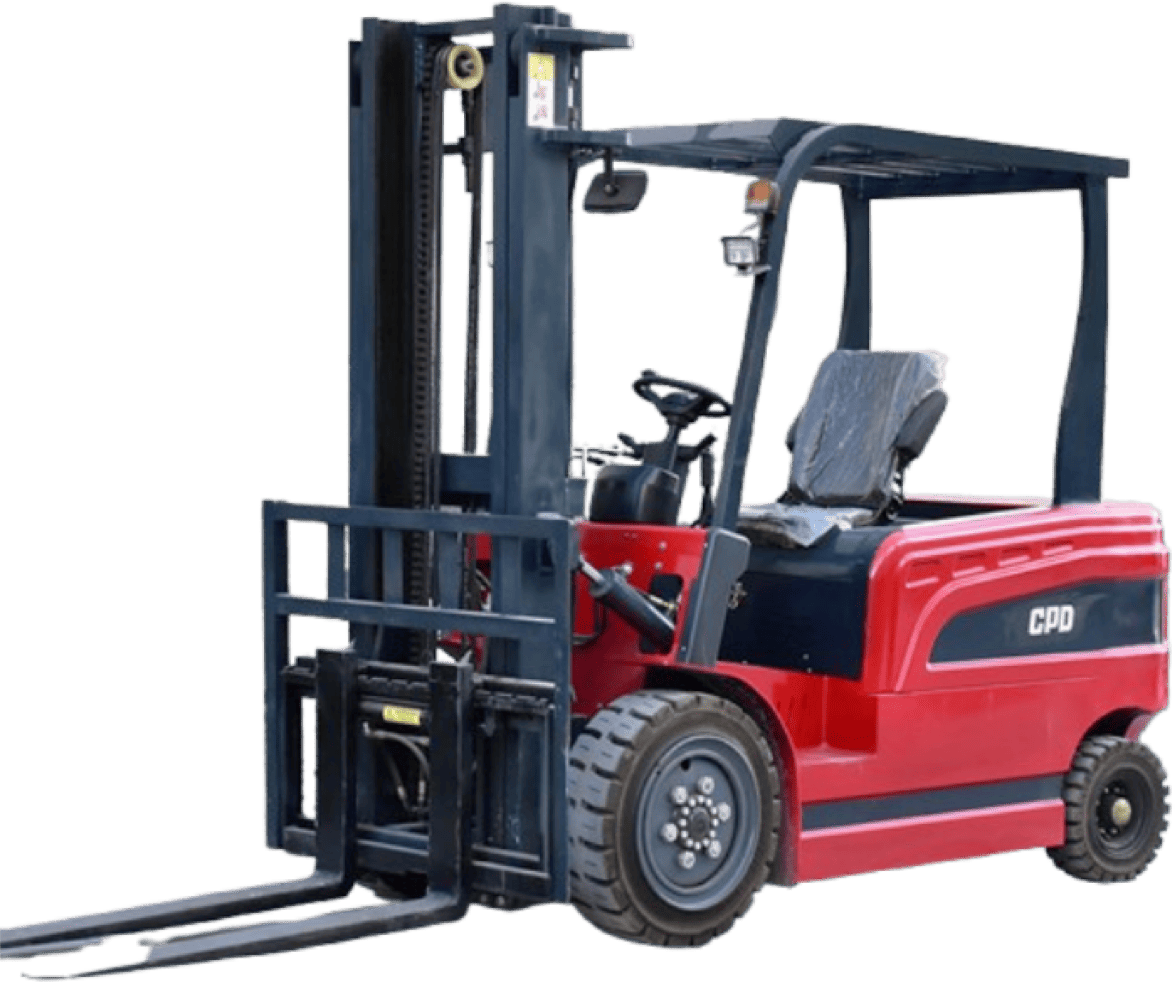
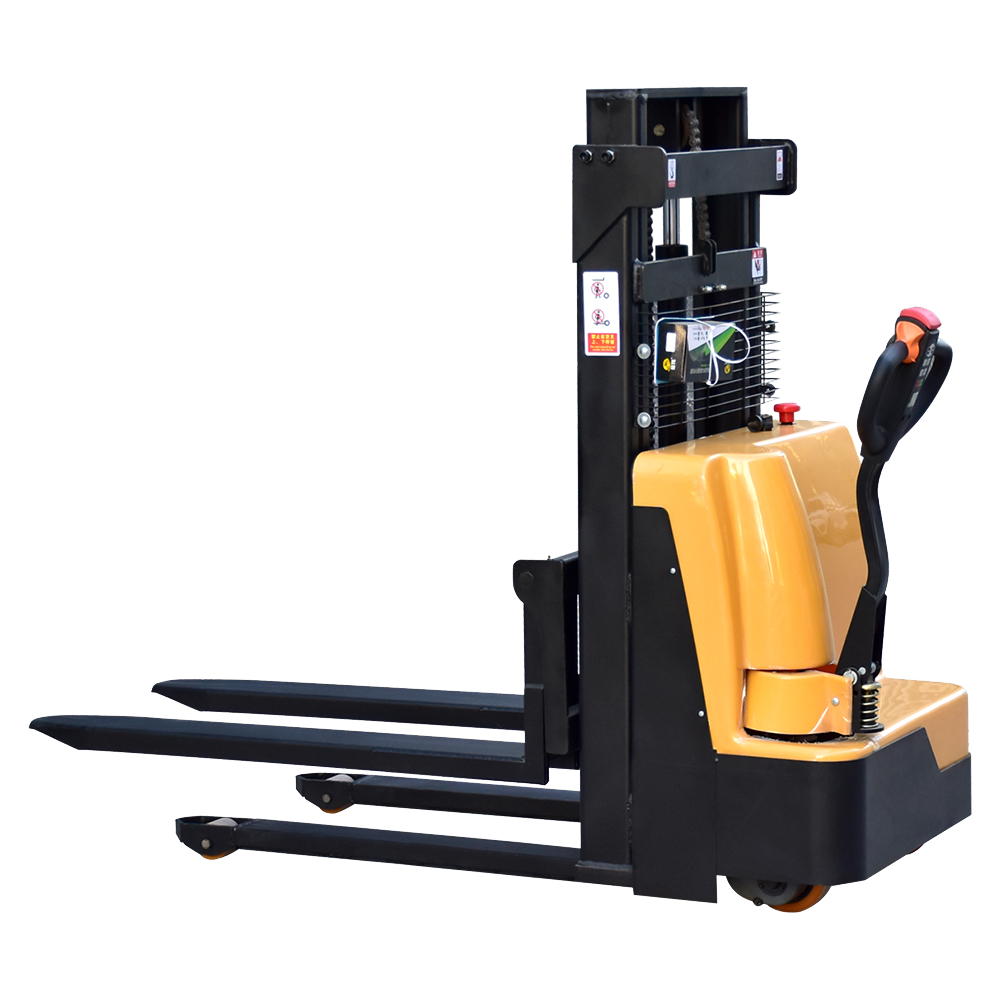
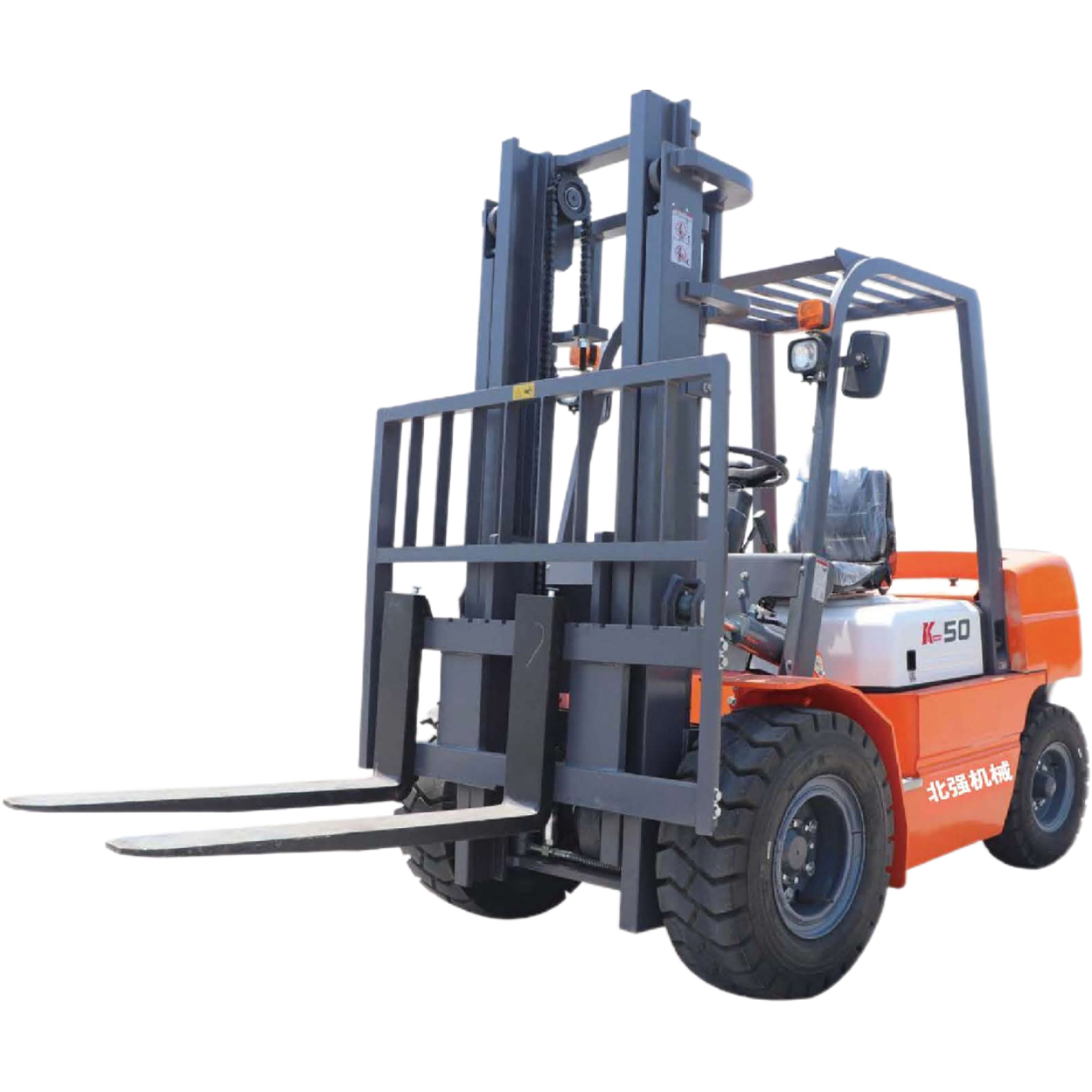
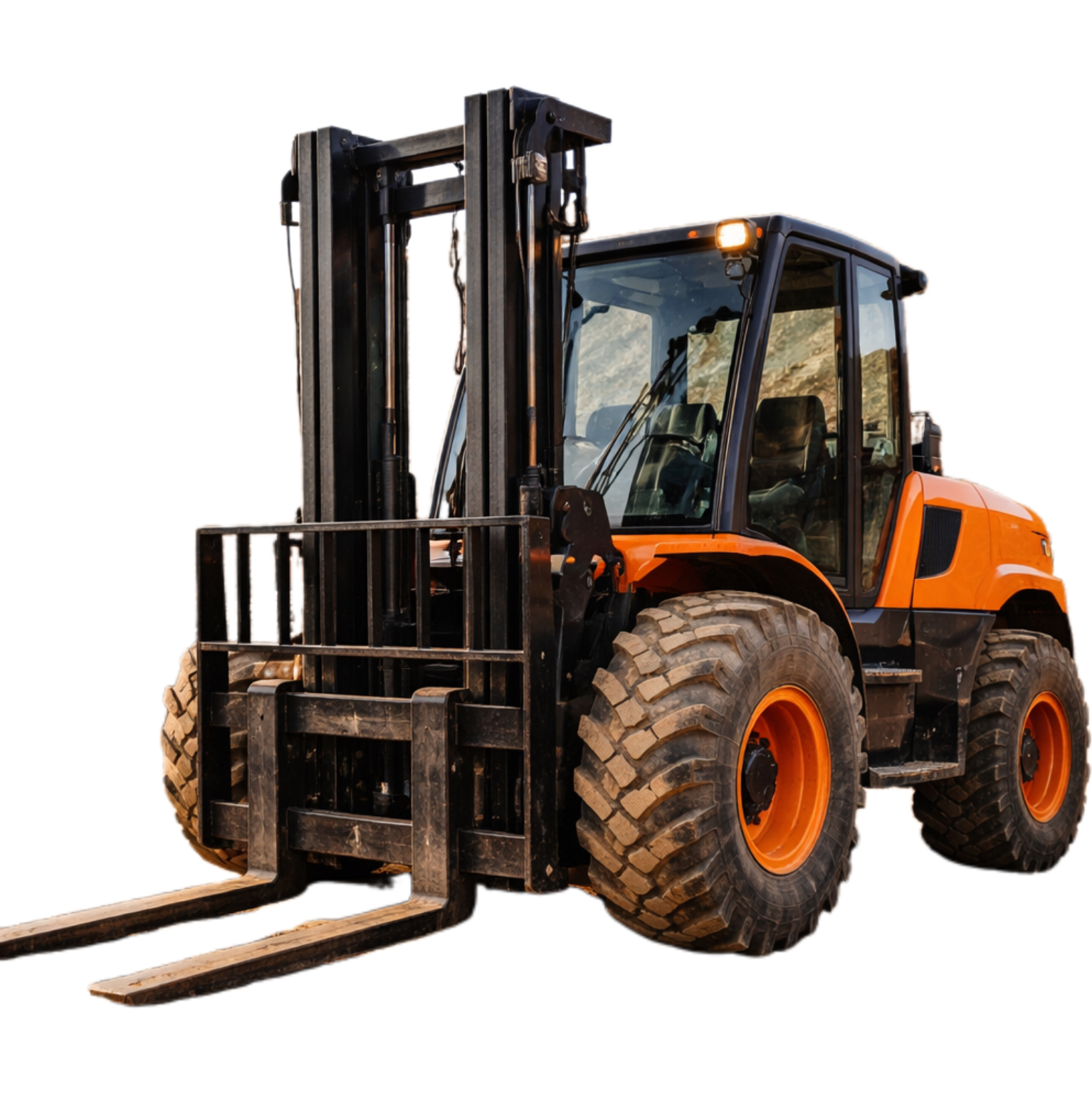


Overall ROI (Return on Investment): Is a Used Electric Forklift Really Worth It?
When purchasing a forklift, most business owners ask the same questions:
“Will a used electric forklift really save me money?”
“Can it last 2–3 years?”
“Is it truly more cost-effective than a new forklift?”
The truth is, the overall ROI of a forklift depends on more than the initial purchase price. It involves maintenance costs, operational efficiency, downtime, energy consumption, and the lifespan of critical components. Understanding these factors is essential before making a purchase decision.
1. Initial Purchase Price vs Total Cost
Many buyers are attracted to the lower upfront price of a used electric forklift. At first glance, it seems like a bargain:
Used forklifts typically cost 30–50% less than new models.
The low initial investment appears to free up cash for other operations.
However, focusing only on the purchase price can be misleading. Hidden costs often arise:
Motor or controller repairs.
Battery replacement or performance degradation.
Unexpected maintenance or downtime.
Reduced operational efficiency due to older technology.
These costs can quickly erode the apparent savings, making the total cost higher over 2–3 years.
2. Maintenance & Reliability Costs
A used forklift’s motor, controller, and battery are already partially worn. Common issues include:
Reduced lifting power or slower speed.
Inconsistent battery runtime leading to frequent charging.
Higher likelihood of component failure.
Repairing these parts can be expensive:
Motor replacement: $600–$1,800
Controller replacement: $800–$2,500
Battery replacement: $1,000+
Labor and downtime: $200–$500
If a used forklift fails in the middle of a shift, you lose productivity and incur unexpected costs. New electric forklifts, by contrast, provide reliable performance with warranty coverage, minimizing downtime and surprise expenses.
3. Energy Efficiency & Operational Cost
Older forklifts often use outdated lead-acid batteries, which are:
Less energy-efficient than modern lithium batteries.
Heavier, slower to charge, and prone to sudden voltage drops.
Require regular maintenance (watering, cleaning, equalizing charges).
In contrast, a new electric forklift offers:
Faster charging and longer runtime per shift.
Reduced electricity costs due to energy-efficient systems.
Minimal maintenance requirements, freeing staff for productive work.
This means over 2–3 years, a new forklift can cost significantly less to operate than a used one, despite the higher upfront cost.
4. Depreciation & Resale Value
Used forklifts have already experienced most of their depreciation. While this seems like a benefit:
The remaining resale value is limited if the forklift needs major repairs.
Buyers may face difficulty selling older models.
Frequent repair expenses can negate the lower purchase price.
New forklifts retain higher resale value longer, particularly if the machine is maintained properly. This strengthens the long-term ROI.
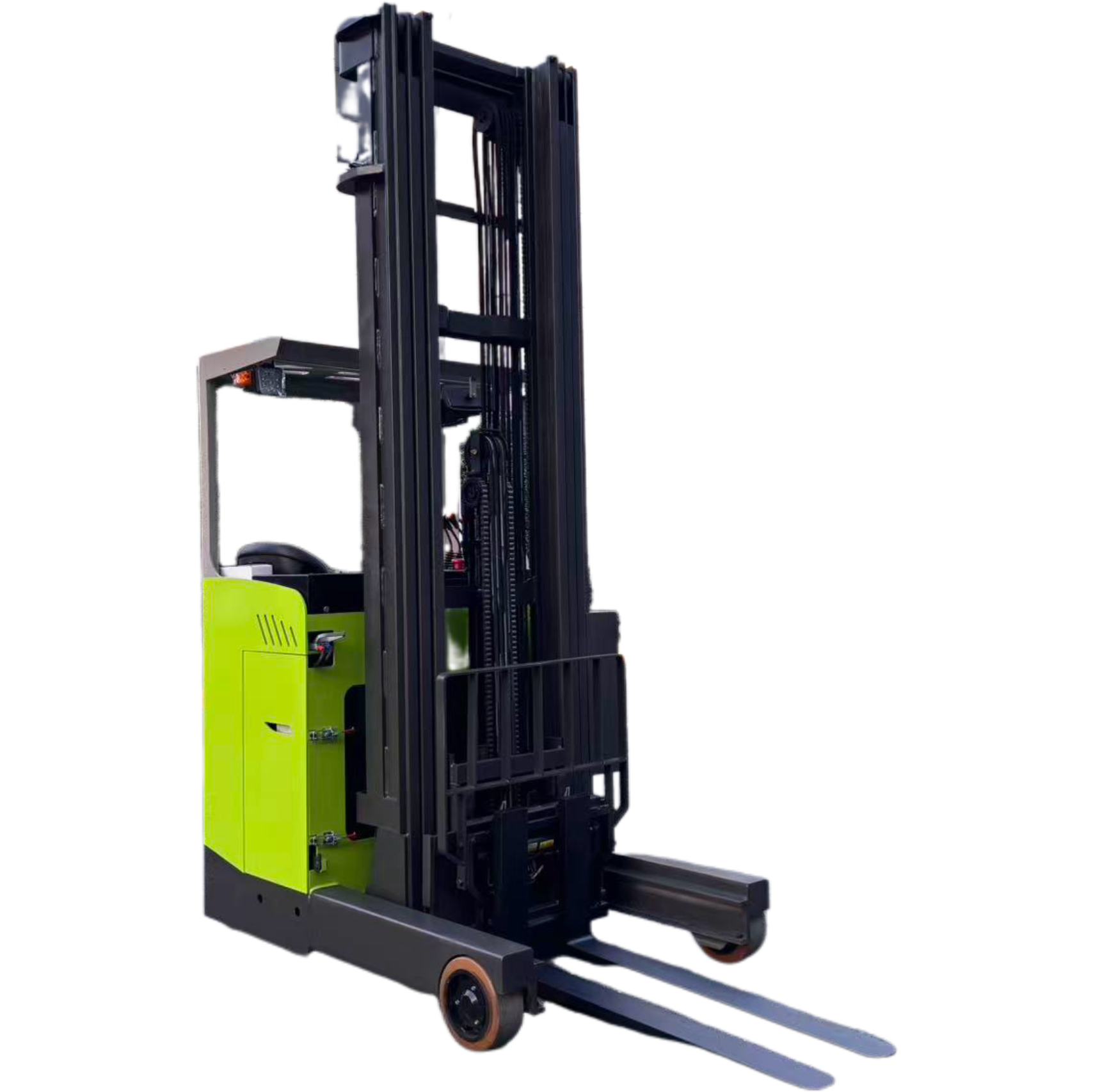
5. Predictable ROI with a New Electric Forklift
Choosing a new electric forklift gives business owners peace of mind and predictable ROI:
Upfront Investment: Slightly higher cost, but predictable budget.
Maintenance: Minimal for 3–5 years under warranty.
Battery Life: Longer lifespan, consistent runtime.
Operational Efficiency: Modern controls and motors increase productivity.
Resale Value: Higher if sold after 3–5 years.
When calculated over the typical service life, a new forklift often delivers 20–40% better ROI than a used one.
6. Conclusion: What Smart Businesses Do
If your business depends on daily efficiency, reliability, and predictable costs, a used electric forklift is a short-term solution at best. The hidden costs of repairs, downtime, and inefficiency can outweigh the savings in months.
A new electric forklift provides:
Reliable performance every day
Lower long-term operating costs
Consistent battery runtime and energy efficiency
Warranty coverage for peace of mind
Better long-term ROI and resale value
Investing in a new electric forklift is not just buying equipment—it’s securing operational efficiency, cost savings, and business growth.
Our manager will contact you shortly.
To contact you about our products and services.


Copyright © Xingtai Beiqiang Machinery Manufacturing Factory. 2025.
Technical support:Echola