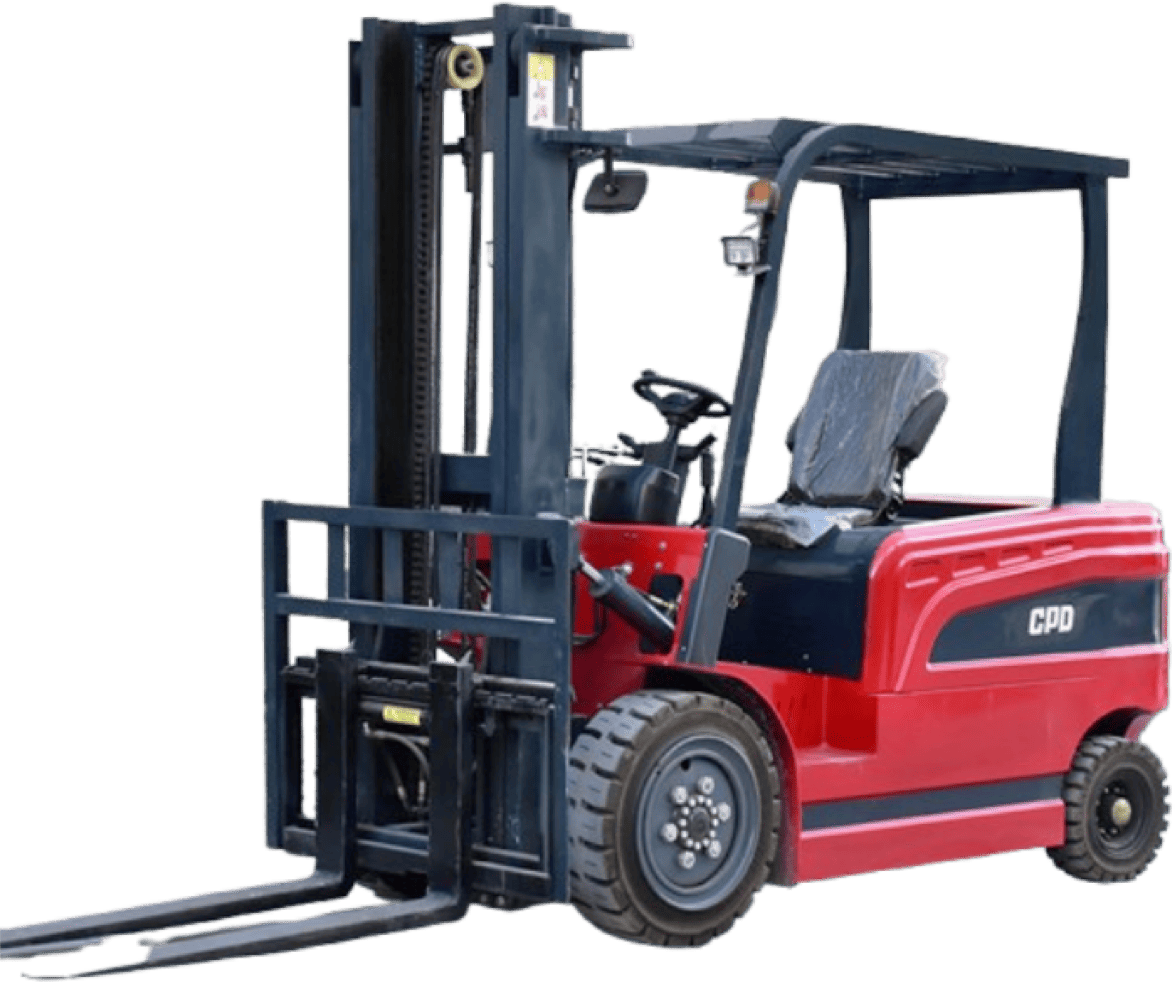
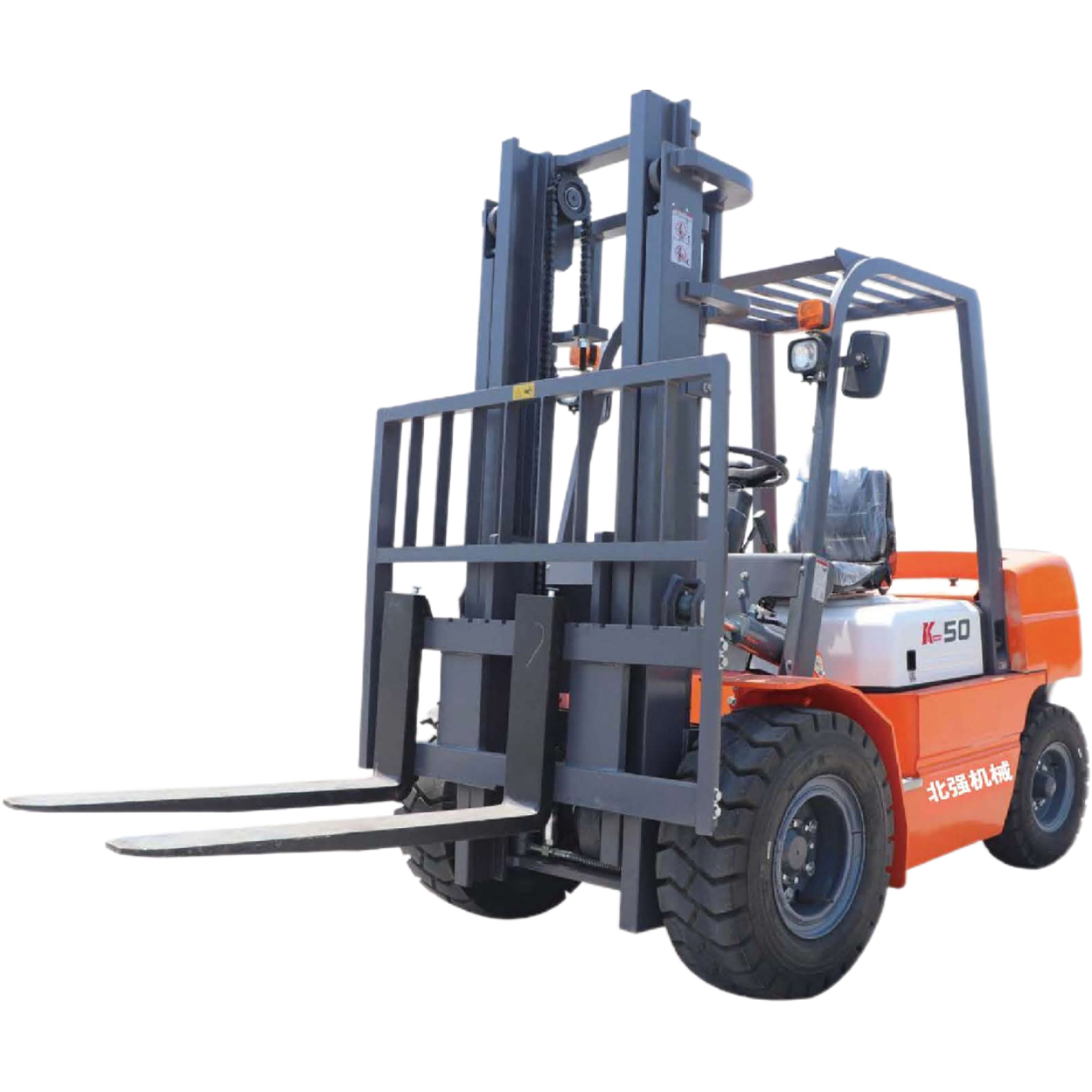
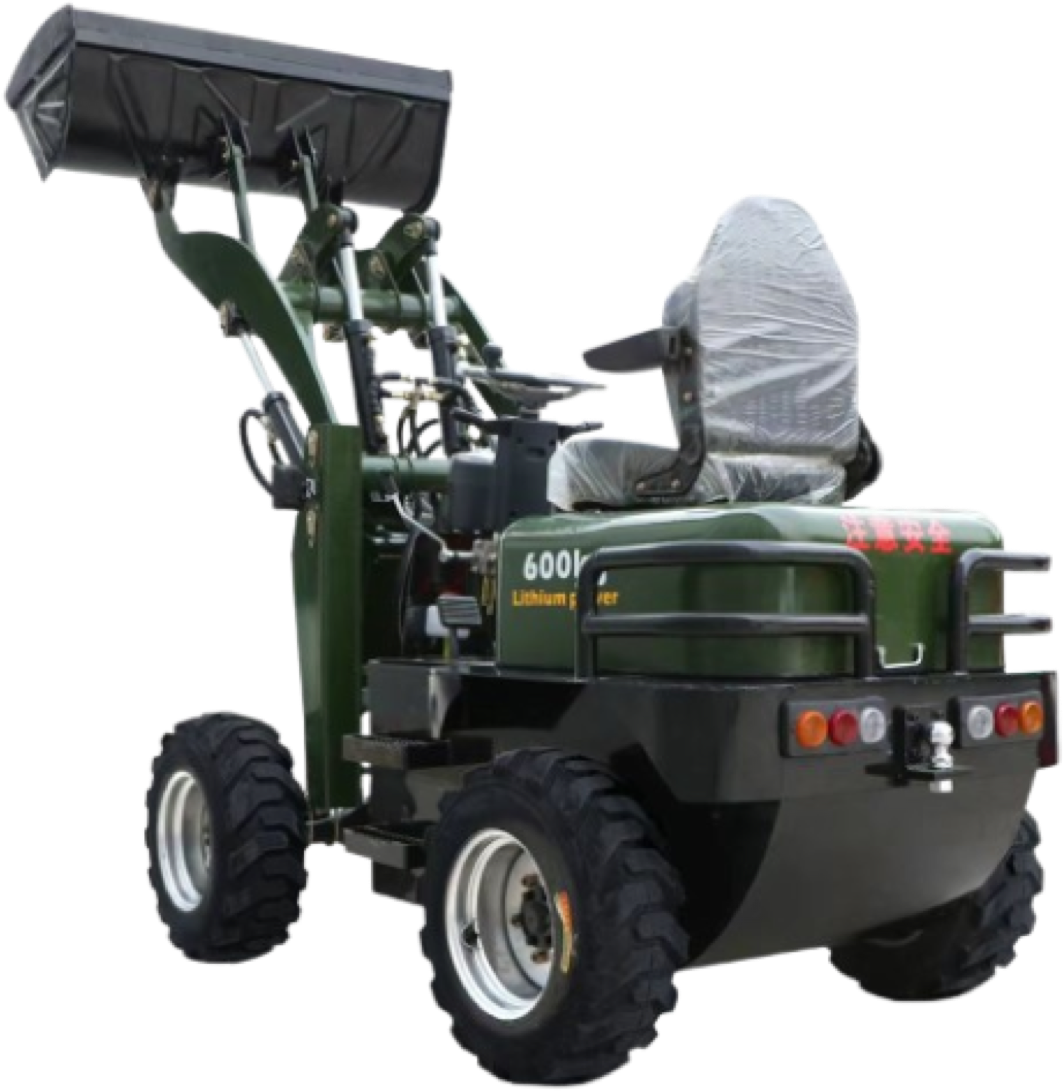
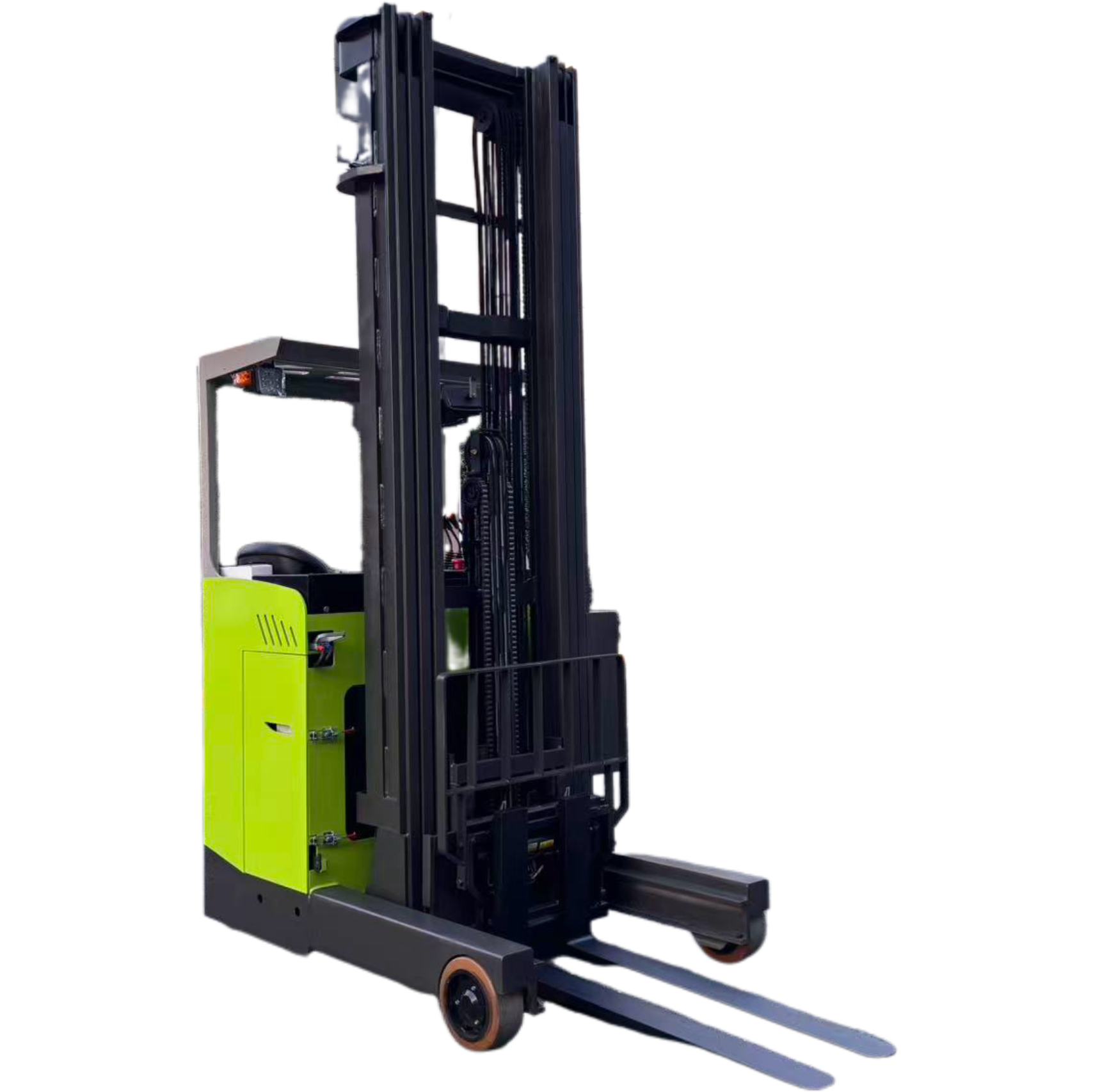


In today’s fast-paced logistics and warehousing industries, efficiency, sustainability, and operator well-being are paramount. The electric pallet truck, a cornerstone of modern material handling, has emerged as a superior alternative to traditional manual or engine-powered models. It is designed to transport palletized loads over short to medium distances with exceptional ease and precision, revolutionizing everyday operations.
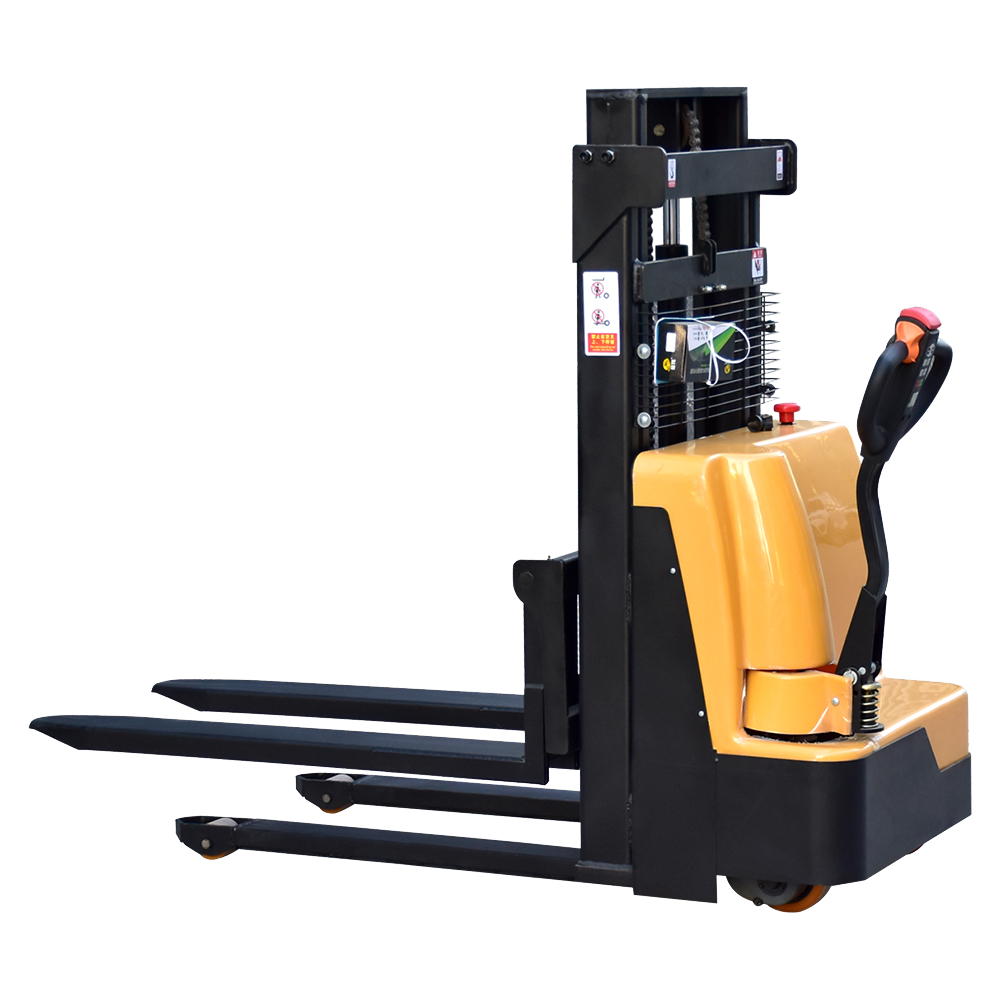
An electric pallet truck, often called a walkie or power pallet jack, is battery-powered. The operator controls it via a handle equipped with intuitive controls for forward/reverse movement, lifting/lowering, and horn functions. This ergonomic design allows the operator to walk alongside the truck, guiding it smoothly through aisles, onto loading docks, and in and out of trucks.
Key Advantages of Electric Pallet Trucks
1. Enhanced Productivity & Efficiency
Electric pallet trucks significantly reduce physical strain, allowing operators to move heavier loads faster and over longer distances without fatigue. Features like powered travel and lift functions enable rapid movement and consistent operation throughout a full shift, directly boosting throughput and operational efficiency.
2. Superior Operator Ergonomics & Safety
By eliminating the need for manual pumping and strenuous pushing/pulling, these trucks minimize the risk of musculoskeletal injuries. The ergonomic handle, smooth acceleration, and easy maneuverability reduce operator fatigue and enhance control. Built-in safety features such as automatic braking, speed control, and excellent visibility contribute to a safer work environment.
3. Cost-Effectiveness & Low Maintenance
While the initial investment is higher than manual trucks, electric models offer substantial long-term savings. They operate on rechargeable batteries with very low energy costs compared to fuel-powered equipment. They have fewer moving parts subject to wear and tear than internal combustion models, resulting in lower maintenance requirements and reduced downtime.
4. Zero Local Emissions & Quiet Operation
As fully electric equipment, they produce zero local emissions, making them ideal for indoor use in warehouses, food processing facilities, and cold storage environments. This improves air quality and eliminates ventilation costs associated with engine fumes. Furthermore, their quiet operation reduces noise pollution, creating a more pleasant and communicative workplace.
5. Improved Load & Facility Protection
Precise control over movement and lifting prevents jarring starts and stops, protecting both the cargo and the truck itself from damage. Their maneuverability and smaller turning radius allow for careful handling in tight spaces, reducing the risk of colliding with racks, walls, or other equipment.
6. Sustainability
By leveraging electric power—often from an increasingly renewable grid—these trucks support corporate sustainability goals. They offer a greener alternative by reducing the carbon footprint of material handling activities and eliminating the need for fossil fuels on-site.
Conclusion
The electric pallet truck is more than just a tool; it is a strategic investment that drives operational excellence. By boosting productivity, safeguarding operator health, cutting long-term costs, and promoting a clean, quiet work environment, it addresses the core needs of modern industry. For any business looking to optimize its material handling workflow, transitioning to electric pallet trucks is a forward-thinking step toward a more efficient, safe, and sustainable future.
Our manager will contact you shortly.
To contact you about our products and services.


Copyright © Xingtai Beiqiang Machinery Manufacturing Factory. 2025.
Technical support:Echola