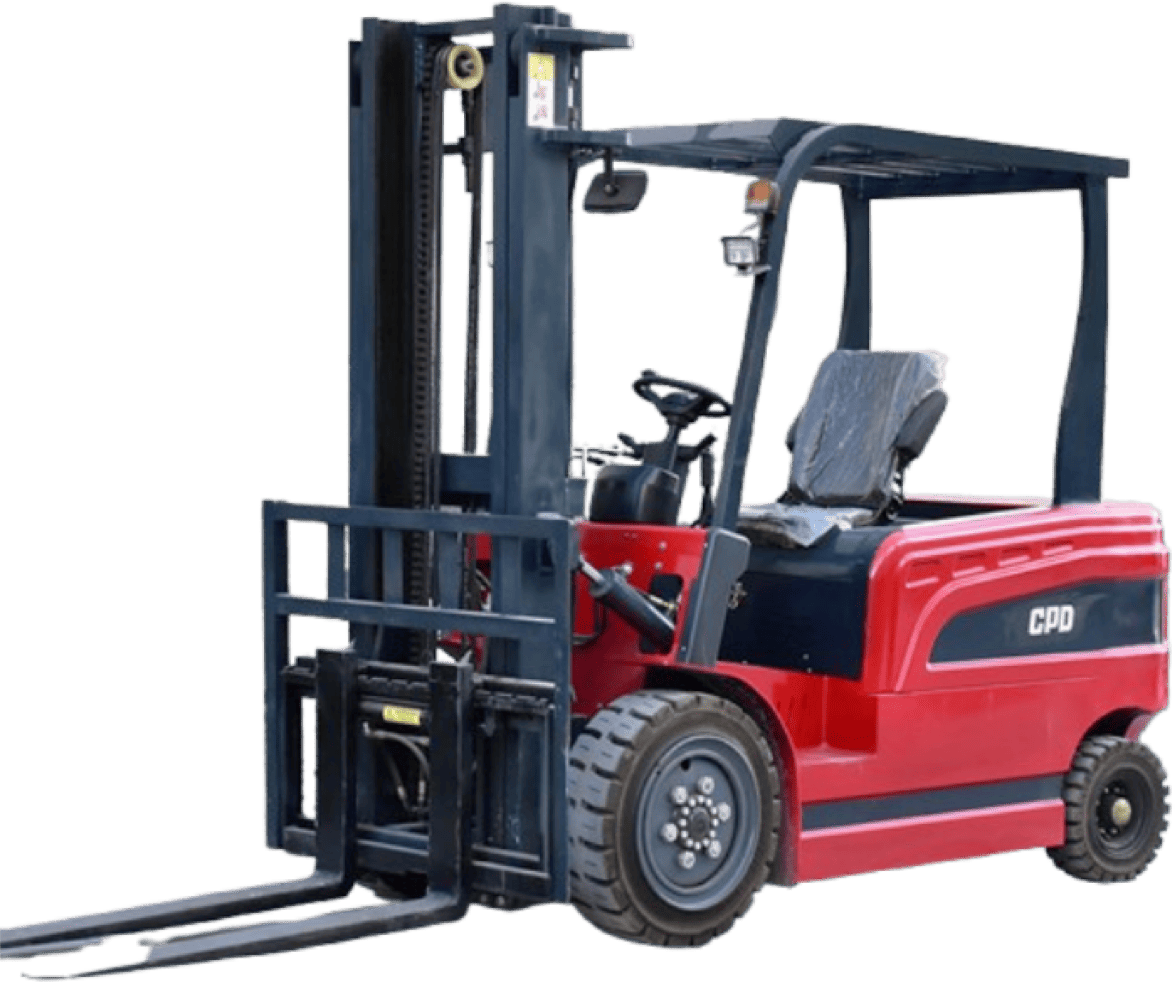
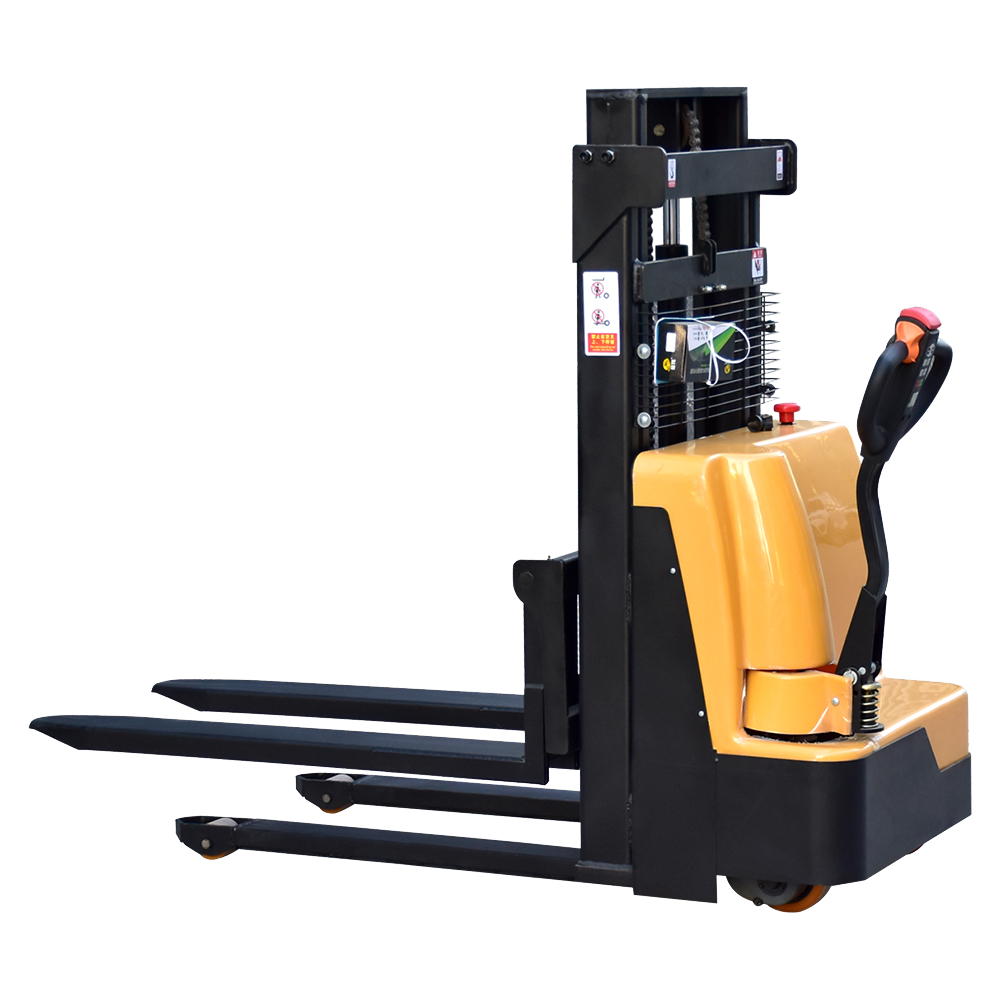
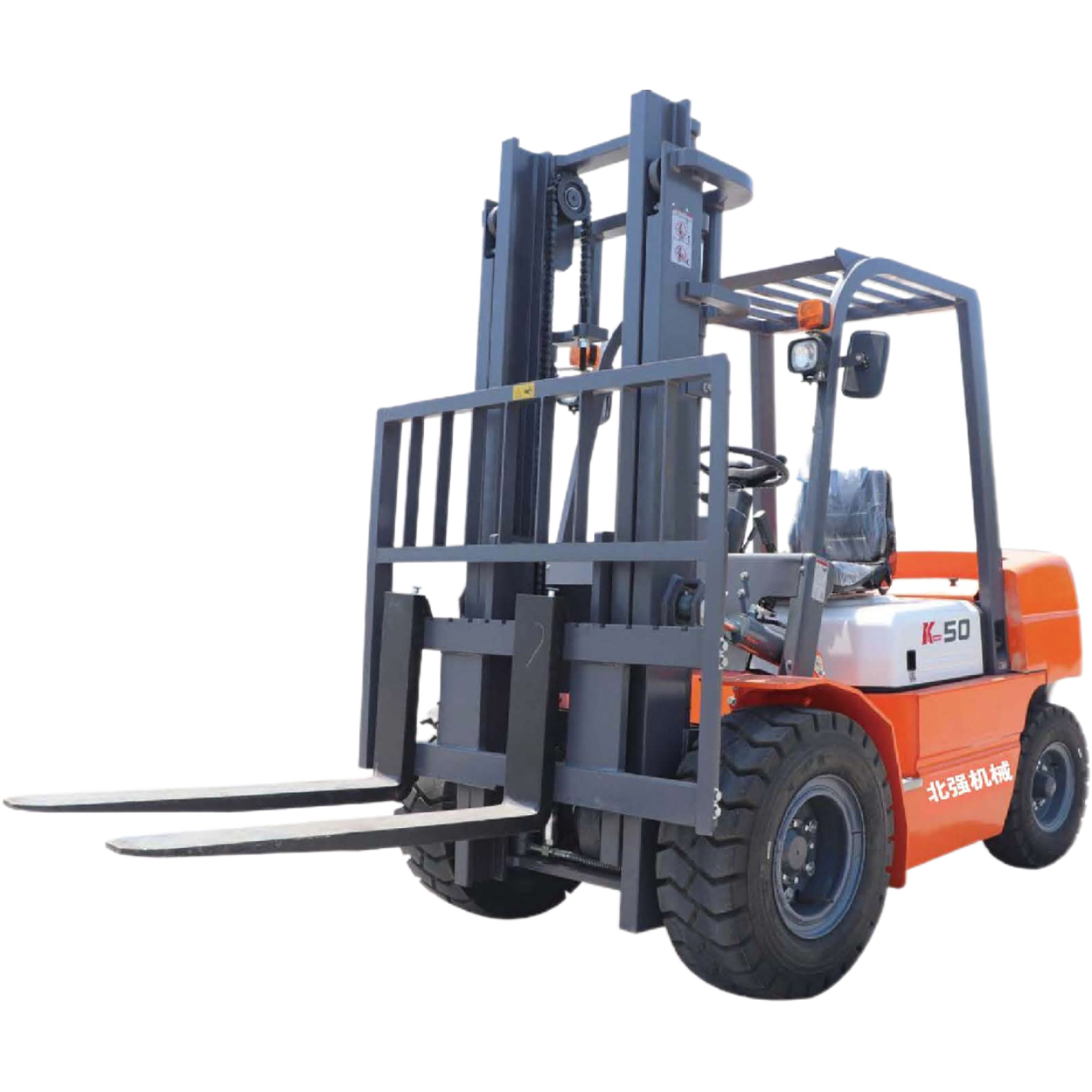
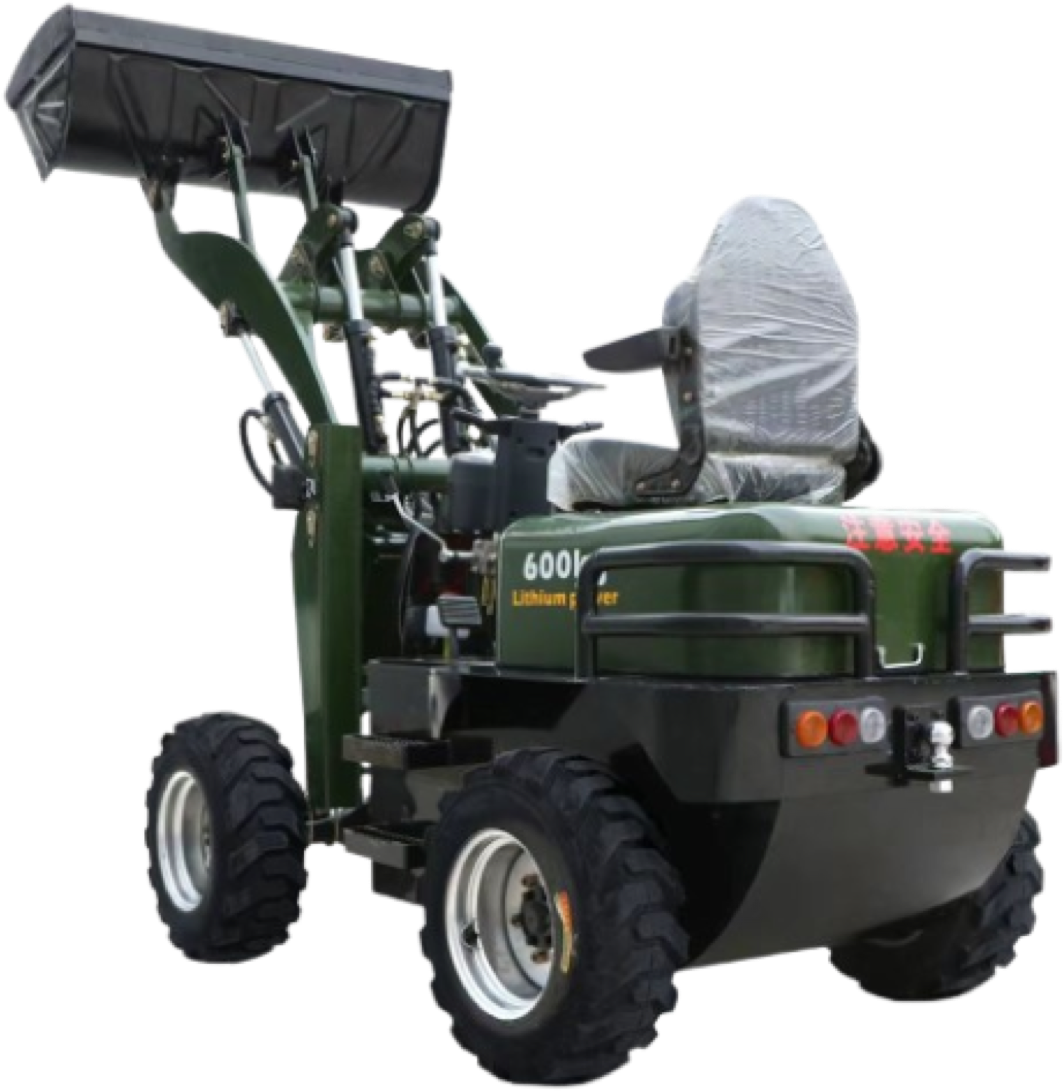
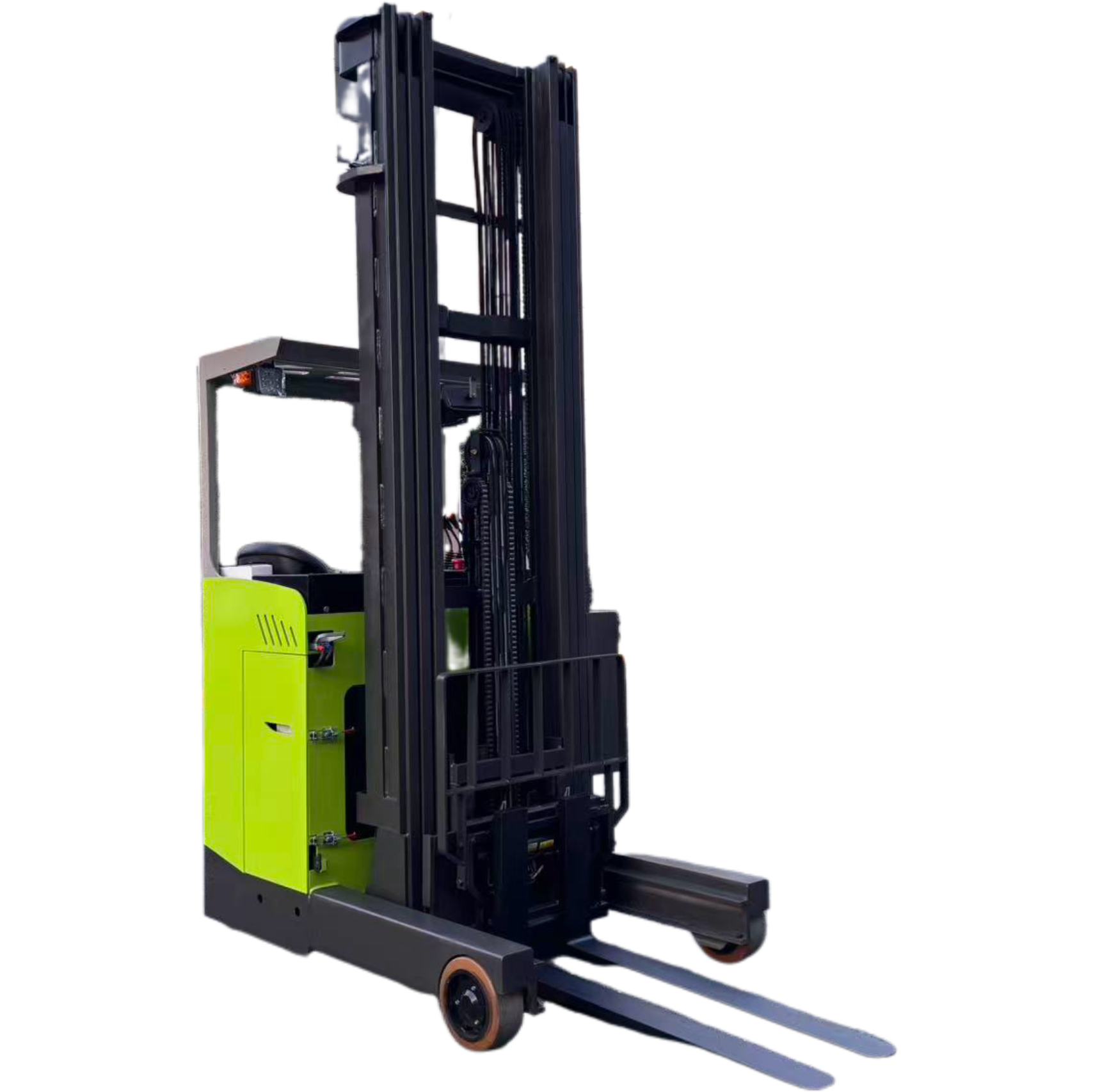
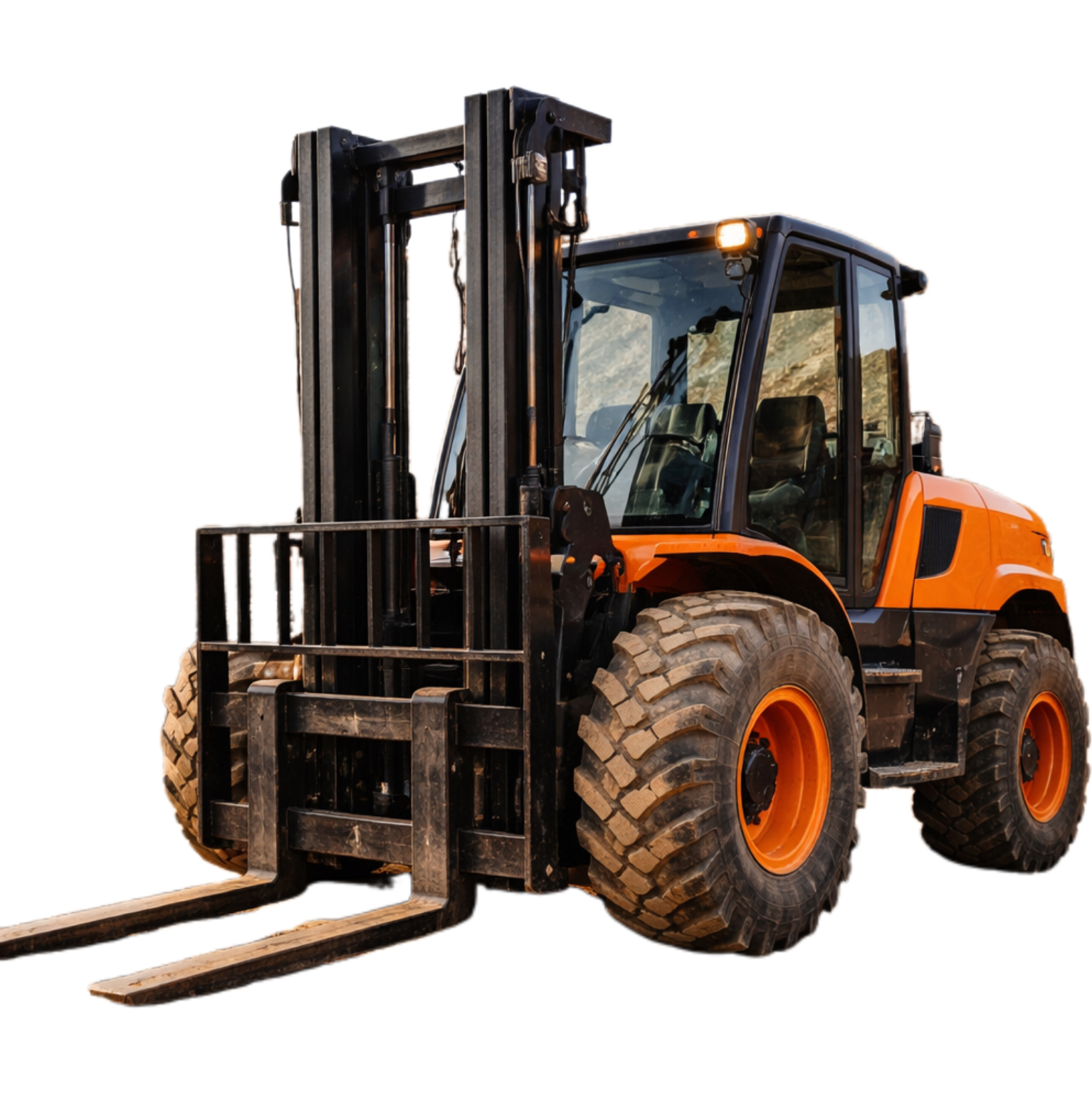


Small Electric Forklift Applications
Before you consider purchasing a small electric forklift, you’ve likely been “educated” by real-world challenges:
Your space is tight, the workload is increasing, labor is limited, efficiency can’t drop, and your budget can’t explode.
That’s exactly why small electric forklifts have become the preferred choice for many businesses—they’re not as bulky, noisy, or fuel-consuming as traditional internal combustion forklifts. Instead, they are more flexible, quieter, cleaner, and perfectly designed for “small space, high efficiency” operations.
Below, I’ll show you—directly and practically—what problems small electric forklifts truly solve, which industries benefit the most, and why more and more business owners trust them.
1. Small Warehouses: Solving the “Too Tight for a Forklift” Problem
Most warehouse owners face the same issues:
Aisles are extremely narrow
Traditional forklifts can’t turn properly
One turn requires multiple corrections, wasting time and causing safety risks
How small electric forklifts fix these pain points:
Ultra-small turning radius for 1-meter aisles
Single-operator efficiency, easy to maneuver
Zero emissions and low noise
Maintenance costs up to 60% lower than fuel forklifts
Best for: E-commerce warehouses, wholesale storage, spare parts warehouses, small distribution centers
2. Supermarkets & Retail Chains: Solving the “Slow Restocking Hurts Sales” Problem
Large retail stores struggle with two things:
High customer traffic — noisy fuel forklifts aren’t acceptable
Night-shift restocking increases labor costs
How small electric forklifts help:
Quiet operation without disturbing customers
150% faster loading and unloading
Small and flexible enough to operate inside the retail floor
High safety level, easy for new staff to learn
Best for: Supermarkets, convenience stores, furniture chains, building material stores
3. Factory Workshops: Solving the “Internal Transport Is Too Slow” Problem
Internal logistics is a major cost driver for factories:
Tight production schedules — delays ripple across the entire line
Workshop aisles are narrow, big forklifts get in the way
Frequent manual handling causes fatigue and safety hazards
Small electric forklifts bring real improvements:
Compact body fits narrow workshop passages
Precise electric controls stabilize production rhythm
Reduces manual handling, lowering injury risks
Low energy use and low maintenance for long-term operation
Best for: Machinery factories, electronics, food processing, medical equipment, packaging plants
4. Light Manufacturing: Solving the “Products Are Small but Volumes Are Huge” Problem
Light industries share a common characteristic:
Individual items are light, but the quantity is massive.
For example:
Cartons and packaging materials
Plastic products
Light metal parts
Textiles
Traditional forklifts create problems:
Too large to maneuver efficiently
Fuel emissions are not allowed in production lines
Small electric forklift advantages:
Fast and efficient for light-load pallet transport
Safe to use directly inside factory buildings
Clean, emission-free operation suitable for sensitive environments
5. Logistics Transfer: Solving the “Loading Speed Is Too Slow” Problem
In logistics, the rule is simple:
Speed is everything.
Small electric forklifts can:
Greatly increase loading speed for small pallet cargo
Fit into vans, light trucks, and small containers
Operate efficiently in multi-bay loading zones
Work 6–8 hours continuously without frequent charging
Best for: City distribution, courier companies, small logistics hubs
6. Food & Pharmaceutical Industries: Solving the “Strict Environment Requirements” Problem
Fuel forklifts can never enter clean or controlled environments.
But small electric forklifts can, because they offer:
No oil contamination
Zero emissions
Low noise
Compliance with HACCP and hygiene requirements
Best for: Cold chain warehouses, food factories, pharmaceutical packaging areas, fresh distribution centers
7. Indoor Operations: Solving the “Fuel Forklifts Are Restricted Indoors” Problem
Indoor environments often prohibit fuel forklifts:
Underground warehouses
Basement logistics
Indoor areas with structural limitations
Small electric forklifts are perfect for these spaces — clean, flexible, and compliant.
8. What Business Owners Care About Most: Saving Money, Manpower, and Stress
At the end of the day, every owner cares about three things:
Can it improve efficiency?
Can it reduce costs?
Can it save me time and headaches?
A small electric forklift achieves all three:
60% lower maintenance cost than fuel forklifts
Electricity cost is less than 20% of diesel
One forklift can replace 1–2 workers in certain tasks
Simple operation with minimal training
5+ years of reliable service life
Conclusion: Why Are Small Electric Forklifts Becoming a Must-Have?
Because they’re not just “equipment.”
They are tools that help your business:
Save money, save time, save labor, and save space.
If these points match your situation:
Limited warehouse space
Increasing workload
Rising labor costs
Need to upgrade internal logistics
Want higher efficiency with lower long-term cost
Then a small electric forklift is exactly what you need.
Our manager will contact you shortly.
To contact you about our products and services.


Copyright © Xingtai Beiqiang Machinery Manufacturing Factory. 2025.
Technical support:Echola