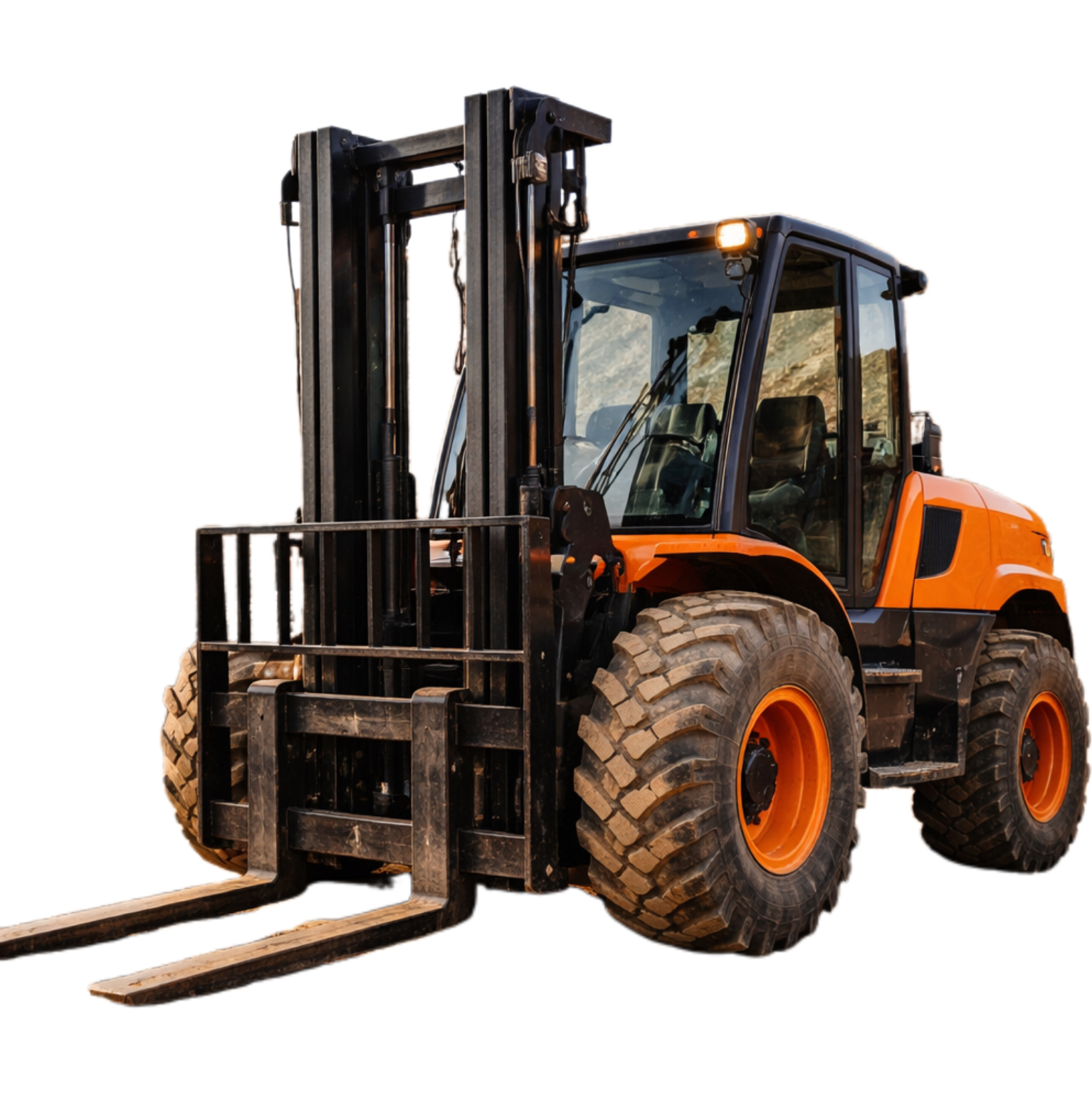


How Different Forklift Types Impact Warehouse Layout and Efficiency
The layout of a warehouse is heavily influenced by the type of forklifts used. Choosing the right forklift for your operations not only affects storage density but also workflow efficiency, safety, and overall productivity. Understanding how different forklift types interact with warehouse layouts can help managers optimize space and improve material handling.
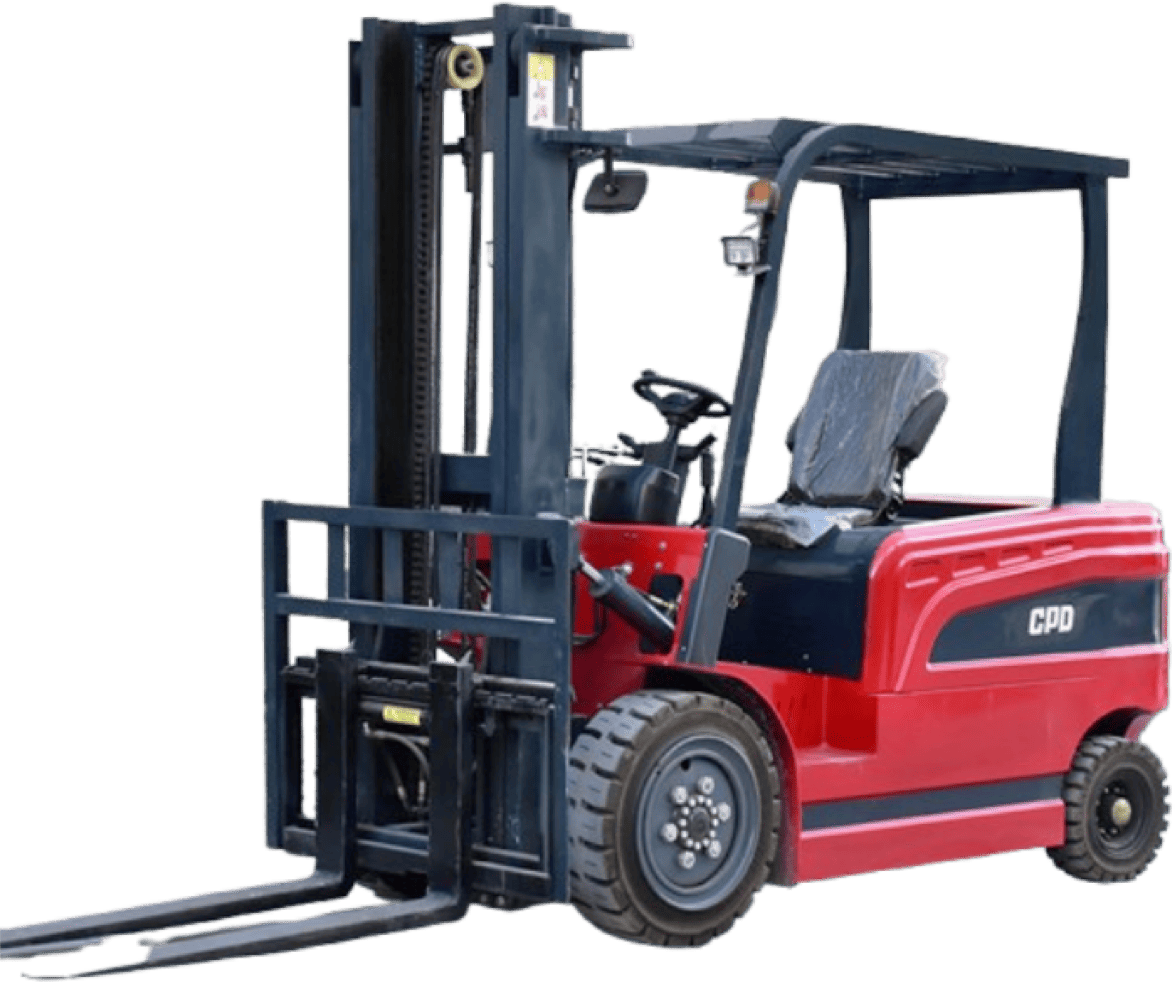
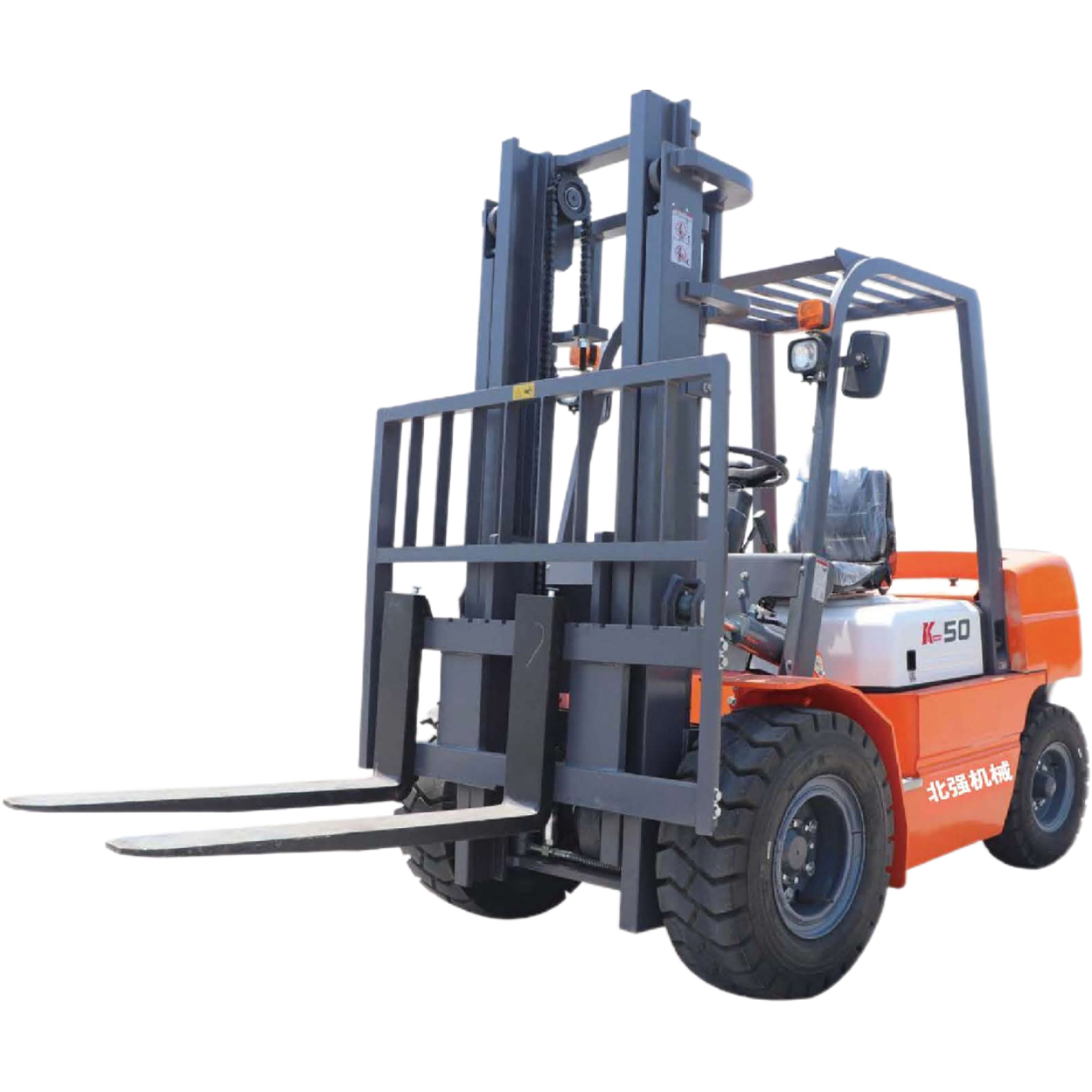
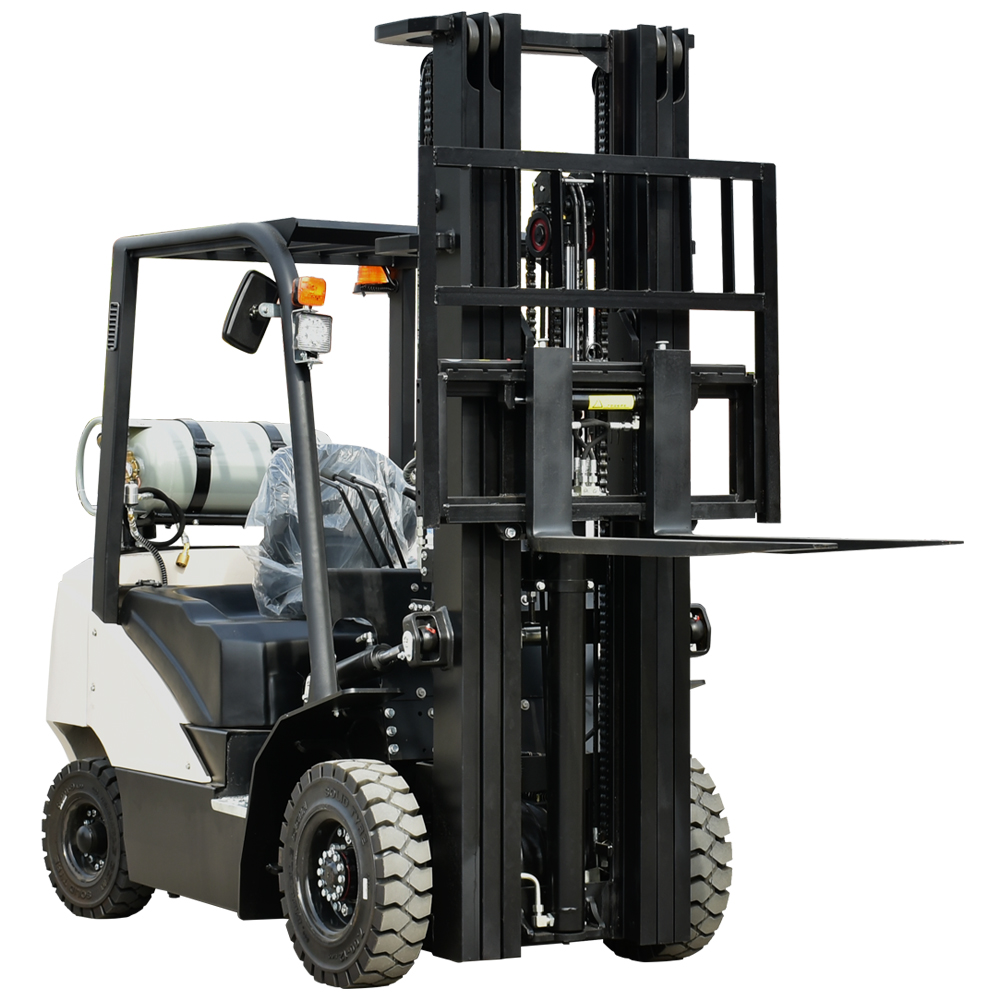
1. Counterbalance Forklifts
Description:
Counterbalance forklifts are the most common type. They carry loads at the front without additional support.
Impact on Warehouse Layout:
Require wider aisles for turning and maneuvering
Suitable for loading/unloading trucks and open storage areas
Ideal for warehouses with medium-density storage
Pros: Flexible and robust for various loads, easy to operate outdoors and indoors.
Cons: Less efficient in narrow aisle storage compared to specialized forklifts.
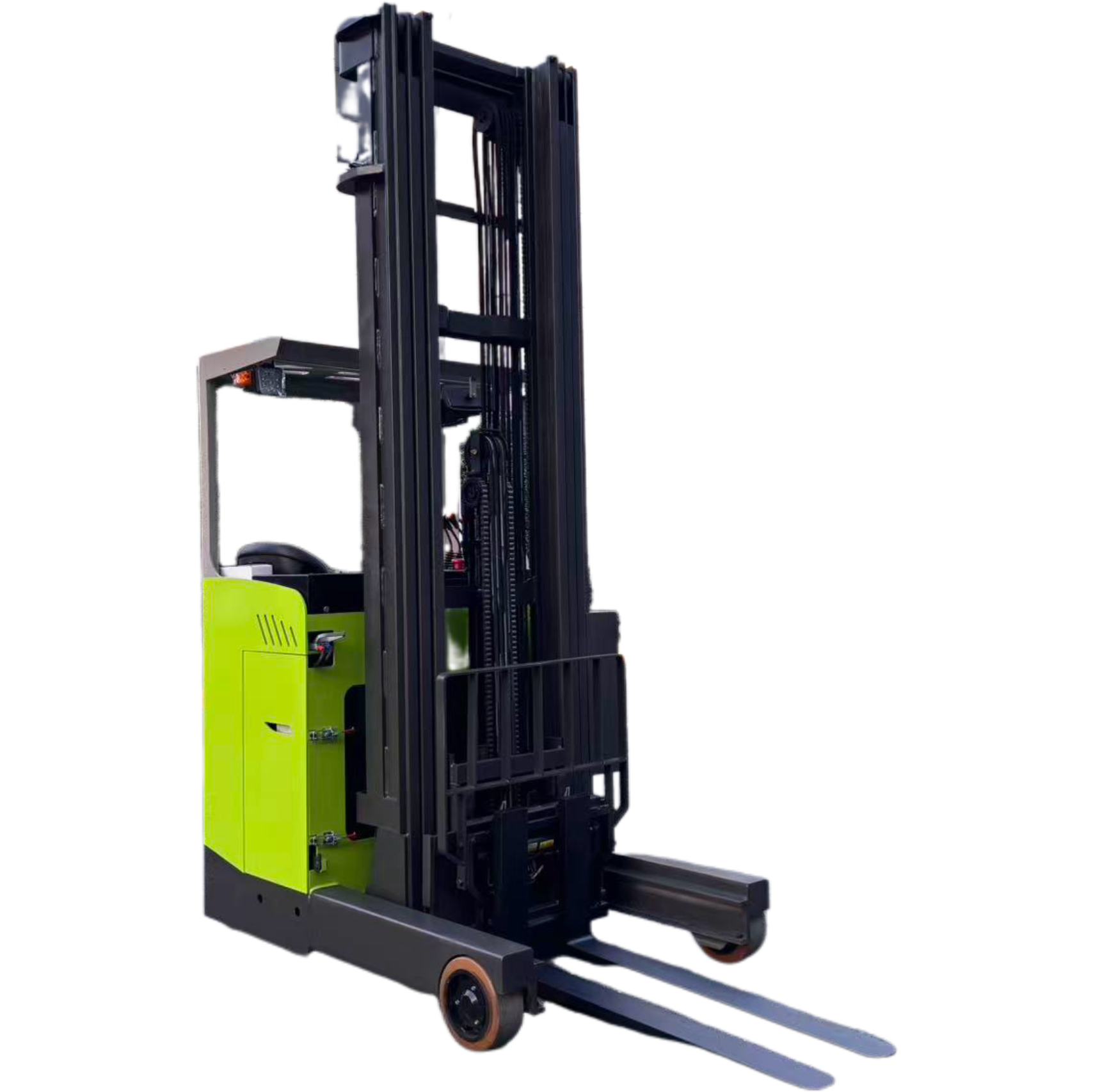
2. Reach Trucks
Description:
Reach trucks have extendable forks that can reach deep into racking systems.
Impact on Warehouse Layout:
Enable narrow aisle designs (1.8–2.5 meters)
Allow high stacking and full use of vertical space
Best for warehouses with palletized goods and medium-to-high racks
Pros: Efficient for indoor warehouses, reduces floor space wastage.
Cons: Limited outdoor capability and rough terrain use.
3. Very Narrow Aisle (VNA) Forklifts
Description:
VNA forklifts are designed for extremely narrow aisles, often guided by rails or sensors.
Impact on Warehouse Layout:
Maximize storage density by minimizing aisle width (as low as 1.6 meters)
Require specialized racking systems and sometimes floor guidance
Suitable for high-rise storage facilities
Pros: Highest storage efficiency, ideal for large-scale warehouses.
Cons: High initial investment and limited flexibility outside guided aisles.
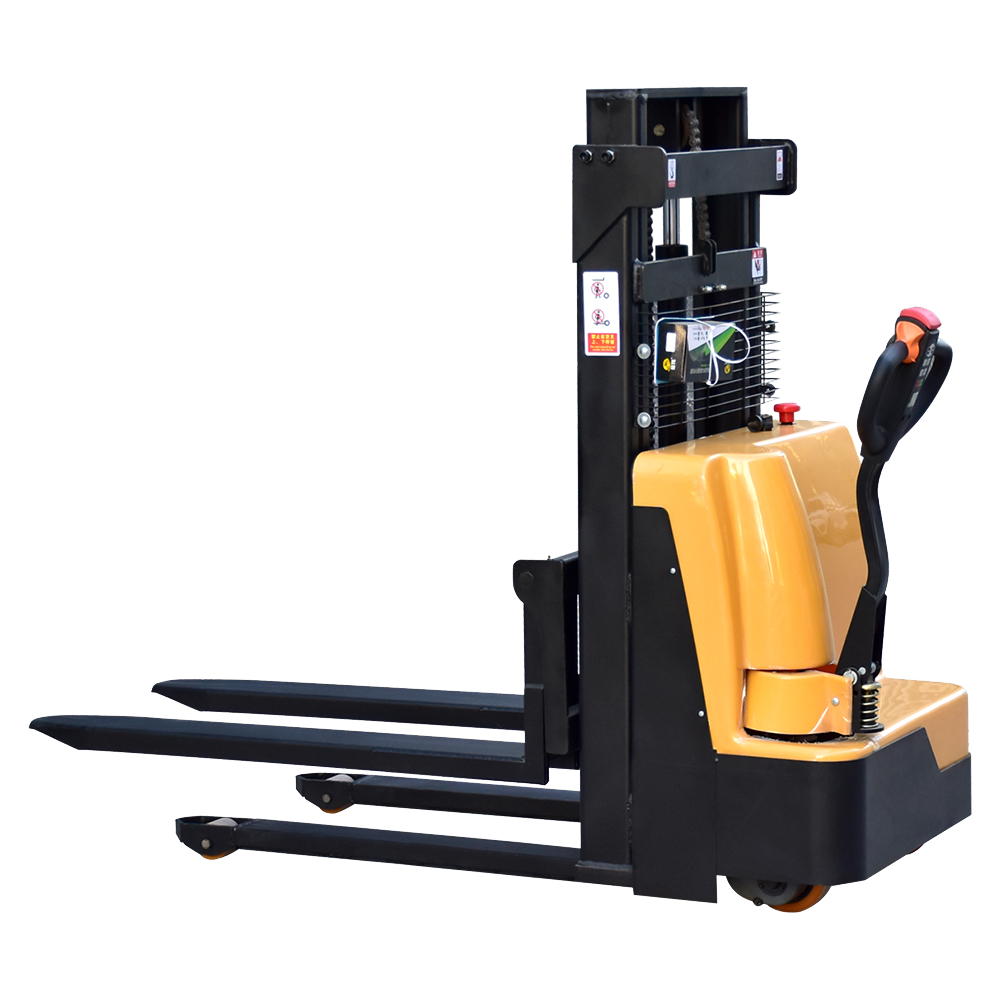
4. Pallet Jacks and Walkie Stackers
Description:
Small forklifts for moving pallets short distances, usually manually operated.
Impact on Warehouse Layout:
Perfect for tight spaces and lower racks
Can work alongside larger forklifts in mixed-use areas
Suitable for small warehouses or loading bays
Pros: Low cost, easy to operate, excellent for dense, low-height storage.
Cons: Limited lifting capacity and height.
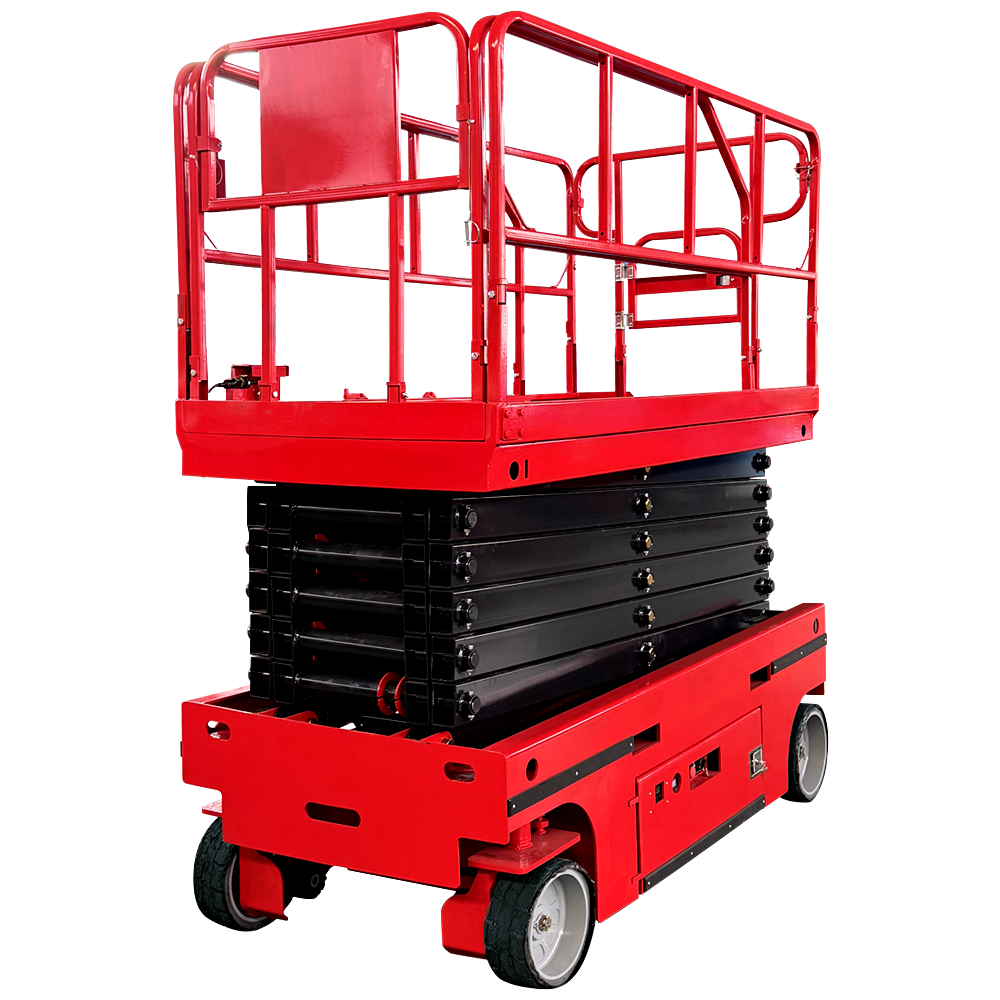
5. Order Pickers
Description:
Order pickers lift the operator to pick products directly from racks.
Impact on Warehouse Layout:
Enable dynamic storage and direct order fulfillment
Ideal for e-commerce, retail, and light industrial warehouses
Allows high-density storage while maintaining easy access
Pros: Reduces handling time and speeds up order picking.
Cons:** Limited load capacity, specialized training required.
6. Planning Warehouse Layout Based on Forklift Type
Key Considerations:
Aisle Width: Different forklifts require different turning radii
Rack Height: Reach trucks and VNA forklifts allow taller racks
Load Types: Heavy or irregular loads may need counterbalance forklifts
Workflow Flow: Ensure smooth traffic paths and reduce congestion
Safety: Maintain sufficient clearance and sightlines for operators
By matching forklift type to warehouse design, facilities can achieve:
Higher storage density
Faster material handling
Improved safety and efficiency
Reduced labor costs
Conclusion
Different forklift types have a direct impact on warehouse layout and operational efficiency. Choosing the right equipment for your specific storage needs ensures optimal use of space, safer operations, and higher productivity. Whether you need wide aisles for counterbalance forklifts, narrow aisles for reach trucks, or ultra-dense storage for VNA forklifts, aligning forklift selection with warehouse design is key to maximizing efficiency.
Our manager will contact you shortly.
To contact you about our products and services.


Copyright © Xingtai Beiqiang Machinery Manufacturing Factory. 2025.
Technical support:Echola