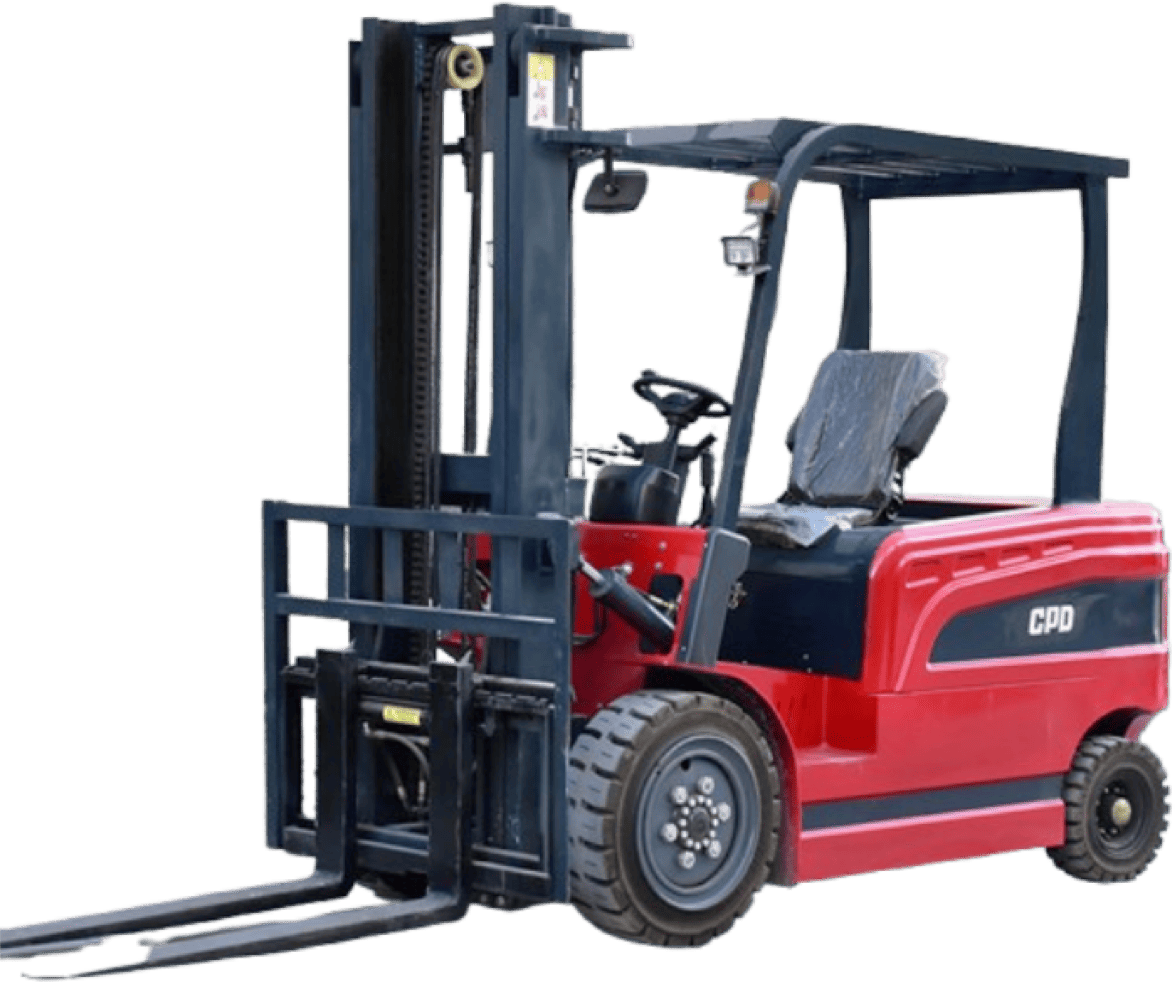
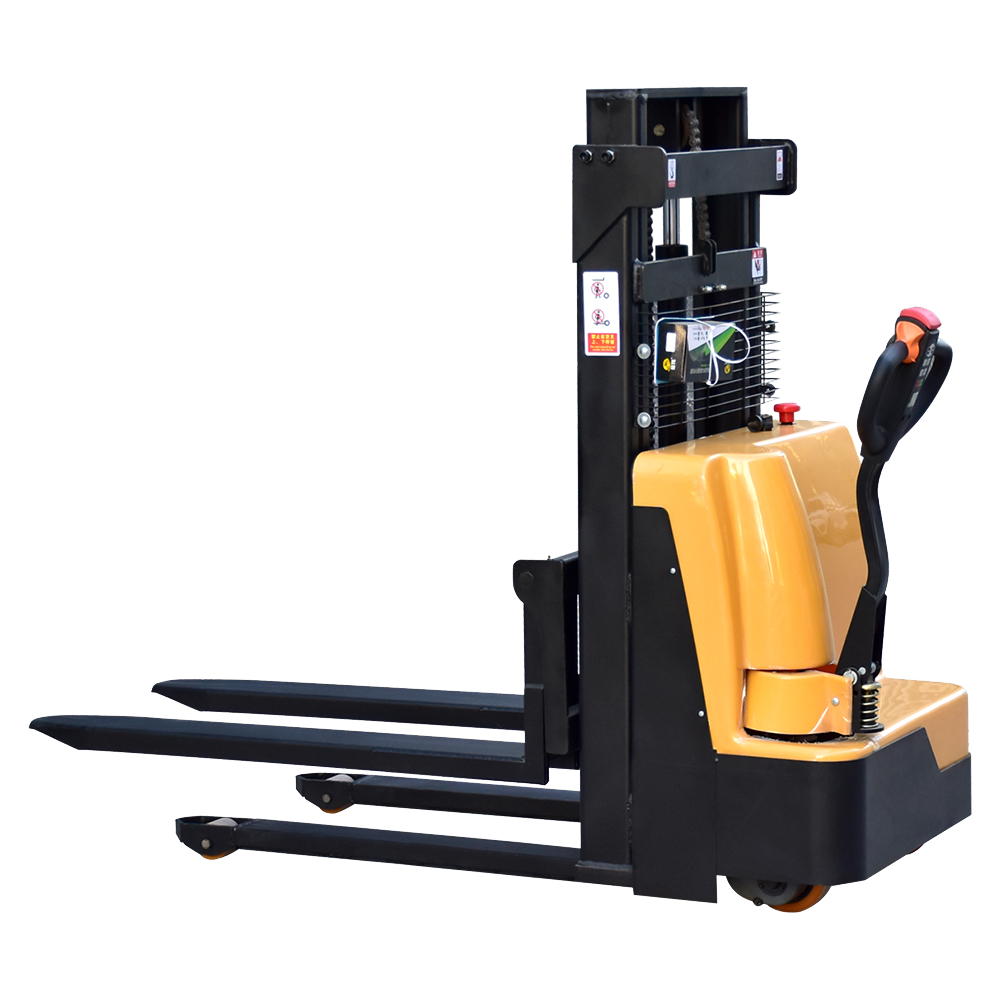
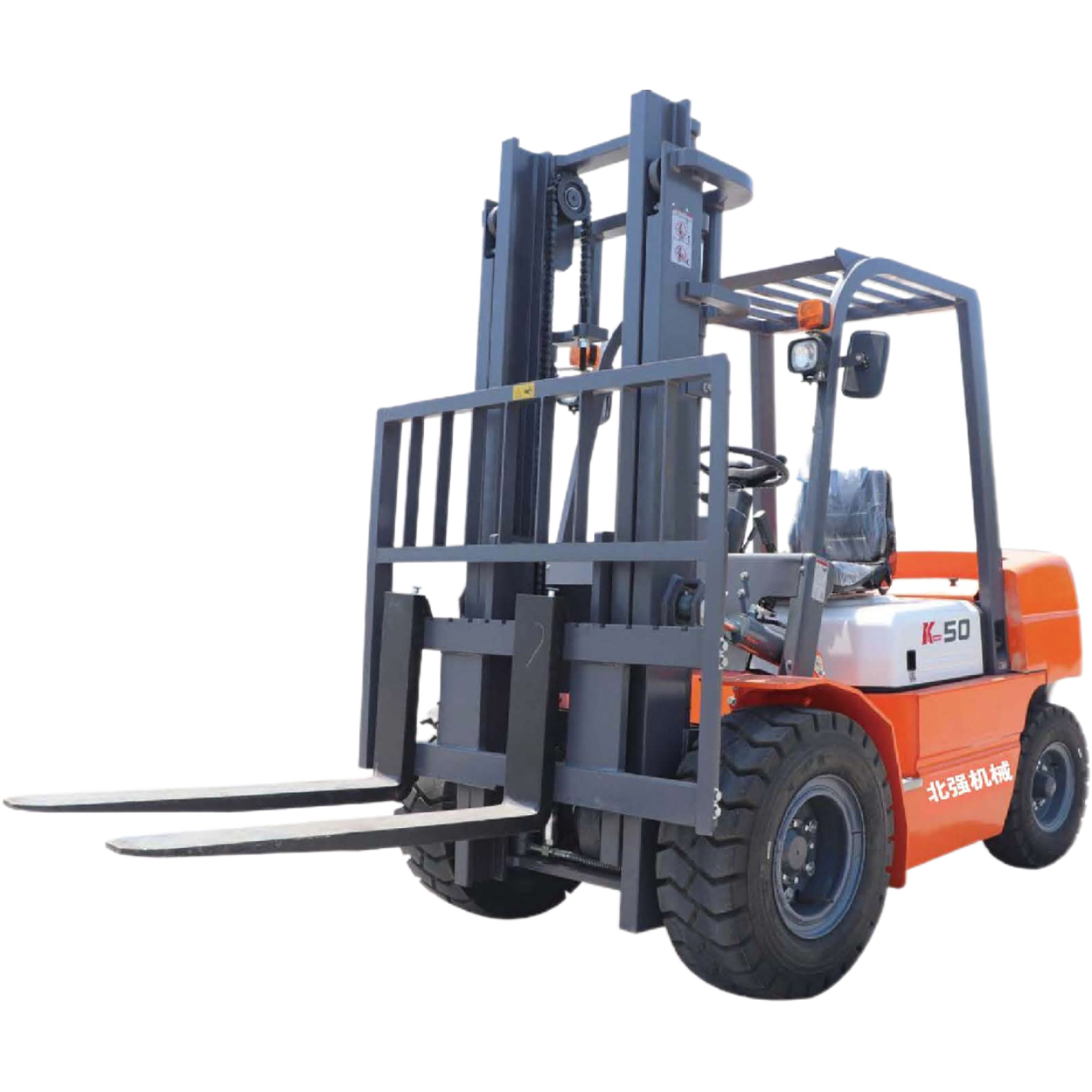
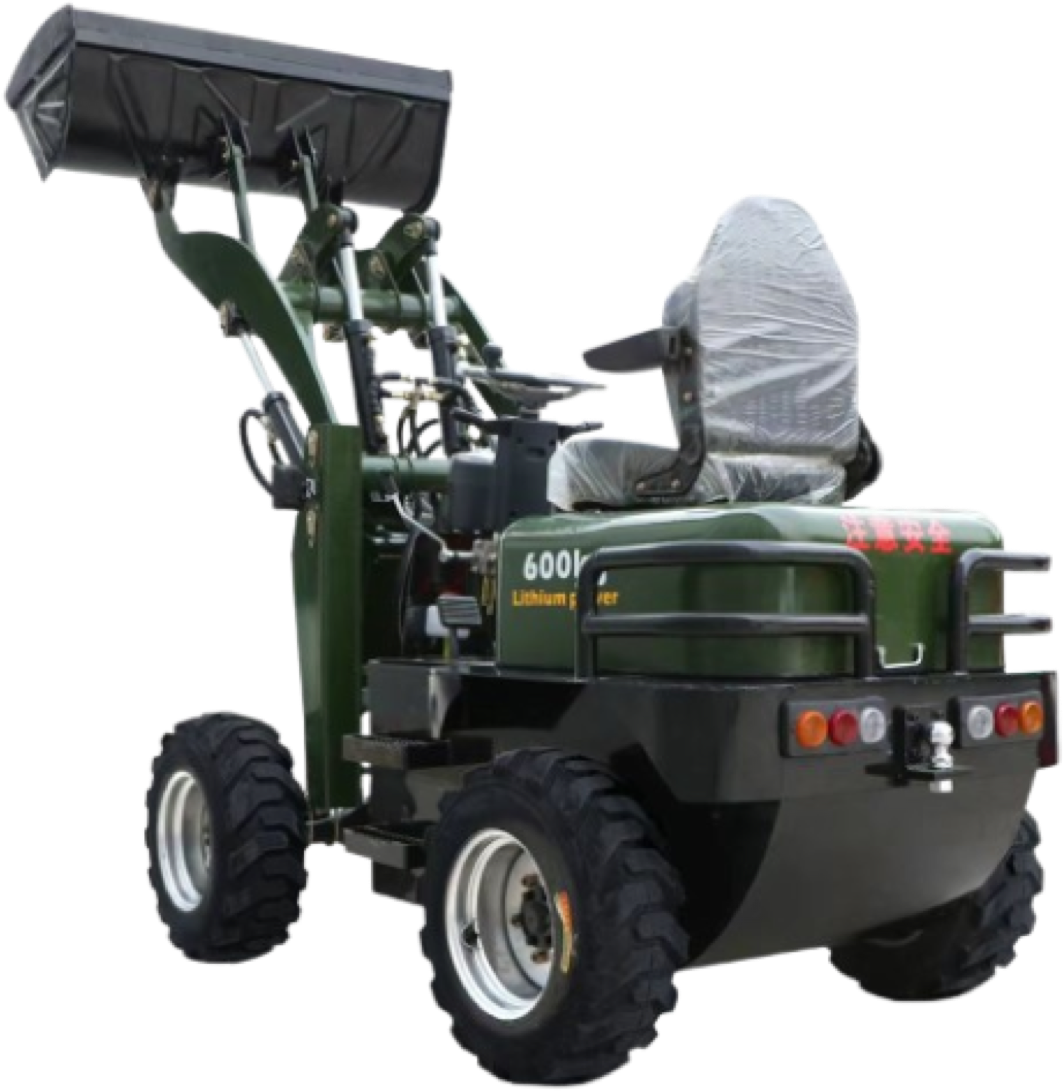
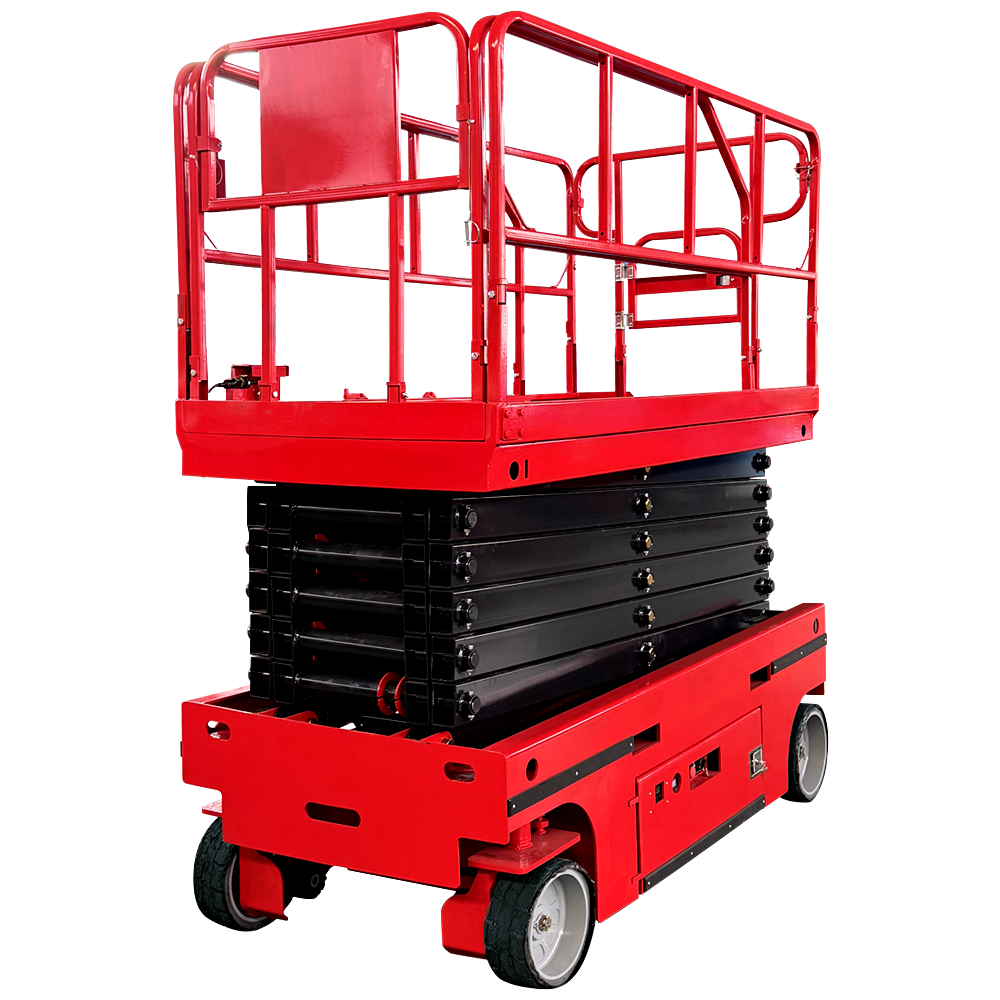
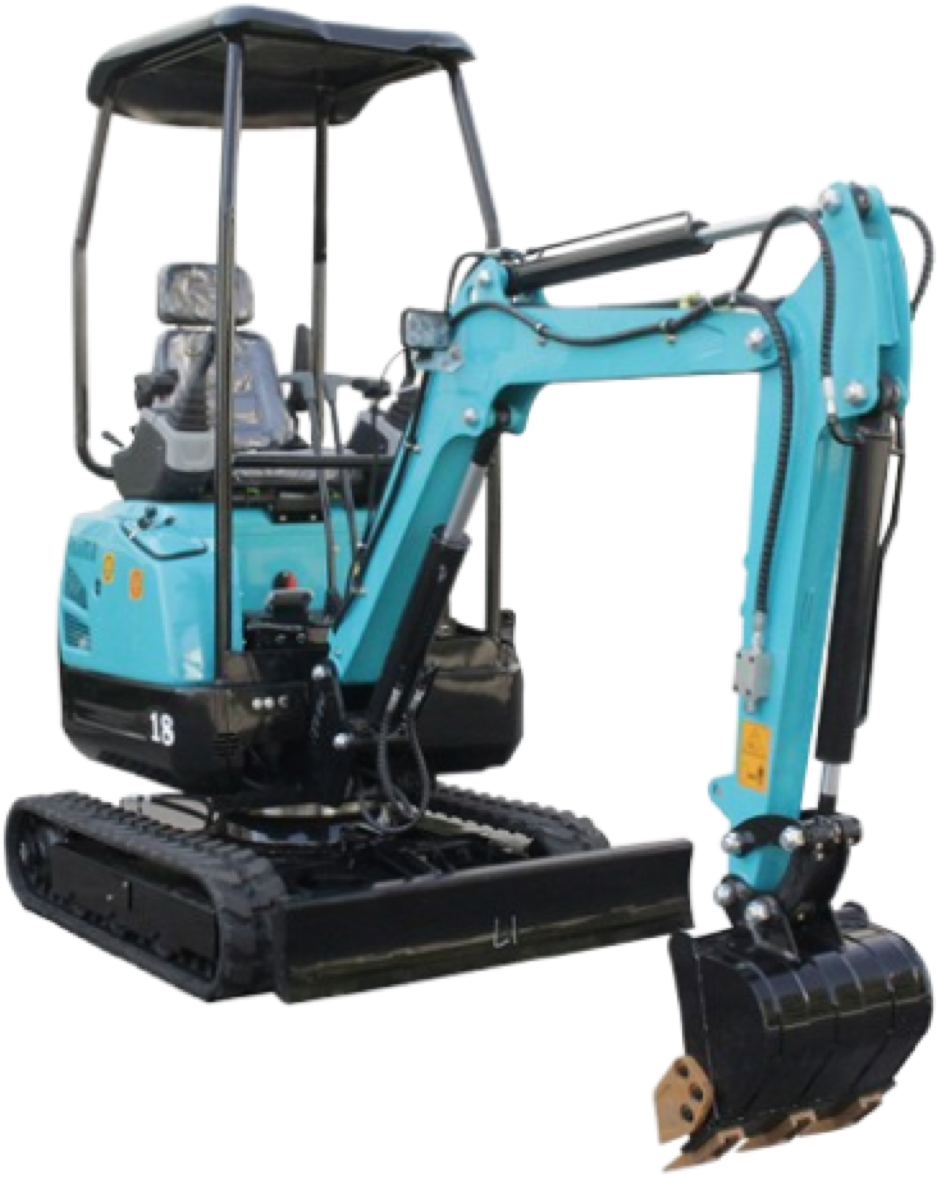
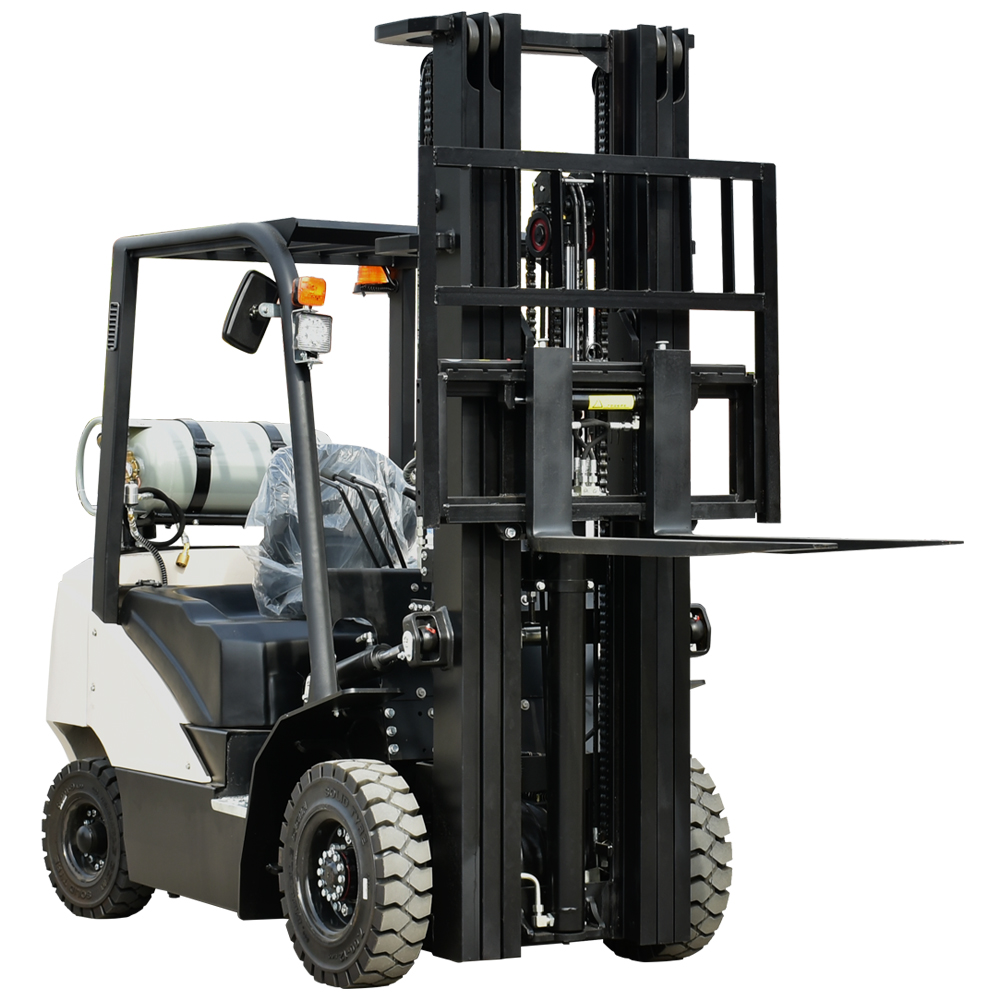
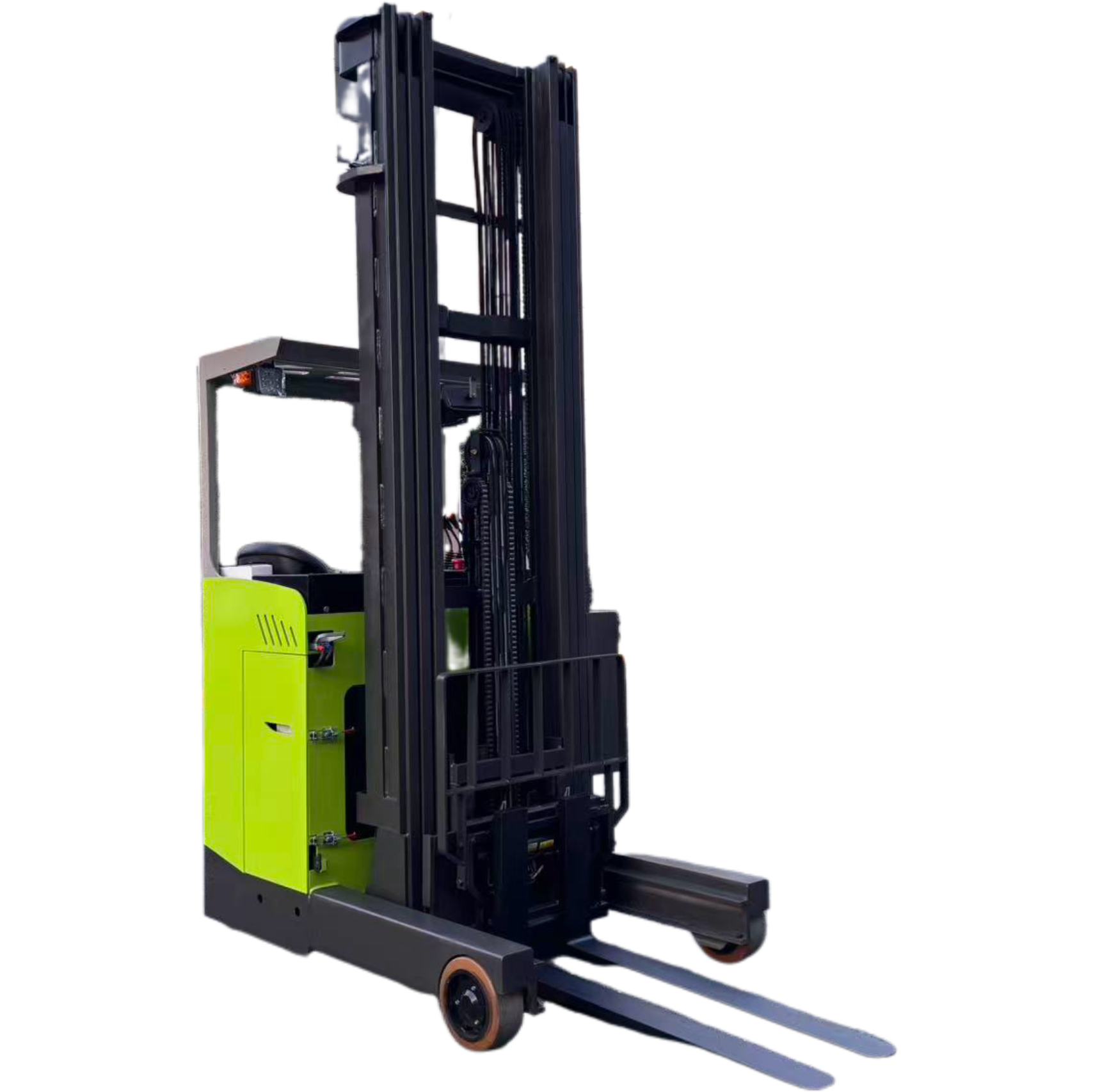
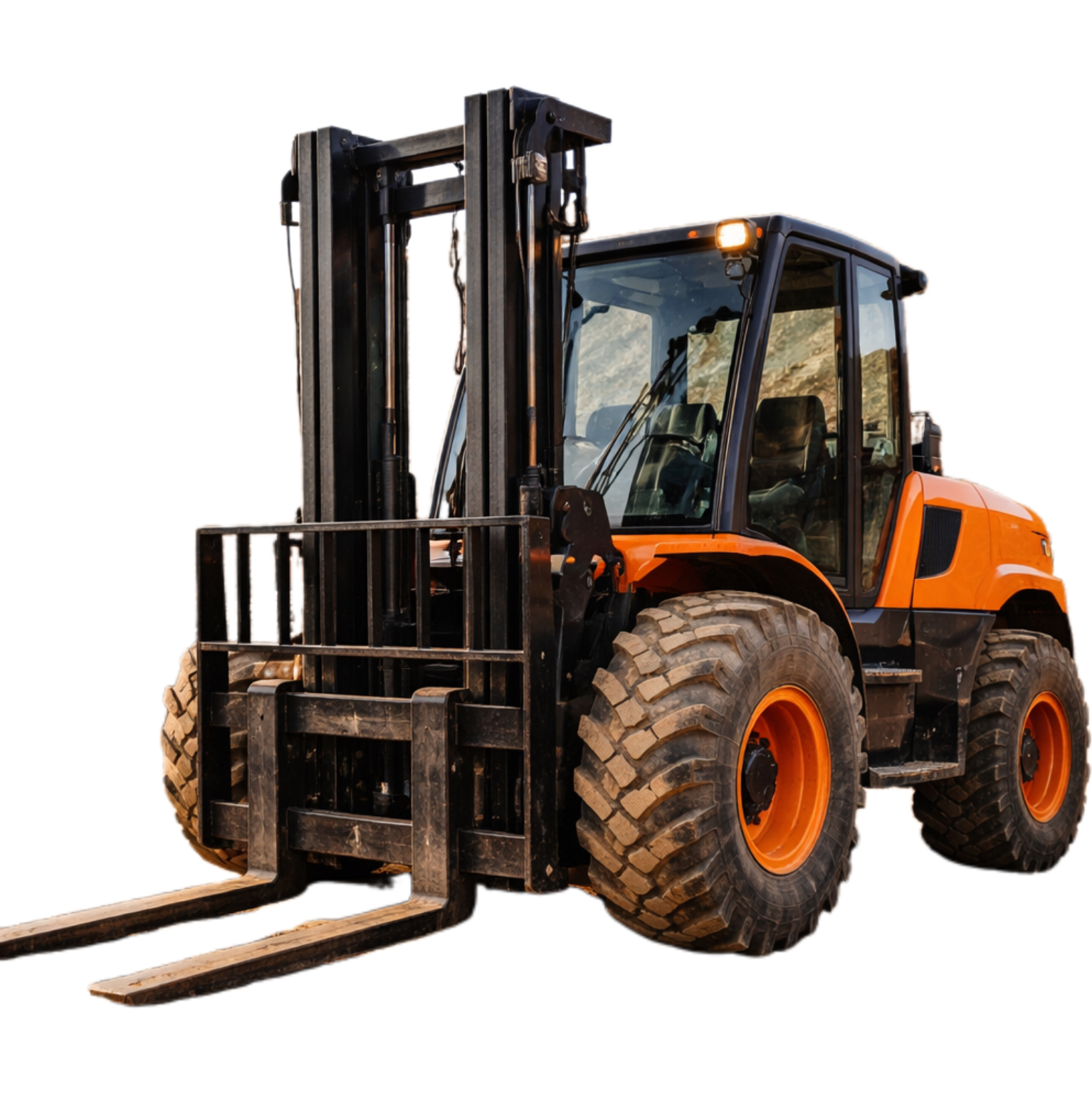


In the first half of 2025, sales of electric forklifts in China exceeded 550,000 units, accounting for 74.4% of total forklift sales. This data not only signifies that electrification has become the absolute mainstream in the forklift industry but also heralds the arrival of a new "intelligent evolution" revolution. When AI large models, embodied intelligence, and new energy technologies converge, electric forklifts are no longer mere handling tools—they are evolving into industrial intelligent partners capable of perception, decision-making, and collaboration. Today, we will explore the future landscape of electric forklifts.
I. Intelligence: The "Autonomous Decision-Making" Revolution Driven by AI
If electrification solved the "environmentally friendly power" issue, intelligence is now addressing the core pain point of "efficient decision-making." Forklifts that once relied on manual operation will evolve into "intelligent nodes" in logistics scenarios, equipped with a closed-loop capability of "perception-analysis-action."
1. From "Passive Execution" to "Proactive Prediction"
In an intelligent factory in Anji, Zhejiang, over 200 unmanned electric forklifts have achieved 24/7 autonomous operation. By updating cargo dynamics in real-time via the DAS system, they have reduced material delivery time from "half a day" to 10-15 minutes. Behind this lies the support of multi-sensor fusion and AI algorithms: LiDAR and 3D vision accurately identify obstacles, while large models dynamically plan optimal routes based on order priority and traffic congestion, even predicting material demand on the production line to prepare in advance.
Predictive maintenance technology has also freed forklifts from "breakdown downtime." WEG Group tracks forklift operating parameters in real-time through a cloud monitoring system. When abnormal fluctuations occur in motor temperature or battery voltage, the system automatically triggers maintenance alerts, reducing unplanned maintenance by 23% and annual operating costs by 8%. In the future, this "preventive maintenance" capability will become standard, further enhancing logistics efficiency.
2. Digital Twin Connects the Full-Process Link
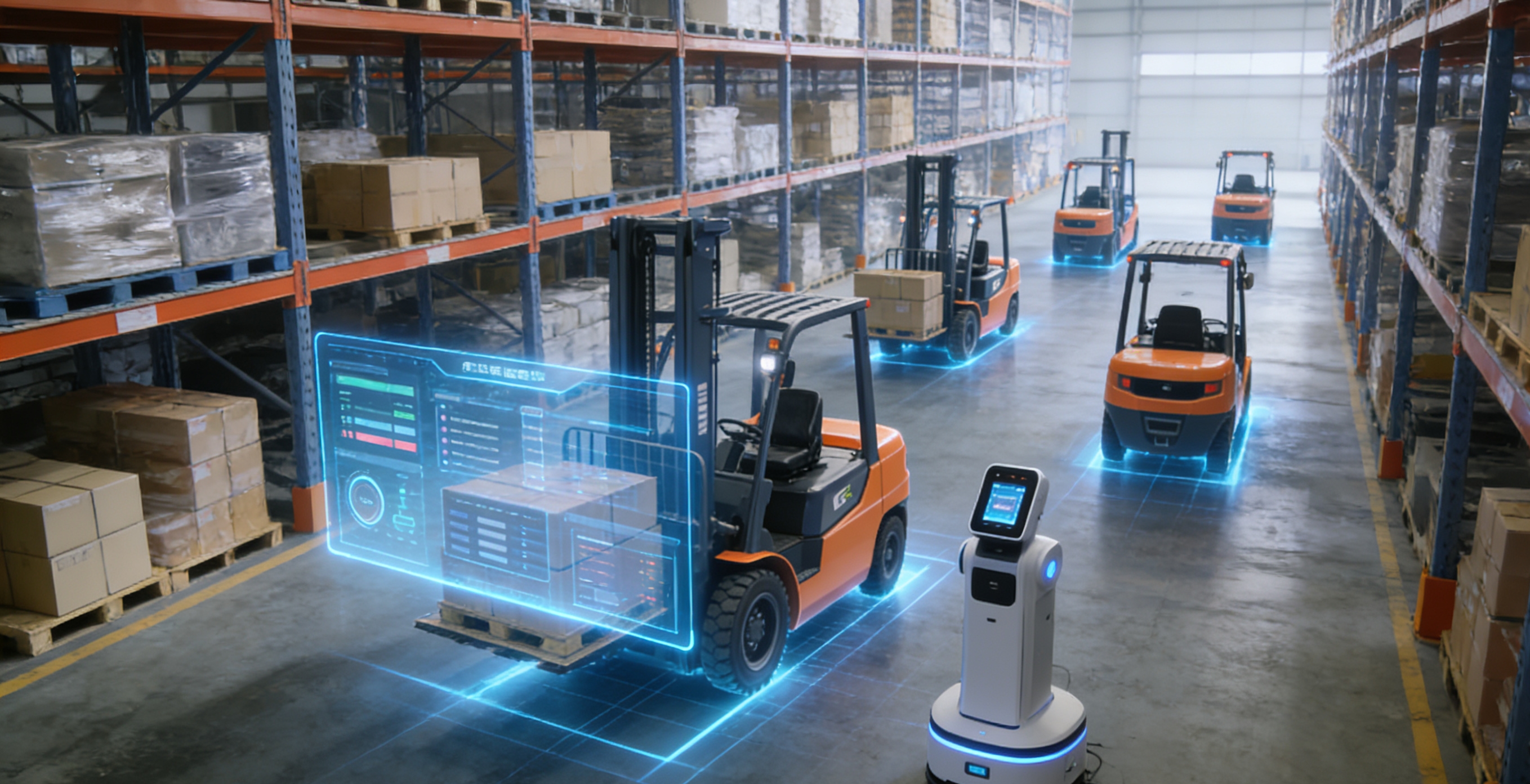
Digital twin technology is transforming forklifts into a "bridge between the physical and digital worlds." By creating a virtual replica of forklift operations, enterprises can simulate stacking and handling scenarios in the digital space to optimize workflows. Simultaneously, real-time data is synchronized to the Warehouse Management System (WMS), enabling full-link visualization of "orders-forklifts-inventory." Experts predict that in the next 3-5 years, the in-depth integration of AI and digital twins will completely upgrade electric forklifts from "executors" to "decision-making participants."
II. Energy Revolution: Dual Breakthroughs in Endurance and Environmental Protection
Range anxiety and environmental requirements were once bottlenecks for electric forklifts. In the future, innovations in battery technology and upgrades in energy recovery will completely rewrite this situation.
1. Lithium Batteries Dominate, Solid-State Batteries Accelerate Commercialization
Lithium batteries have become the core power source for electric forklifts—in 2024, lithium batteries accounted for 71.71% of China's electric counterbalanced forklifts. In the future, solid-state batteries with higher energy density will further break through endurance limits: a 15-minute charge can support 8 hours of operation, with a cycle life exceeding 5,000 times, and completely eliminating the risk of electrolyte leakage. KION Group, a global forklift leader, has clearly planned to increase the electrification rate of its electric forklifts to 60% by 2027, and the mass production of solid-state batteries is approaching.
2. Energy Recovery Enters the "Precision Era"
Traditional energy recovery technologies have limited efficiency, while new solutions are achieving "weight-adaptive recovery." A high-slope lithium electric forklift developed by an enterprise can dynamically adjust the transmission ratio by detecting cargo weight—when heavy cargo descends, the generator speed automatically increases, significantly improving energy recovery efficiency. The energy recovery ratio in the lifting/lowering process exceeds 40%. Combined with fork bump design to enhance stability, it not only improves endurance but also reduces cargo damage, achieving a win-win situation of "energy conservation and safety."
III. Automation Integration: From "Single Unmanned Machine" to "Cluster Collaboration"
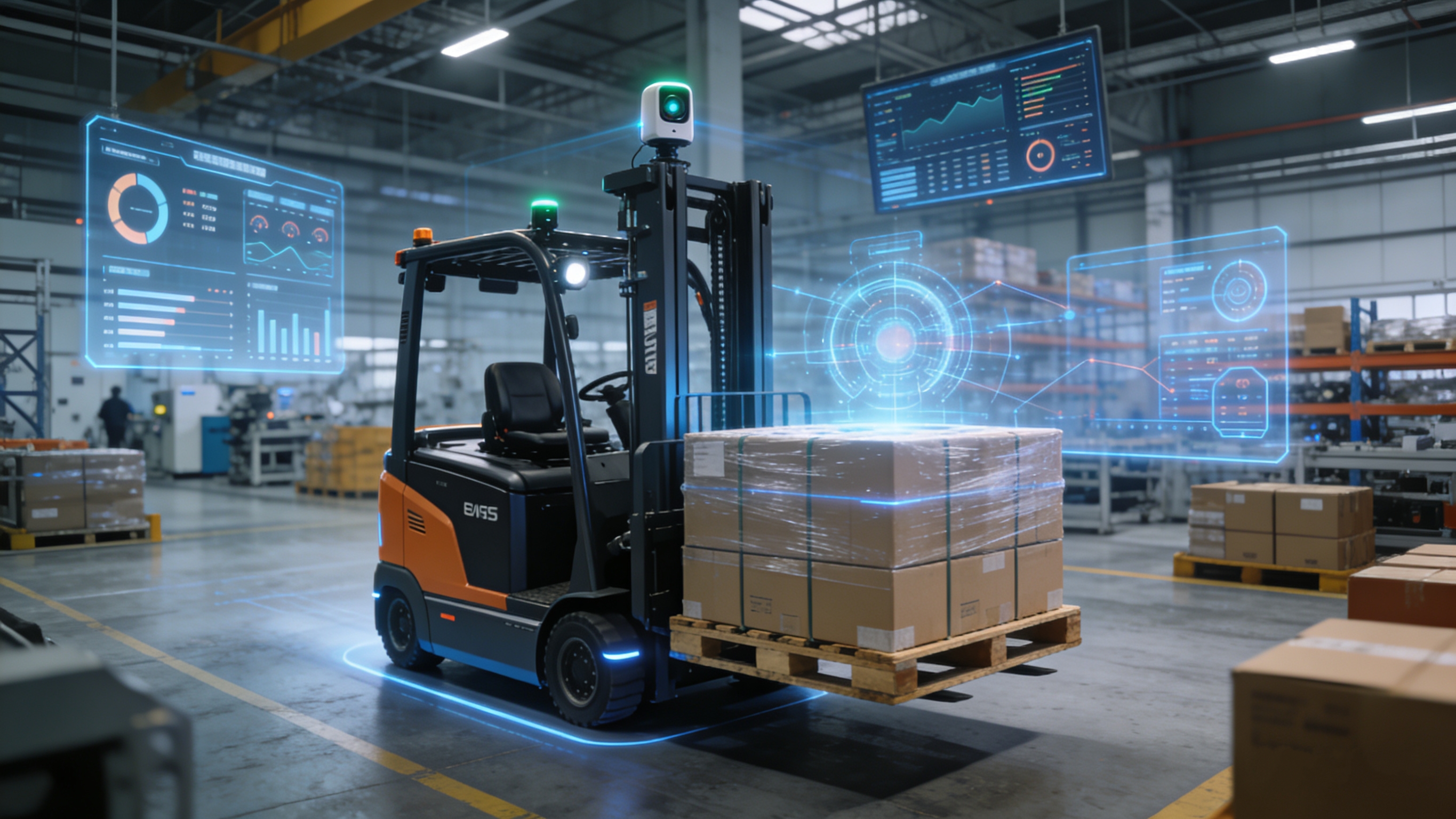
Unmanned operation is not a "solo performance" of a single forklift, but a "symphony" of multi-equipment collaboration. In the future, electric forklifts will deeply integrate with AGVs and robotic arms to build a flexible logistics system.
1. Composite Robots Break Through Scene Boundaries
The "fixed track" of AGVs and "autonomous movement" of AMRs are converging, giving birth to composite robots with better performance. Fuwei Intelligent's solution has realized the synchronization of "vision-guided millimetric grasping + autonomous handling," and ordinary engineers can build a complete task chain in 15 minutes through a zero-code platform. In an auto parts factory, 3 composite robots can increase the cross-workshop transfer efficiency by 300%, and redeployment only takes 2 hours when the production line is reorganized, completely breaking the scene limitations of traditional forklifts.
2. Cluster Scheduling Enables "Breathing Production Capacity"
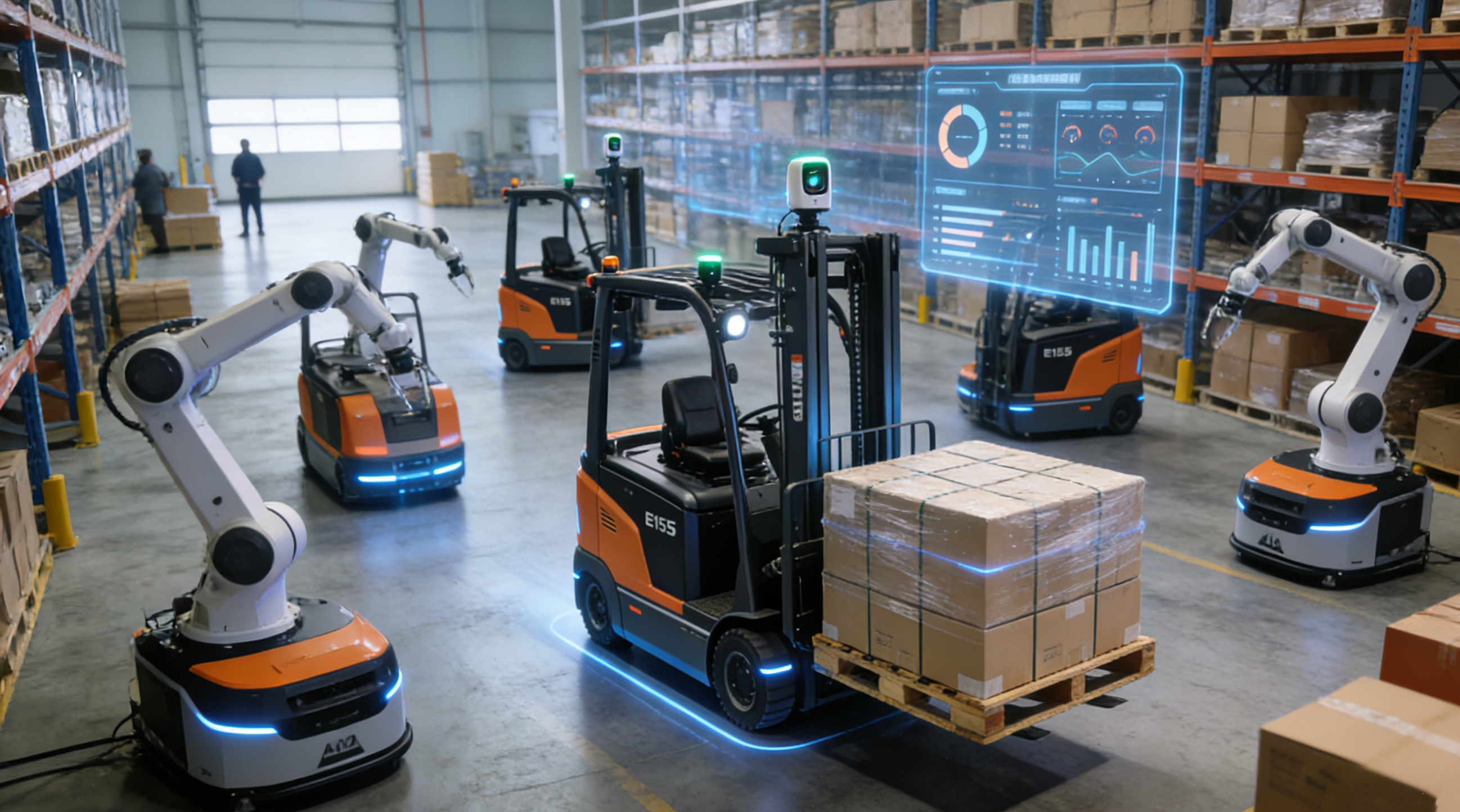
Future forklift clusters will have "elastic scalability": when orders surge, new robots can access the system by scanning a code and be automatically assigned work areas; when production capacity is adjusted, the remaining units will independently take over the task flow after removing equipment. This flexible model of "10 units today, 20 units tomorrow" can accurately match fluctuating demands such as e-commerce promotions and peak production seasons, maximizing the equipment investment benefits for enterprises.
IV. Global Pattern: Opportunities for Chinese Enterprises to "Overtake on the Bend"
The recovery of the global forklift market has provided a new track for Chinese enterprises. From January to September 2025, China exported 409,000 forklifts, a year-on-year increase of 15.5%. Leading enterprises such as Heli and Hangcha have seen their overseas revenue account for over 40%. Compared with European and American enterprises, the advantages of Chinese electric forklifts lie not only in cost control but also in the collaborative innovation of "electrification + intelligence"—upgrading from single product export to system-level solution output.
For example, Zhongli Group's upcoming embodied loading and unloading robots, and the intelligent equipment jointly developed by Anhui Heli and Jianghuai Robots, are all targeting the cutting-edge direction of embodied intelligence. In the future, Chinese enterprises are expected to achieve a transformation from "catching up" to "surpassing" in the global market by virtue of their technological iteration speed and scenario deep cultivation capabilities.
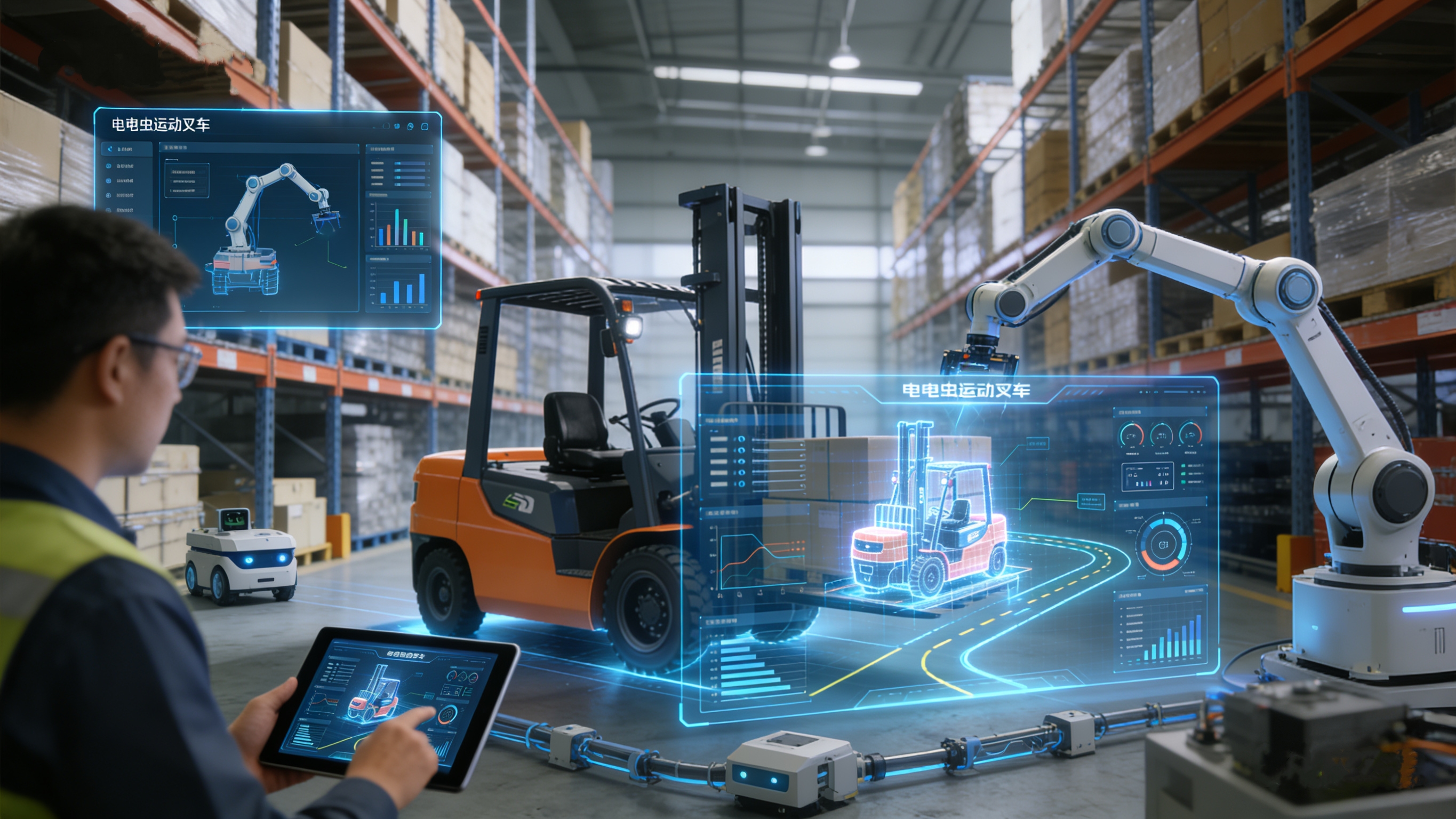
The Future Is Here: Are You Ready?
From AI decision-making to solid-state batteries, from cluster collaboration to global output, the future of electric forklifts is an integration of "green, intelligent, and flexible." For enterprises, deploying electric forklifts now is not only a response to environmental policies but also a seizure of the "commanding height" of future logistics efficiency—enterprises that take the lead in embracing intelligent forklifts will gain significant advantages in cost control and production capacity flexibility.
In your industry, what signs of intelligent upgrading have appeared in electric forklifts? What functions do you most expect future forklifts to have? Welcome to leave a message in the comment area to discuss the evolution of logistics equipment with us!
Our manager will contact you shortly.
To contact you about our products and services.


Copyright © Xingtai Beiqiang Machinery Manufacturing Factory. 2025.
Technical support:Echola