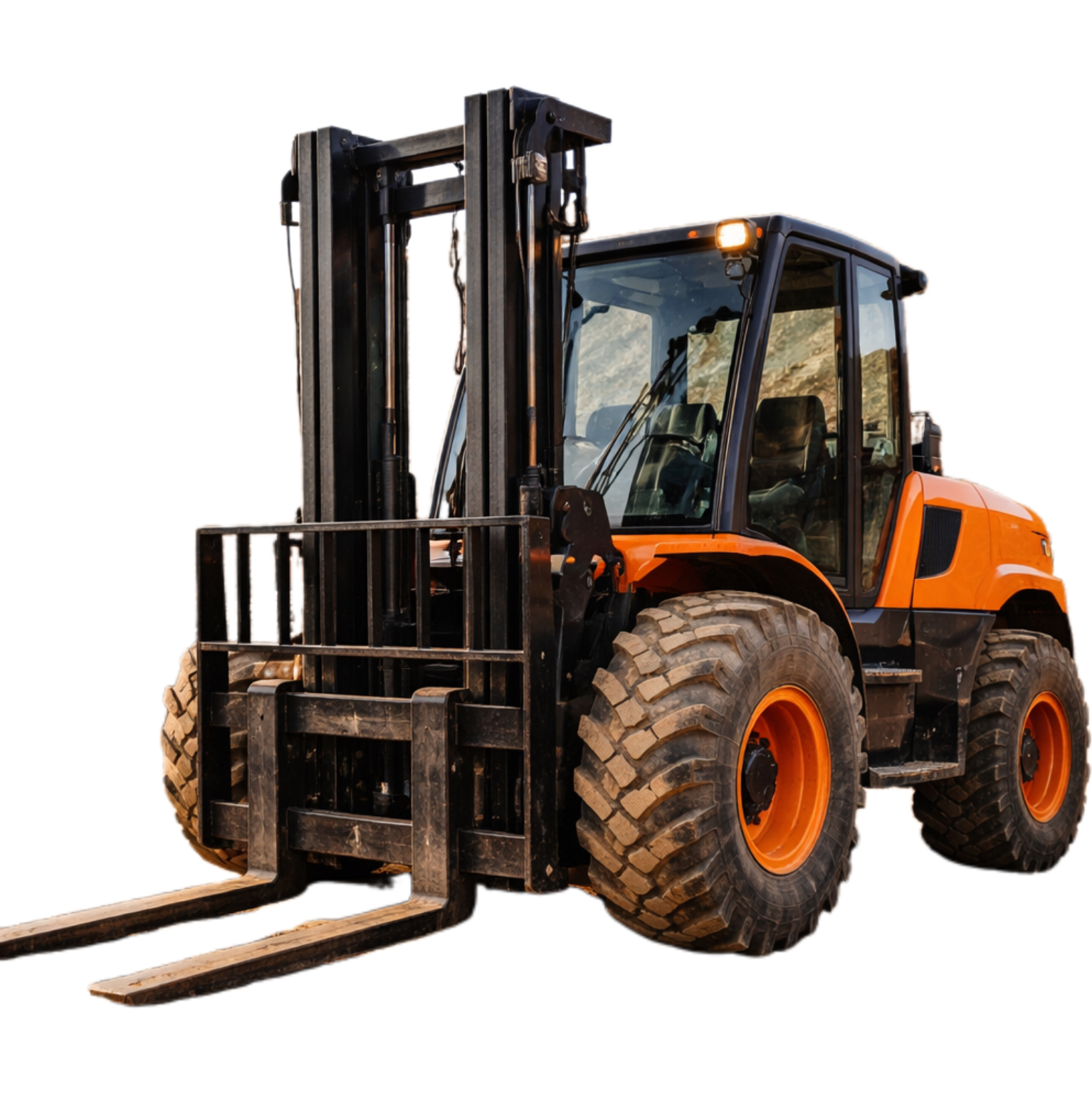


The Rise of Hybrid Forklifts: Trends, Benefits, and Future Development
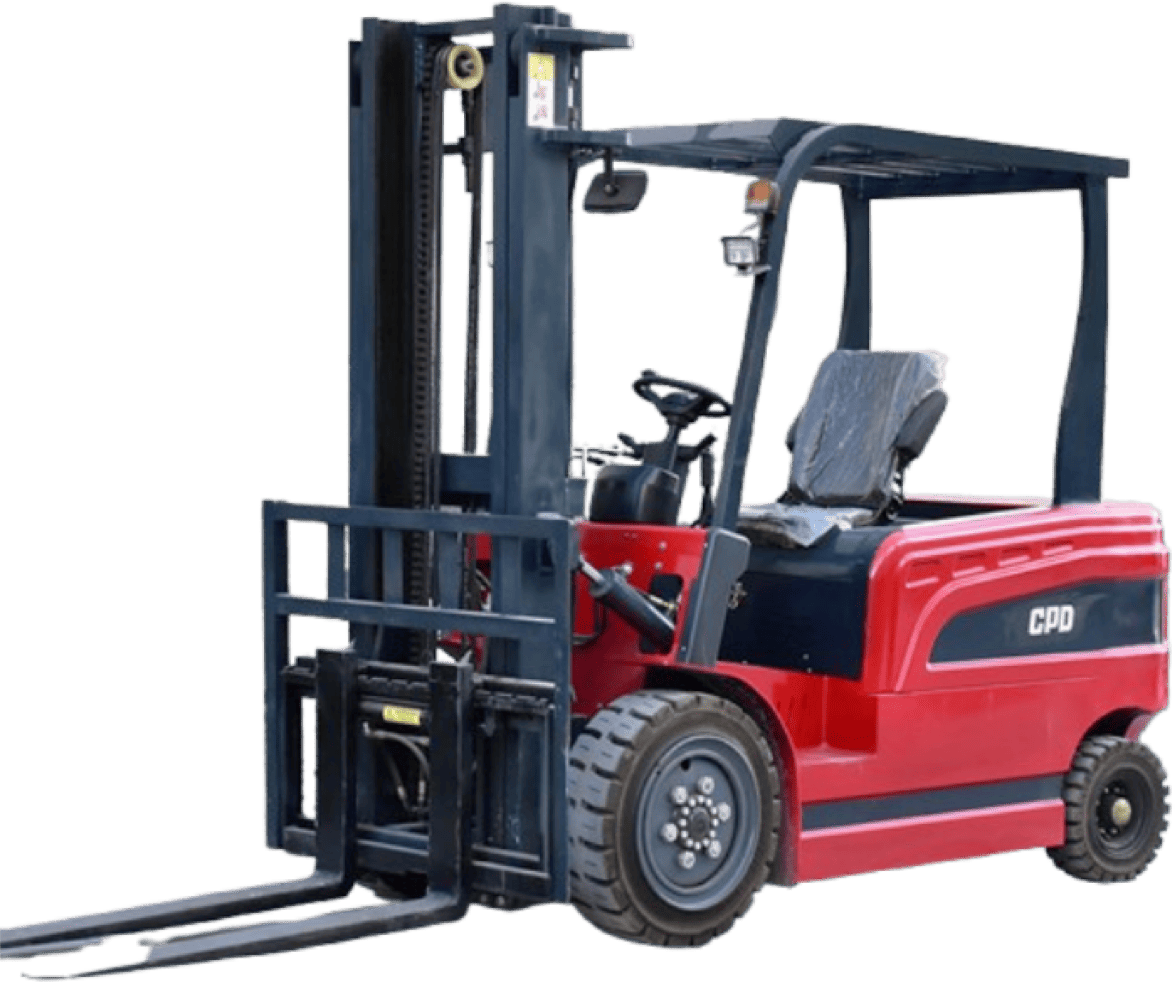
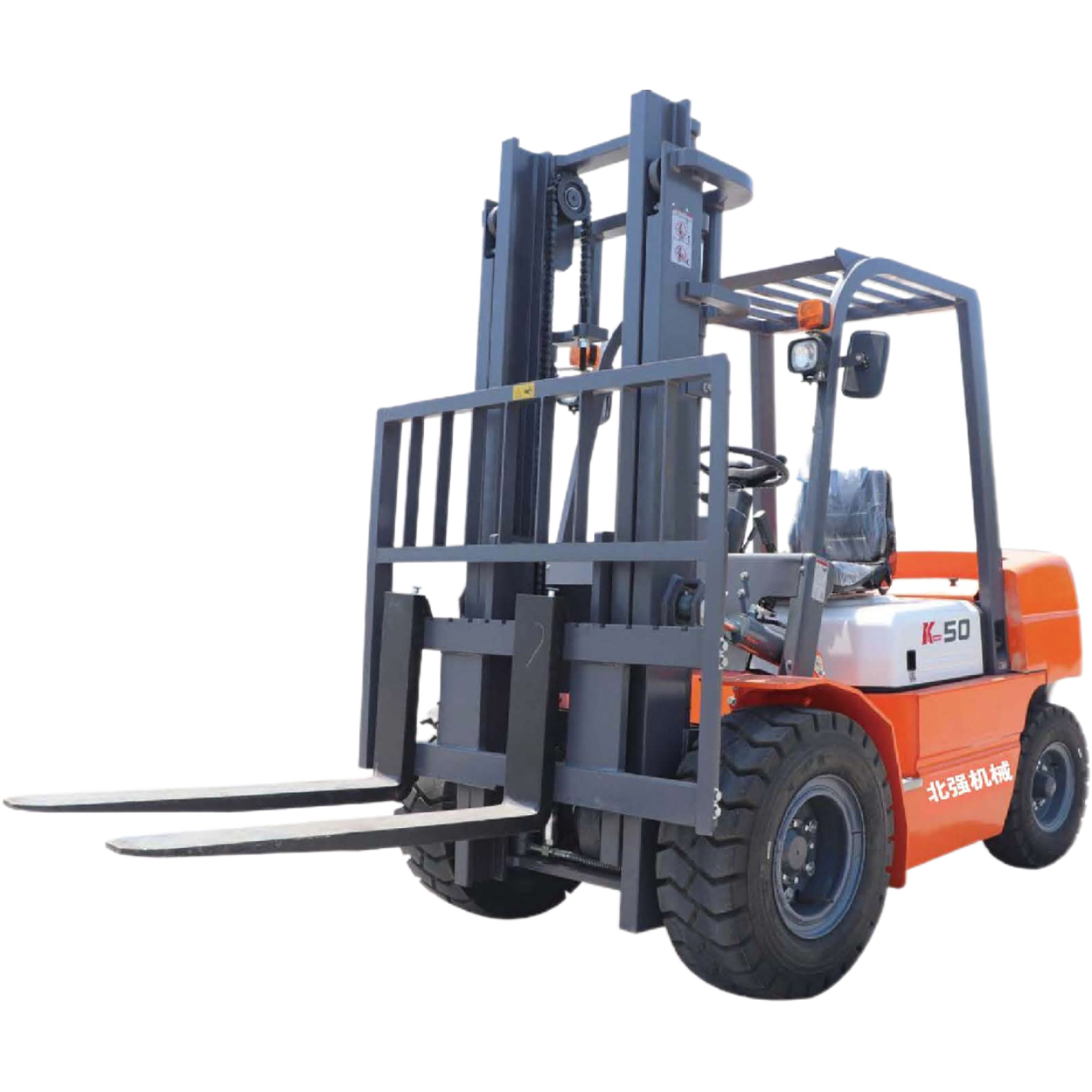
As warehouses and factories strive for higher efficiency and sustainability, hybrid forklifts have emerged as a promising solution. By combining the strengths of diesel and electric power, hybrid forklifts offer improved performance, reduced emissions, and lower operating costs.
This article explores the development, advantages, and future trends of hybrid forklifts in industrial material handling.
1. What is a Hybrid Forklift?
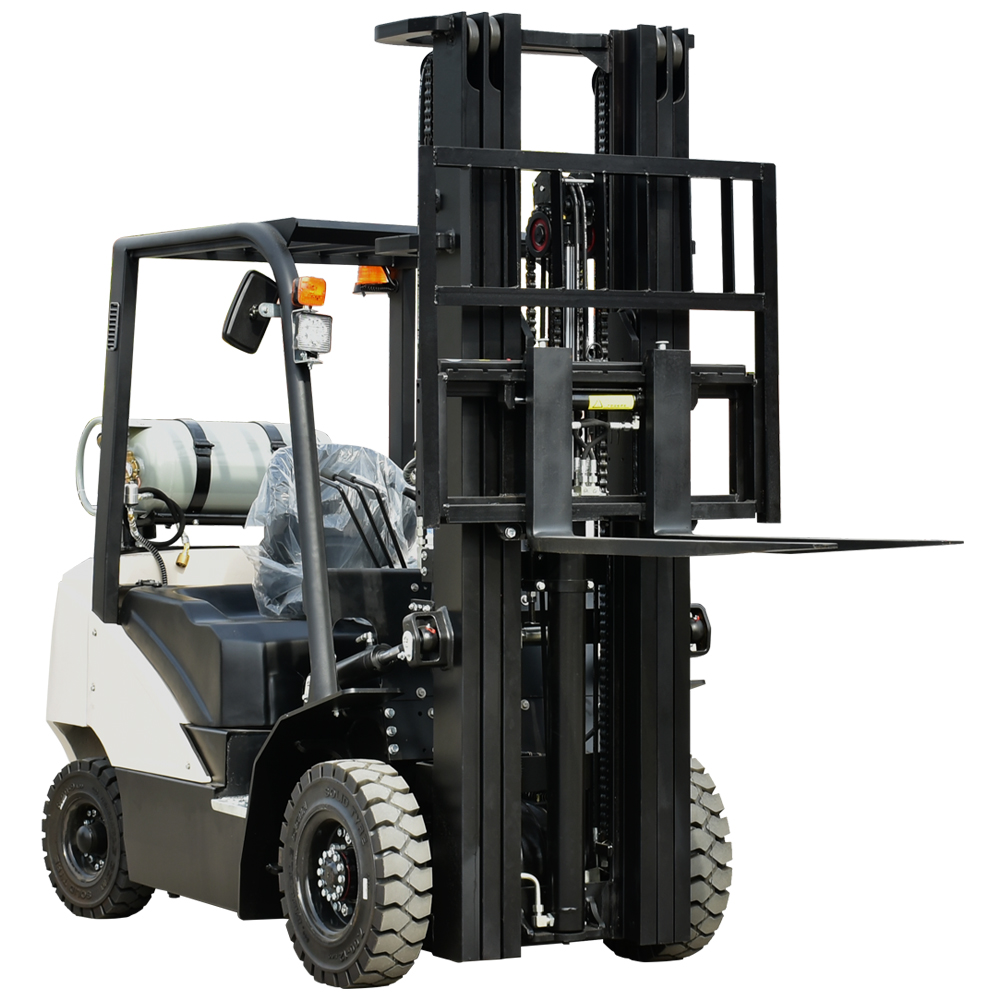
A hybrid forklift integrates electric and internal combustion technologies. Typically:
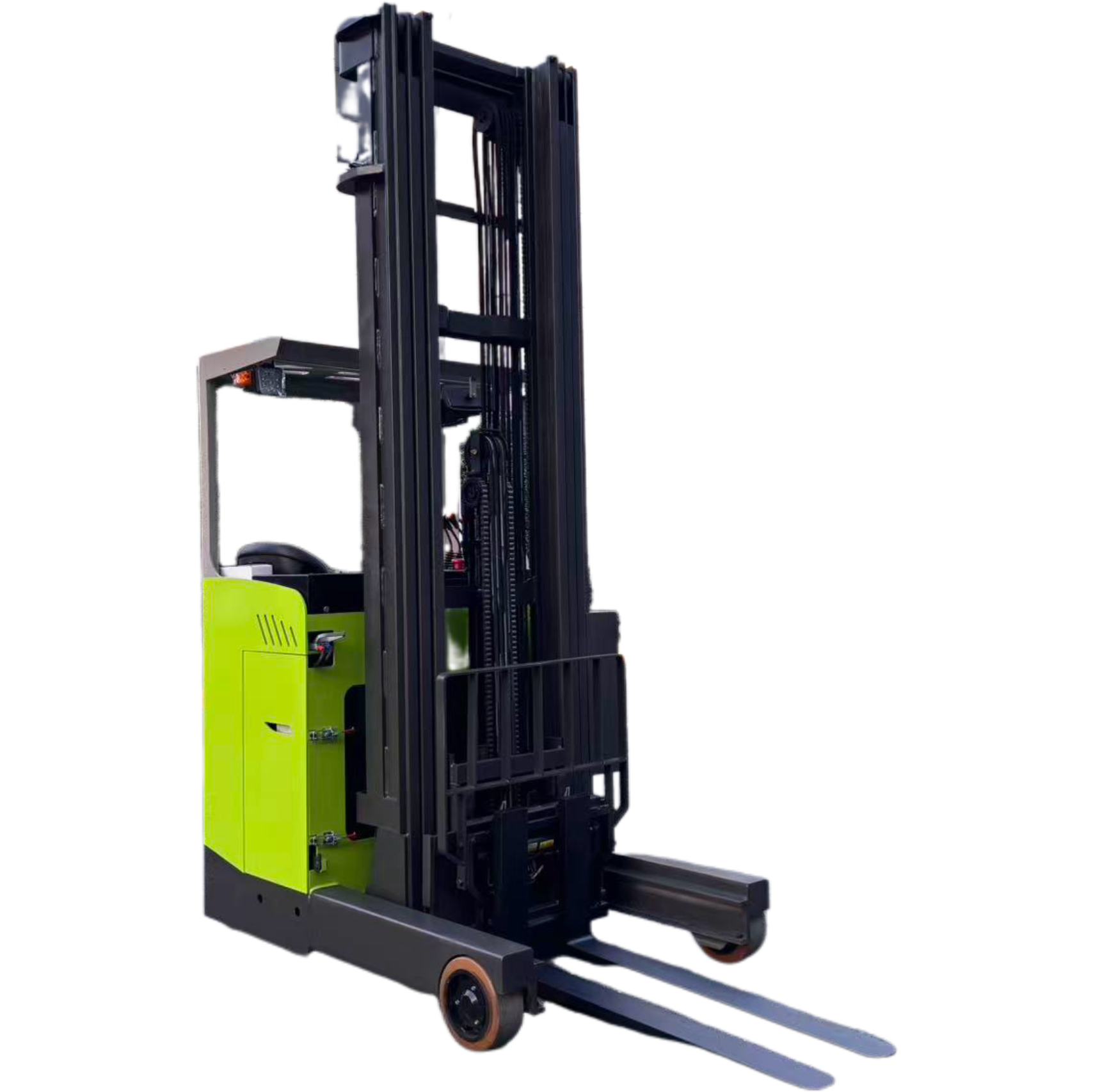
Electric motors handle low-speed, indoor operations
Diesel or LPG engines assist in high-power tasks or outdoor use
This combination allows forklifts to operate efficiently in both indoor and outdoor environments without the limitations of single power sources.
2. Key Advantages of Hybrid Forklifts
Energy Efficiency
Regenerative braking recaptures energy during deceleration
Reduces fuel consumption compared to conventional diesel forklifts
Lower Emissions
Partial electric operation decreases CO₂ and NOₓ emissions
Suitable for factories and warehouses with stricter environmental regulations
Operational Flexibility
Can switch between electric and diesel modes
Works well on uneven outdoor terrain and indoor floors
Ideal for facilities with mixed-use requirements
Reduced Noise
Electric mode provides quieter operation indoors
Improves operator comfort and workplace safety
3. Technological Innovations Driving Development
Hybrid forklift technology has advanced rapidly:
Lithium-ion batteries reduce charging time and extend lifespan
Smart power management systems optimize engine and motor usage
Telematics and IoT integration allow real-time monitoring of fuel, battery status, and productivity
Lightweight materials and compact design enhance maneuverability and efficiency
These innovations make hybrid forklifts increasingly competitive against traditional diesel and electric models.
4. Applications and Industry Adoption
Hybrid forklifts are especially popular in:
Warehouses with mixed indoor/outdoor operations
Manufacturing plants requiring heavy loads
Cold storage and food industries where emissions must be controlled
Logistics hubs aiming to reduce energy costs and improve sustainability
Companies report both cost savings and productivity improvements after adopting hybrid solutions.
5. Challenges and Considerations
While hybrid forklifts offer multiple advantages, there are challenges:
Higher initial investment compared to traditional forklifts
Requires trained operators for optimal energy management
Maintenance of both engine and battery systems may require specialized knowledge
Proper planning and training are essential to maximize the benefits of hybrid technology.
6. Future Trends in Hybrid Forklifts
Industry experts predict:
Wider adoption due to stricter environmental regulations
Integration with automation and AI systems for smart warehouses
Development of smarter hybrid energy management, improving fuel efficiency
Hybrid forklifts becoming standard in industries balancing heavy loads with sustainability goals
Hybrid forklifts are poised to play a key role in the next generation of industrial material handling.
Conclusion
Hybrid forklifts combine the strengths of electric and diesel power to meet the growing demands of modern warehouses and factories. With energy efficiency, reduced emissions, and operational flexibility, they offer a promising solution for industries seeking sustainable and productive material handling. As technology continues to advance, hybrid forklifts are likely to become a mainstream choice for businesses worldwide.
Our manager will contact you shortly.
To contact you about our products and services.


Copyright © Xingtai Beiqiang Machinery Manufacturing Factory. 2025.
Technical support:Echola