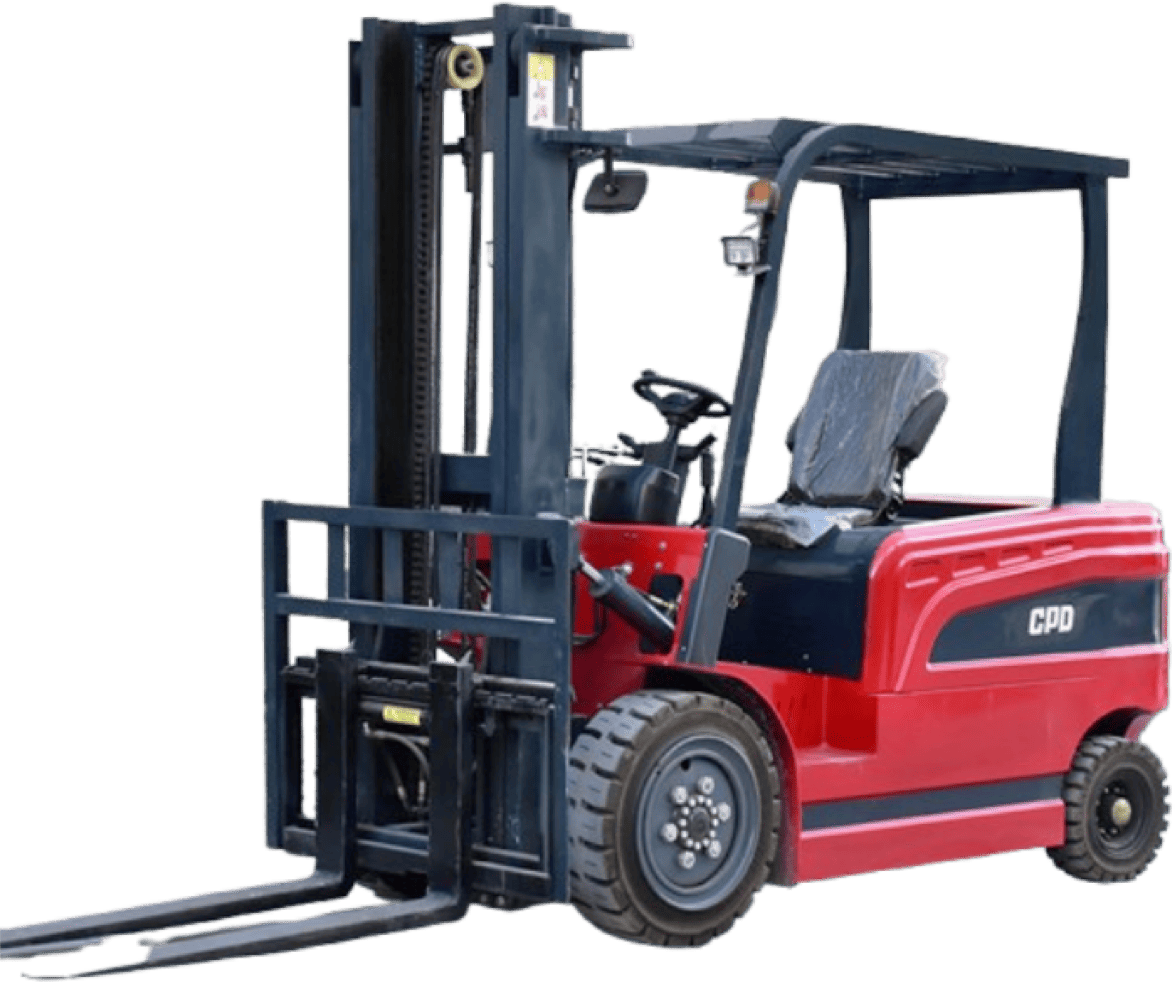
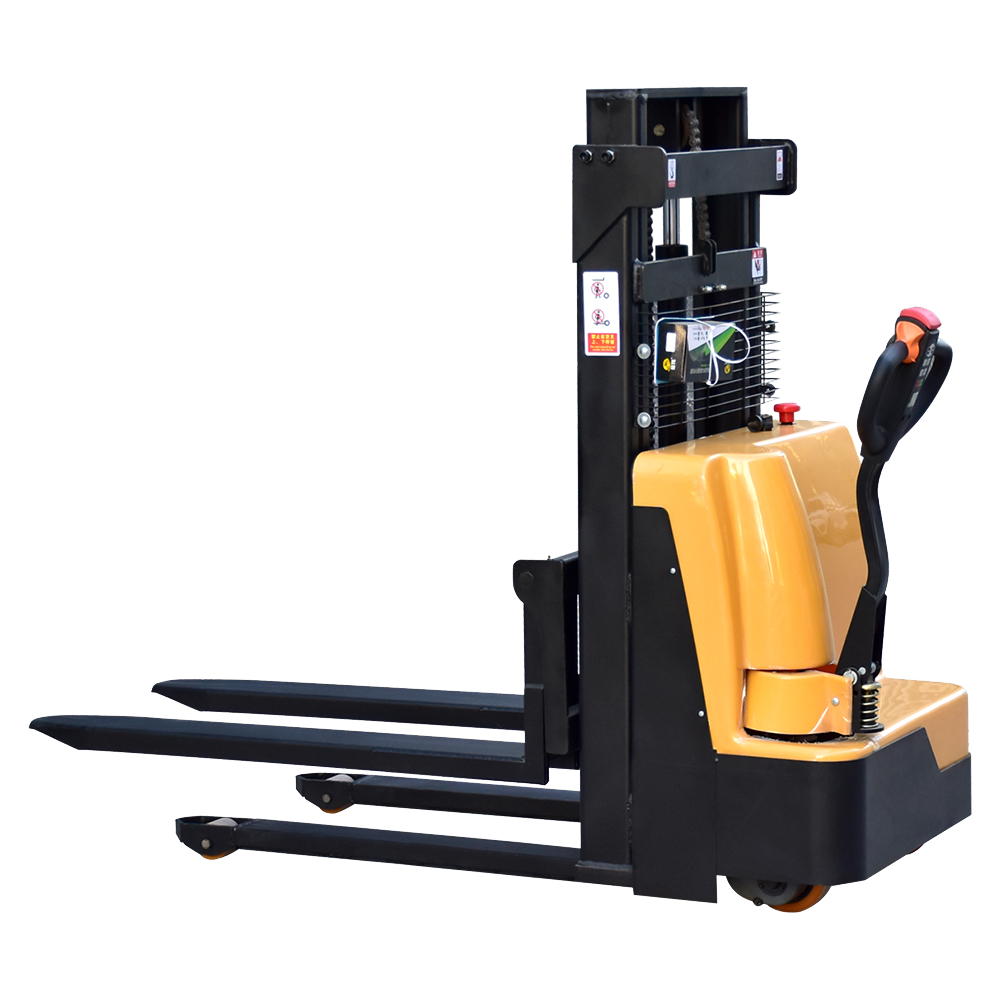
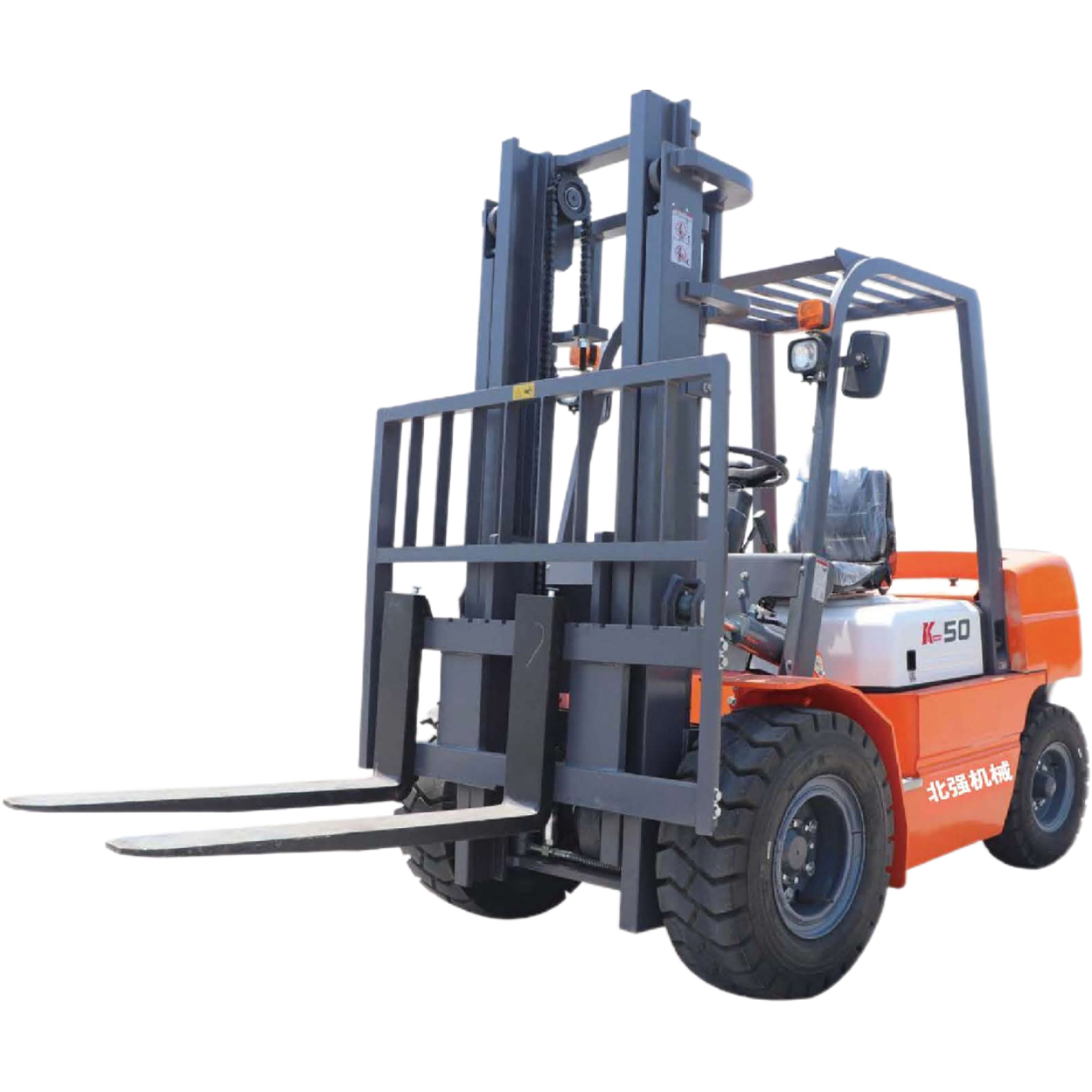
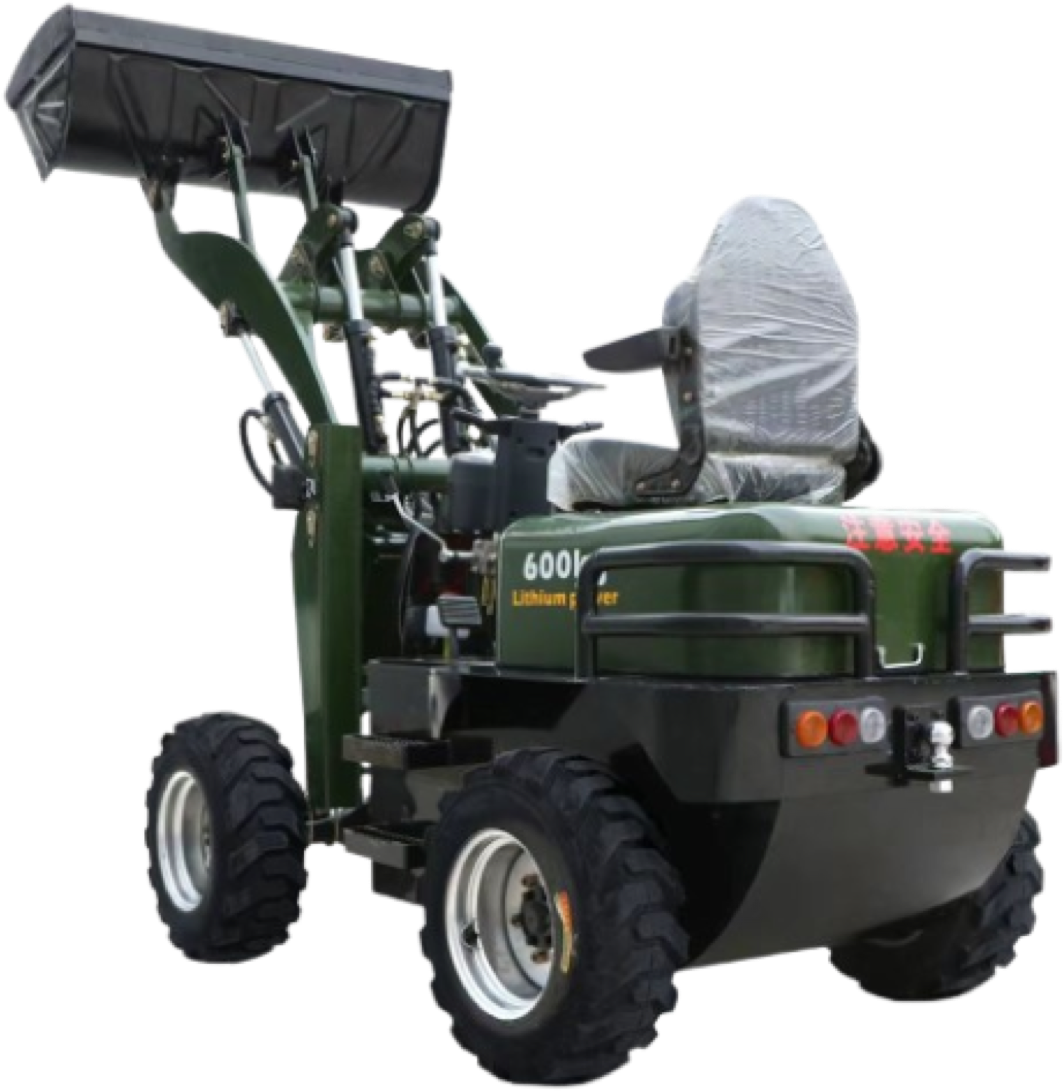
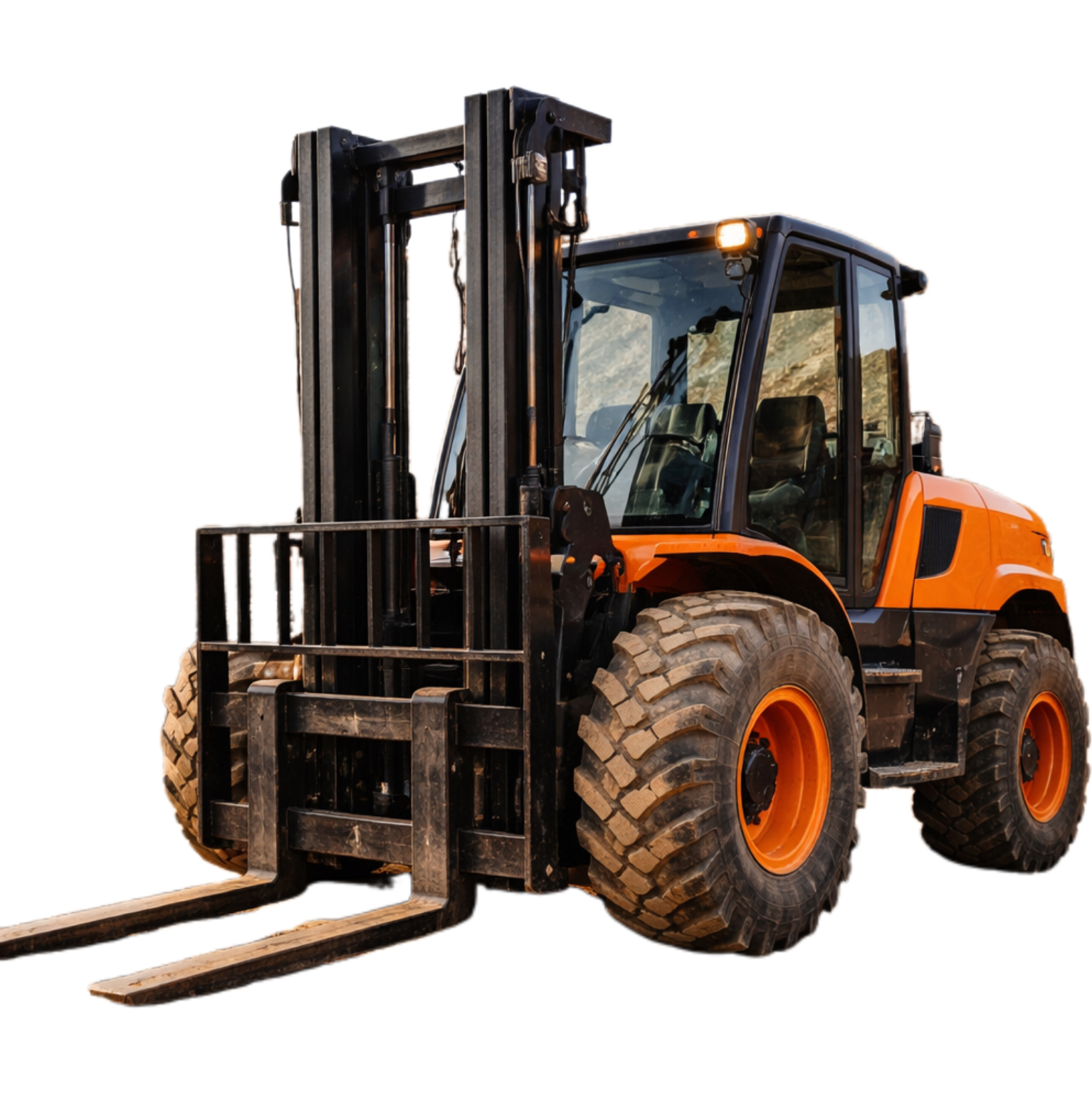


In warehousing, logistics, and industrial production scenarios, electric forklifts have gradually replaced traditional fuel-powered forklifts as the mainstream equipment due to their advantages of environmental protection, high efficiency, and low noise. Whether you are an enterprise purchaser selecting suitable equipment or an operator looking to improve operation and maintenance capabilities, gaining an in-depth understanding of the structural composition of electric forklifts can bring great value to your work. Today, we will comprehensively disassemble the core structure of electric forklifts and reveal how they convert electrical energy into stable and efficient operational power.
I. Power System: The "Energy Heart" of Electric Forklifts
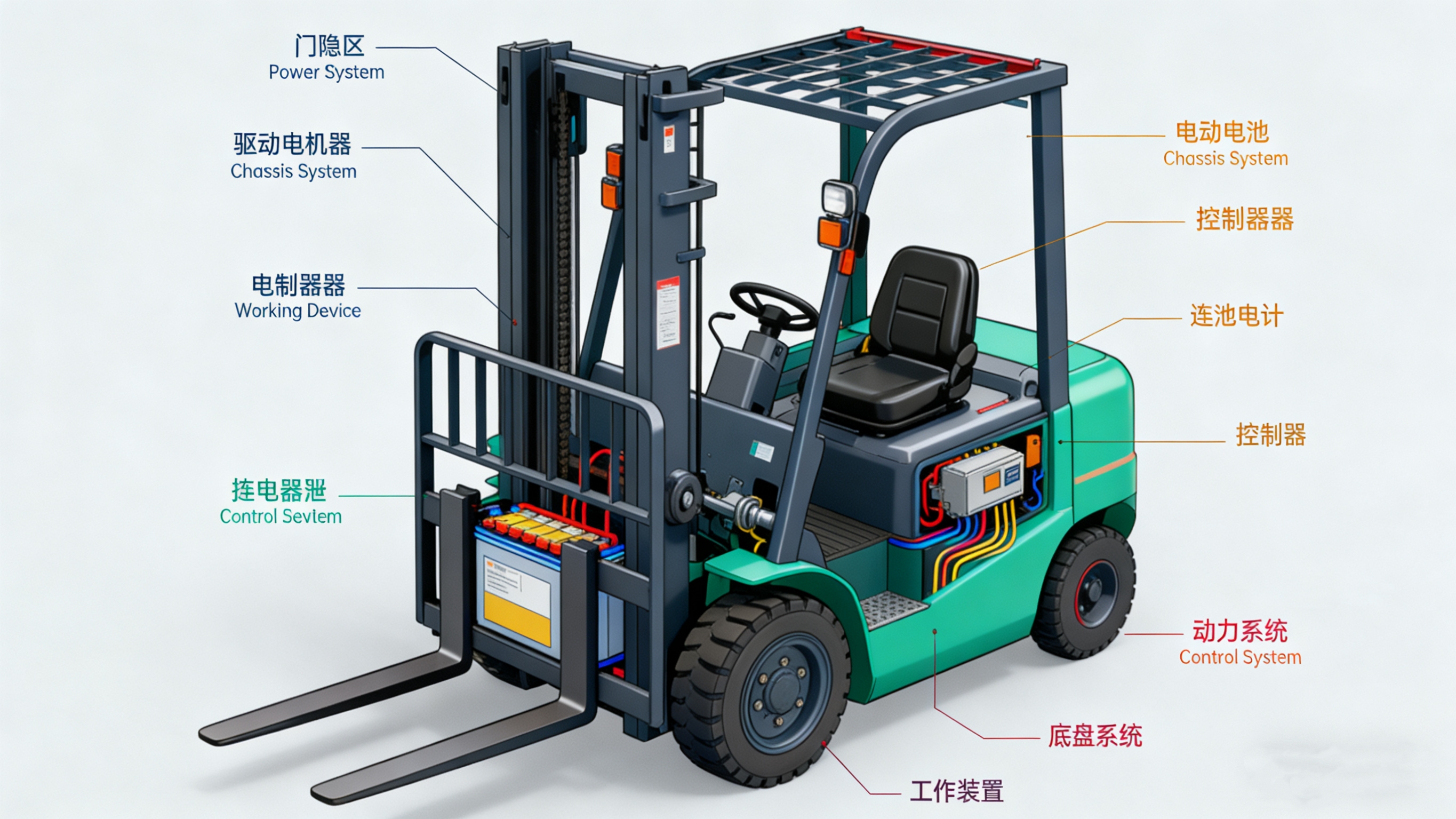
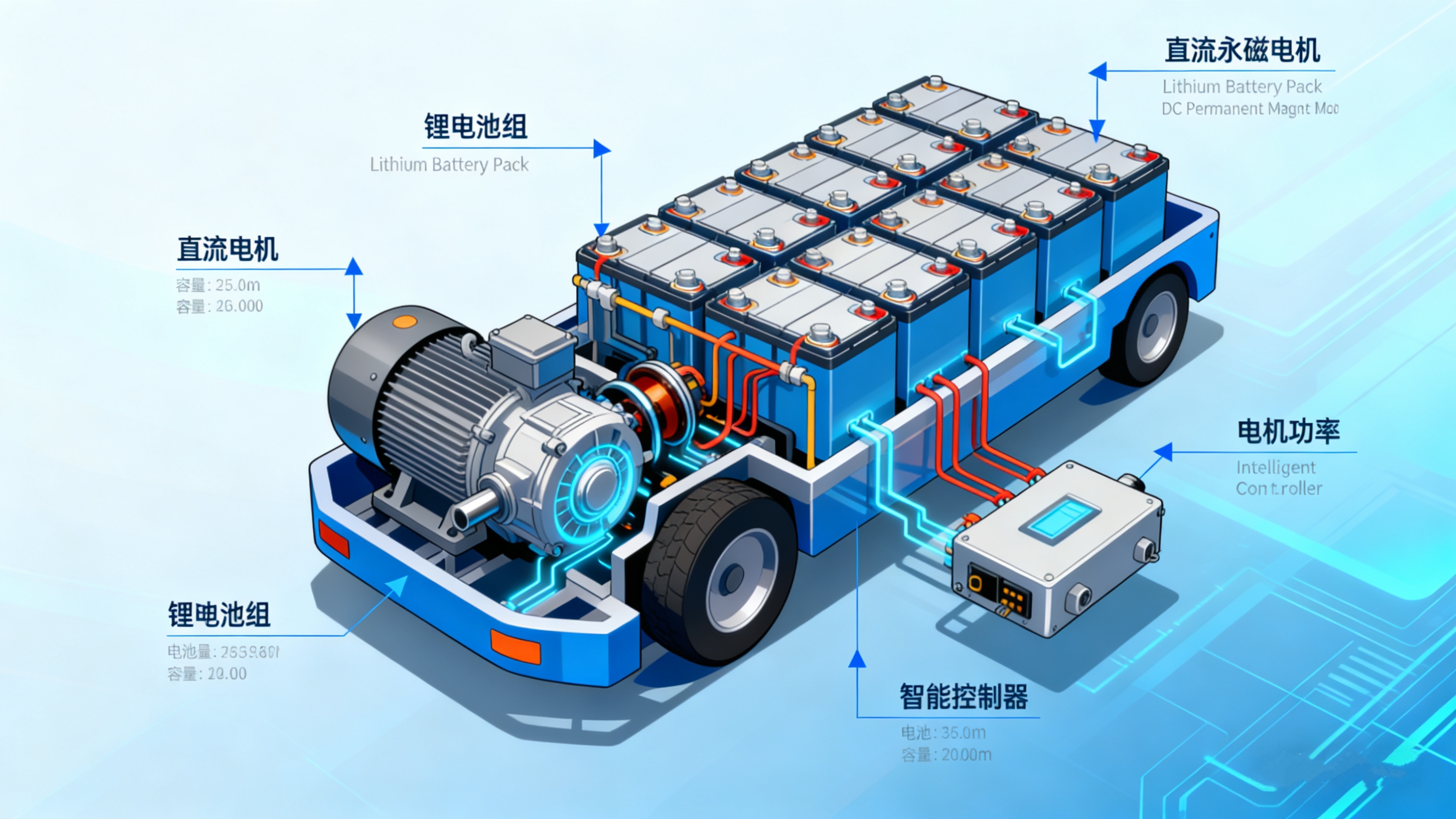
The power system is the core part that distinguishes electric forklifts from fuel-powered ones. It is responsible for providing all the operating energy for the equipment and mainly consists of three components: power battery, drive motor, and controller. These three work together to ensure stable and efficient power output.
1. Power Battery – Core of Energy Storage
The power battery is equivalent to the "fuel tank" of an electric forklift. Currently, the mainstream types are lithium-ion batteries and lead-acid batteries. Lithium-ion batteries have become the first choice for mid-to-high-end electric forklifts due to their high energy density, fast charging speed, long cycle life (usually more than 2,000 cycles), and low maintenance costs. Lead-acid batteries, on the other hand, are still used in scenarios with low requirements for usage frequency and endurance due to their lower cost.
The capacity of the power battery directly determines the endurance of the forklift. Common specifications range from 48V/50Ah to 80V/200Ah. Enterprises can choose flexibly according to the daily operation duration (e.g., 8 hours of continuous operation requires a large-capacity battery) and charging conditions (e.g., whether a battery swapping station is available). In addition, high-quality batteries are equipped with safety designs such as overcharge protection and over-temperature protection to avoid usage risks.
2. Drive Motor – Power Conversion Device
The drive motor is the core component that converts electrical energy into mechanical energy. Its performance directly affects the forklift's driving speed, climbing ability, and load-carrying efficiency. The commonly used drive motor for electric forklifts is the DC permanent magnet motor, which has the characteristics of compact structure, high efficiency (up to more than 90%), large torque, and fast response, and can meet the operational requirements of frequent start-stop and large load changes of forklifts.
The motor power varies according to the type of forklift: the motor power of small electric pallet forklifts is usually 1.5-3kW, while heavy-duty electric counterbalanced forklifts require high-power motors of more than 10kW. Some high-end models are also equipped with dual-motor drive to further improve driving stability and power output.
3. Controller – The "Intelligent Brain"
The controller is equivalent to the "brain" of the electric forklift, responsible for regulating and controlling various parameters of the power system, including motor speed, current output, and battery charging and discharging management. It can dynamically optimize power distribution according to the operator's instructions (such as acceleration, steering, lifting), ensuring stable driving and precise operation of the forklift.
The controllers of modern electric forklifts mostly adopt intelligent designs and are equipped with fault self-diagnosis functions. They can real-time monitor data such as battery voltage and motor temperature, and will alarm through the instrument panel once an abnormality occurs, facilitating timely maintenance. At the same time, the controller can also convert the kinetic energy generated during forklift braking into electrical energy and recharge it to the battery through energy recovery technology, extending the endurance range.
II. Chassis System: The "Stable Foundation" of Electric Forklifts
The chassis system is the core part that supports the forklift body, bears the cargo, and realizes driving and steering. Like the "skeleton" of the forklift, it is directly related to the stability and safety of operations. It mainly includes the frame, traveling system, steering system, and braking system.
1. Frame – Core Load-Bearing Structure
The frame is the basic framework of the electric forklift, used to fix all components such as the power battery, drive motor, and working device, while bearing the weight of the cargo and the impact force during operation. The frame is usually made of high-strength steel, processed through welding and heat treatment processes to ensure sufficient rigidity and deformation resistance.
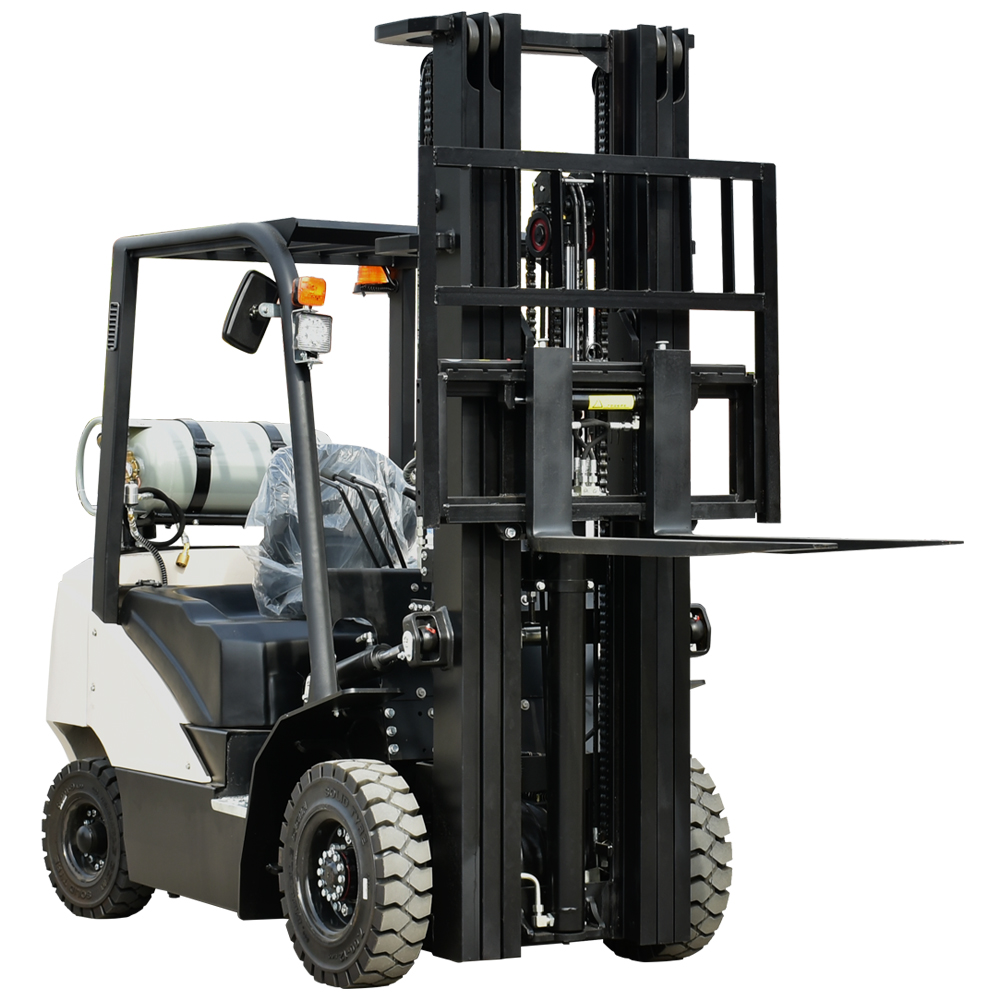
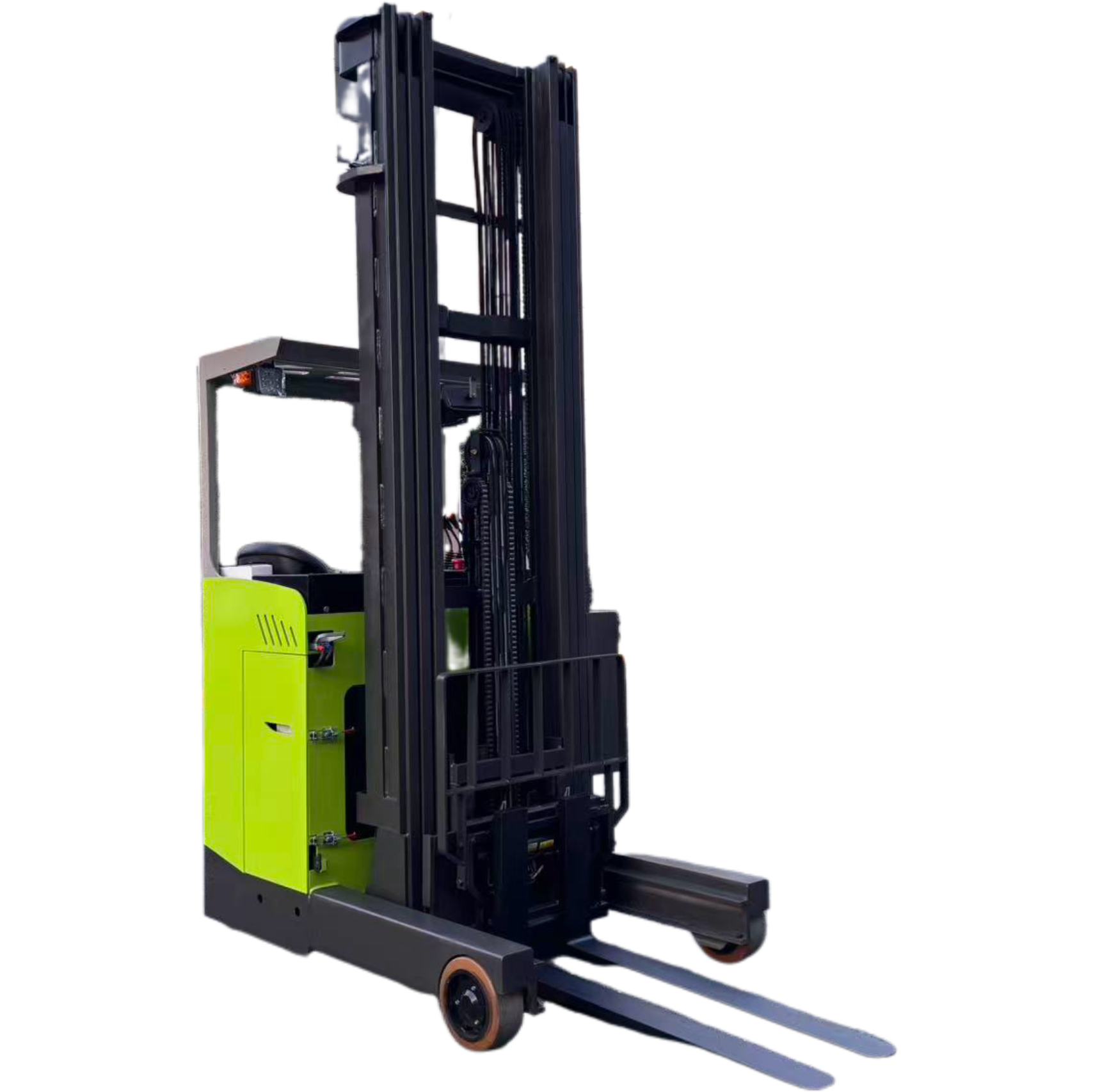
According to the forklift structure type, the frame can be divided into counterbalanced frame and reach frame: the frame of the counterbalanced forklift is equipped with a counterweight at the rear, which balances the cargo weight through counterweight and is suitable for heavy-load operations; the frame structure of the reach forklift is more compact, and the mast can move forward and backward, making it suitable for operations in narrow spaces.
2. Traveling System – Guarantee for Movement
The traveling system is composed of wheels, axles, and suspension devices, and is responsible for realizing the forward, backward, and steering of the forklift. The wheels of electric forklifts are usually made of polyurethane or rubber materials. Polyurethane wheels are wear-resistant and have strong load-bearing capacity, suitable for flat indoor floors; rubber wheels have better shock absorption, suitable for outdoor or uneven roads.
Axles are divided into drive axles and steering axles. The drive axle connects to the drive motor to provide power for the wheels, while the steering axle controls the steering angle of the wheels through the steering system. Some forklifts are also equipped with suspension devices, which can reduce bumps during driving and improve operational comfort.
3. Steering System – Core of Flexible Control
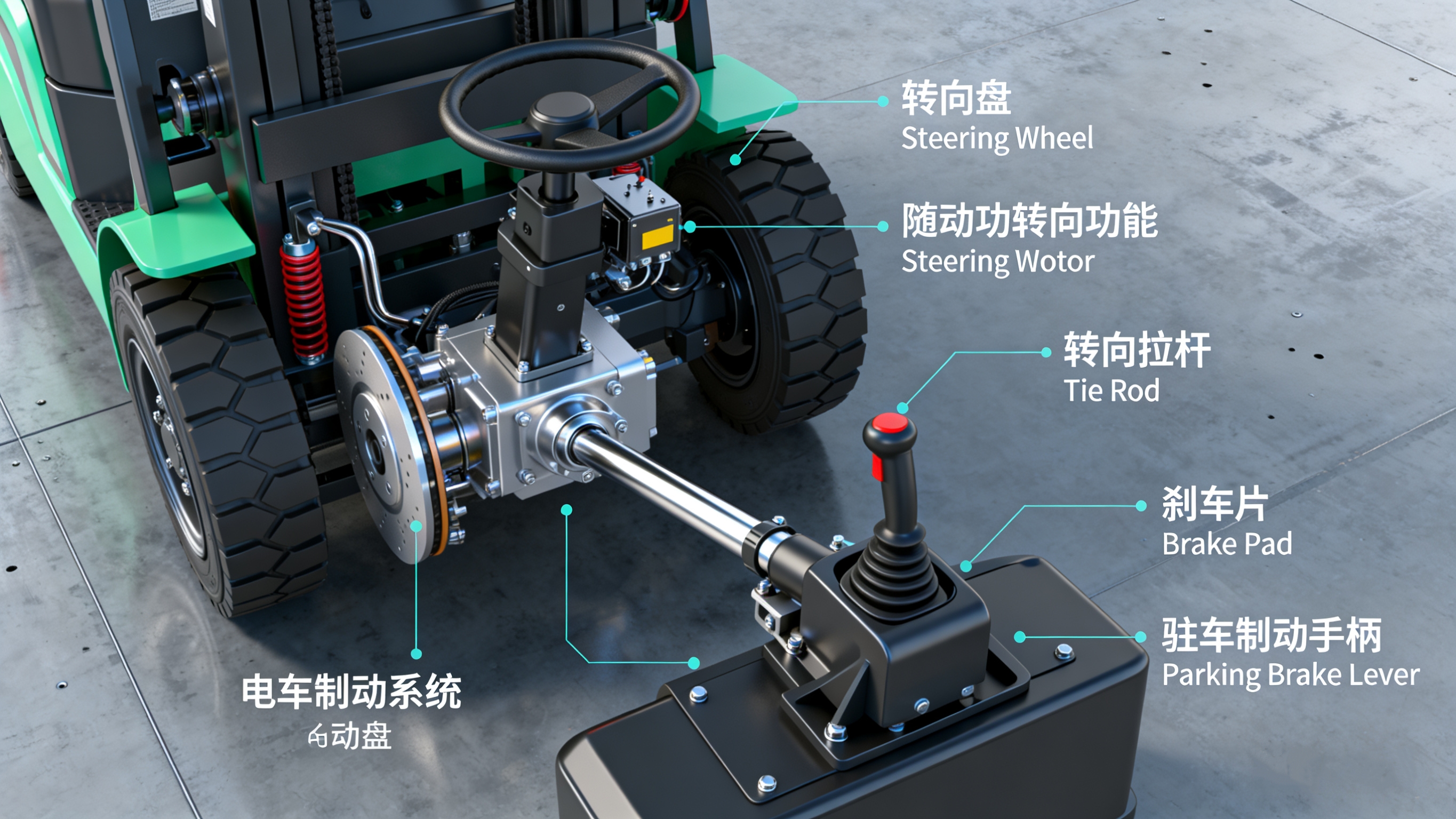
The steering system of electric forklifts mostly adopts hydraulic power or electric power assistance, which makes operation light and flexible, and can achieve a small turning radius even in narrow passages (the turning radius of some reach trucks can be less than 1.5 meters). The steering system is mainly composed of a steering wheel, a steering motor (or hydraulic pump), a steering tie rod and steering wheels. The operator controls the steering motor to drive the steering wheels to deflect by turning the steering wheel, so as to realize the steering of the forklift.
Modern electric forklifts are also generally equipped with the "follow-up steering" function, that is, when the forklift is reversing, the steering wheels can automatically adjust the angle to ensure the stable driving trajectory of the vehicle body and reduce the operation difficulty.
4. Braking System – Safety Line of Defense
The braking system is the key to ensuring the safety of forklift operations. The braking methods of electric forklifts mainly include service braking and parking braking. The service braking mostly adopts electromagnetic braking or hydraulic braking. When the operator releases the accelerator pedal, the braking system is automatically activated to realize "deceleration is braking", with fast response and stable braking; the parking braking is mechanical braking, which locks the wheels through the handbrake to prevent the forklift from sliding when parked.
In addition, some high-end electric forklifts are also equipped with the "emergency braking" function. When an emergency (such as misoperation by the operator) is detected, the system can automatically trigger emergency braking to minimize safety risks.
III. Working Device: The "Operating Arm" of Electric Forklifts
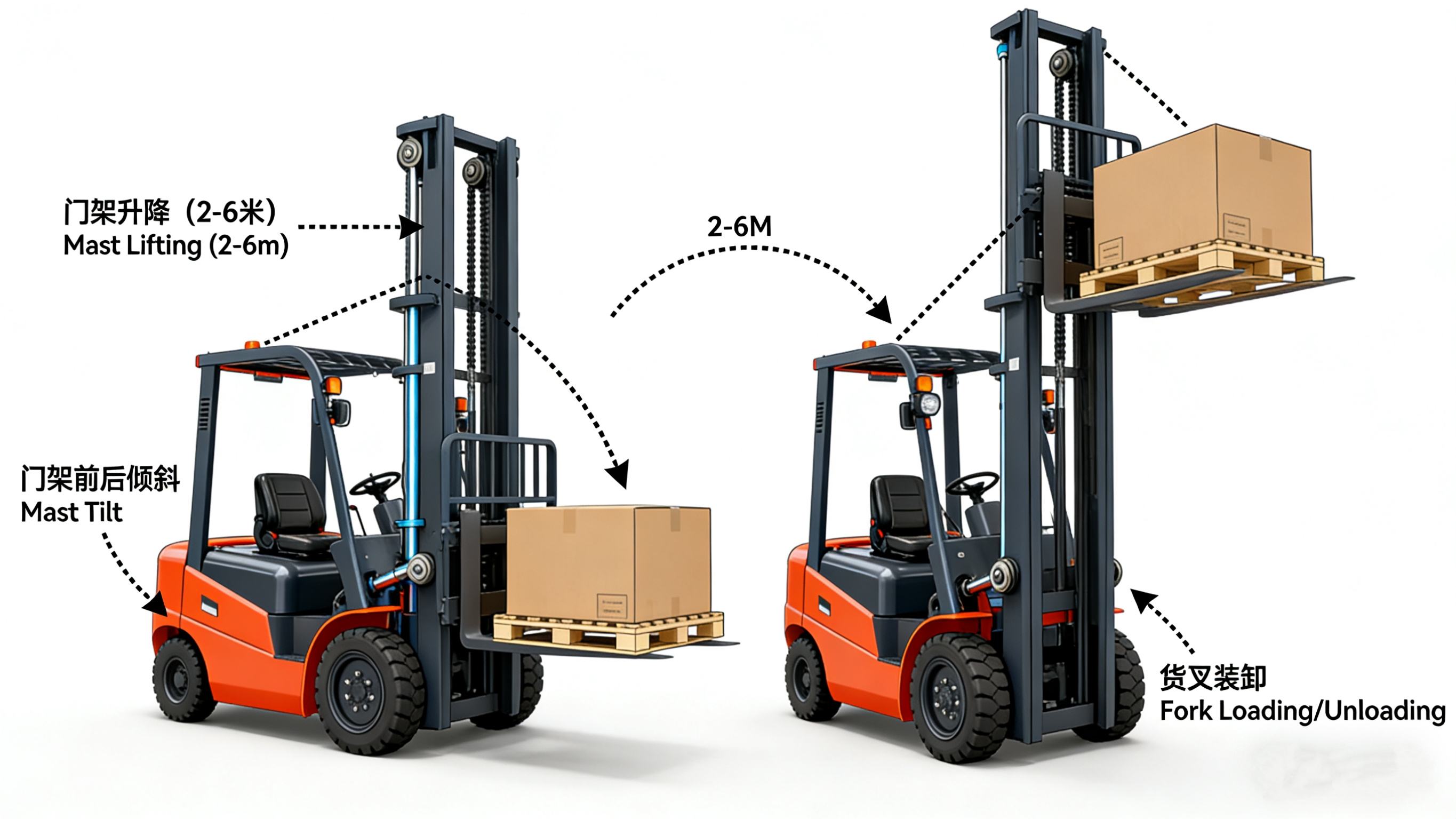
The working device is the core part of the electric forklift to realize the lifting and handling of goods, which is equivalent to the "arm" of the forklift. It is mainly composed of the mast, forks, lifting mechanism and hydraulic system, and can accurately complete the operations such as loading, unloading and stacking of goods.
1. Mast – Lifting Support Structure
The mast is the skeleton of the working device, which is used to support the weight of the forks and goods and realize the lifting of goods. The mast usually adopts a "multi-stage telescopic" structure, which is composed of an inner mast, an outer mast and guide rollers. The lifting mechanism drives the inner mast to slide up and down along the outer mast to realize the adjustment of the lifting height of the goods (the common lifting height is 2-6 meters, and the high-mast model can reach more than 12 meters).
The mast is made of high-strength alloy steel, and its surface is treated with wear resistance, which can withstand the impact of goods and long-term wear. Some forklifts are also equipped with a "tilt function", and the mast can tilt 3-5 degrees forward and backward, which is convenient for fitting the pallet when loading and unloading goods and preventing the goods from sliding down.
2. Forks – Cargo Bearing Components
Forks are components that directly contact goods, usually in an L-shaped structure. They are made of high-strength alloy steel and undergo quenching treatment, so they have good wear resistance and load-bearing capacity. The specifications of the forks need to be selected according to the size of the pallet. The common lengths are 1150mm and 1220mm, and the widths are 150mm and 180mm. Some models can also be equipped with adjustable forks to adapt to goods of different sizes.
The forks are connected to the mast through the fork carriage, which can move left and right along the mast, making it easy to adjust the distance between the forks to adapt to pallets of different widths.
3. Lifting Mechanism and Hydraulic System – Power Source for Lifting
The lifting mechanism is responsible for driving the mast and forks to lift. It is mainly composed of a lifting motor, a hydraulic pump, a hydraulic cylinder and hydraulic oil, and belongs to a hydraulic drive system. When the operator presses the lift button, the lift motor drives the hydraulic pump to work, pressurizes the hydraulic oil and delivers it to the hydraulic cylinder, pushes the piston rod of the hydraulic cylinder to extend, and drives the mast and forks to rise; when lowering, the hydraulic valve controls the return of the hydraulic oil to realize the stable lowering of the forks.
The performance of the hydraulic system directly affects the lifting speed and stability. High-quality hydraulic systems adopt high-precision hydraulic pumps and seals, which can effectively reduce hydraulic oil leakage and lower maintenance costs. At the same time, the system is also equipped with an "overload protection" function. When the weight of the goods exceeds the rated load of the forklift, the lifting mechanism automatically stops working to avoid mast deformation or goods falling.
IV. Control System: The "Human-Machine Interaction Hub" of Electric Forklifts
The control system is the core for the operator to control the forklift, responsible for realizing the input of various operation instructions of the forklift. It is mainly composed of operation handles, instrument panels and safety devices. The design focuses on "humanization" and "safety" to reduce the operation difficulty.
1. Operation Handle – Core of Command Input
The operation handle of the electric forklift integrates multiple functions such as driving, steering and lifting. The common types are "joystick type" and "steering wheel type". Small electric pallet forklifts mostly adopt the joystick design. The operator controls the forklift to move forward and backward by pushing the joystick, and controls the lifting of the forks by rotating the joystick, which is simple and intuitive to operate; counterbalanced forklifts adopt the steering wheel design, which is more in line with traditional driving habits, and is equipped with a separate lifting joystick.
The operation handle is usually equipped with shortcut keys such as emergency stop button and horn, which is convenient for the operator to quickly respond to emergencies.
2. Instrument Panel – Status Monitoring Window
The instrument panel is a window for the operator to understand the operation status of the forklift. It is usually a liquid crystal display, which displays real-time information such as battery voltage, remaining power, driving speed, lifting height and fault codes. The operator can quickly judge whether the forklift is in normal operation through the instrument panel. For example, when the battery power is too low, the instrument panel will issue an alarm prompt to remind timely charging.
The instrument panel of some high-end electric forklifts also supports the "intelligent networking" function, which can synchronize the forklift operation data to the background management system, facilitating enterprises to carry out remote monitoring and operation and maintenance management of the forklift.
3. Safety Devices – All-Round Protection
The safety devices of electric forklifts are important components to ensure the safety of operators and the operation environment, mainly including:
• Safety Belt: Prevents the operator from leaning forward when the forklift brakes suddenly, applicable to counterbalanced forklifts;
• Photoelectric Sensor: Automatically decelerates or stops when detecting people or obstacles around the forklift to avoid collisions;
• Limit Switch: Automatically cuts off the power when the forks are lifted to the highest or lowest position to prevent mechanical damage;
• Vision Assistance Device: Some models are equipped with cameras and reversing radars to expand the operator's field of vision and facilitate operations in narrow spaces.
V. Summary of Core Advantages of Electric Forklift Structure
Combined with the above structural analysis, we can clearly see the structural advantages of electric forklifts: the power system is environmentally friendly and efficient, with no exhaust emissions and noise pollution; the chassis system is stable and reliable, adapting to various operation scenarios; the working device is precise and flexible, improving operation efficiency; the control system is humanized, lowering the operation threshold. These structural characteristics jointly determine the irreplaceable position of electric forklifts in the fields of warehousing and logistics, e-commerce distribution, and manufacturing.
Whether you are an enterprise purchaser who is choosing electric forklifts or a technical personnel in charge of forklift operation and maintenance, understanding its structural composition can help you make more appropriate decisions. If you want to learn more about the detailed structural parameters of a certain type of electric forklift, or need to customize a forklift solution according to your own operation scenario, please feel free to contact us, and our professional team will provide you with one-on-one service.
Have you encountered any structure-related problems when using electric forklifts? Welcome to leave a message in the comment area to share, and we will discuss together!
Our manager will contact you shortly.
To contact you about our products and services.


Copyright © Xingtai Beiqiang Machinery Manufacturing Factory. 2025.
Technical support:Echola