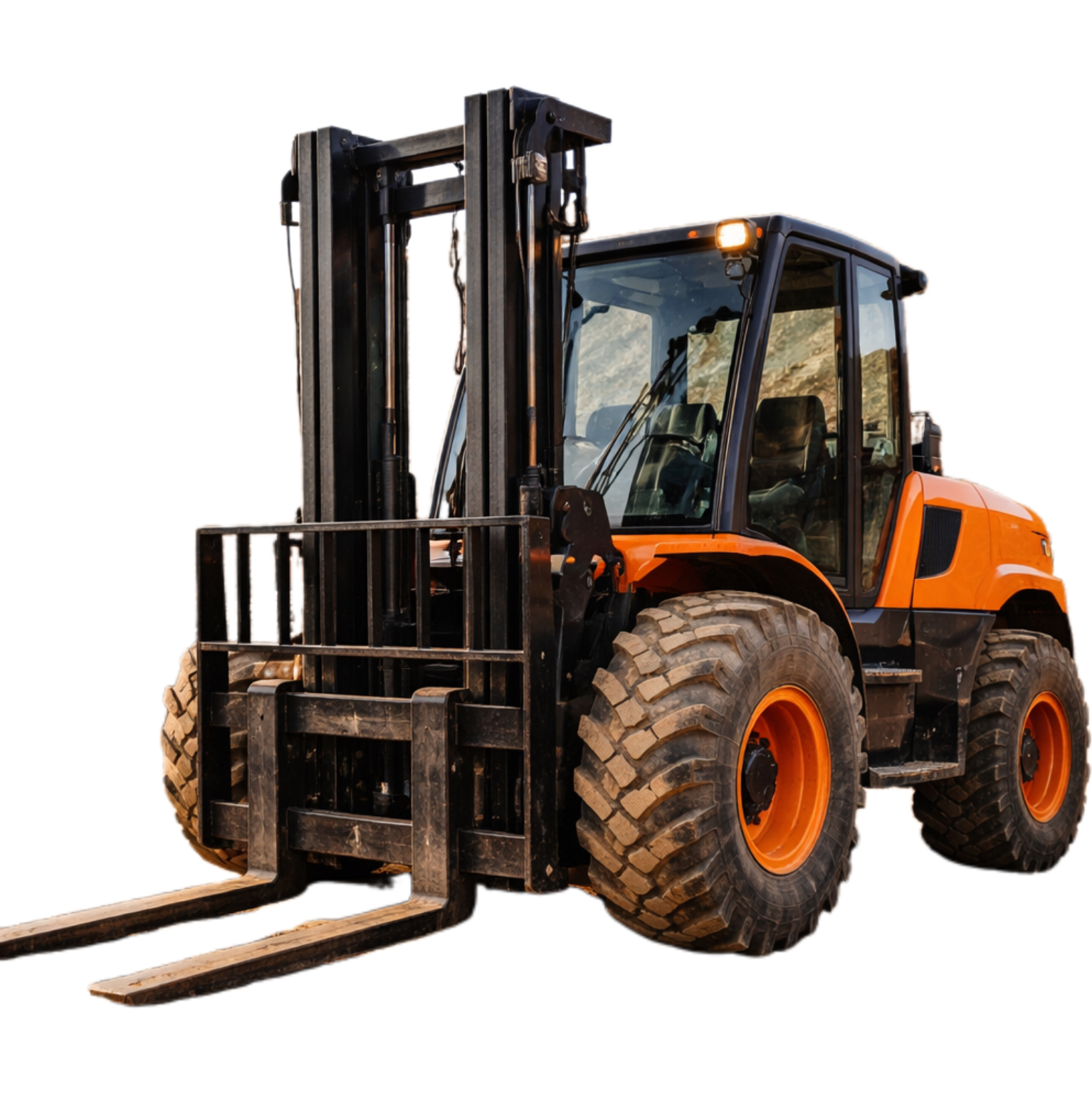


Diesel Forklift vs Electric Forklift: Which Is Best for Your Warehouse or Factory?
Choosing the right type of forklift can significantly impact your warehouse productivity, operating costs, safety, and environmental footprint. Among the most common choices are diesel forklifts and electric forklifts. Each has unique strengths and drawbacks depending on the work environment, budget, and daily usage.
In this guide, we compare diesel and electric forklifts across key performance factors to help you make a well-informed decision.
1. Power Source and Operating Environment
Diesel Forklifts
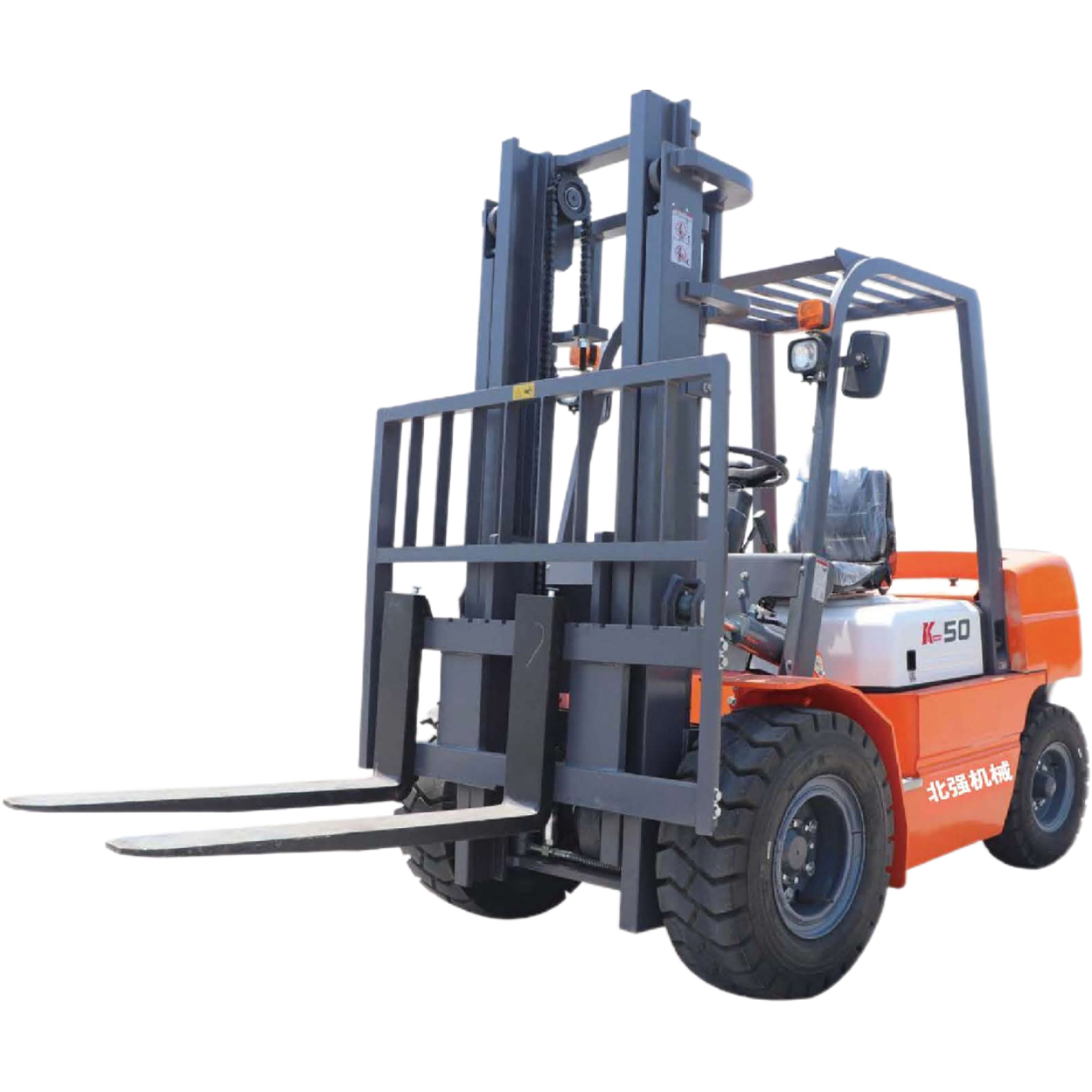
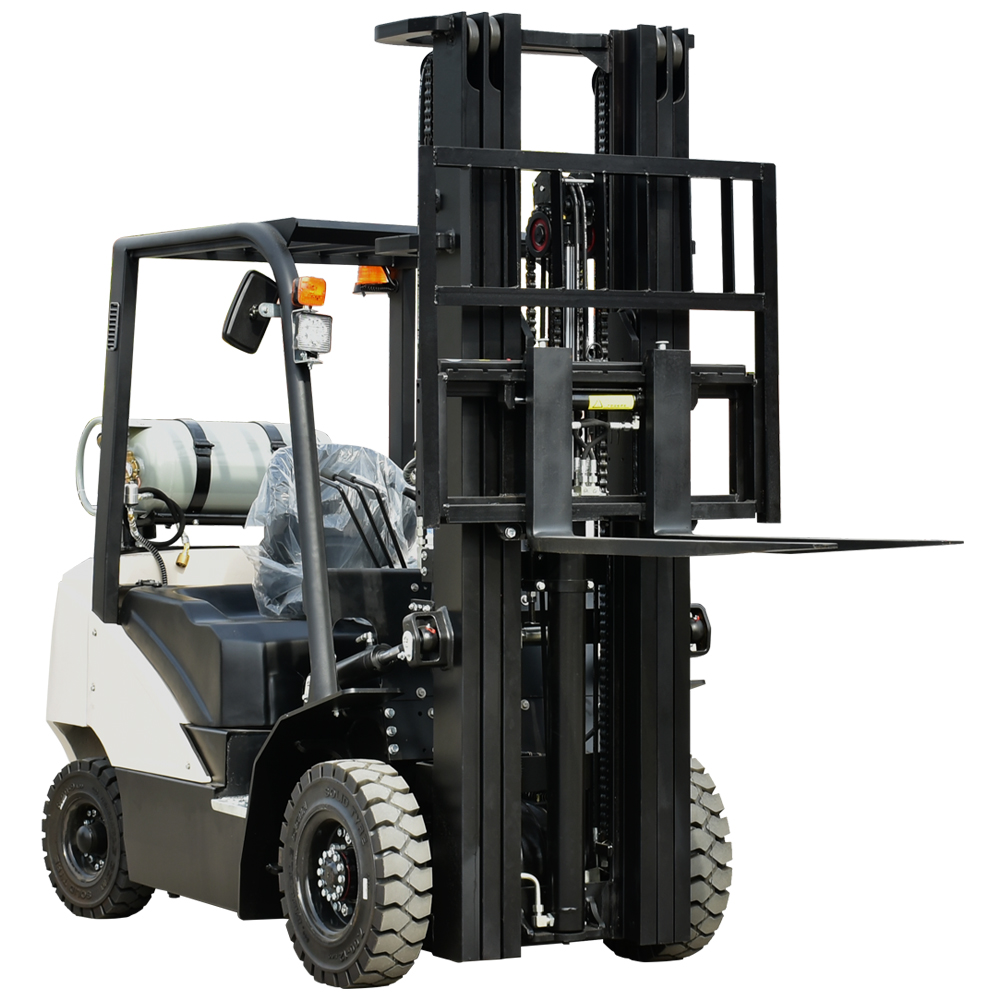
Diesel forklifts are powered by internal combustion engines (ICE) using diesel fuel. They deliver high torque and strong lifting capacity, making them suitable for heavy-duty tasks.
Best for:
Outdoor use
Rough terrain
Large industrial yards
Long running hours without frequent refueling interruptions
Electric Forklifts
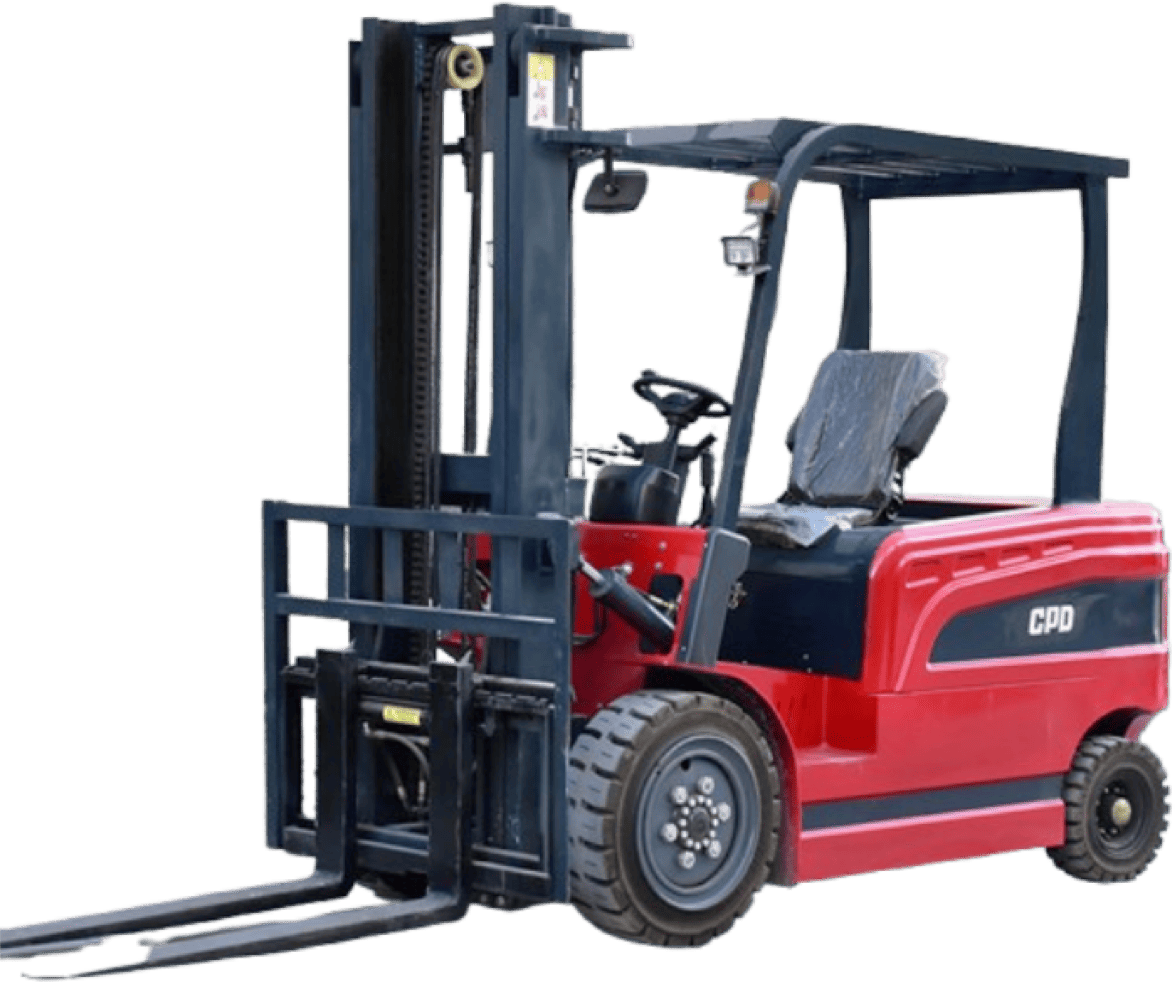
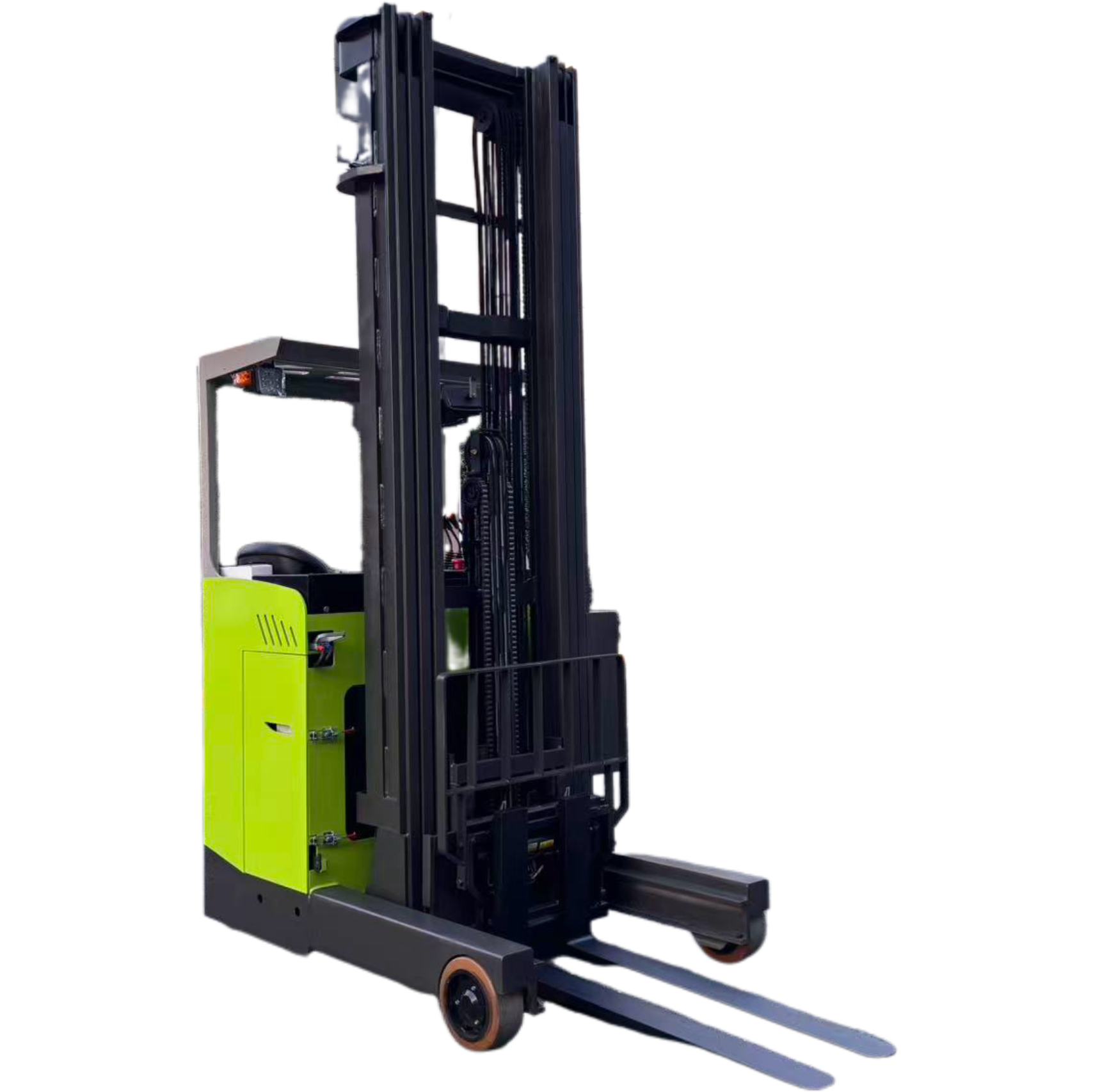
Electric forklifts run on rechargeable batteries (lead-acid or lithium‑ion). They offer quiet operations and zero emissions at the point of use.
Best for:
Indoor warehouses
Clean environments (e.g., food, electronics)
Areas with strict emission rules
2. Performance & Power Output
Diesel Forklifts
✔ Higher torque for heavy loads
✔ Faster acceleration on uneven surfaces
✔ Performs well in open yards and outdoor applications
Electric Forklifts
✔ Instant torque for smooth starts
✔ Excellent performance on level indoor floors
✔ Can be more efficient in stop-and-go warehouse workflows
Verdict:
Diesel excels in outdoor heavy-duty tasks, while electric is highly efficient and responsive indoors.
3. Operating Cost Comparison
Fuel vs Electricity
Diesel Forklifts: Higher fuel costs due to diesel prices, frequent refueling.
Electric Forklifts: Lower energy cost per hour; cost savings accumulate with regular use.
Maintenance Costs
Diesel engines have:
More moving parts
Oil changes
Fuel system maintenance
Exhaust system care
Electric forklifts require:
Battery care and charging infrastructure
Occasional motor and controller checks
→ Electric forklifts generally offer lower long-term operating costs due to fewer mechanical components and simpler maintenance needs.
4. Environmental Impact & Emissions
Diesel Forklifts
❌ Emit carbon dioxide (CO₂), nitrogen oxides (NOₓ), particulate matter
❌ Noisy operation
Electric Forklifts
✔ Zero onsite emissions
✔ Quiet performance
✔ Better for indoor air quality and worker comfort
If your facility has strict environmental policies, electric forklifts will usually be the preferred option.
5. Maintenance Requirements
Diesel Forklift Maintenance
Oil and filter changes
Fuel injector system checks
Cooling system service
Periodic transmission servicing
Electric Forklift Maintenance
Battery charging and watering (if lead‑acid)
Battery equalization
Regular inspection of electric motors and controllers
Fewer routine mechanical services
Electric forklifts tend to have lower maintenance complexity and frequency.
6. Lifespan & Durability
Diesel forklifts are built ruggedly for tough environments and often last long under heavy loads.
Electric forklifts, with proper battery care, can also have long service lives, especially in controlled indoor conditions.
Key Consideration:
Battery wear (lead‑acid or lithium) and charging practices greatly influence electric forklift lifespan.
7. Safety & Operator Comfort
Electric Forklifts
✔ Lower noise levels → less operator fatigue
✔ Zero exhaust makes indoor use safer
✔ Smoother acceleration and control
Diesel Forklifts
✔ Strong performance outdoors
❌ Engine noise and exhaust can affect comfort
For environments focused on operator health and indoor safety, electric options are usually better.
8. Cost Summary (CAPEX & OPEX)
| Category | Diesel Forklifts | Electric Forklifts |
|---|---|---|
| Initial Cost (CAPEX) | Usually lower | Higher (battery cost) |
| Fuel/Energy Cost | Higher | Lower |
| Maintenance Cost | Higher | Lower |
| Lifespan | Long (tough conditions) | Long (with good battery care) |
| Environment & Safety | Less favorable indoors | Excellent |
| Ideal Use | Outdoor, heavy loads | Indoor, clean environments |
9. Choosing What’s Right for Your Facility
🟢 Choose Diesel If:
You operate mostly outdoors
Work with heavy or bulky loads
Terrain is rough or uneven
You need strong torque for extended use
🔵 Choose Electric If:
Your operations are indoor or mixed
Environmental compliance is required
You want lower operating costs
Noise reduction and cleaner workplaces are priorities
Conclusion
Both diesel and electric forklifts have valuable roles in modern material handling.
The best choice depends on your warehouse size, workload, environment, budget, and long‑term operational goals.
Electric forklifts shine in indoor, eco‑focused, and cost‑efficient environments.
Diesel forklifts remain a strong choice for outdoor, heavy‑duty, high‑output applications.
Our manager will contact you shortly.
To contact you about our products and services.


Copyright © Xingtai Beiqiang Machinery Manufacturing Factory. 2025.
Technical support:Echola