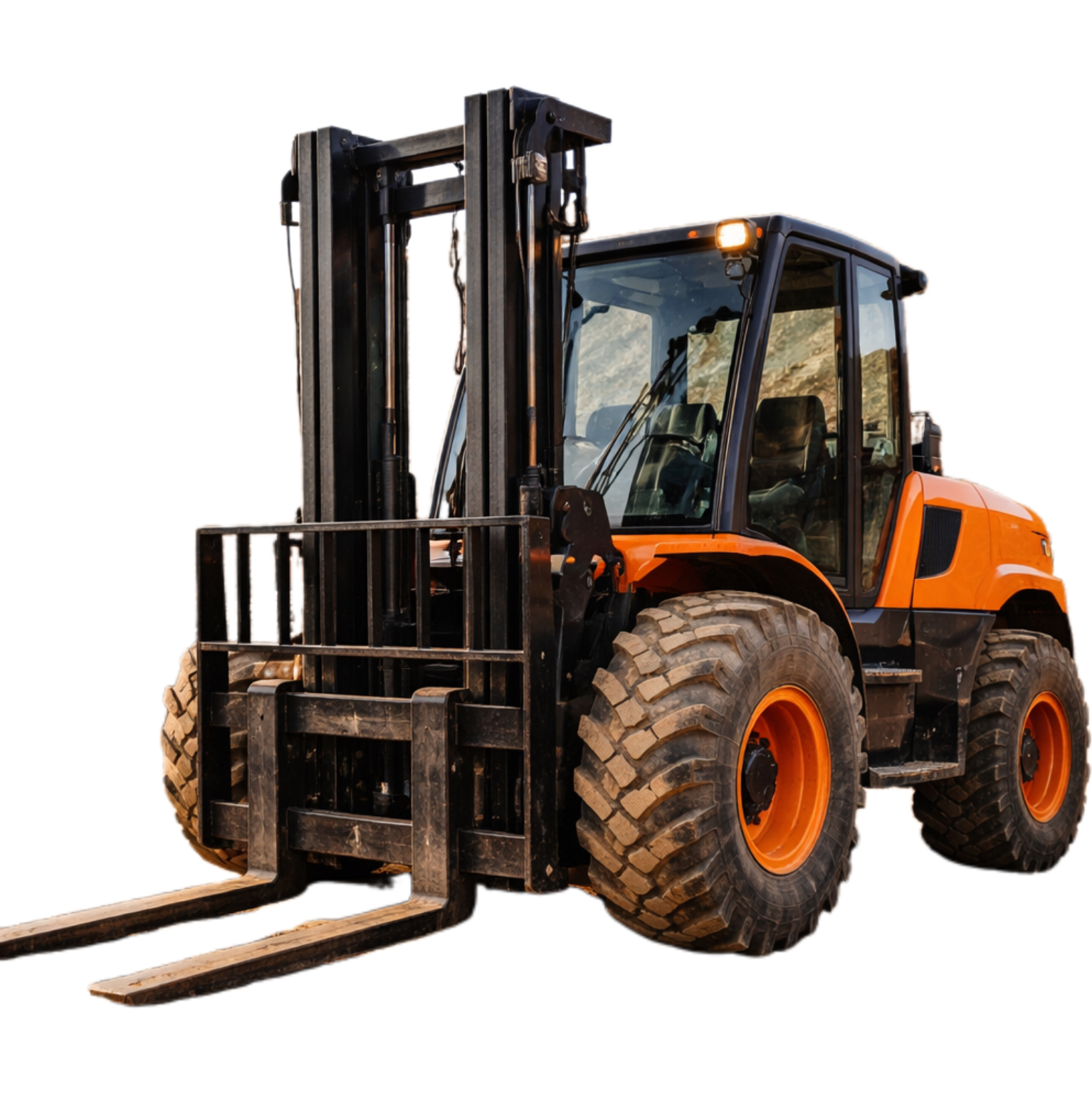


How to Choose the Right Forklift for Your Factory
Selecting the right forklift is an essential decision for factories and manufacturing facilities. The right equipment can increase productivity, reduce labor costs, and improve workplace safety. The wrong choice, however, may lead to frequent repairs, unsafe operations, and inefficiency.
This guide explains key factors to consider when choosing the best forklift for your factory environment.
1. Identify Your Material Handling Needs
Before choosing any forklift, evaluate your factory’s actual workload.
Key questions include:
What is the maximum load weight the forklift needs to lift?
What type of materials or pallets are being transported?
How many hours per day will the forklift operate?
Do you need indoor, outdoor, or mixed-use equipment?
Are loads heavy, bulky, fragile, or irregular in shape?
A forklift must match the factory’s operation scale and material characteristics.
2. Determine the Required Load Capacity
Forklifts are available in a wide range of load capacities, from 1 ton to over 10 tons.
Common capacity guidelines:
Light loads & small warehouses: 1–2.5 tons
Standard manufacturing operations: 2.5–3.5 tons
Heavy industries (steel, machining): 5 tons+
Choosing a forklift with insufficient capacity is one of the most common purchasing mistakes and can cause dangerous instability.
3. Choose the Proper Lift Height and Mast Type
Factories often have unique height requirements, such as racks, mezzanines, or container loading.
Consider:
Maximum height of storage racks
Doorway and ceiling height limits
Loading/unloading from trucks or containers
Mast types include:
Duplex Mast (two stages): Good for standard indoor use
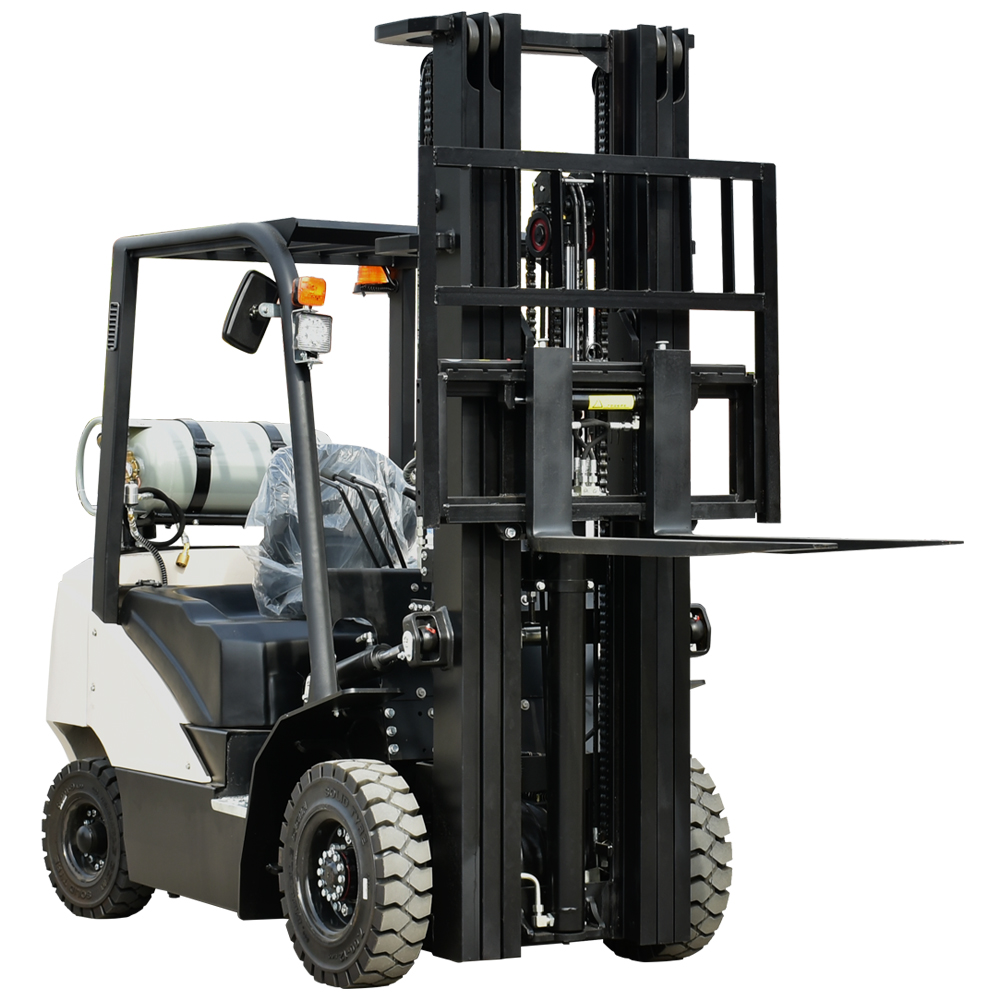
Triplex Mast (three stages): Ideal for higher stacking and limited ceiling space
Full Free Lift Mast: Suitable for operations requiring lifting without mast extension
Selecting the correct mast ensures efficiency and prevents workplace obstructions.
4. Decide Between Electric, Diesel, or LPG Forklifts
Different forklifts fit different factory environments.
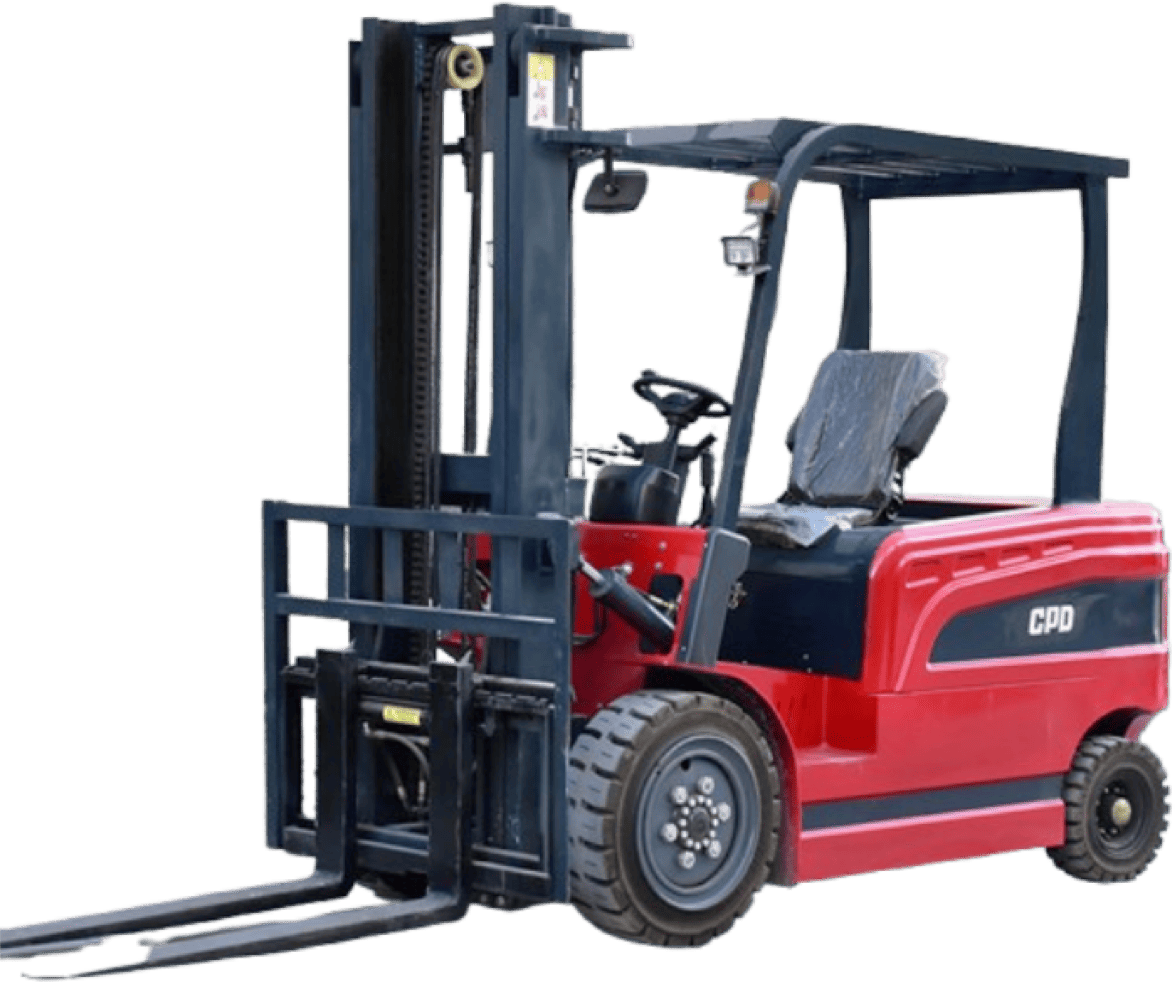
Electric Forklifts
Best for:
Indoor use
Food, pharmaceutical, or clean environments
Low noise and zero emissions
Advantages: quiet, eco-friendly, low maintenance
Disadvantages: dependent on battery charging
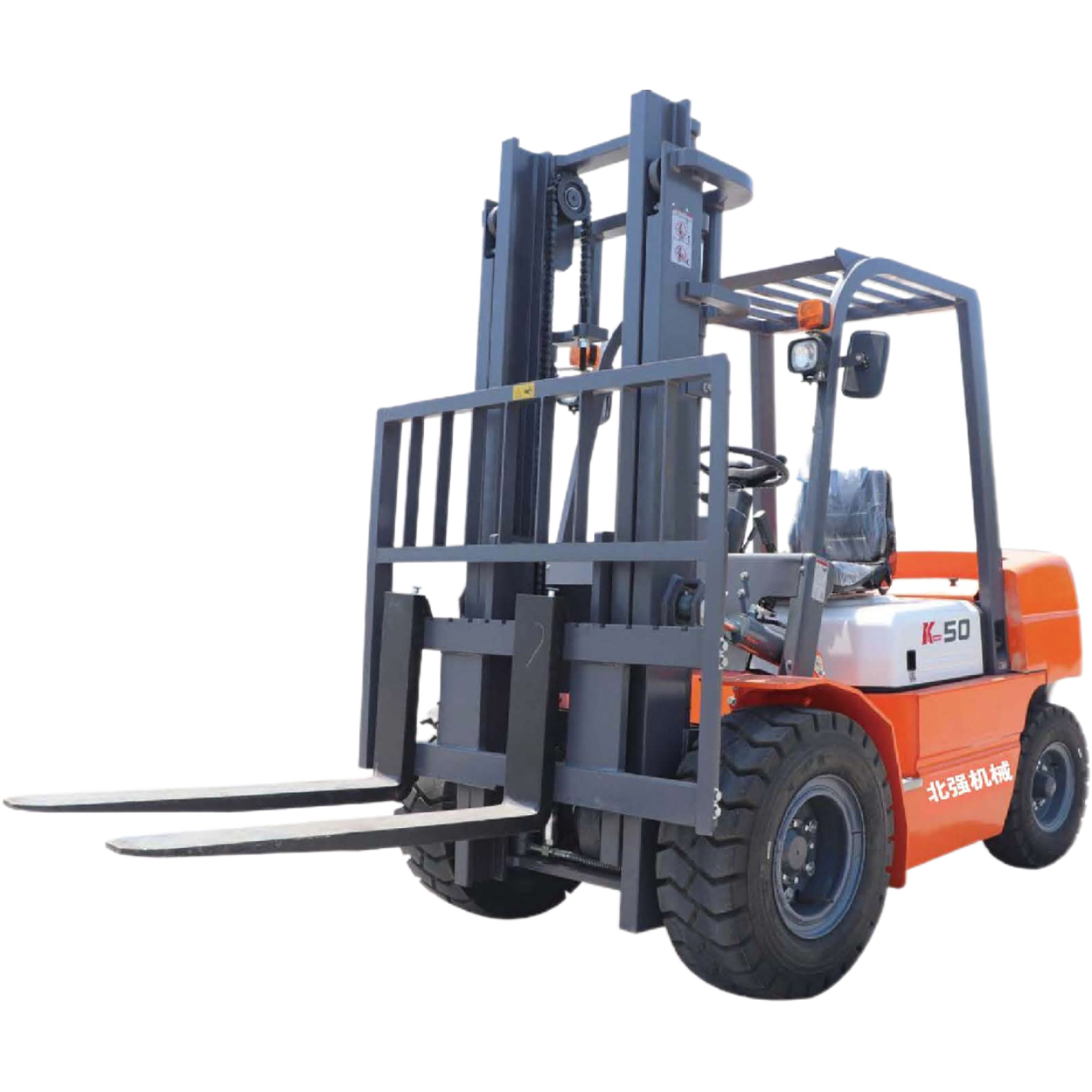
Diesel Forklifts
Best for:
Outdoor or heavy-load applications
Factories with large work areas
Advantages: strong power, long operation times
Disadvantages: noise, emissions, not suitable for enclosed spaces
LPG Forklifts
Balanced choice:
Indoor/outdoor mixed environments
Lower emissions than diesel, more power than electric
Choosing the right power type significantly impacts operating cost and environmental compliance.
5. Select the Right Tires for Your Environment
Forklift tires affect stability, safety, and performance.
Pneumatic Tires (Air-filled)
Ideal for outdoor, uneven, or rough surfaces
Better shock absorption
Solid Tires
Best for indoor, smooth floors
Longer lifespan, puncture-resistant
Non-Marking Tires
For clean environments (food, pharma, electronics)
Leaves no tire marks
Factories must match tire types to their working surfaces to ensure safe movement.
6. Evaluate Maneuverability and Space Limitations
If your factory has:
Narrow aisles
Tight corners
Heavy traffic flow
Then consider:
Three-wheel electric forklifts
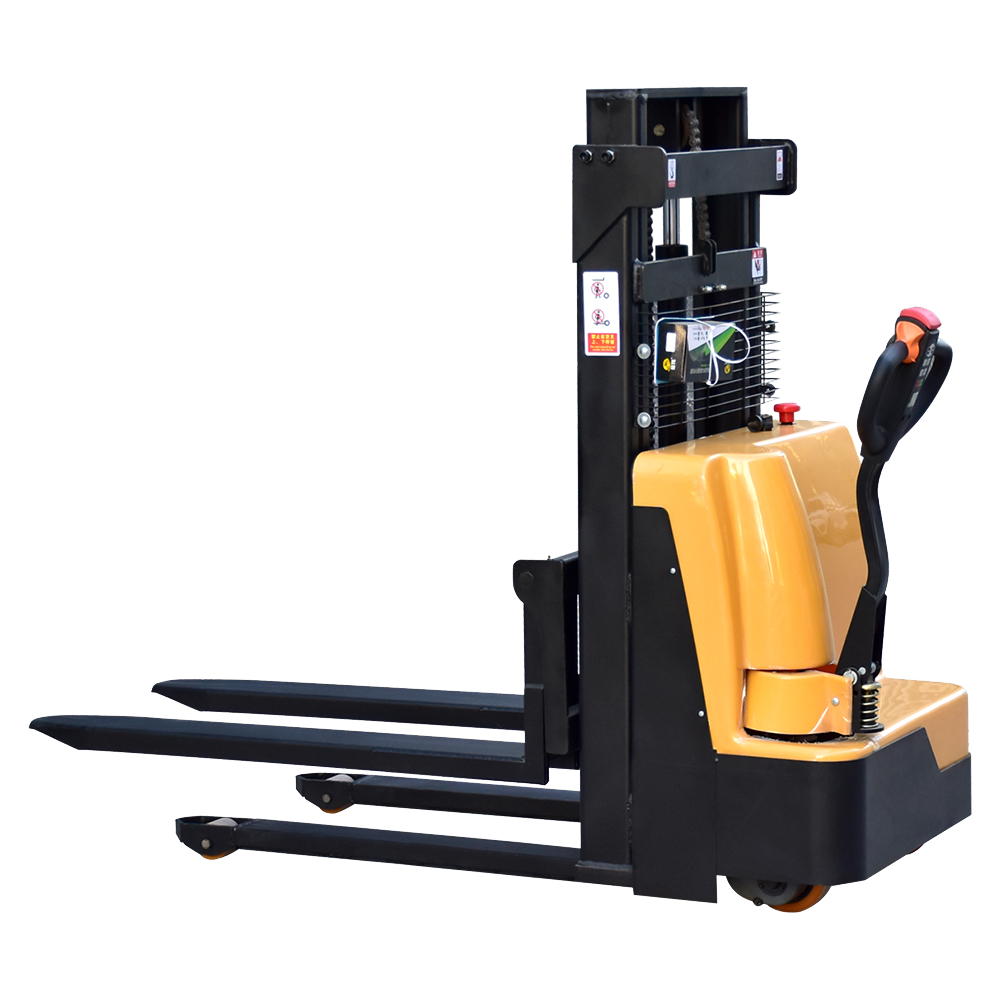
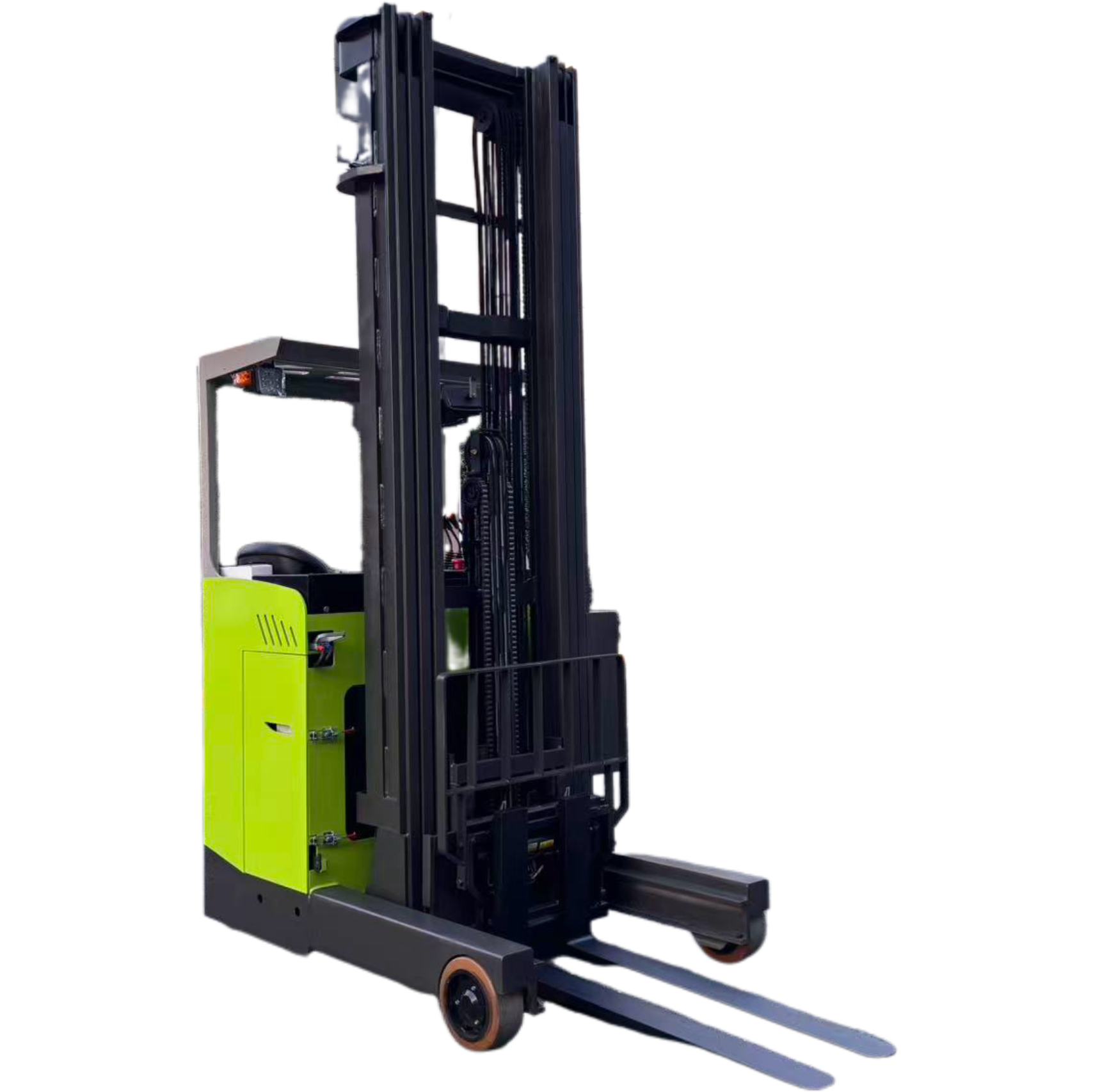
Reach trucks
Narrow aisle forklifts (VNA)
These machines are designed to maximize efficiency in limited spaces.
7. Consider Energy Efficiency and Long-Term Costs
When choosing a forklift, factor in:
Fuel or electricity consumption
Maintenance costs
Battery replacement cycles
Spare parts availability
Electric forklifts are often cheaper to operate long-term, while diesel forks offer strong performance but higher operating costs.
8. Safety Features and Operator Comfort
Modern forklifts include advanced safety features, such as:
Automatic speed reduction
Load stability management
Rear-view cameras
Ergonomic seats and controls
LED warning lights
Comfortable and safe forklifts help reduce operator fatigue and workplace accidents.
9. Assess Brand, Reliability, and After-Sales Support
Choosing a reliable brand with local support is crucial.
Consider:
Availability of replacement parts
Response speed of service technicians
Warranty terms
Brand reputation in industrial markets
A good forklift supplier can help reduce downtime and maximize asset lifespan.
Conclusion
Choosing the right forklift for your factory involves evaluating load requirements, environment, height constraints, power type, safety needs, and long-term costs. By carefully considering these factors, factories can improve workflow efficiency, enhance safety, and reduce operational expenses.
Our manager will contact you shortly.
To contact you about our products and services.


Copyright © Xingtai Beiqiang Machinery Manufacturing Factory. 2025.
Technical support:Echola