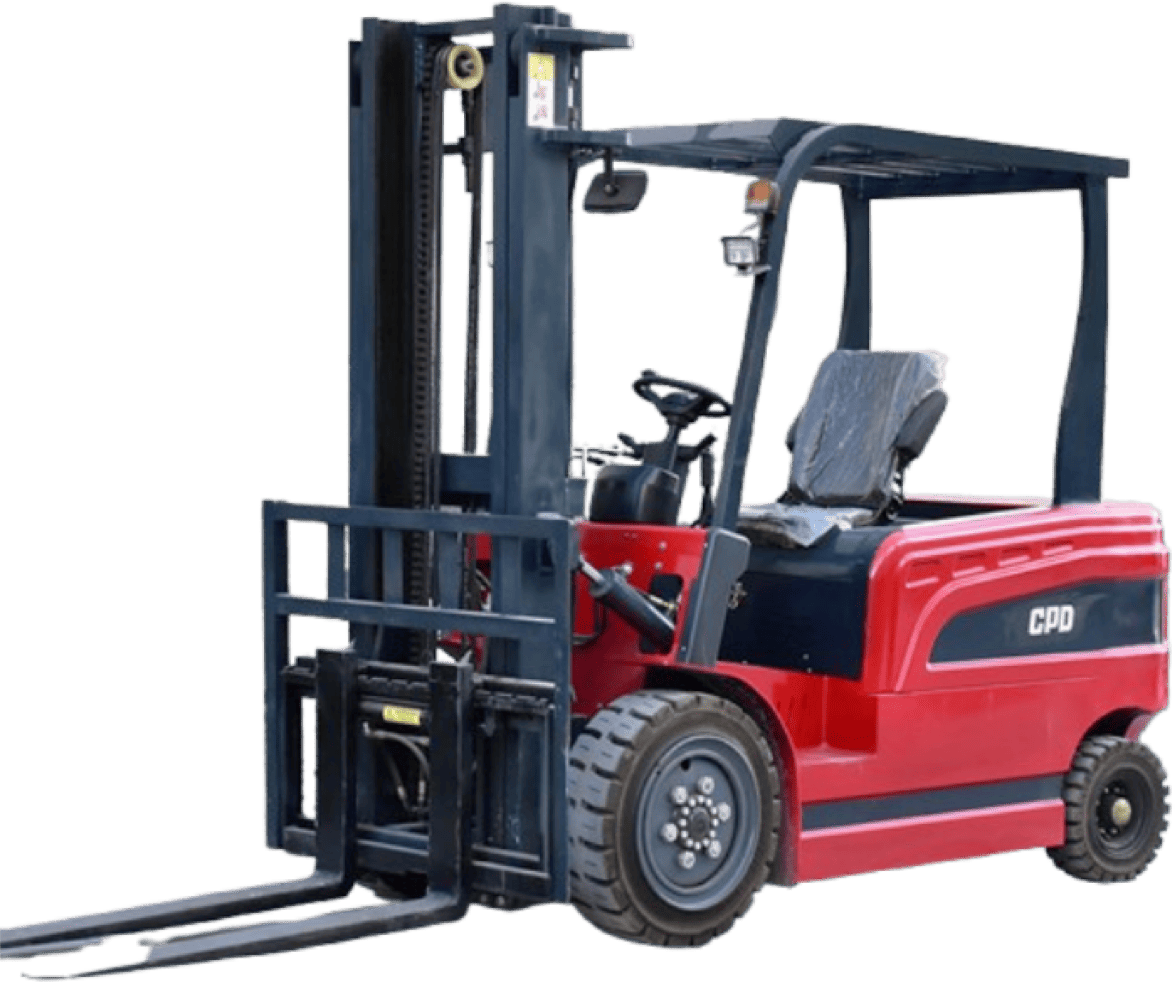
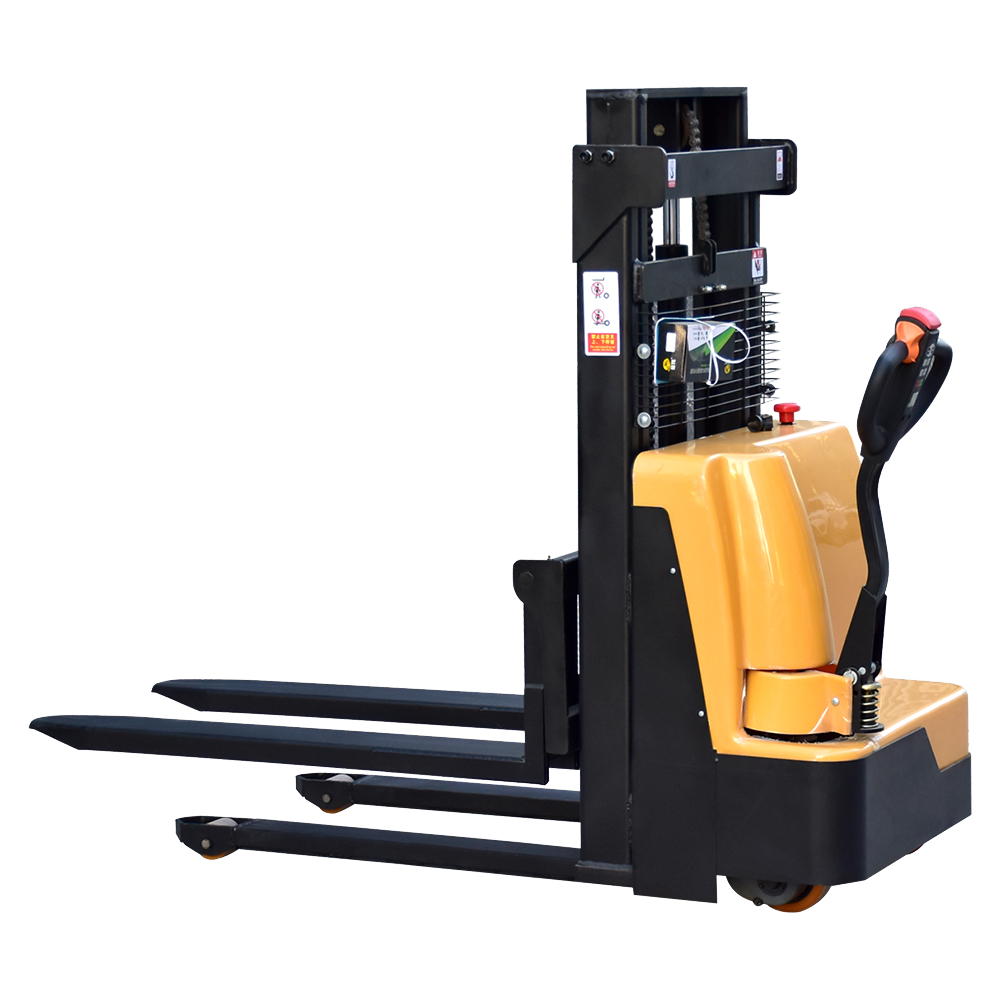
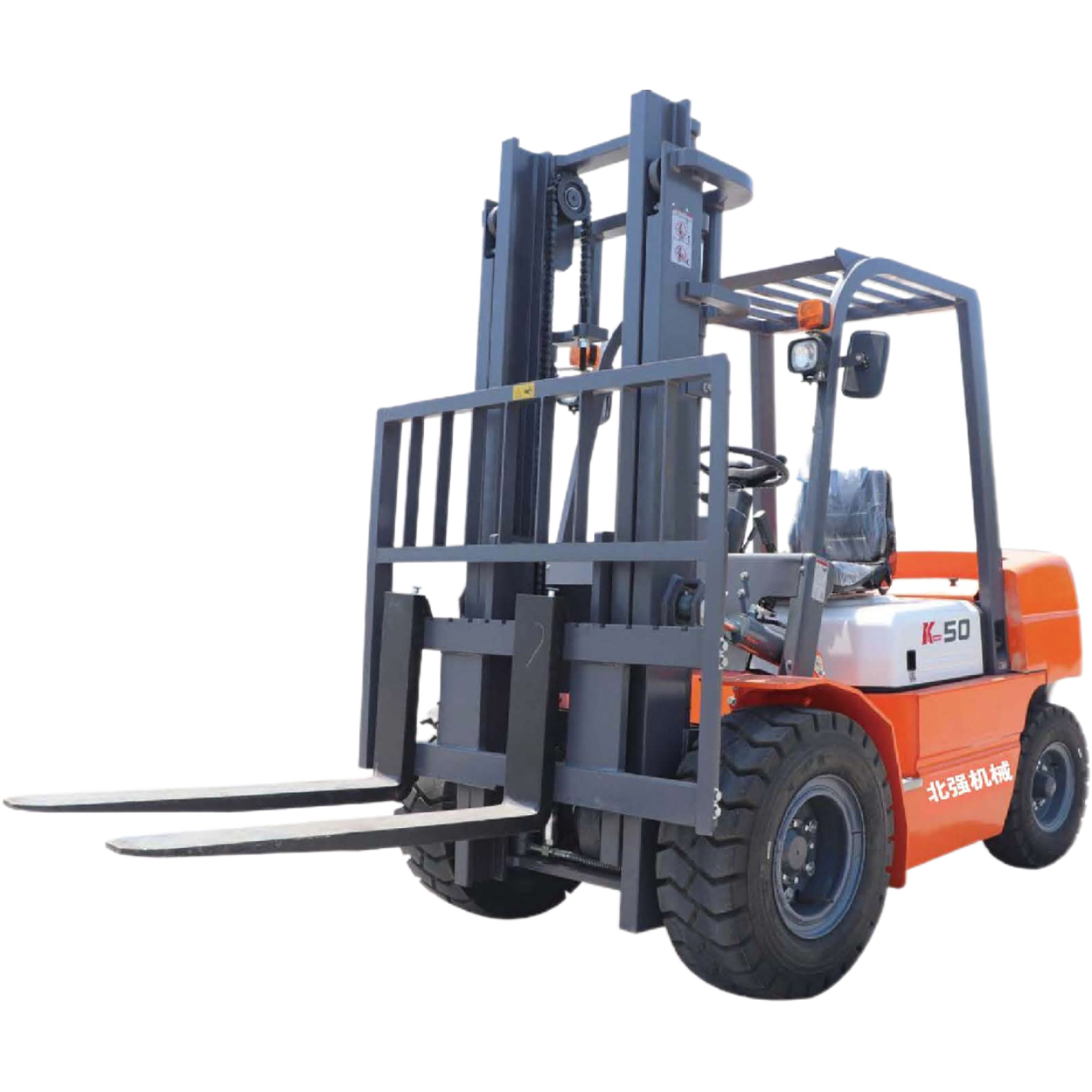
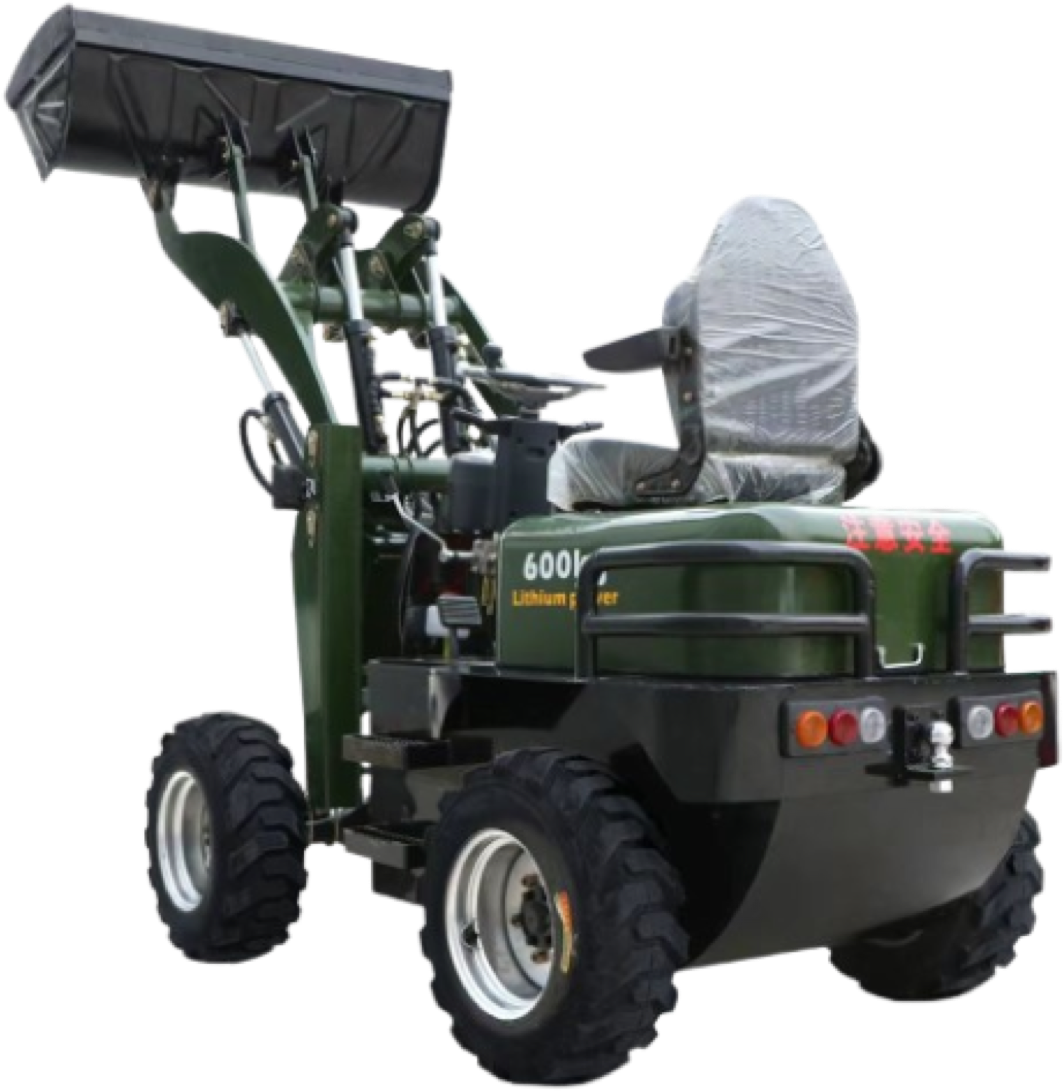
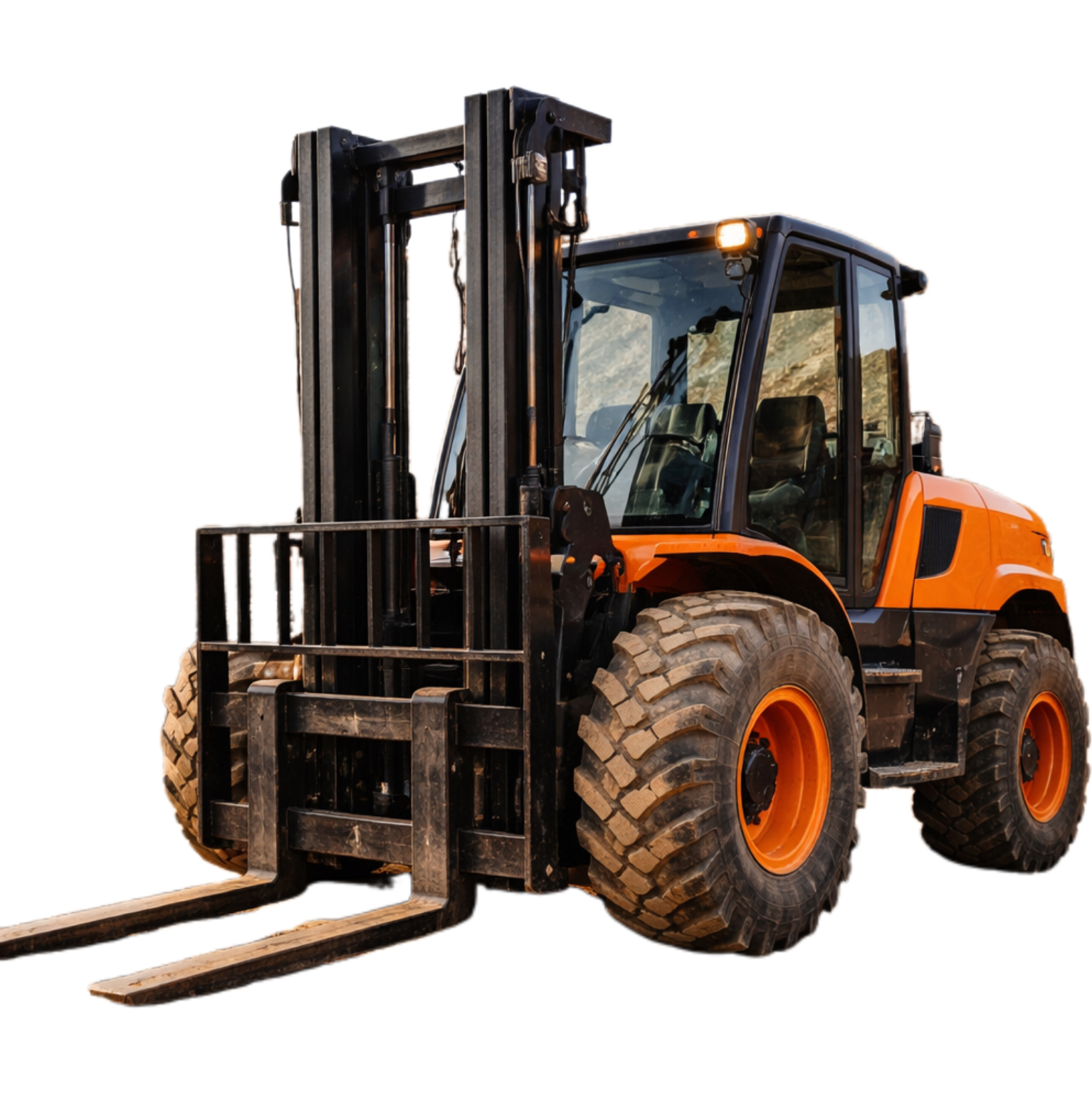


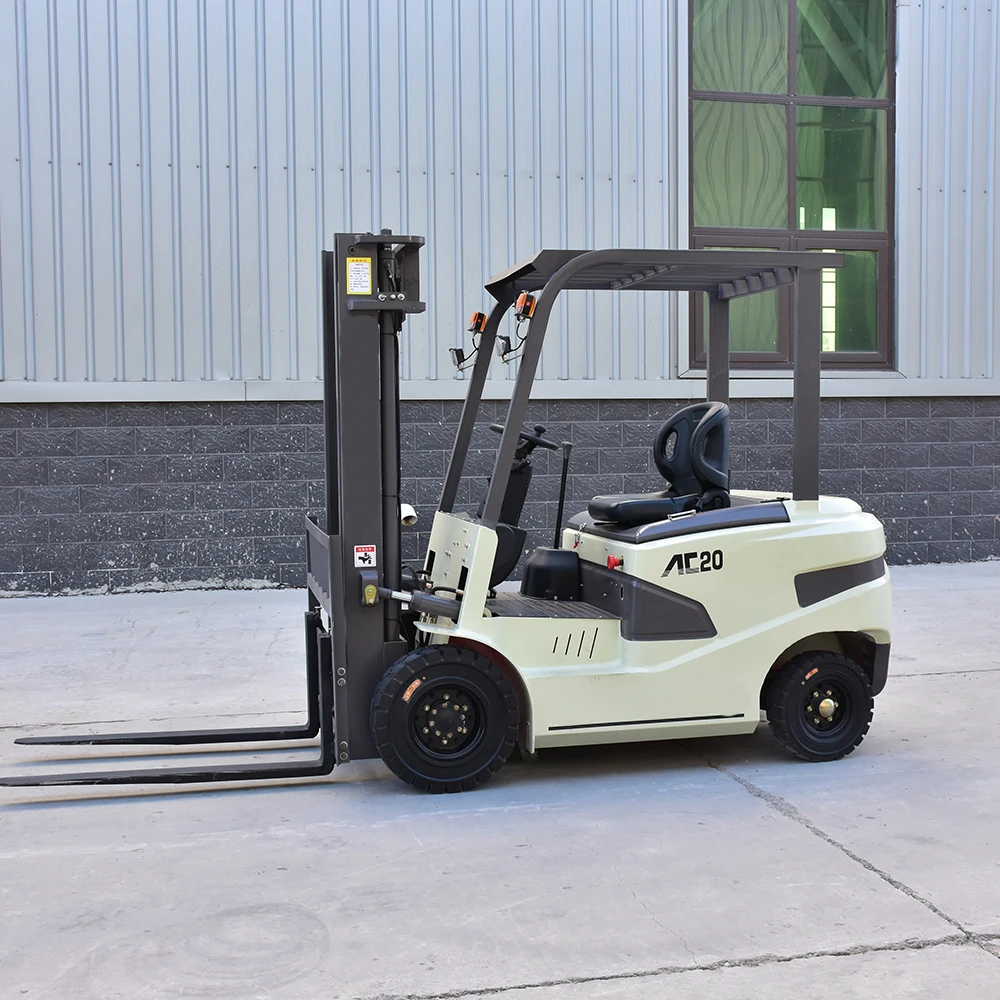
Electric forklifts are efficient, environmentally friendly material handling solutions widely used in warehouses, factories, and distribution centers. They are powered by an electric motor and large industrial batteries (either lead-acid or lithium-ion) instead of internal combustion (IC) engines, offering numerous advantages over their diesel or gas-powered counterparts.
Types of Electric Forklifts
Electric forklifts come in various designs to suit specific operational needs:
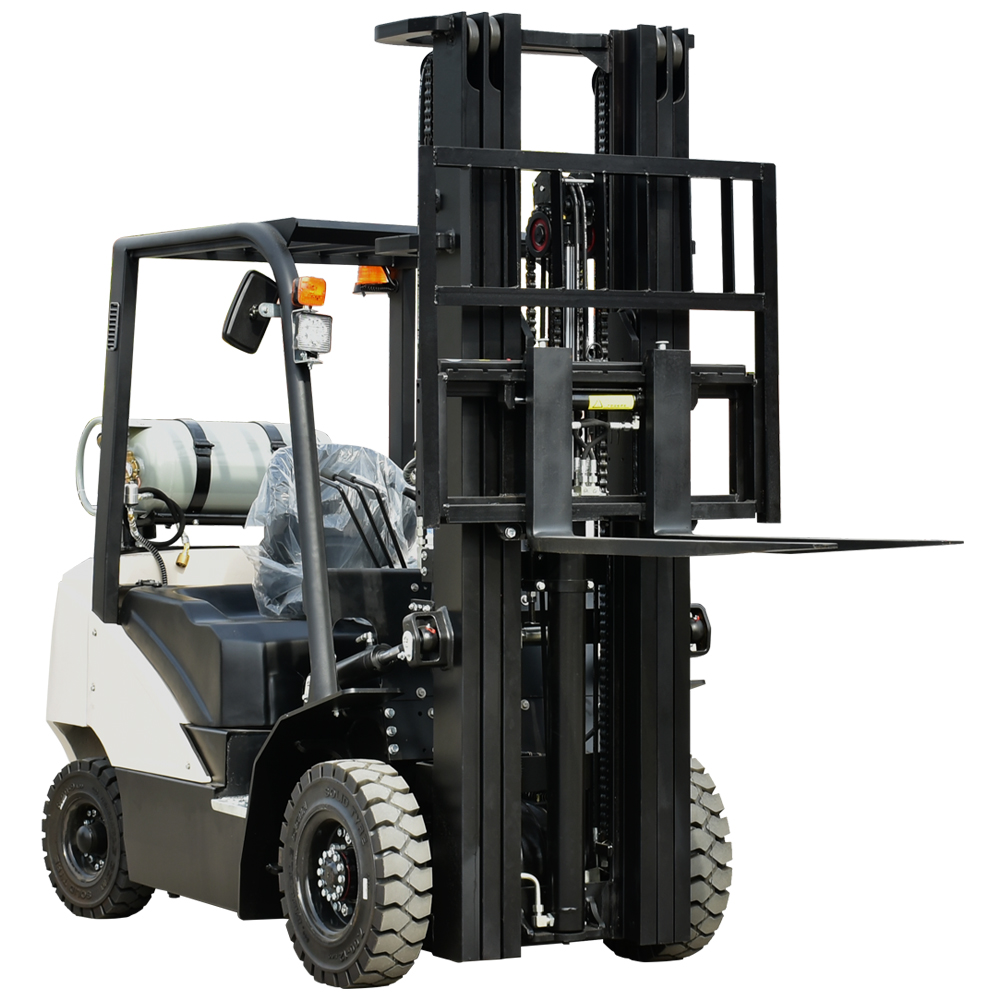
Electric Motor Rider Trucks (Class I): These are the general-purpose, counterbalanced forklifts, commonly used for indoor loading, unloading, and stacking. They are typically available in three- or four-wheeled configurations.
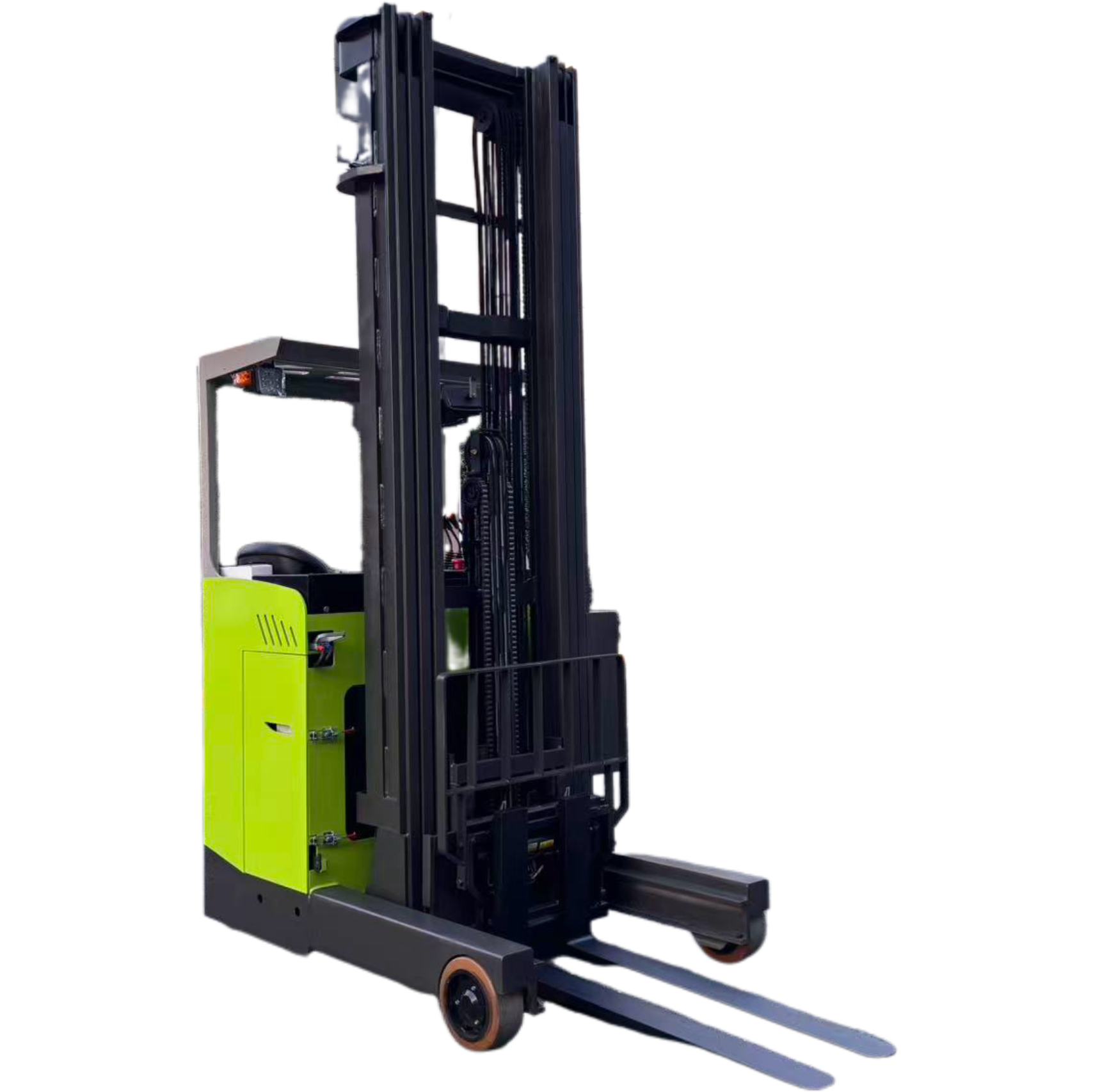
Electric Motor Narrow Aisle Trucks (Class II): Designed for maximum efficiency in tight spaces, these include reach trucks and order pickers, allowing operation in very narrow aisles and high lifting applications.
Electric Motor Hand Trucks/Hand Rider Trucks (Class III): This class includes electric pallet jacks and stackers, primarily used for horizontal movement of palletized loads over short distances.
Key Advantages of Electric Forklifts
The switch to electric forklifts is driven by a combination of operational efficiency, cost savings, and environmental benefits.
1. Zero Emissions and Eco-Friendliness
One of the primary benefits is their zero operational emissions. This makes them safe for use in enclosed indoor environments like food processing facilities, pharmaceutical warehouses, and general storage areas where air quality is a concern. By producing no harmful gases, businesses can improve employee health and reduce their carbon footprint.
2. Lower Operating and Maintenance Costs
While the initial purchase price might be higher, electric forklifts are significantly cheaper to operate over their lifespan.
Reduced Maintenance: They have fewer moving parts than IC models, meaning less mechanical wear and tear, and they do not require engine oil changes, coolants, or filter replacements. This leads to longer maintenance intervals and less downtime.
Lower Energy Costs: Electricity is generally less expensive per hour of operation compared to fossil fuels like diesel or LPG.
3. Enhanced Workplace Environment and Safety
Electric forklifts contribute to a safer and more comfortable working environment.
Quiet Operation: They run much more quietly than combustion engines, which reduces noise pollution and operator fatigue. A quieter environment makes it easier for workers to communicate and hear warning signals.
Improved Maneuverability: Electric models often feature a more compact design and a smaller turning radius, allowing them to navigate narrow aisles and tight spaces more effectively, which reduces the risk of accidents or damage to goods.
4. Consistent Performance and Efficiency
Modern electric forklifts offer powerful, smooth acceleration and precise control. The technology in batteries and motors continues to improve, offering longer runtimes—some advanced lithium-ion systems can operate for two shifts on a single charge.
In summary, electric forklifts are a versatile, cost-effective, and sustainable choice for modern material handling operations, offering a strong return on investment through improved efficiency and lower total cost of ownership (TCO).
Our manager will contact you shortly.
To contact you about our products and services.


Copyright © Xingtai Beiqiang Machinery Manufacturing Factory. 2025.
Technical support:Echola