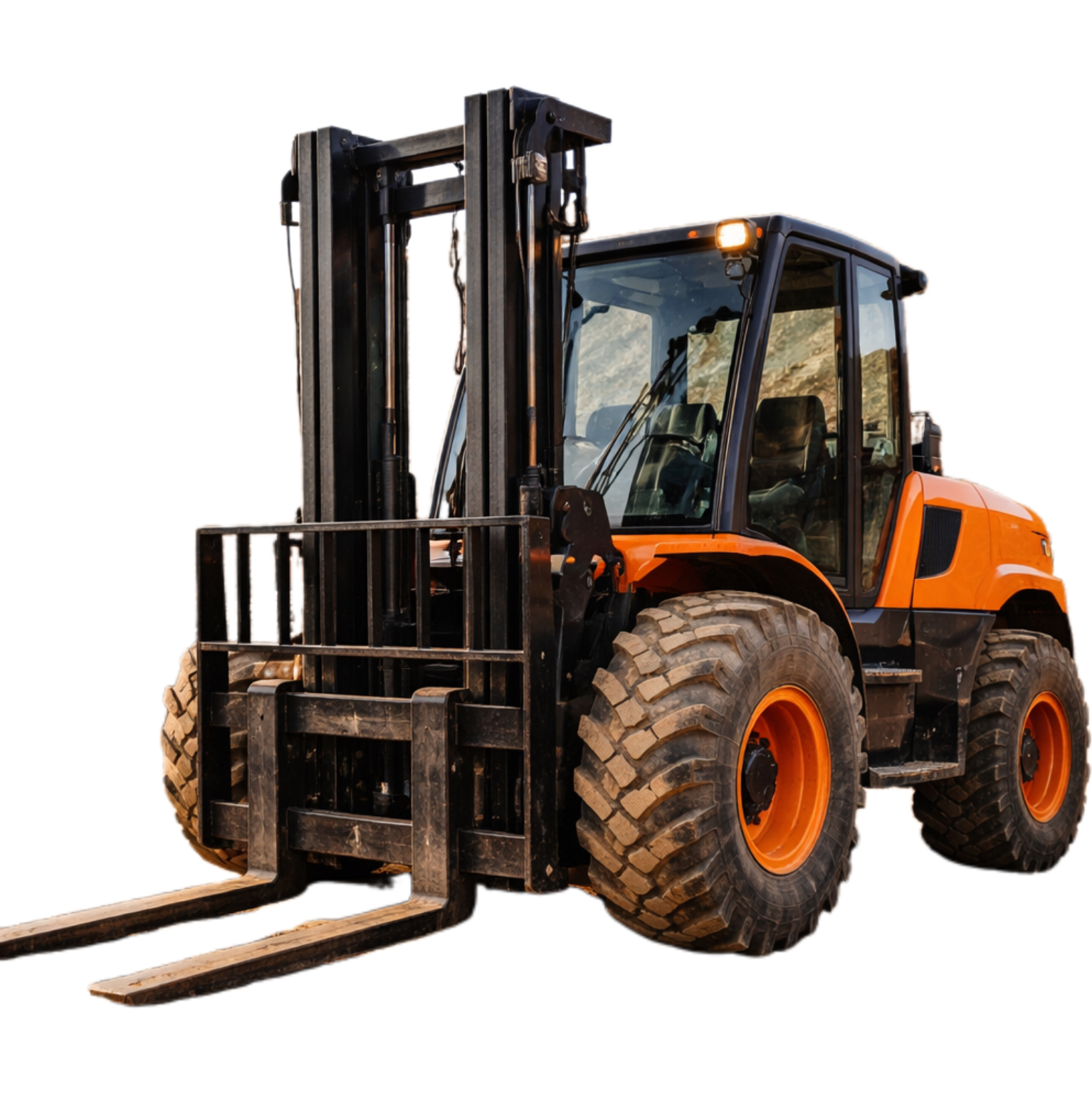


Forklift Maintenance Guide: Best Practices to Keep Your Equipment Running Smoothly
Forklifts play a critical role in material handling, warehouse operations, and industrial production. To ensure safety, efficiency, and long-term performance, a well-structured maintenance routine is essential. This guide covers key maintenance practices that every warehouse manager, technician, and equipment operator should follow.
1. Why Forklift Maintenance Matters
Proper maintenance ensures:
Improved safety for operators and work environments
Lower downtime, preventing costly production delays
Longer equipment lifespan, reducing replacement costs
Better fuel or battery efficiency, saving operational expenses
Regulatory compliance with OSHA and industry standards
Regular maintenance is not only good practice—it is a necessary investment for any business using forklifts.
2. Daily Pre-Operation Inspection Checklist
Before operating a forklift, operators should perform a quick inspection. This helps identify potential issues early and prevents accidents.
Key inspection items include:
Fluid levels (engine oil, hydraulic oil, coolant)
Tires (pressure, wear, damage)
Forks (cracks, bending, secure locking)
Mast and lift chains (lubrication, tension)
Brakes, steering, and horn functionality
Lights and backup alarms
Battery level or fuel condition
Hydraulic leaks under the machine
A simple 2–3 minute check can prevent major failures during operation.
3. Preventive Maintenance Schedule
Each forklift model may require different maintenance intervals, but the general recommendation includes:
Every 250 hours
Engine oil replacement
Oil filter change
Cooling system check
Battery cleaning and inspection
Every 500 hours
Hydraulic oil and filter inspection
Brake system adjustment
Transmission oil check
Every 1,000 hours
Full lubrication service
Replace worn-out hoses and belts
Detailed inspection of mast assembly and lift cylinders
Following the manufacturer’s service manual is crucial for accurate maintenance timing.
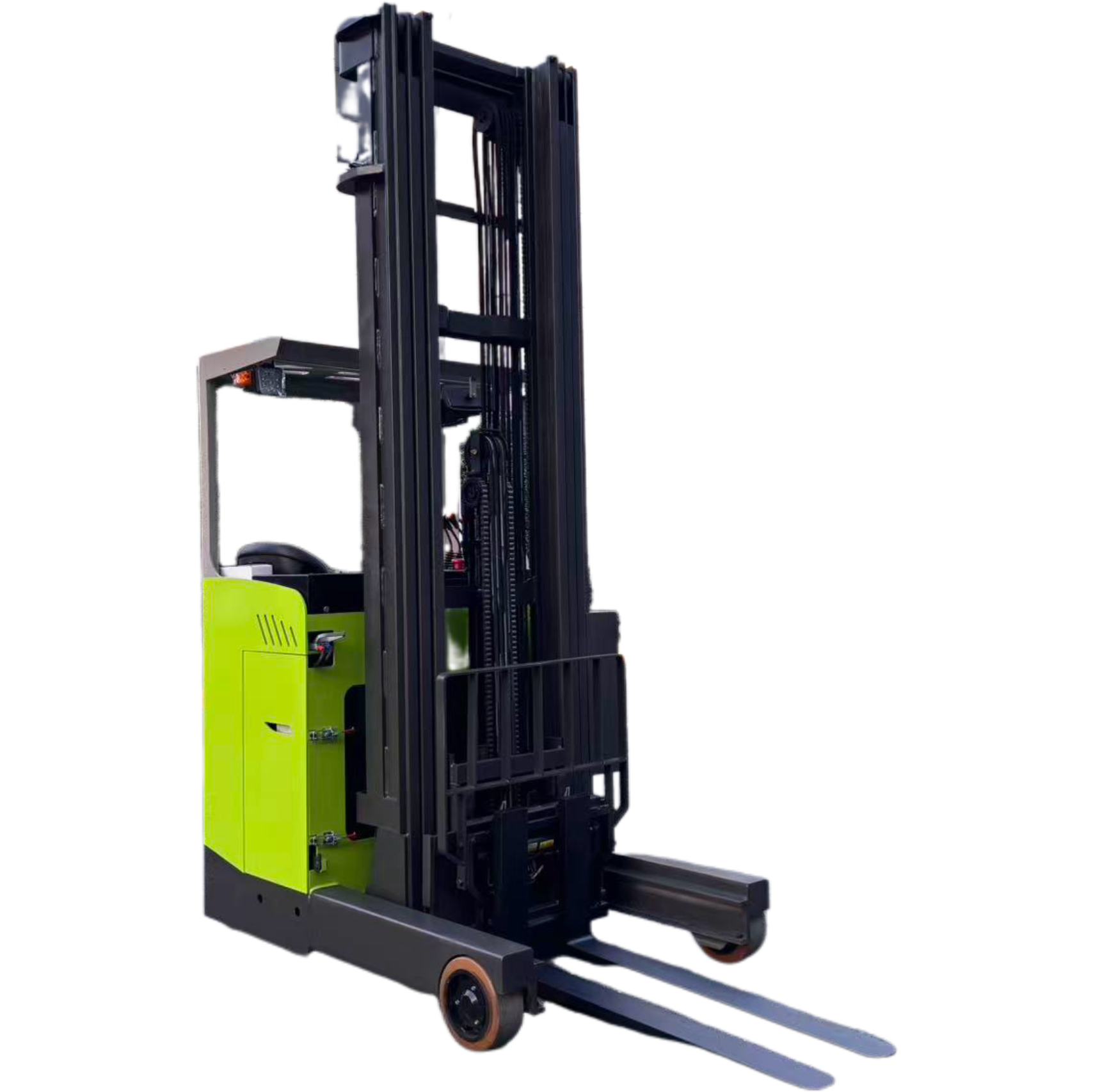
4. Proper Forklift Battery Care (for Electric Forklifts)
To extend battery life:
Charge the battery fully—avoid partial charging
Maintain clean battery terminals
Keep electrolyte levels within recommended range
Ensure proper ventilation during charging
Avoid overheating, which shortens battery lifespan
Electric forklifts rely heavily on battery care, making these steps essential for optimal performance.
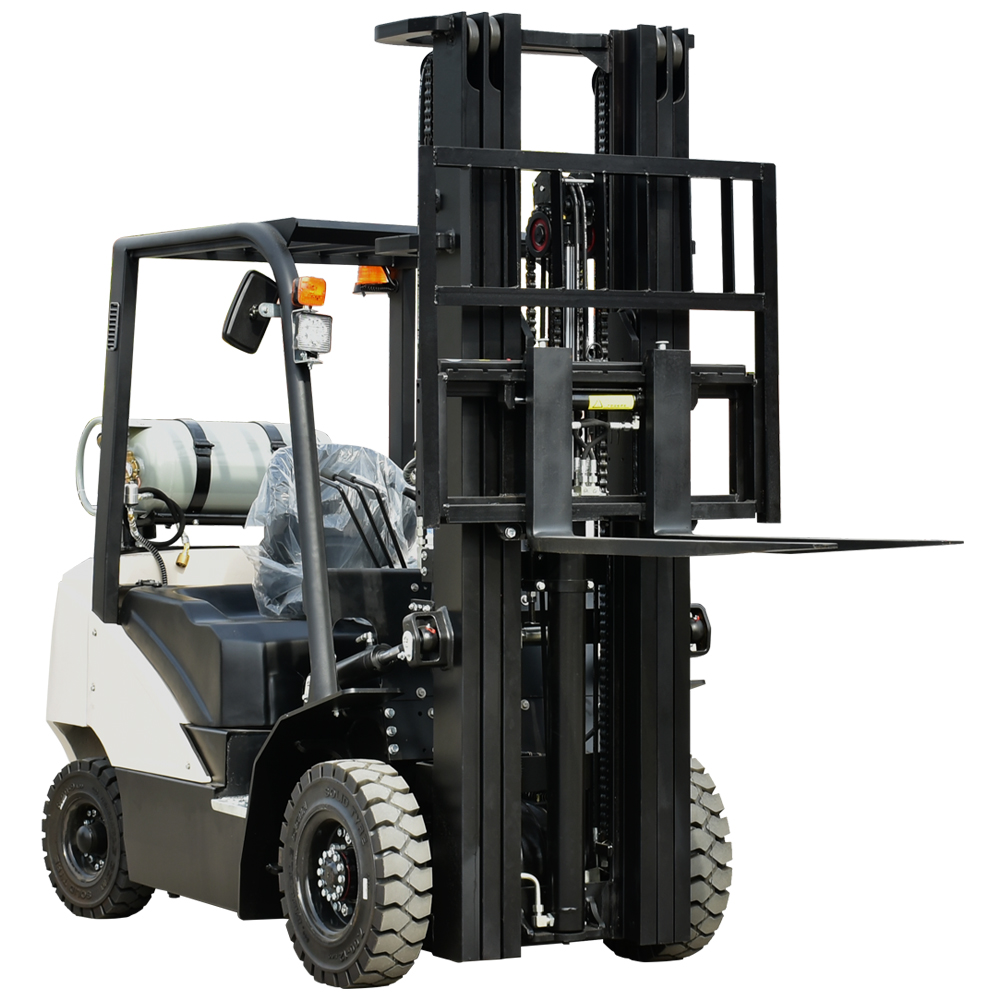
5. Engine Maintenance Tips (for Diesel & LPG Forklifts)
Use clean, high-quality engine oil
Replace air filters regularly, especially in dusty environments
Monitor fuel systems for leaks or contamination
Ensure exhaust systems are free from blockages
A well-maintained engine reduces emissions and improves power output.
6. Fork & Mast Care
The fork assembly is one of the most critical components of the forklift.
Be sure to:
Remove debris from mast rails
Lubricate the lift chains
Check for fork bending or uneven wear
Ensure fork locking pins are secure
Ignoring mast maintenance can lead to unsafe lifting conditions.
7. Safe Operating Practices
Even a perfectly maintained forklift can be dangerous if operated incorrectly.
Operators should:
Avoid overloading beyond rated capacity
Drive at safe speeds
Avoid sharp turns with a raised load
Keep loads low while moving
Maintain clear visibility
Only operate forklifts after proper training
Safety and maintenance go hand in hand.
8. When to Seek Professional Service
Call a certified technician if you notice:
Unusual noises or vibrations
Difficulty steering
Hydraulic fluid leaks
Reduced lifting power
Battery not holding charge
Frequent overheating
Early professional intervention prevents further damage and ensures workplace safety.
Conclusion
Regular forklift maintenance is essential for safe, efficient, and cost-effective operations. By following daily inspections, adhering to a preventive maintenance schedule, and practicing proper equipment care, you can significantly extend your forklift’s lifespan and reduce downtime.
Our manager will contact you shortly.
To contact you about our products and services.


Copyright © Xingtai Beiqiang Machinery Manufacturing Factory. 2025.
Technical support:Echola