

How to Choose an Electric Forklift? A Must-Read Guide for Private Label Buyers in 2025 (Model + Scenarios + Cost Analysis)
In warehousing, logistics, and the electronics industry, electric forklifts have become core equipment for "green and efficient material handling." However, many first-time buyers often encounter problems due to "choosing the wrong model" or "not being able to calculate the cost." This guide covers the core questions most frequently asked by electric forklift buyers, helping you select a suitable private-label electric forklift to meet your needs.
I. The first step in choosing an electric forklift: Define your core needs
Buyer search terms: "How to choose an electric forklift", "Suitable scenarios for electric forklifts" Before choosing an electric forklift, identify 3 core needs to avoid "parameter-heavy but impractical" products:
Operating Scenarios:
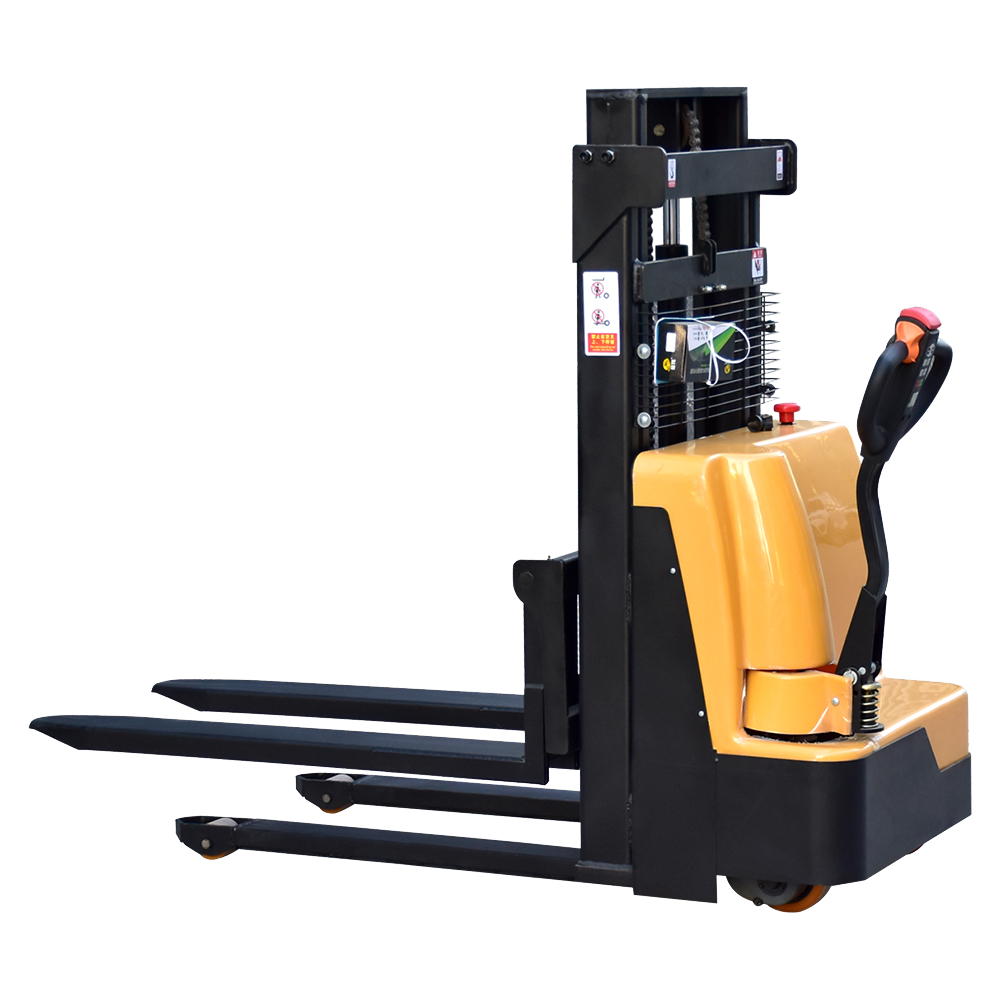
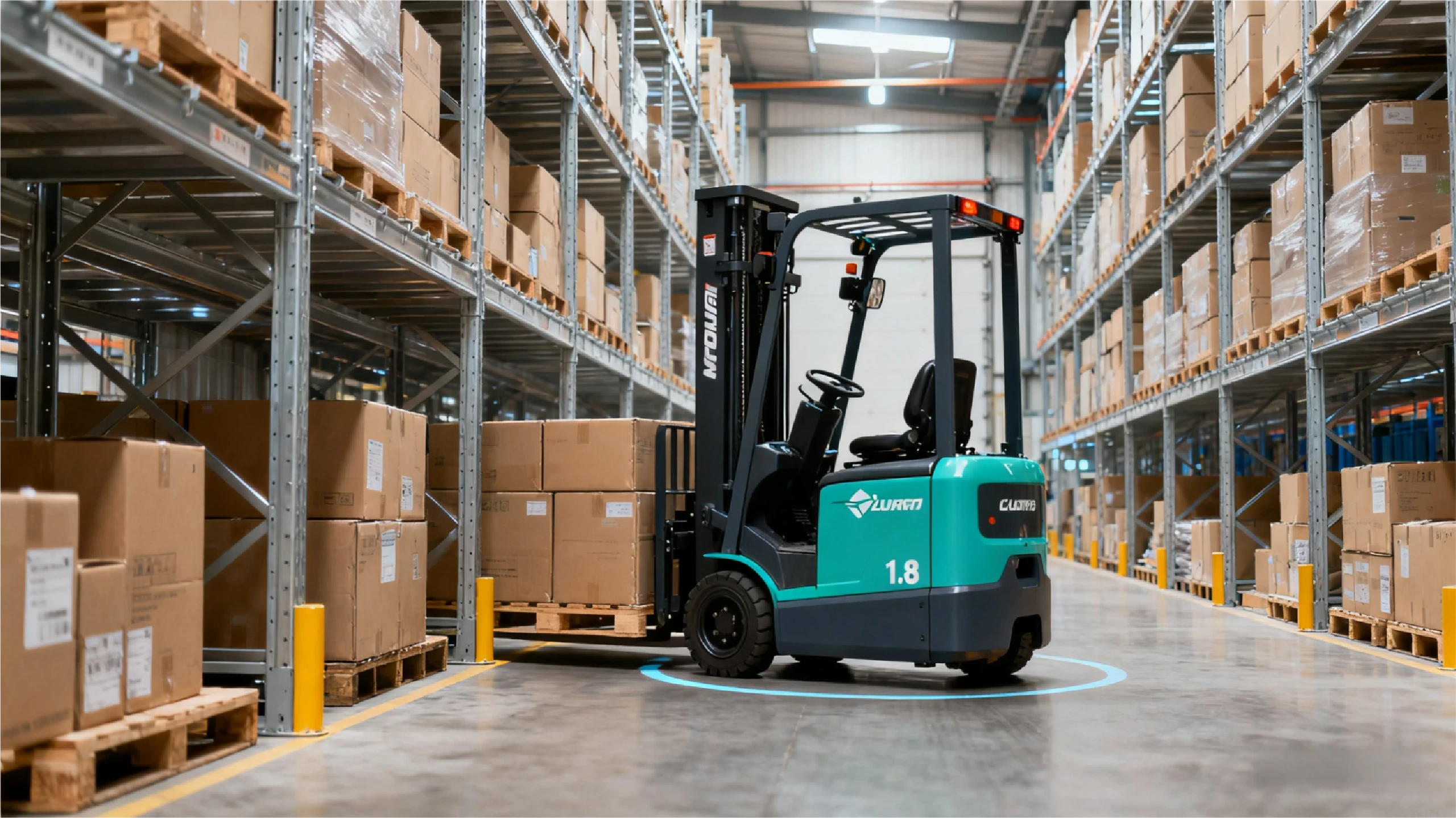
Indoor/Narrow Aisle → Beiqiang Reach Truck, with a turning radius of only 1.8 meters, suitable for 1.5-meter narrow aisles;
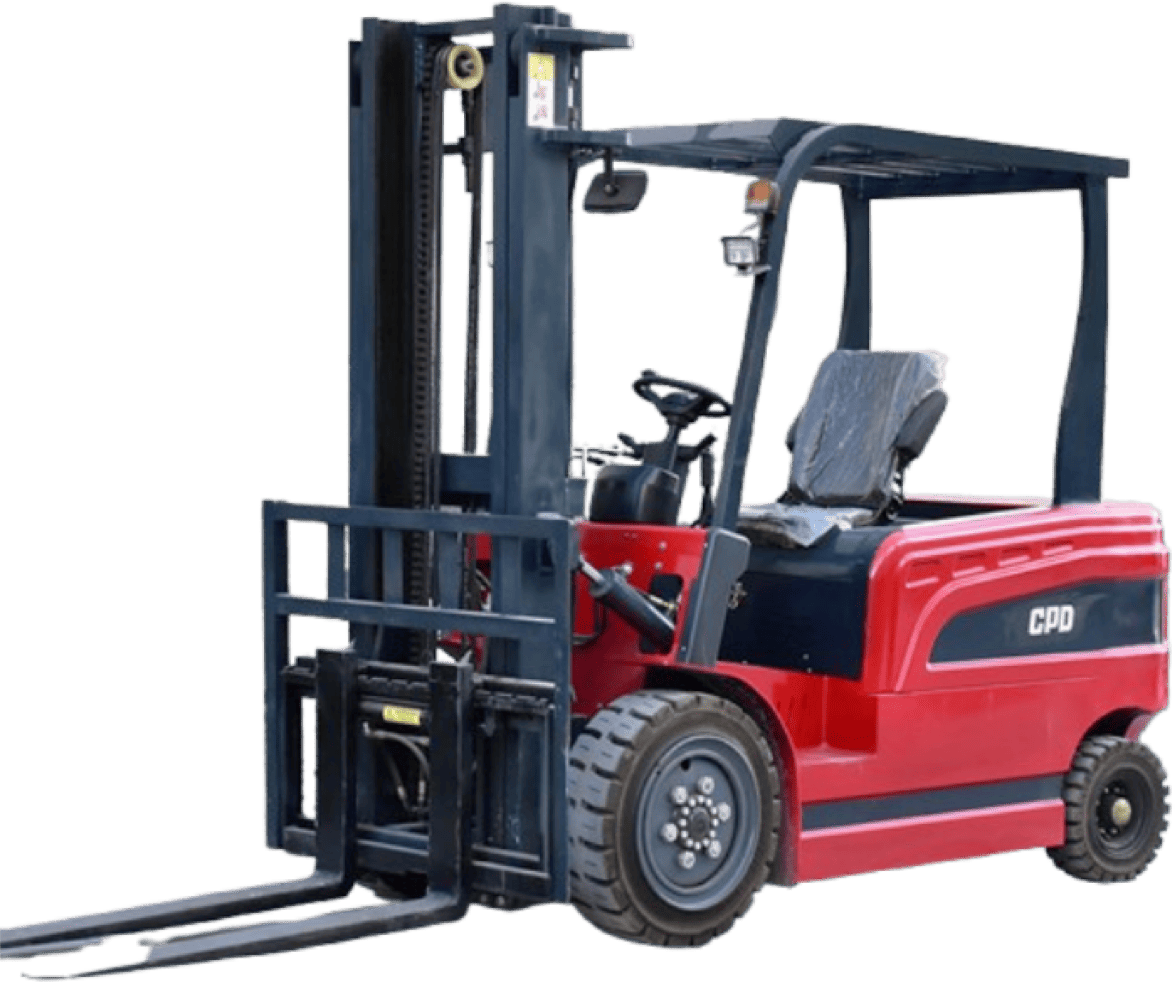
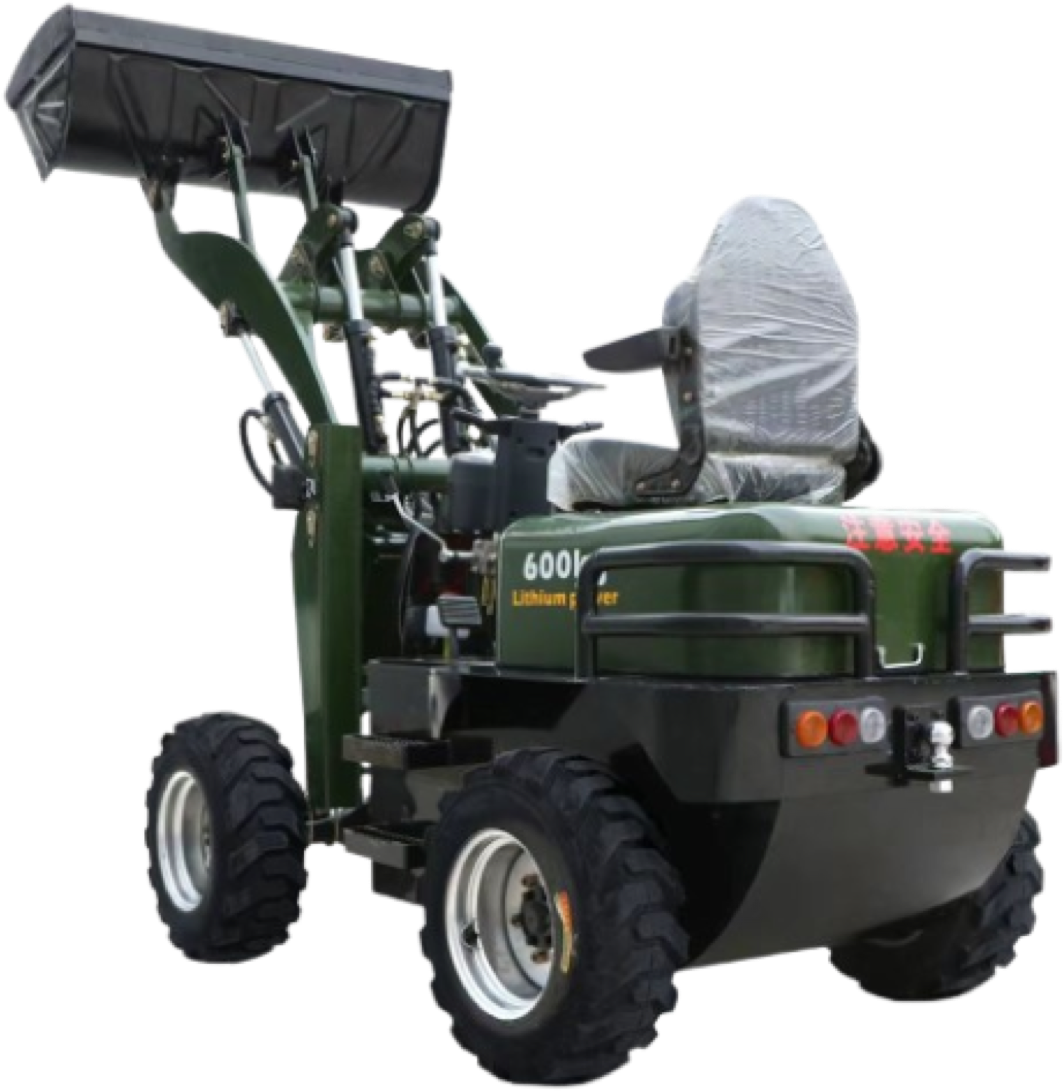
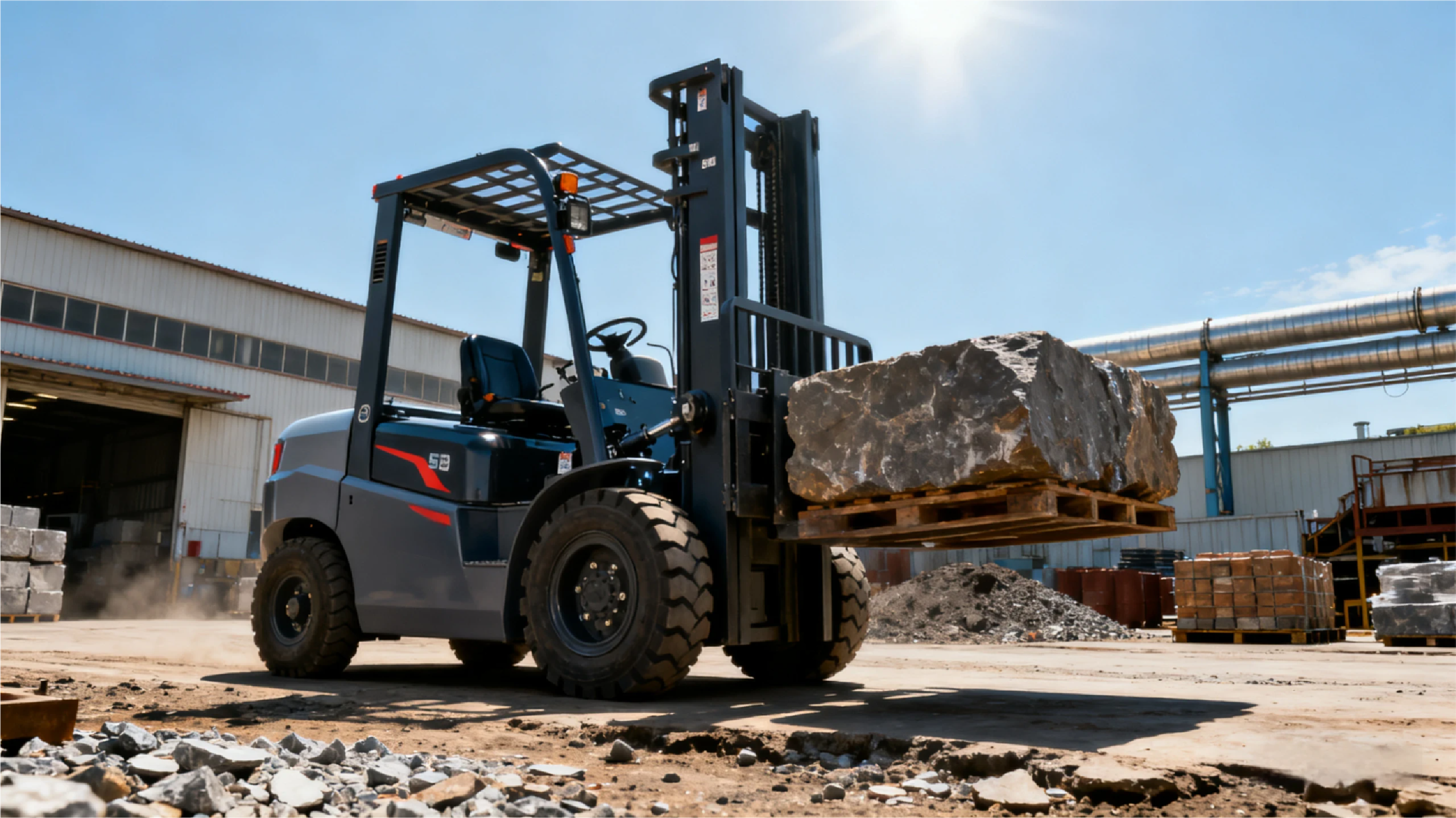
Outdoor/Heavy Load → Beiqiang Counterbalanced Electric Forklift, with strong maneuverability, suitable for complex sites;
.jpg)
Cold Chain Warehouse → Beiqiang Low-Temperature Resistant Lithium Battery Model, avoiding battery performance degradation in low-temperature environments.
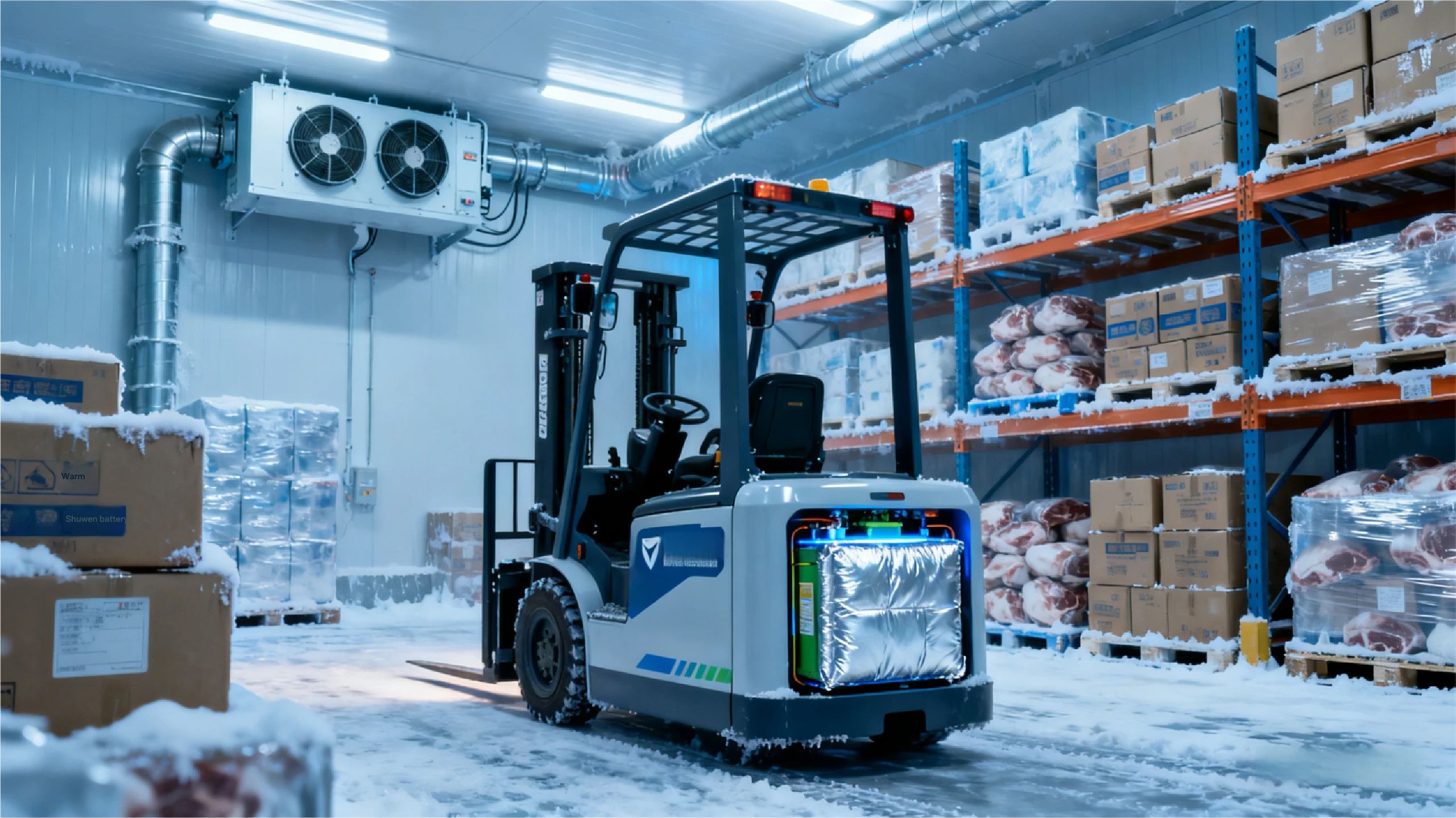.jpg)
Load Capacity + Lifting Height:
Light Load (1-2 tons) → Suitable for e-commerce sorting, choose Beiqiang 1.5-ton light electric forklift;
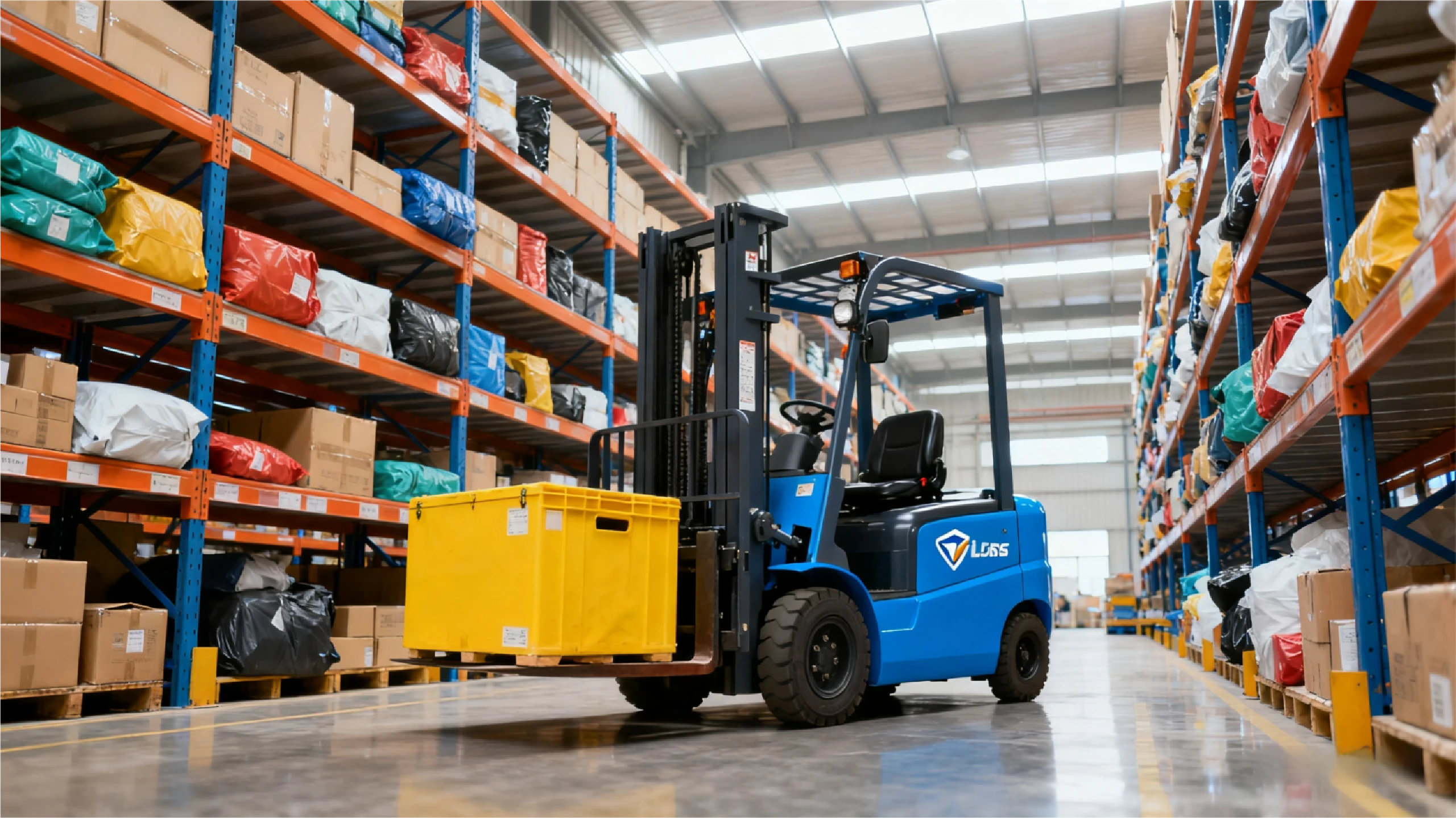.jpg)
Heavy Load (3-5 tons) → Suitable for handling large items in electronic logistics, choose Beiqiang 3.5-ton medium-heavy electric forklift;
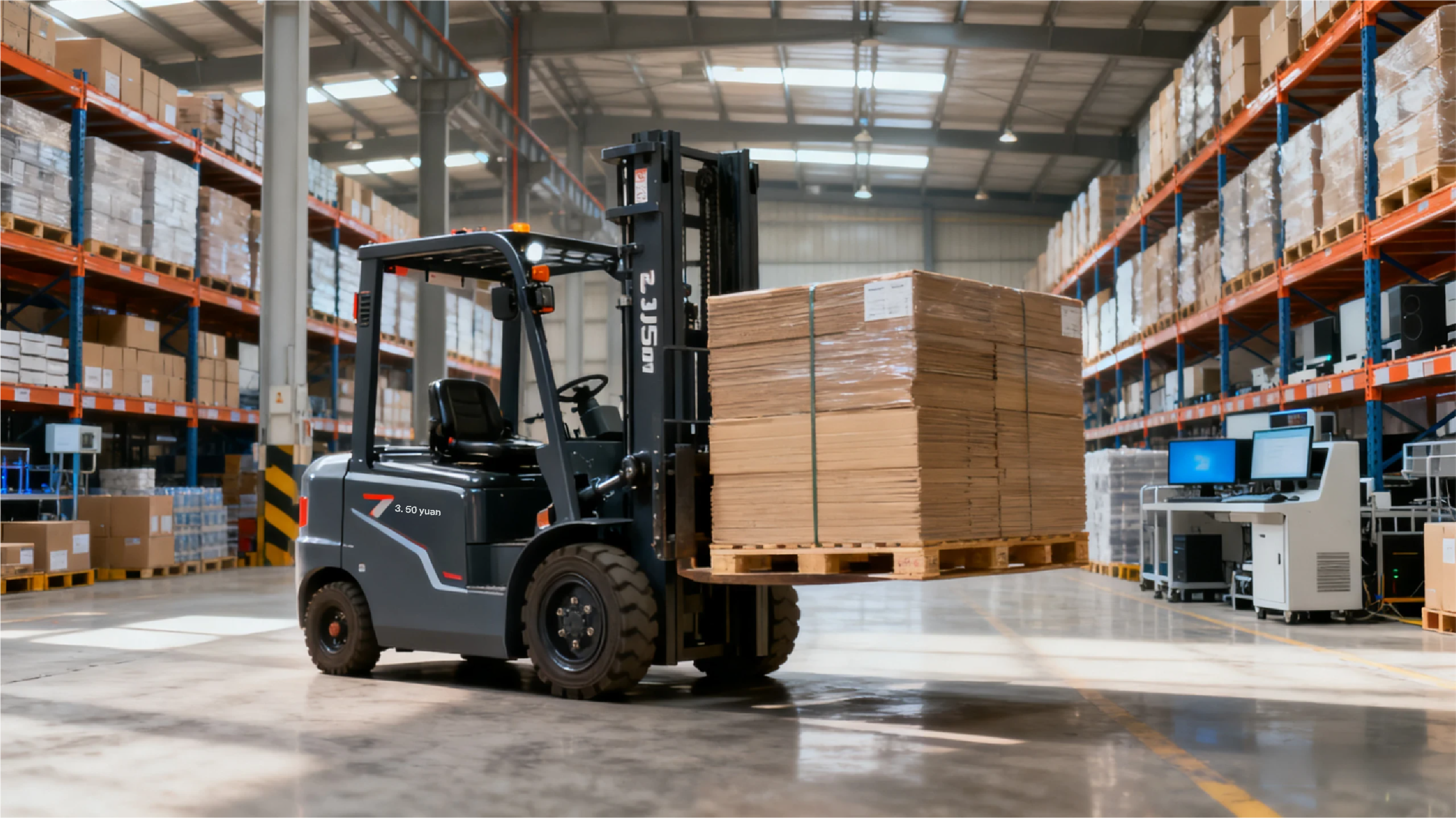.jpg)
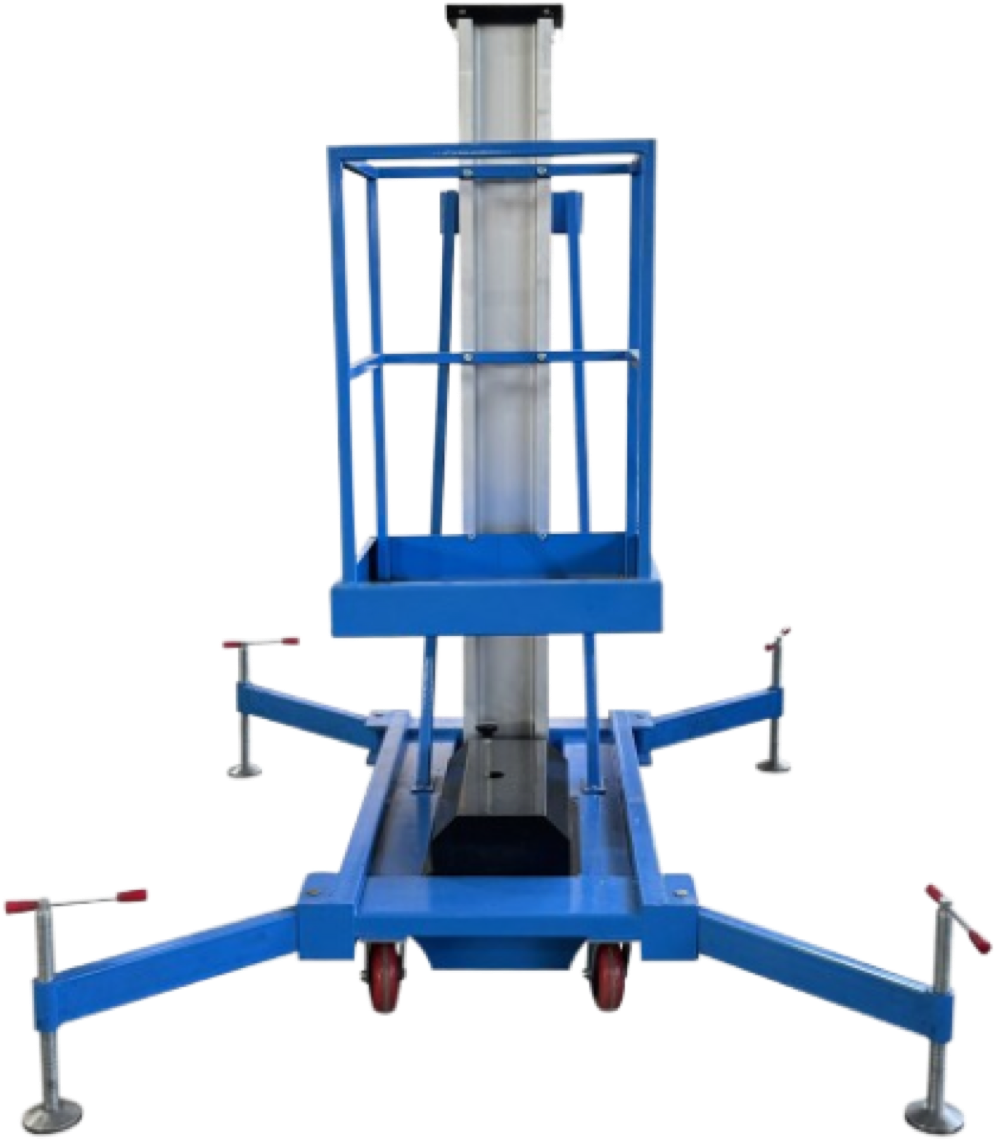
High Rack (6 meters and above) → Choose Beiqiang Level 3 Mast model, with a 0.5-meter safety operating height allowance.
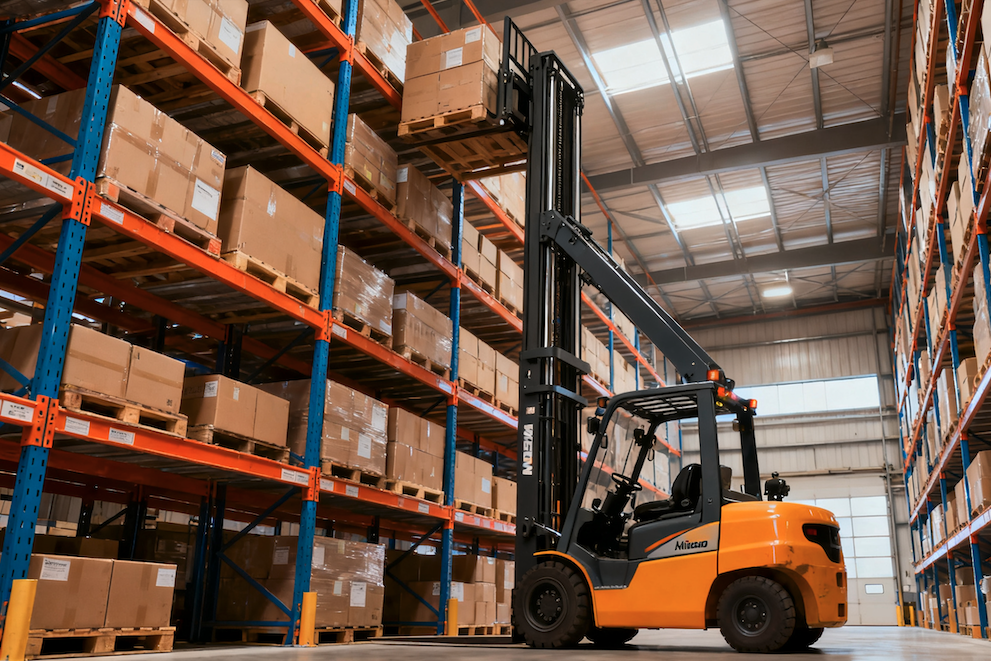
Battery life requirements:
Single shift operation → Select branded lead-acid battery model, which is more cost-effective;
Multi-shift continuous operation → Select branded lithium battery model, which supports 1 hour fast charging + 8 hours of battery life.
III. Electric Forklift Costs: More Than Just the "Purchase Price" (Frequently searched by buyers: "Electric forklift price," "Electric forklift operating costs")
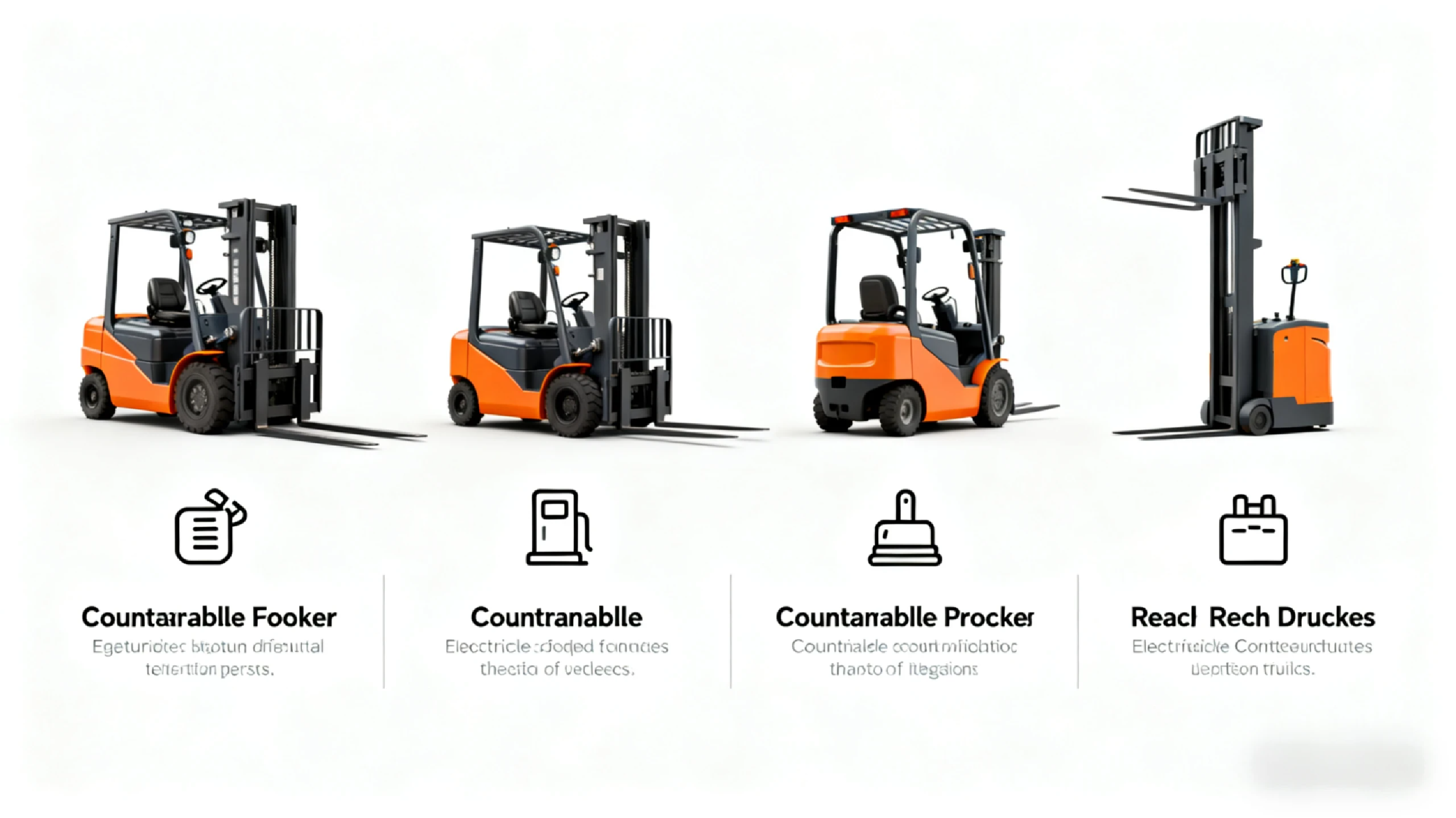
Many buyers only look at the "initial purchase price," but the long-term costs of electric forklifts are key:
Initial Costs:
1-2 ton economy model → 15,000-30,000 RMB;
3-5 ton medium-heavy model → 50,000-100,000 RMB (Beiqiang forklifts' lithium battery models are 20%-30% more expensive than lead-acid models, but have a longer lifespan).
Operating Costs: Beiqiang electric forklifts save 100,000-200,000 RMB annually compared to fuel-powered forklifts (electricity cost 0.3 RMB/km vs. fuel cost 2.8 RMB/km, maintenance costs are 30% lower).
Hidden Costs: Requires pre-installed charging infrastructure (50kW fast charging pile approximately 60,000-80,000 RMB), but the lifespan of their own-brand lithium batteries is 2-3 times that of lead-acid batteries, making long-term use more cost-effective.
IV. Electric Forklift Maintenance: 3 Key Tips for Extending Lifespan
(High-Frequency Buyer Search: "Electric Forklift Maintenance")
Battery Maintenance: Avoid overcharging and over-discharging of our own brand lithium batteries; add distilled water to lead-acid batteries monthly.
Vulnerable Parts Inspection: Check fork wear and tire pressure weekly (our own brand solid tires are puncture-proof).
Regular Calibration: Calibrate our own brand load cells quarterly to prevent overloading and equipment damage.
Our manager will contact you shortly.
To contact you about our products and services.


Copyright © Xingtai Beiqiang Machinery Manufacturing Factory. 2025.
Technical support:Echola